
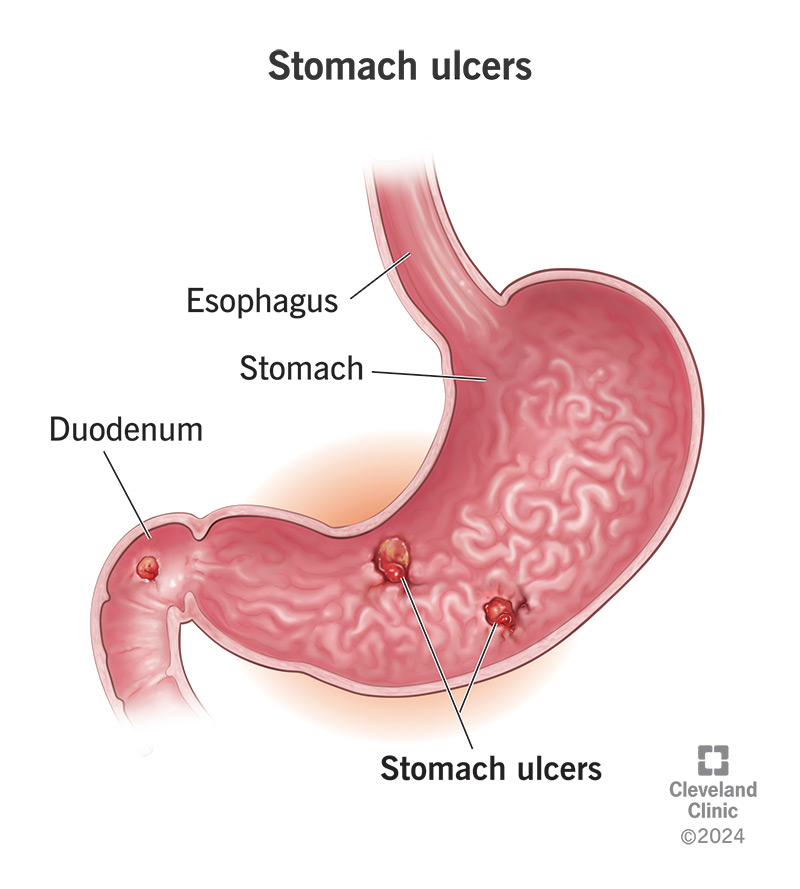
The word “ulcer” often conjures images of a painful, persistent sore, and while that’s generally true, the experience of an ulcer is far more nuanced. When we talk about ulcers, we’re most commonly referring to peptic ulcers, which are open sores that develop on the lining of the stomach or the upper part of the small intestine (the duodenum). These can manifest in a variety of ways, and understanding what they feel like is crucial for early detection and effective treatment. However, the sensation of an ulcer isn’t just limited to physical discomfort; it can also trigger a cascade of related feelings and concerns that touch upon broader aspects of our lives, from our daily productivity to our financial well-being, and even how we present ourselves.

The Lingering Discomfort: Physical Sensations of an Ulcer
The most prominent and undeniable symptom of an ulcer is pain. However, this pain isn’t a sharp, sudden stab. Instead, it’s typically described as a gnawing, burning, or aching sensation. The intensity can vary significantly, ranging from a mild annoyance to a severe, debilitating agony that can disrupt daily life. This discomfort is often located in the upper abdomen, just below the ribcage, but it can sometimes radiate to the back.
Burning and Gnawing: The Hallmark of Peptic Ulcer Pain
The burning sensation is a common descriptor, often likened to indigestion or heartburn, but with a more persistent and intense quality. It can feel like something hot is simmering in your stomach. The gnawing feeling is also prevalent, as if there’s a persistent, dull ache that never quite goes away. This can be particularly bothersome when your stomach is empty, as there’s no food to buffer the stomach acid from irritating the ulcer.
When Does the Pain Strike? The Timing and Triggers
The timing of ulcer pain is a key indicator. Many people experience pain when their stomach is empty, typically a few hours after eating or during the night. This is because stomach acid production is at its peak when there’s no food to neutralize it. For some, eating might temporarily alleviate the pain as food acts as a buffer. However, for others, eating can worsen the pain, especially if certain foods trigger increased acid production.
Beyond the Burn: Other Physical Manifestations
While pain is the primary complaint, other physical symptoms can accompany an ulcer. These can include:
- Bloating and Fullness: A persistent feeling of being uncomfortably full, even after consuming small amounts of food. This can lead to reduced appetite and unintended weight loss.
- Nausea and Vomiting: A general feeling of sickness in the stomach, which can sometimes lead to vomiting. The vomit might contain blood, appearing bright red or like coffee grounds, indicating bleeding from the ulcer.
- Heartburn: While often confused with indigestion, the heartburn associated with an ulcer is usually more severe and persistent.
- Loss of Appetite: Due to the discomfort and nausea, many individuals lose their desire to eat, leading to weight loss.
- Dark, Tarry Stools: This is a sign of bleeding within the digestive tract. The blood darkens as it passes through the intestines, giving the stool a black, tarry appearance.
- Fatigue: Chronic pain, poor appetite, and potential blood loss can lead to significant fatigue and weakness.
These physical sensations can be incredibly disruptive, impacting one’s ability to focus on work, enjoy social activities, and even get a good night’s sleep.
The Ripple Effect: How Ulcers Impact Your Daily Life and Productivity
The physical discomfort of an ulcer rarely exists in isolation. It can quickly spill over into other areas of your life, affecting your daily routine, your ability to be productive, and your overall sense of well-being.
Productivity Under Siege: The Toll on Work and Focus
When you’re constantly battling a gnawing pain or feeling nauseous, concentrating on complex tasks becomes a Herculean effort. The constant distraction of discomfort can significantly impair cognitive function, leading to reduced efficiency and a decline in the quality of your work. Simple tasks can feel overwhelming, and long hours become unbearable. Deadlines loom larger, and the pressure to perform while feeling unwell can exacerbate stress, creating a vicious cycle.
For those in tech-reliant roles, where focus and intricate problem-solving are paramount, an ulcer can be particularly detrimental. The need to debug code, analyze data, or design innovative solutions requires a clear mind. When that clarity is obscured by physical distress, innovation can stagnate, and productivity plummets. This can impact not only individual performance but also team collaboration and project timelines.
The Mental and Emotional Landscape: Anxiety, Stress, and Beyond
The persistent pain and the uncertainty surrounding it can also take a significant toll on one’s mental and emotional state. Many people with ulcers experience increased anxiety and stress. The fear of when the next bout of pain will strike, the worry about potential complications, and the impact on their ability to live a normal life can create a constant undercurrent of unease.
This anxiety can manifest in various ways:
- Worry about Symptoms: Constantly monitoring bodily sensations, interpreting every twinge as a potential sign of worsening ulcer activity.
- Fear of Complications: The thought of serious issues like bleeding or perforation can lead to significant distress.
- Impact on Social Life: The unpredictability of pain can make it difficult to commit to social plans, leading to feelings of isolation.
- Sleep Disturbances: Pain often worsens at night, leading to fragmented sleep, which further contributes to irritability, fatigue, and reduced resilience to stress.
This emotional burden can create a sense of being trapped, where the physical ailment dictates your mood and your outlook on life.
Beyond the Body: The Brand and Money Implications of Living with an Ulcer
While the physical and immediate productivity impacts are apparent, the long-term effects of managing a chronic condition like an ulcer can extend into areas like personal branding and financial stability.
The Unseen Costs: Financial Strain and Investment Worries
Living with an ulcer can incur significant financial costs. The direct costs include doctor’s visits, diagnostic tests, medications (such as proton pump inhibitors or antibiotics if H. pylori is involved), and potentially hospital stays if complications arise. These expenses can quickly add up, especially for individuals without comprehensive health insurance.
Beyond the direct medical bills, there are indirect financial consequences:
- Reduced Earning Potential: If productivity suffers significantly, it can impact one’s ability to earn a promotion, secure a raise, or even maintain their current employment. This can be a serious concern for those on a tight budget or with financial responsibilities.
- Impact on Side Hustles and Online Income: For individuals relying on online ventures, freelance work, or side hustles for supplementary income, the reduced focus and energy levels can directly hinder their ability to generate revenue. The time and mental clarity required to build and manage these income streams become a luxury when battling an ulcer.
- Investment and Savings: The financial strain of medical expenses might force individuals to dip into their savings or postpone investment plans, hindering long-term financial goals. The stress of managing finances while dealing with a health issue can also lead to less strategic decision-making regarding money.
The financial anxiety associated with an ulcer can be a significant source of stress, creating a cycle where financial worries exacerbate health concerns, and vice versa.

The Personal Brand: Projecting Health and Resilience
Our personal brand is how we present ourselves to the world – our professional reputation, our perceived capabilities, and our overall image. When you’re dealing with the often-invisible struggle of an ulcer, maintaining this brand can be challenging.
- Perception of Capability: If an ulcer causes you to be visibly fatigued, to take frequent breaks, or to be less engaged in meetings, it can inadvertently shape how colleagues and superiors perceive your competence and dedication. This can be a significant concern in competitive professional environments.
- The Challenge of “Putting on a Brave Face”: Many individuals with chronic conditions learn to mask their discomfort to maintain a professional facade. This can be emotionally draining and contribute to the feeling of isolation. The pressure to always appear healthy and energetic can be immense.
- Impact on Leadership and Trust: For those in leadership roles, projecting an image of unwavering strength and health is often expected. When an ulcer disrupts this, it can, for some, create doubts about their ability to lead effectively. Building and maintaining trust requires a consistent and reliable presence, which can be compromised by unpredictable health issues.
Ultimately, understanding what an ulcer feels like is about recognizing that it’s more than just a physical pain. It’s a condition that can ripple through various aspects of our lives, impacting our productivity, our mental well-being, our financial stability, and even the way we are perceived by others. Early detection, proper medical care, and a holistic approach to management are key to mitigating these far-reaching effects.
aViewFromTheCave is a participant in the Amazon Services LLC Associates Program, an affiliate advertising program designed to provide a means for sites to earn advertising fees by advertising and linking to Amazon.com. Amazon, the Amazon logo, AmazonSupply, and the AmazonSupply logo are trademarks of Amazon.com, Inc. or its affiliates. As an Amazon Associate we earn affiliate commissions from qualifying purchases.