
Federal taxes are more than just an annual obligation; they are the financial bedrock upon which the United States government operates, funding a vast array of essential services and programs that touch virtually every aspect of American life. From the roads we drive on to the research that cures diseases, and from the security of our nation to the safety nets for its most vulnerable, federal taxes represent a collective investment in the nation’s present and future. Understanding where these significant sums of money go is not just an exercise in fiscal transparency but a crucial insight into the priorities and functions of our government. This article delves into the intricate spending landscape, revealing the diverse beneficiaries of federal tax dollars and the profound impact they have on individuals, communities, and the global stage.
The Foundations of a Nation: Essential Government Operations
A significant portion of federal tax revenue is dedicated to maintaining the fundamental structures and security of the nation. These expenditures ensure the country’s defense, uphold the rule of law, and keep the machinery of government functioning effectively. Without these foundational investments, the very stability and sovereignty of the United States would be jeopardized.
National Defense and Security
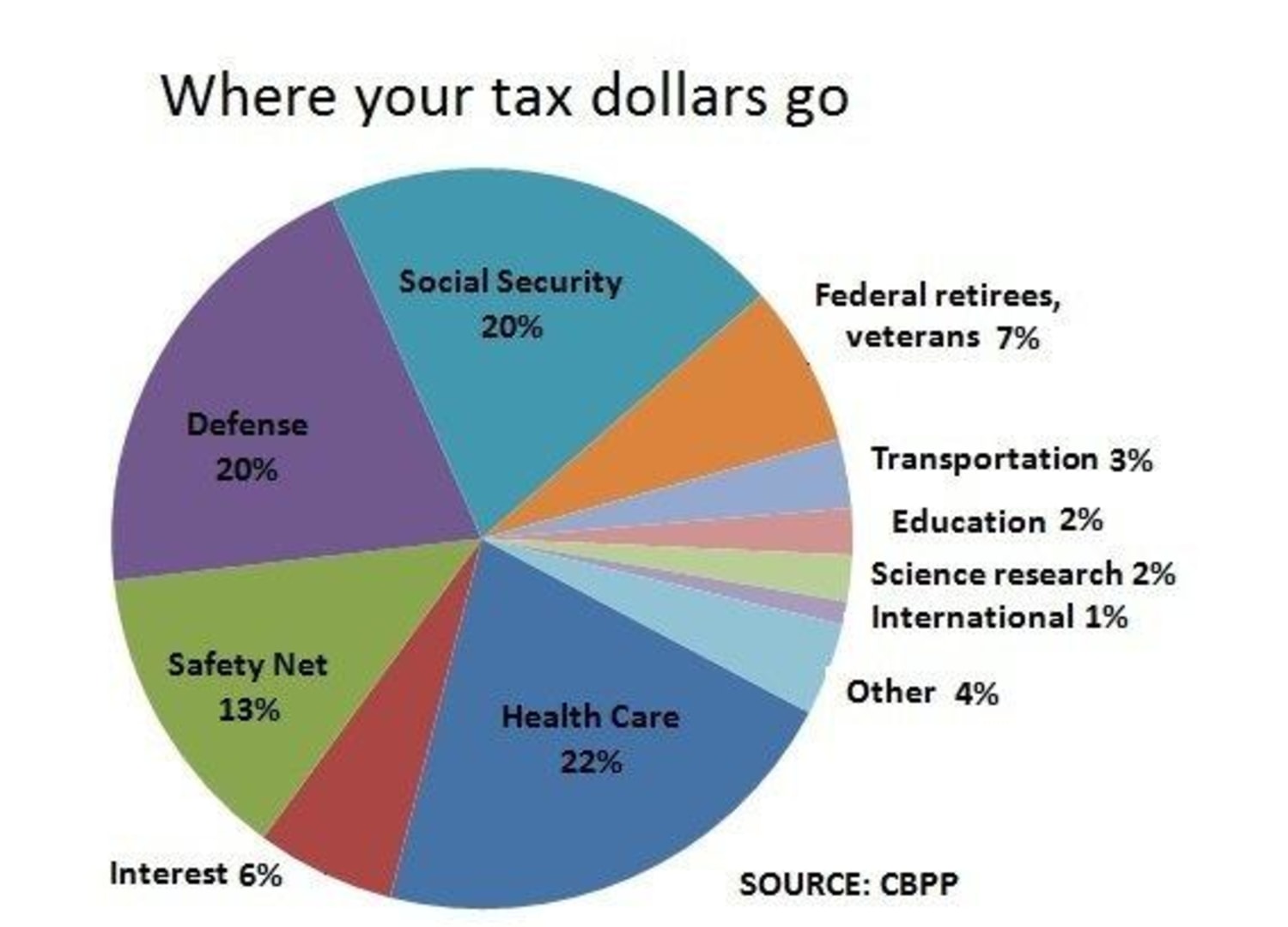
The largest single discretionary spending category in the federal budget is national defense. This encompasses the operations of the Department of Defense, funding all branches of the U.S. military – the Army, Navy, Air Force, Marine Corps, and Space Force. Tax dollars pay for military personnel salaries, training, equipment (from aircraft carriers to advanced weaponry), research and development of new defense technologies, and the maintenance of military bases both domestically and abroad. Beyond direct military operations, this category also includes funding for intelligence agencies like the CIA and NSA, which are crucial for national security, as well as significant expenditures for veteran benefits. These benefits, managed by the Department of Veterans Affairs, include healthcare, education, job training, and disability compensation for those who have served the nation, representing a profound societal commitment to those who sacrificed for the country.
Law Enforcement and Justice
Maintaining law and order and ensuring justice are core responsibilities of the federal government, funded by taxpayer money. This involves supporting a myriad of federal law enforcement agencies such as the Federal Bureau of Investigation (FBI), Drug Enforcement Administration (DEA), Bureau of Alcohol, Tobacco, Firearms and Explosives (ATF), and the U.S. Marshals Service. These agencies investigate federal crimes, combat terrorism, and enforce federal laws across state lines and internationally. Furthermore, federal taxes fund the entire federal judicial system, including the salaries of judges, court staff, and the operation of federal courthouses. It also contributes to the federal correctional system, housing individuals convicted of federal crimes. Ensuring a robust and fair justice system is paramount for societal stability and the protection of individual rights.
Legislative and Executive Branches
While often smaller in budgetary terms compared to defense or social programs, the operational costs of the legislative and executive branches are vital. Federal taxes pay the salaries of the President, Vice President, members of Congress, and their respective staffs. They fund the daily operations of the White House, congressional offices, various independent agencies, and numerous federal departments that execute government policy. This includes the General Services Administration (GSA), which manages federal property and supplies, and the Office of Management and Budget (OMB), which helps oversee the federal budget process. These expenditures ensure that the democratic process can function, laws can be debated and enacted, and executive functions can be performed to govern the nation.
Investing in Society: Social Programs and Public Welfare
Beyond the foundational operations, a substantial portion of federal tax revenue is directed towards social programs and initiatives designed to enhance the welfare of American citizens, provide safety nets, and invest in human capital. These programs reflect a societal commitment to shared responsibility and opportunity.
Social Security and Medicare
These two programs represent the largest mandatory spending items in the federal budget and are primarily funded through dedicated payroll taxes (FICA taxes). Social Security provides retirement, disability, and survivor benefits to millions of Americans, serving as a critical financial lifeline for seniors and those unable to work. Medicare, on the other hand, is the federal health insurance program for individuals aged 65 or older, younger people with certain disabilities, and people with End-Stage Renal Disease. Together, these programs form a vital social safety net, alleviating poverty among the elderly and disabled and ensuring access to essential healthcare. While funded by specific taxes, they are integral to the broader federal tax discussion as they consume a significant share of national economic output.
Healthcare Initiatives Beyond Medicare
Federal taxes fund a broad spectrum of other healthcare initiatives. Medicaid, a joint federal and state program, provides health coverage to millions of low-income Americans, including children, pregnant women, the elderly, and people with disabilities. The Children’s Health Insurance Program (CHIP) further extends coverage to children in families who earn too much for Medicaid but cannot afford private insurance. Additionally, tax dollars support crucial public health efforts led by agencies like the Centers for Disease Control and Prevention (CDC) and the National Institutes of Health (NIH), which conduct vital research into diseases, track epidemics, and promote public health awareness and prevention. This investment in health protects the nation from diseases and advances medical science.
Education and Research
Investing in education and scientific research is critical for the nation’s long-term prosperity and global competitiveness. Federal taxes fund various educational programs, including Pell Grants and other financial aid for college students, grants to states for elementary and secondary education, and support for special education programs. Beyond direct schooling, federal dollars also bolster scientific research across diverse fields, often through agencies like the National Science Foundation (NSF) and departments such as Energy and Defense. NASA, too, receives significant funding for space exploration and aeronautical research, pushing the boundaries of human knowledge and technological innovation, which often yields unforeseen benefits for society.

Income Security and Safety Nets
To support the most vulnerable populations, federal taxes fund a range of income security programs. This includes unemployment insurance benefits, which provide temporary financial assistance to workers who have lost their jobs through no fault of their own. The Supplemental Nutrition Assistance Program (SNAP), commonly known as food stamps, helps low-income individuals and families purchase nutritious food. Other programs provide housing assistance, heating assistance, and temporary aid to needy families (TANF), all designed to prevent destitution and provide a basic quality of life for those facing economic hardship. These programs are fundamental to fostering a more equitable society and providing critical support during economic downturns.
Building and Maintaining Infrastructure: The Backbone of the Economy
A strong national infrastructure is indispensable for economic growth, public safety, and quality of life. Federal taxes play a crucial role in developing and maintaining the physical systems that underpin modern society, from transportation networks to energy grids and environmental protection.
Transportation Networks
The vast network of U.S. highways, bridges, airports, and public transit systems relies heavily on federal funding, often through dedicated trust funds supported by specific taxes like the federal gasoline tax. These investments ensure the efficient movement of goods and people, reducing commute times, fostering commerce, and connecting communities. Federal taxes also contribute to safety improvements across all modes of transportation, from air traffic control systems to railway safety regulations, directly impacting the daily lives and economic activities of millions of Americans.
Energy and Environment
Addressing climate change, promoting renewable energy, and protecting the nation’s natural resources are growing areas of federal spending. Tax dollars support initiatives to develop sustainable energy sources, improve energy efficiency, and manage the nation’s energy infrastructure. The Environmental Protection Agency (EPA), funded by federal taxes, works to protect human health and the environment by regulating pollution, ensuring clean air and water, and managing hazardous waste. Additionally, federal funds maintain and enhance national parks, forests, and wildlife refuges, preserving natural beauty and biodiversity for future generations and supporting tourism.
Public Works and Utilities
Beyond major transportation and environmental projects, federal taxes also contribute to various public works and utility improvements. This can include grants for local water infrastructure projects, ensuring access to safe drinking water and effective wastewater treatment. Efforts to expand broadband internet access in rural and underserved areas, deemed critical for economic development and social equity, also receive federal support. These investments in foundational utilities are essential for the health, safety, and economic vitality of communities nationwide.
Economic Management and International Relations
Finally, federal taxes support the overarching economic management of the country and its engagement with the rest of the world. These expenditures ensure fiscal stability, represent the U.S. on the global stage, and facilitate international trade and cooperation.
Managing National Debt
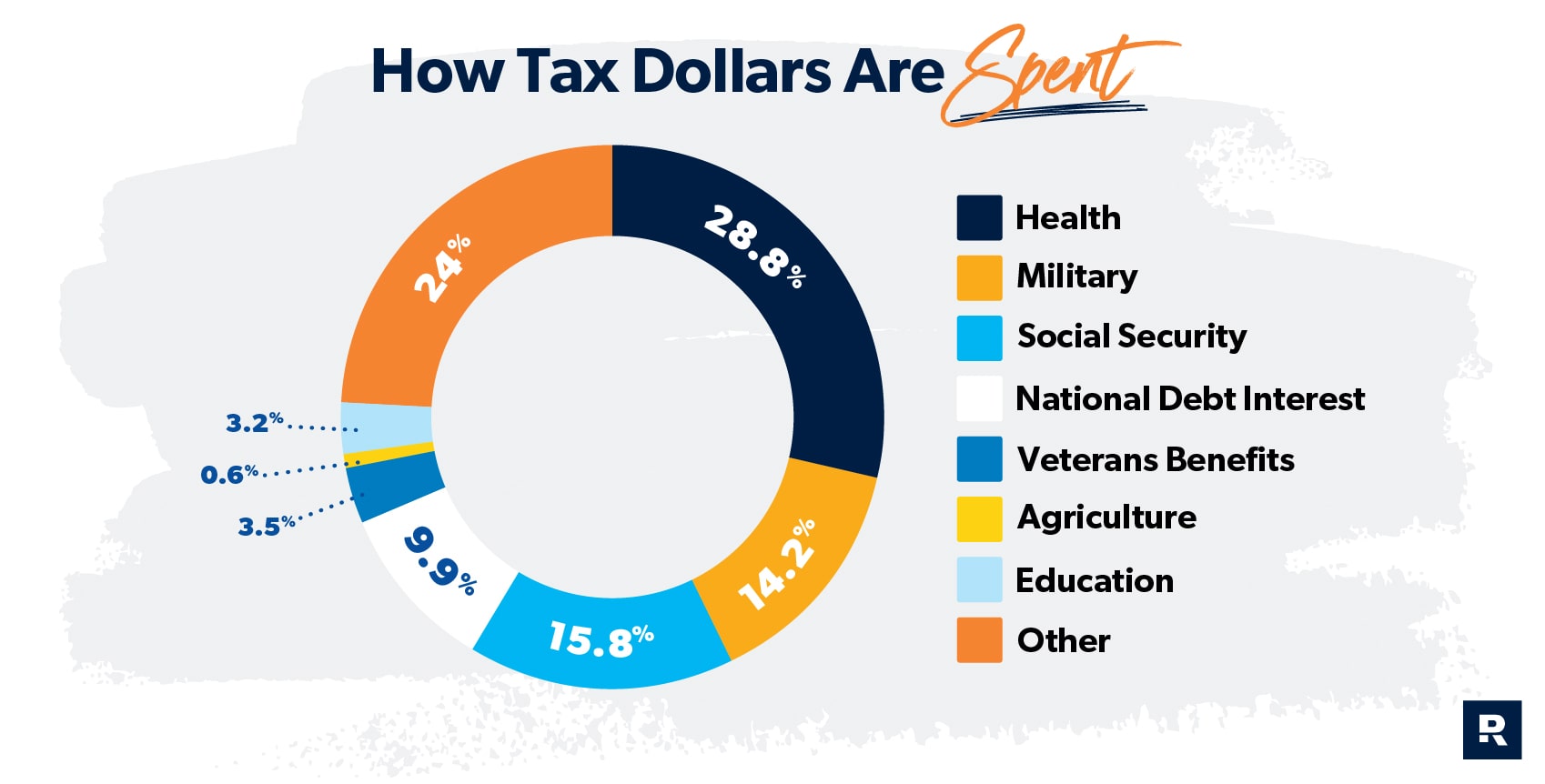
A significant, and often debated, portion of the federal budget is allocated to paying interest on the national debt. This debt accumulates from past deficits where government spending exceeded revenues. These interest payments are mandatory, meaning the government is legally obligated to make them. The size of these payments fluctuates with interest rates and the total amount of outstanding debt, but they represent a substantial claim on tax revenues that cannot be used for other programs or services.
International Aid and Diplomacy
The United States, as a global power, engages extensively in international relations, diplomacy, and foreign aid, all funded by federal taxes. The Department of State, along with agencies like USAID, manages diplomatic missions, negotiates treaties, and provides humanitarian and development assistance to countries around the world. These efforts promote U.S. interests, foster stability, alleviate poverty, and respond to global crises, ranging from disaster relief to health initiatives, contributing to global security and economic partnerships.
Economic Regulation and Statistics
A functioning economy requires oversight and reliable data. Federal taxes fund regulatory bodies that ensure fair markets, protect consumers, and prevent fraud. Agencies like the Securities and Exchange Commission (SEC) regulate financial markets, while the Federal Trade Commission (FTC) protects consumers and promotes competition. Additionally, federal funds support agencies that collect and analyze economic data, such as the Bureau of Economic Analysis (BEA) and the Bureau of Labor Statistics (BLS). This data is crucial for policymakers, businesses, and individuals to make informed decisions, ensuring transparency and stability in the economy.
In conclusion, federal taxes are the lifeblood of the United States government, funding an incredibly diverse and extensive range of operations and services. From the deployment of military forces to the provision of retirement benefits, from groundbreaking scientific research to the maintenance of critical infrastructure, tax dollars underpin virtually every aspect of national life. While the specifics of government spending are often subjects of intense political debate, understanding the broad categories and the essential functions they support is fundamental for every citizen. It highlights that federal taxes are not merely deductions from our paychecks but a collective contribution to the functioning of our society, the security of our nation, and the pursuit of a better future for all Americans.
aViewFromTheCave is a participant in the Amazon Services LLC Associates Program, an affiliate advertising program designed to provide a means for sites to earn advertising fees by advertising and linking to Amazon.com. Amazon, the Amazon logo, AmazonSupply, and the AmazonSupply logo are trademarks of Amazon.com, Inc. or its affiliates. As an Amazon Associate we earn affiliate commissions from qualifying purchases.