
In the rapidly evolving landscape of digital finance, the friction between a consumer’s intent to purchase and the finalization of a transaction remains one of the most significant hurdles for business growth. ShopPay, a proprietary accelerated checkout solution developed by Shopify, has emerged as a powerhouse financial tool designed to bridge this gap. Far more than a simple “buy” button, ShopPay represents a sophisticated financial ecosystem that optimizes cash flow for merchants while providing flexible liquidity options for consumers. By understanding the mechanics of ShopPay, businesses and individuals can better navigate the complexities of modern digital transactions and the growing trend of embedded finance.

The Financial Architecture of ShopPay: Streamlining Digital Capital
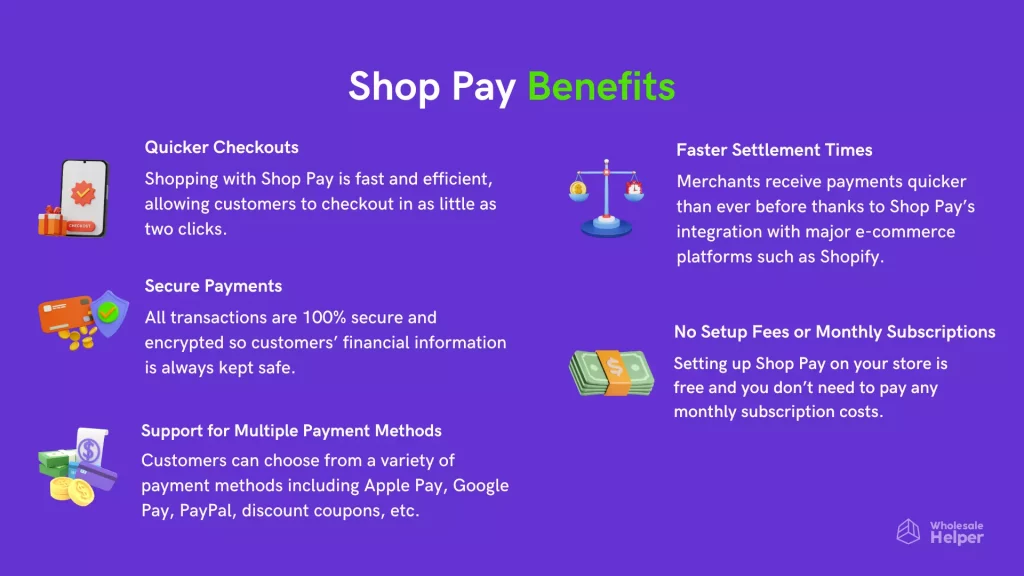
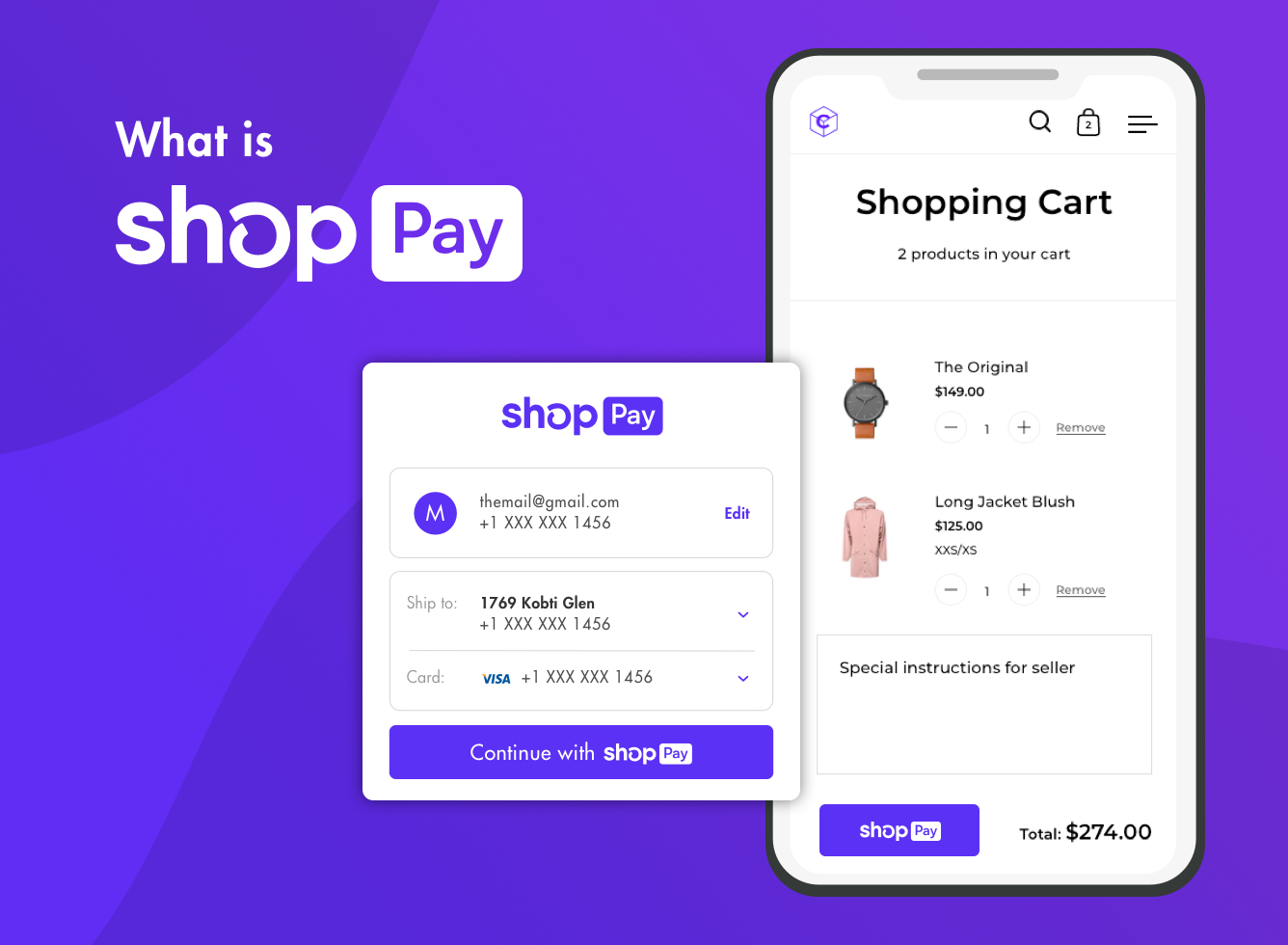
At its core, ShopPay is an accelerated checkout service that stores a user’s financial information—including credit card details, billing addresses, and shipping data—to facilitate a “one-tap” purchasing experience. Within the niche of business finance, this is categorized as a high-velocity payment gateway integration. The primary objective is the reduction of cart abandonment, a phenomenon that costs the global e-commerce industry billions in lost revenue annually.
The Mechanics of Accelerated Checkout and Liquidity
When a consumer opts into ShopPay, their data is encrypted and stored on Shopify’s PCI-compliant servers. From a financial perspective, this creates a streamlined “tokenization” process. Instead of sensitive data being transmitted repeatedly across various networks, a secure token is used to authorize the movement of funds. For the merchant, this means faster processing times and a significant reduction in the technical barriers that often delay the capture of capital.
In terms of personal finance management, ShopPay acts as a digital wallet that prioritizes speed without sacrificing oversight. For the user, the financial benefit lies in the consolidation of transaction history. Having a centralized point where one can track expenditures across thousands of different retailers allows for better budgeting and a clearer view of one’s digital spending habits.
Impact on Conversion Rates and Business Revenue
From a corporate finance standpoint, the implementation of ShopPay is a strategic move to increase the Lifetime Value (LTV) of a customer. Data suggests that ShopPay can increase checkout speed by up to four times compared to traditional manual entries. For a business, this efficiency directly correlates to a higher conversion rate—often cited as an 18% to 50% increase for returning customers. When a company can capture revenue more efficiently, its working capital improves, allowing for faster reinvestment into inventory, marketing, and operations.
Shop Pay Installments: Navigating the Buy Now, Pay Later (BNPL) Landscape
One of the most transformative financial features of the ShopPay ecosystem is “Shop Pay Installments.” This service places ShopPay firmly within the “Buy Now, Pay Later” (BNPL) sector, a financial model that has disrupted traditional credit card dominance. By allowing consumers to split purchases into smaller, manageable payments, ShopPay changes the way capital is deployed at the point of sale.
How Installments Work for Consumer Cash Flow
Shop Pay Installments typically offers two main paths for the consumer. The first is a zero-interest model where the total purchase price is split into four equal bi-weekly payments. This is particularly attractive for personal finance enthusiasts who wish to avoid the compounding interest associated with traditional credit cards. The second path involves monthly installments for higher-ticket items, which may carry an Annual Percentage Rate (APR) but provide a predictable repayment schedule.
This model allows consumers to manage their cash flow more effectively. Instead of a single, large outflow of cash—which might disrupt a monthly budget—the cost is smoothed over time. It provides a level of financial flexibility that enables the purchase of necessary high-quality goods without the immediate burden of a full-sum payment.
Financial Implications for Merchants and Risk Management
For the merchant, the financial structure of Shop Pay Installments is even more compelling. While the consumer pays over time, the merchant receives the full purchase price upfront (minus the transaction fee). The credit risk and the responsibility of collecting payments are shifted to the financing partner (Affirm, in the case of ShopPay in the U.S.).
This setup is a massive boon for business finance. It eliminates the “accounts receivable” risk that businesses historically faced when offering credit to customers. By transferring the default risk to a third-party financial institution, the merchant maintains a healthy balance sheet and consistent liquidity. Furthermore, businesses using Shop Pay Installments often report a significant increase in Average Order Value (AOV), as consumers feel more empowered to purchase premium items when the cost is distributed.
Security, Privacy, and Financial Trust in Digital Transactions
In the realm of financial tools, security is the foundation of value. If a payment system is not secure, its speed and flexibility are irrelevant. ShopPay addresses this through a multi-layered approach to digital security, ensuring that both the merchant’s revenue and the consumer’s capital remain protected from fraudulent activity.
Data Encryption and Fraud Protection
ShopPay utilizes advanced end-to-end encryption to protect sensitive financial data. From a technical finance perspective, this involves adhering to Level 1 PCI DSS (Payment Card Industry Data Security Standard) compliance. For the merchant, this means that the “Know Your Customer” (KYC) and Anti-Money Laundering (AML) burdens are significantly mitigated, as the platform handles the heavy lifting of identity verification.
Additionally, ShopPay integrates with Shopify’s broader fraud analysis tools. These tools use machine learning to identify suspicious patterns, such as mismatched billing and shipping addresses or unusual transaction volumes. By filtering out fraudulent transactions before they are finalized, ShopPay protects the merchant from chargebacks—a common financial drain that can lead to frozen merchant accounts and lost inventory.
Consumer Financial Security and the “Shop” App
For the individual, ShopPay offers a layer of protection through its integration with the “Shop” app. This app allows users to track their orders in real-time, providing a transparent view of where their money has gone and when their goods will arrive. In cases of disputes or non-delivery, the centralized nature of the ShopPay system makes it easier for consumers to initiate the resolution process. This transparency builds “financial trust,” which is a key psychological driver in the decision to use one financial tool over another.
Cost-Benefit Analysis: The Business Case for ShopPay Integration
For any CFO or business owner, the decision to implement a new financial tool comes down to a cost-benefit analysis. While ShopPay offers numerous advantages in terms of conversion and customer experience, it is essential to understand the underlying fee structure and how it integrates with a company’s broader financial ecosystem.
Transaction Costs and Bottom-Line Impact
ShopPay is generally included as part of the Shopify Payments suite. The fees associated with it are typically consistent with standard credit card processing rates. However, for “Shop Pay Installments,” the merchant fee is usually higher than a standard transaction fee—often ranging between 5% and 6%.
The financial question for the business is whether the increase in conversion rate and AOV offsets the higher transaction cost. For example, if a business with a 2% conversion rate can increase it to 3% by offering ShopPay, the total net profit often increases significantly, even after accounting for the higher fees. This is a classic exercise in marginal utility: the cost of the tool is outweighed by the incremental revenue it generates.
Integrating with Business Financial Systems
Modern business finance relies on the seamless flow of data between sales platforms and accounting software. ShopPay transactions are automatically reconciled within the Shopify admin, which can then be synced with tools like QuickBooks, Xero, or NetSuite. This automation reduces the administrative overhead of manual bookkeeping.
For businesses looking to scale, this integration is vital. It allows for real-time monitoring of cash flow and sales performance. By having a clear, automated record of all ShopPay and installment transactions, financial teams can produce more accurate forecasts and make data-driven decisions regarding inventory management and marketing spend.
Conclusion: The Future of Commerce as a Financial Experience
ShopPay represents the next stage in the evolution of financial tools—one where the act of purchasing is inseparable from the act of financing. By providing a platform that balances the merchant’s need for rapid capital capture with the consumer’s desire for liquidity and security, ShopPay has redefined the standard for e-commerce checkouts.
As we move further into an era of “invisible payments,” tools like ShopPay will continue to play a pivotal role in the global economy. For the consumer, it offers a way to navigate personal finance with greater ease and flexibility. For the merchant, it serves as a strategic lever to drive revenue, manage risk, and optimize the bottom line. Whether viewed as a tool for personal budgeting or a mechanism for corporate growth, ShopPay is an essential component of the modern financial toolkit, proving that in the digital age, the most successful transactions are those that are both fast and financially sound.
aViewFromTheCave is a participant in the Amazon Services LLC Associates Program, an affiliate advertising program designed to provide a means for sites to earn advertising fees by advertising and linking to Amazon.com. Amazon, the Amazon logo, AmazonSupply, and the AmazonSupply logo are trademarks of Amazon.com, Inc. or its affiliates. As an Amazon Associate we earn affiliate commissions from qualifying purchases.