
In the era of the “Quantified Self,” the traditional method of estimating caloric needs through pen, paper, and rough guesswork has been rendered obsolete. For the modern individual, understanding how many calories to eat is no longer a matter of reading the back of a cereal box; it is a sophisticated data science project powered by wearable sensors, machine learning algorithms, and real-time metabolic tracking. As technology continues to permeate every facet of our lives, the intersection of software and biology has created a new frontier: Precision Nutrition.

Determining your ideal caloric intake is the foundational step in any health or performance optimization strategy. However, the “ideal” number is a moving target influenced by Basal Metabolic Rate (BMR), Thermic Effect of Food (TEF), and Non-Exercise Activity Thermogenesis (NEAT). Leveraging the latest in health-tech allows us to move beyond the generic 2,000-calorie-a-day myth and toward a personalized, data-backed roadmap for energy consumption.
The Algorithmic Foundation: From Static Formulas to AI-Driven Predictions
To understand how many calories you should consume, technology first looks at the mathematical models of human metabolism. Traditionally, we relied on static equations like the Harris-Benedict or the Mifflin-St Jeor formula. While these served as decent baselines, they lacked the nuance required for individual variance. Today, software tools have evolved these formulas into dynamic, AI-enhanced models.
From BMR Formulas to Machine Learning Models
Traditional calculators require you to input age, height, weight, and a subjective “activity multiplier.” The flaw in this system is human error—most people over- or under-estimate their activity levels significantly. Modern health apps now utilize machine learning to refine these estimates. By cross-referencing your data against millions of data points from similar demographic profiles, AI-driven platforms can predict your Basal Metabolic Rate (BMR) with a much higher degree of accuracy. These algorithms learn over time; as you log your weight and consumption data, the software adjusts its caloric recommendations based on your actual physiological response rather than a theoretical average.
The Role of Artificial Intelligence in Personalized Macronutrient Ratios
Knowing the total calorie count is only half the battle; the “tech” of nutrition also involves the optimization of macronutrient ratios (protein, fats, and carbohydrates). Advanced platforms like MyFitnessPal, Carbon Diet Coach, and MacroFactor use “check-in” algorithms. If your goal is weight loss or muscle gain and the data shows you aren’t hitting your targets, the software uses logic-based adjustments to shift your caloric ceiling. This eliminates the need for a human nutritionist for basic calculations, placing a high-level data analyst right in your pocket.
Wearable Technology and Real-Time Energy Expenditure
The most significant advancement in knowing how many calories to eat comes from the hardware we wear on our wrists. Wearable technology has turned the human body into an Internet of Things (IoT) device, constantly streaming data about energy expenditure.
Photoplethysmography (PPG) and Heart Rate Variability (HRV)
Modern wearables—ranging from the Apple Watch and Garmin Fenix to the Oura Ring—use Photoplethysmography (PPG) to track heart rate. By using green light sensors to measure blood flow, these devices calculate your Total Daily Energy Expenditure (TDEE). The tech doesn’t just count steps; it monitors your heart rate intensity throughout the day. If you have a high-stress day or an intense training session, the device’s software recognizes the increased metabolic demand and adjusts your “calories remaining” in real-time. This level of synchronization ensures that your intake remains aligned with your output, preventing the metabolic plateaus common in manual tracking.
The Integration of Biometric Sensors in Smartwatches
Beyond simple heart rate tracking, the latest generation of wearables incorporates skin temperature sensors and accelerometers to differentiate between various types of movement. For example, the software can distinguish between the high-intensity caloric burn of a HIIT session and the lower-intensity burn of a brisk walk. By integrating this biometric data into a centralized health ecosystem (like Apple Health or Google Fit), users can see a “Live Burn” versus “Live Consumption” dashboard. This provides a clear, tech-enabled answer to the question of exactly how much fuel the body requires on any given Tuesday versus a sedentary Sunday.
Smart Ecosystems: Apps and Database Integration
Software is the bridge between knowing a number and executing a plan. The current landscape of nutrition technology focuses on reducing “friction”—the effort required to log data and interpret results.
Computer Vision and AI Image Recognition for Food Tracking
One of the biggest hurdles in knowing how many calories you eat is the manual entry of food. Tech companies are solving this through Computer Vision. Apps like SnapCalorie or the latest iterations of Lose It! allow users to simply take a photo of their plate. Using deep learning models trained on millions of food images, the software estimates the portion size and caloric density of the meal. While not yet 100% perfect, this AI-driven approach provides a “smart estimate” that is far more convenient than manual database searching, making it easier to maintain a consistent data set over long periods.
API Connectivity: Syncing Fitness Ecosystems
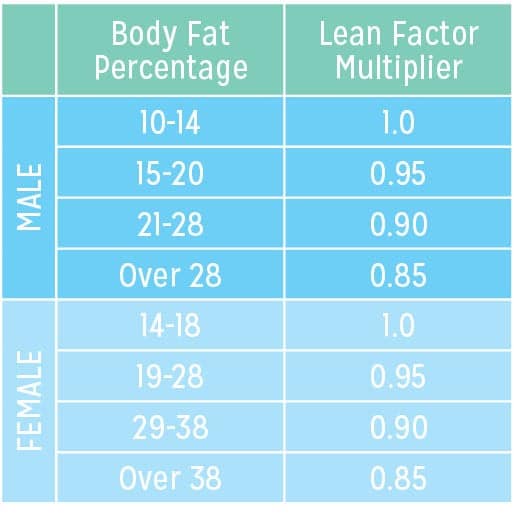
The true power of modern health tech lies in interoperability. Through APIs (Application Programming Interfaces), your smart scale (like Withings), your wearable (like Fitbit), and your nutrition app can all communicate. When you step on a smart scale and your body fat percentage is updated, that data is pushed to your nutrition software. The software then recalculates your caloric needs based on your new lean body mass. This automated ecosystem creates a feedback loop where the user is constantly informed of their requirements without having to perform a single manual calculation.
The Future of Precision Nutrition Tech: Bio-Convergence
As we look toward the future, the methods for determining caloric needs are moving inside the body. The convergence of biotechnology and digital monitoring is providing a level of “internal transparency” never before seen.
Continuous Glucose Monitors (CGMs) and Metabolic Health
Originally designed for diabetics, Continuous Glucose Monitors (CGMs) like those from Levels or Nutrisense are now being marketed to the general tech-savvy public. By wearing a small sensor that measures glucose levels in the interstitial fluid, users can see exactly how their blood sugar responds to specific caloric intakes. This tech is revolutionary because it moves past the “calorie is a calorie” debate. It shows that 500 calories of processed sugar might cause a massive glucose spike and subsequent crash (leading to hunger), whereas 500 calories of complex carbs and proteins might remain stable. This data allows users to fine-tune their intake based on their specific glycemic response, optimizing for energy levels rather than just weight metrics.
Nutrigenomics: Using DNA Sequencing to Refine Caloric Goals
The final frontier in knowing how many calories to eat is encoded in our DNA. Companies like 23andMe and specialized startups are now offering nutrigenomic reports. By analyzing genetic markers, software can determine if an individual has a genetic predisposition to higher fat oxidation or if they are “carb sensitive.” When this genetic data is uploaded into a nutrition AI, the resulting caloric and macronutrient recommendations are tailored to the user’s very blueprint. We are moving away from “How many calories should a human eat?” toward “How many calories should this specific genetic profile eat?”

Conclusion: Data as the Ultimate Nutritional Guide
In the modern landscape, the question “how to know how many calories to eat” is answered through a sophisticated stack of hardware and software. By utilizing AI-driven algorithms to establish a baseline, wearables to track real-time expenditure, and smart ecosystems to manage consumption, we have moved into an era of unprecedented nutritional clarity.
Technology has removed the guesswork, replacing it with a data-driven approach that respects individual biological variance. As we integrate more advanced tools like CGMs and genetic testing into our daily lives, our ability to synchronize our energy intake with our biological needs will only become more precise. For the tech-conscious individual, the path to optimal health is paved with data, and the tools to navigate that path are already in our hands.
aViewFromTheCave is a participant in the Amazon Services LLC Associates Program, an affiliate advertising program designed to provide a means for sites to earn advertising fees by advertising and linking to Amazon.com. Amazon, the Amazon logo, AmazonSupply, and the AmazonSupply logo are trademarks of Amazon.com, Inc. or its affiliates. As an Amazon Associate we earn affiliate commissions from qualifying purchases.