
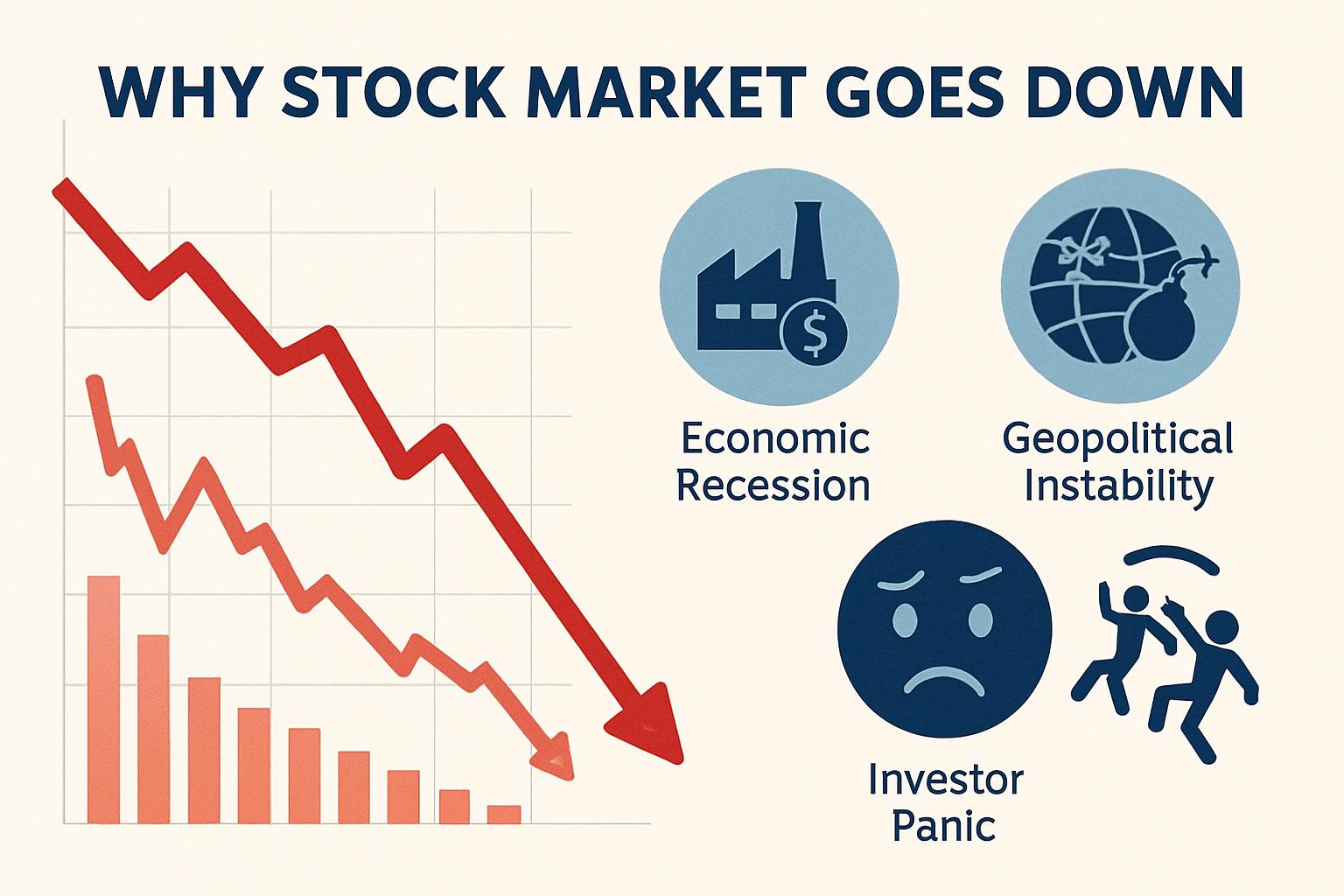
Seeing red across a brokerage dashboard is an experience that triggers a visceral reaction in even the most seasoned investors. When the major indices—the S&P 500, the Dow Jones Industrial Average, and the Nasdaq Composite—all retreat simultaneously, the immediate question is always: “Why?” Understanding why stocks are down today requires looking past the flickering tickers and into the complex machinery of global economics, corporate performance, and human psychology.
Market downturns are rarely the result of a single isolated event. Instead, they are typically the product of a convergence of factors that shift the balance between buyers and sellers. To navigate these periods of volatility, investors must deconstruct the narrative driving the sell-off and determine whether the decline represents a fundamental shift in the economy or a temporary emotional reaction from the “voting machine” that is the short-term stock market.
Macroeconomic Catalysts Behind the Current Downturn
The most frequent drivers of market-wide declines are macroeconomic in nature. Because the stock market is a forward-looking mechanism, it constantly attempts to price in future economic conditions. When those expectations turn sour, prices drop.
The Federal Reserve and Interest Rate Expectations
In the current financial landscape, the Federal Reserve is the primary architect of market sentiment. Interest rates are the “gravity” of the financial world; as rates rise, the valuations of stocks generally fall. Today’s downturn is likely tied to a shift in expectations regarding the Fed’s “higher-for-longer” stance. When the central bank hints at delaying rate cuts or suggests that inflation remains too “sticky,” investors recalibrate.
Higher interest rates increase the cost of borrowing for corporations, which eats into profit margins. Furthermore, they increase the “discount rate” used to value future cash flows. For high-growth companies, particularly in the tech sector, this makes their future earnings less valuable in today’s dollars, leading to a sharp sell-off in their share prices.
Inflationary Pressures and Consumer Sentiment
Inflation is the silent killer of purchasing power and corporate stability. When Consumer Price Index (CPI) data or Producer Price Index (PPI) data comes in hotter than expected, it signals that the Fed may need to keep the economy in a restrictive state for a longer period.
Additionally, persistent inflation erodes consumer confidence. Since consumer spending accounts for roughly two-thirds of the U.S. GDP, any sign that the American public is pulling back on discretionary spending—whether due to high gas prices, grocery bills, or rent—is interpreted by the market as a harbinger of a looming recession. Stocks fall today because the market fears a contraction in tomorrow’s economic activity.
Sector-Specific Performance and Corporate Earnings
While macro trends set the stage, individual corporate performances often provide the spark for a broader sell-off. In a highly concentrated market, where a handful of “megacap” stocks carry immense weight in the indices, a stumble by one giant can pull the entire market down.
The Weight of Large-Cap Earnings
We are currently in an era where the “Magnificent Seven” and other tech titans dictate the direction of the S&P 500. When these companies report earnings that miss analyst expectations—or even if they beat expectations but offer “weak guidance” for the next quarter—the impact is seismic.
Investors today are particularly sensitive to capital expenditure. For example, if a leading AI firm announces it is spending billions more than expected on infrastructure without a clear, immediate timeline for ROI, the market may punish the stock. Due to the weighted nature of our indices, a 3% drop in a trillion-dollar company can result in a significant “red day” for the broader market, regardless of how smaller companies are performing.
Supply Chain Disruptions and Margin Compression
Profitability is the ultimate North Star for stock prices. Today’s decline may be rooted in reports of margin compression. When companies face rising input costs—be it labor, raw materials, or shipping—and are unable to pass those costs on to consumers, their profit margins shrink.
Supply chain fragility remains a persistent concern. Any news of geopolitical blockades in shipping lanes or labor strikes in key manufacturing hubs can cause a sell-off in the industrial and consumer goods sectors. Investors see these disruptions as a direct threat to the bottom line, leading to a preemptive exit from those positions.
Global Geopolitical and Socio-Economic Factors
The financial markets do not exist in a vacuum. They are deeply interconnected with global politics, and uncertainty is the market’s greatest enemy. When geopolitical tensions flare, the “risk-off” sentiment takes hold, and capital flows out of stocks and into “safe-haven” assets like gold or Treasury bonds.
International Tensions and Energy Markets
Geopolitical instability, particularly in energy-rich regions, has a direct pipeline to the stock market. An escalation of conflict in the Middle East or Eastern Europe can cause a spike in crude oil prices. For most businesses, higher energy costs act as a tax on production and distribution.
When oil prices climb, the airline, transportation, and manufacturing sectors are hit first. However, the secondary effect is a broader concern about “stagflation”—a period of stagnant economic growth coupled with high inflation. If news breaks today regarding a potential disruption in global energy supplies, the market reacts almost instantly by de-risking equity portfolios.
Global Central Bank Synchronization
It isn’t just the U.S. Federal Reserve that matters. The actions of the European Central Bank (ECB), the Bank of Japan, and the People’s Bank of China all influence global liquidity. If major global economies show signs of slowing down simultaneously, or if foreign central banks raise rates unexpectedly, it can trigger a “carry trade” unwind. This is a technical market event where investors who borrowed money in low-interest currencies are forced to sell assets (like U.S. stocks) to cover their positions, adding immense downward pressure on prices.
Technical Market Mechanics and Psychology
Sometimes, stocks are down not because of a change in economic reality, but because of the internal mechanics of the market itself. The modern stock market is dominated by algorithms and high-frequency trading, which can amplify movements in either direction.
Algorithmic Trading and Liquidity Crunches
A significant portion of daily trading volume is executed by computers following specific technical triggers. If the S&P 500 drops below a “key moving average” (such as the 50-day or 200-day line), it can trigger a cascade of automated sell orders.
These “technical breakdowns” can turn a minor dip into a major rout. Furthermore, in periods of high volatility, liquidity—the ease with which one can buy or sell a stock without changing its price—can dry up. When there are fewer buyers willing to step in, the “bid-ask spread” widens, and prices can gap down aggressively on relatively low volume.
The Fear-Greed Index and Retail Sentiment
Human psychology remains a potent force. The “Fear-Greed Index” often swings to “Extreme Fear” during days like today. Once a decline starts, the psychological “herd mentality” can take over. Retail investors, seeing their portfolio values drop, may panic-sell to “protect what’s left,” which only serves to drive prices lower. This creates a feedback loop where the fear of a crash actually facilitates the decline. Understanding that market sentiment can decouple from fundamental value is crucial for maintaining a level head.
Strategic Responses for the Disciplined Investor
While a down market is uncomfortable, it is also a natural and necessary part of the market cycle. Historically, every market downturn has eventually been followed by a recovery and new all-time highs. The key to surviving and thriving is having a pre-determined strategy.
The Power of Dollar-Cost Averaging During Volatility
For the long-term investor, red days are essentially “sales” on future wealth. Dollar-cost averaging (DCA)—the practice of investing a fixed amount of money at regular intervals regardless of price—becomes most effective during downturns.
When stocks are down, your fixed investment buys more shares. When the market eventually recovers, those shares purchased at a discount provide the greatest contribution to your portfolio’s growth. Instead of trying to “time the bottom,” which is statistically impossible for most, maintaining a consistent investment schedule removes the emotional burden of market fluctuations.
Reassessing Risk Tolerance and Asset Allocation
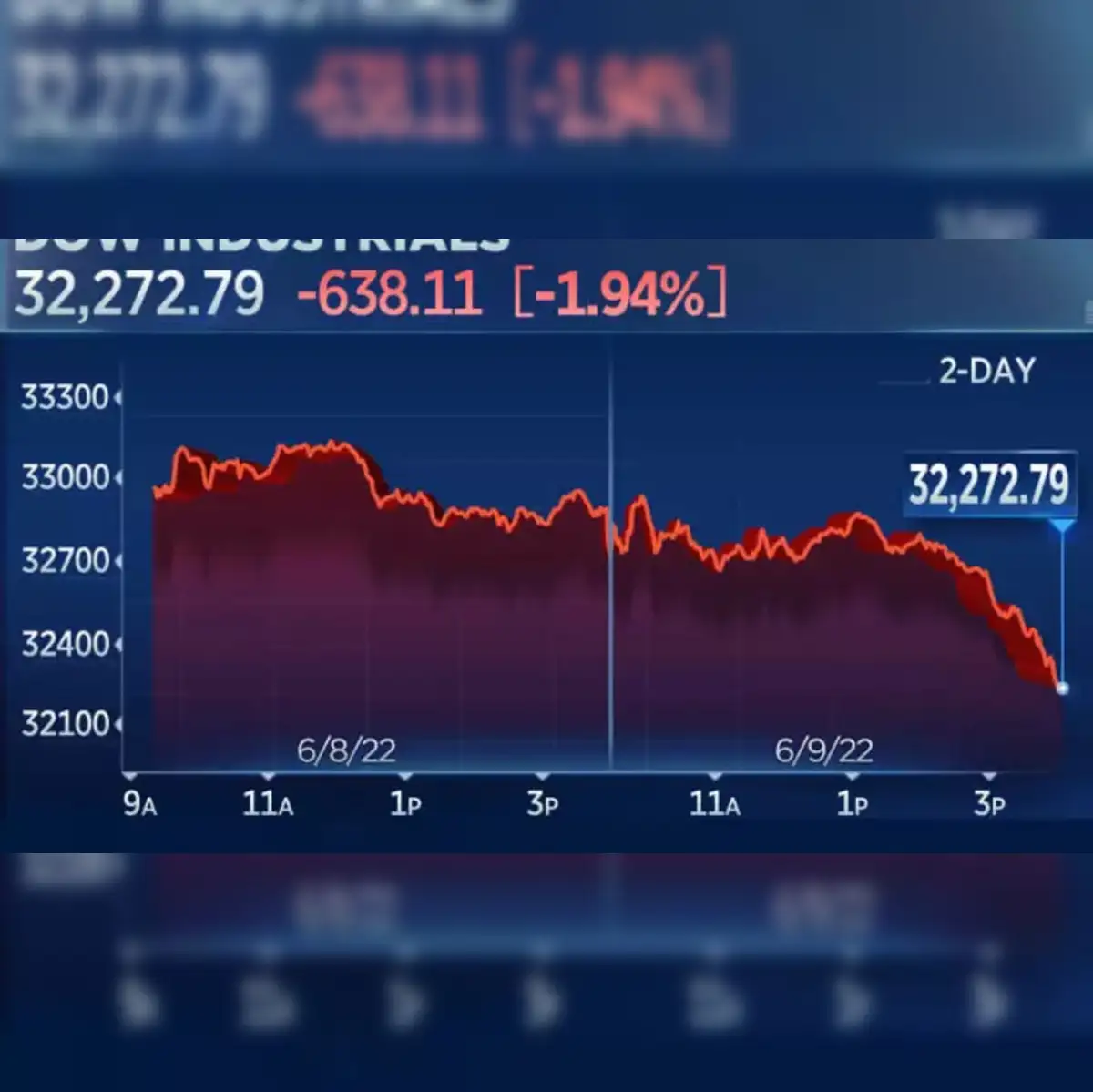
A significant market drop is a “stress test” for your portfolio. If the current decline is causing you to lose sleep or feel the urge to sell everything, it is a sign that your asset allocation may be too aggressive for your actual risk tolerance.
Professional investors use these periods to rebalance. Rebalancing involves selling assets that have performed well (like bonds or cash) to buy assets that have become undervalued (like stocks). This forced “buy low, sell high” discipline ensures that you are not over-exposed to one particular asset class. Use today’s volatility as a data point to refine your long-term plan, ensuring that your portfolio is structured to weather both the sun and the storm.
In conclusion, while the reasons why stocks are down today are multifaceted—ranging from Fed policy and inflation to geopolitical strife and technical triggers—the fundamental principles of successful investing remain unchanged. Market volatility is the “price of admission” for the long-term returns that equities provide. By understanding the causes and sticking to a disciplined financial strategy, you can transform market anxiety into a calculated opportunity for future growth.
aViewFromTheCave is a participant in the Amazon Services LLC Associates Program, an affiliate advertising program designed to provide a means for sites to earn advertising fees by advertising and linking to Amazon.com. Amazon, the Amazon logo, AmazonSupply, and the AmazonSupply logo are trademarks of Amazon.com, Inc. or its affiliates. As an Amazon Associate we earn affiliate commissions from qualifying purchases.