
The question “how many seasons is there in Walking Dead” typically yields a straightforward numerical answer: the flagship series concluded its historic run after 11 seasons. However, for brand strategists and media analysts, that number is merely the foundation of a much larger architectural feat. The Walking Dead has transcended its status as a mere television program to become a textbook example of brand scaling, intellectual property (IP) management, and the strategic evolution of a multi-platform universe.
What began as a niche black-and-white comic book has evolved into a multi-billion dollar brand ecosystem. To understand how eleven seasons of a single show transformed into an eternal “Walking Dead Universe” (TWDU), we must analyze the strategic maneuvers that allowed AMC Networks to maintain brand equity despite shifting consumer habits and the inevitable “zombie fatigue” of the mid-2010s.
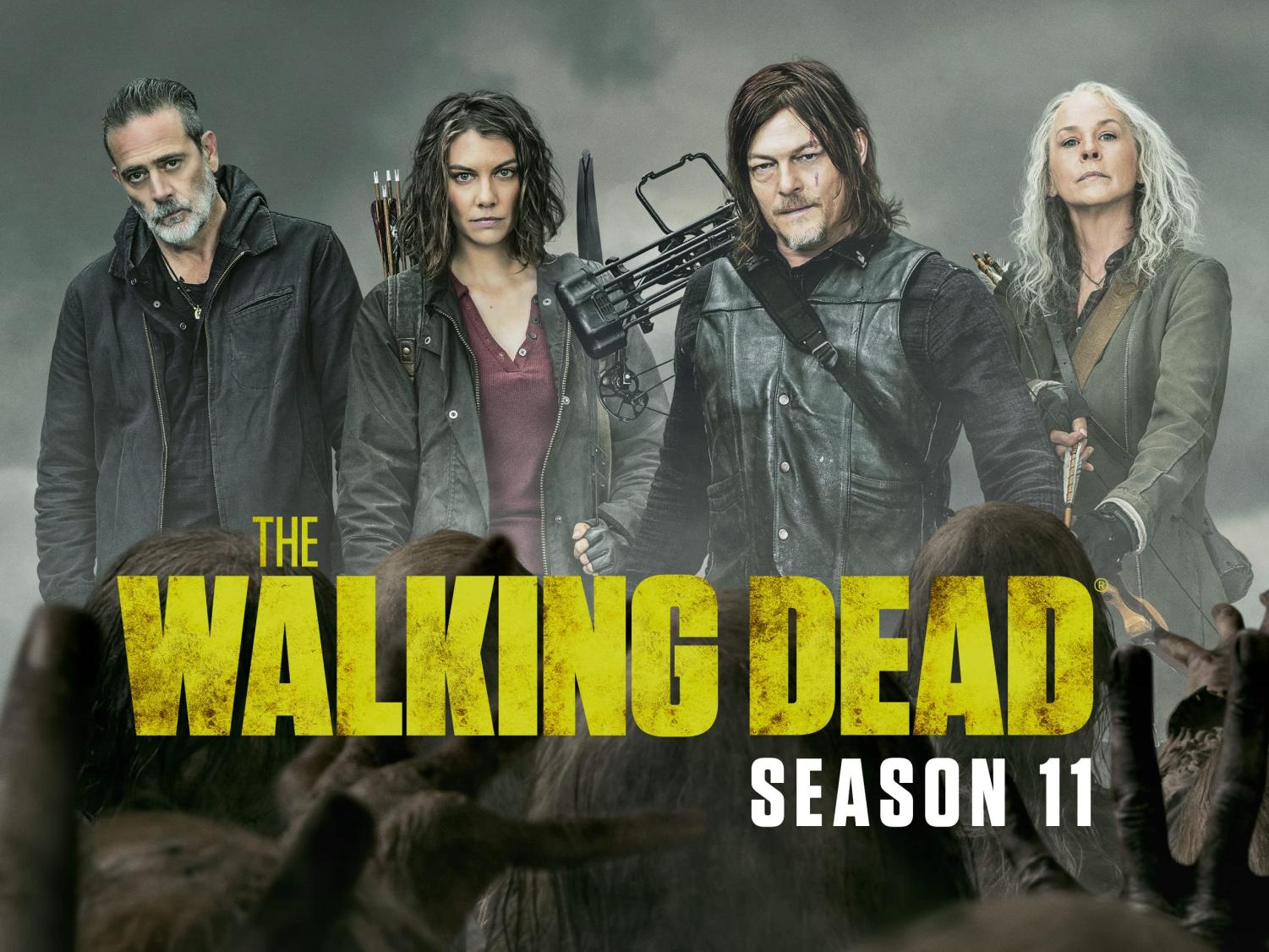
The Architecture of a Global Phenomenon: Building Brand Equity
When The Walking Dead premiered in 2010, its brand identity was built on “prestige horror”—a genre that had rarely been explored with high production values on basic cable. The success of those initial seasons was not accidental; it was the result of a rigorous adherence to a specific brand promise: a grounded, character-driven exploration of morality in an extreme environment.
From Niche Comic to Cultural Icon
The initial brand strategy leveraged the “indie” credibility of Robert Kirkman’s comic series while positioning the TV show as an elevated cinematic experience. By establishing a distinct visual language—gritty, desaturated, and visceral—the brand carved out a unique space in the “Golden Age of Television.” The brand wasn’t just about zombies; it was about the “walking dead” (the survivors). This distinction allowed the brand to pivot from a horror niche to a mainstream drama, significantly expanding its target demographic.
The Power of Narrative Consistency and Visual Identity
A brand is only as strong as its recognizability. The Walking Dead established iconic imagery—the “Don’t Open, Dead Inside” doors, Rick Grimes’ sheriff hat, and the distinct “walker” aesthetic—that became synonymous with the franchise. This visual consistency ensured that regardless of the season or the medium (video games, merchandise, or spinoffs), the consumer immediately recognized the IP. This high level of brand recall is what allowed the flagship series to sustain eleven seasons while simultaneously seeding the ground for an expansive universe.
Monetizing the Apocalypse: Strategic Brand Expansion
The transition from a single series to a “Universe” is a high-risk brand maneuver. If handled poorly, it leads to brand dilution. If handled well, it creates a self-sustaining ecosystem. AMC’s strategy with The Walking Dead moved beyond the eleven seasons of the core show to embrace a “transmedia” approach.
Spinoffs as Brand Extensions
When Fear the Walking Dead launched, it served as the first major brand extension. Strategically, this allowed the parent company to capture different segments of the market. While the flagship show was a sprawling epic, the spinoffs allowed for “boutique” storytelling.
- Targeted Demographic Reach: Spinoffs like World Beyond targeted younger demographics (YA), while Dead City and The Ones Who Live targeted legacy fans seeking closure for primary characters.
- Geographic Diversification: By moving the brand to locations like France (in the Daryl Dixon series) and New York City, the producers refreshed the visual palette, preventing the “brand stagnation” that often occurs when a series stays in one setting for too long.
Diversifying Touchpoints: Gaming and Merchandise
The brand’s longevity is further bolstered by its presence in non-broadcast sectors. The partnership with Telltale Games represented a masterstroke in brand alignment, winning “Game of the Year” awards and reinforcing the brand’s reputation for high-quality storytelling. By diversifying into mobile gaming, tabletop games, and high-end collectibles, the Walking Dead brand ensured it was present in the daily lives of its consumers, regardless of whether a new season was currently airing.

Navigating Brand Fatigue and Audience Retention
Every long-running brand faces the “lifecycle curve,” where initial growth eventually leads to maturity and potential decline. For The Walking Dead, the challenge was maintaining relevance over a decade in an increasingly crowded streaming landscape. The strategy to combat brand fatigue involved a sophisticated pivot from “mass appeal” to “community-centric” engagement.
The Pivot to “Universe” Building
In the latter seasons of the flagship show, the brand messaging shifted. It was no longer about a single show ending; it was about the birth of the “Walking Dead Universe” (TWDU). This rebranding exercise was critical. By framing the end of the eleventh season as a “new beginning” rather than a finale, the brand managers successfully migrated a significant portion of the audience to the newer spinoffs. This is a classic corporate strategy: transitioning customers from a sunsetting product to a new suite of services within the same brand family.
Rebranding for a New Generation
To stay relevant, the brand had to modernize. This meant adopting a more digital-forward marketing strategy, utilizing social media “moments,” and leaning into the “fandom economy.” The brand moved away from traditional billboard advertising and toward interactive experiences at events like San Diego Comic-Con. By fostering a sense of community and “ownership” among fans, the brand created a defensive moat that protected it from the fluctuations of traditional TV ratings.
Lessons in Corporate Identity and IP Management
The story of The Walking Dead’s eleven seasons and subsequent expansions offers invaluable lessons for any brand looking to build a long-term identity. It highlights the importance of IP ownership and the ability to adapt to changing market conditions without losing the core “soul” of the brand.
Ownership and Control: The AMC Model
One of the most significant strategic moves in the history of the brand was AMC’s decision to own the IP entirely. Unlike other shows where a network might just license the content, AMC’s ownership of The Walking Dead allowed for total vertical integration. They controlled the production, the marketing, the distribution, and the digital rights. This control is what allowed them to orchestrate the “universe” expansion so seamlessly. In branding, control over the narrative and the distribution channels is the ultimate competitive advantage.
Global Syndication as Brand Presence
The brand’s reach was not limited to North America. Through strategic international syndication deals, The Walking Dead became a global export. The brand was translated into dozens of languages and aired in over 120 countries. This global footprint ensured that even if domestic interest wavered, the brand remained a powerhouse internationally. For a corporate entity, this geographical diversification acts as a hedge against market-specific downturns.

Conclusion: The Infinite Season
While the literal answer to “how many seasons is there in Walking Dead” is eleven, the brand’s strategic reality is that it has entered a state of “infinite seasons.” Through clever brand architecture, disciplined IP management, and a willingness to evolve, The Walking Dead has avoided the typical obsolescence that plagues most television franchises.
The franchise serves as a blueprint for how a brand can cultivate a loyal following, expand its territory through calculated risk, and maintain a premium identity even as it scales. It proves that with the right brand strategy, the end of a product’s lifecycle (the series finale) can actually be the most profitable phase of its existence. The “Walking Dead” brand is no longer just a story about surviving an apocalypse; it is a story of how a brand can survive—and thrive—in the volatile landscape of modern media.
aViewFromTheCave is a participant in the Amazon Services LLC Associates Program, an affiliate advertising program designed to provide a means for sites to earn advertising fees by advertising and linking to Amazon.com. Amazon, the Amazon logo, AmazonSupply, and the AmazonSupply logo are trademarks of Amazon.com, Inc. or its affiliates. As an Amazon Associate we earn affiliate commissions from qualifying purchases.