
The question of “how much is a Tesla” used to have a straightforward, premium answer. However, as the electric vehicle (EV) market matures and Tesla’s production scales, the financial reality of owning one has become a multifaceted equation. For the modern consumer, the “cost” is no longer just the sticker price; it is a combination of the initial investment, government incentives, long-term operational savings, and the volatility of resale value.
In the current economic landscape, purchasing a Tesla is as much a financial strategy as it is a lifestyle choice. To understand the true cost, one must look beyond the checkout screen on Tesla’s website and analyze the total cost of ownership (TCO).
Decoding the Initial Investment: Purchase Price Across the Lineup
The first step in answering “how much is a Tesla” is identifying which segment of the market you are entering. Tesla has strategically bifurcated its lineup into “mass-market” vehicles and “premium” flagship models.
Entry-Level Accessibility: The Model 3 and Model Y
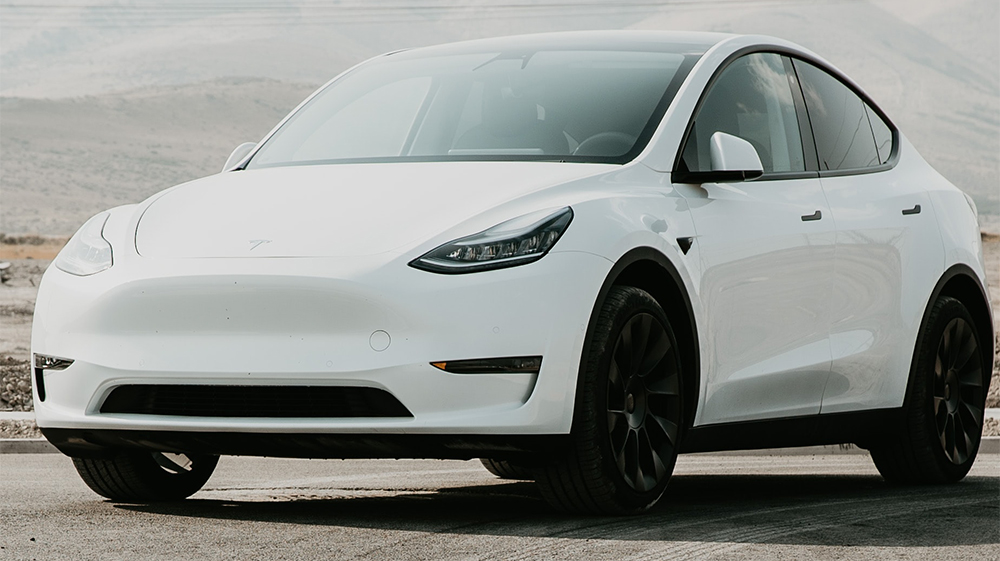
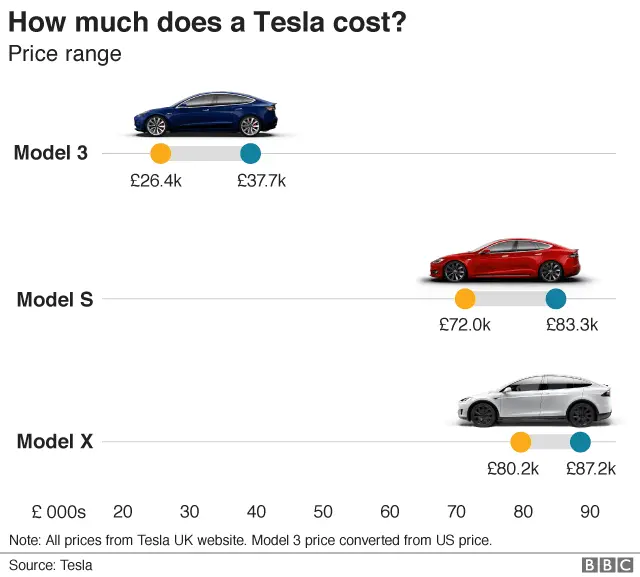
The Model 3 and Model Y represent the bulk of Tesla’s sales and are the primary drivers of EV adoption. As of the current market cycle, the Model 3 often starts in the high-$30,000 to low-$40,000 range. It is positioned as the entry point for those looking for a high-tech sedan. The Model Y, which shares much of its architecture with the Model 3 but offers a crossover SUV form factor, typically commands a premium of $4,000 to $7,000 over the sedan. These prices fluctuate frequently as Tesla adjusts to supply chain efficiencies and competitive pressures from legacy automakers.
The Premium Tier: Model S and Model X
For those seeking luxury performance and utility, the Model S (sedan) and Model X (SUV) represent a significant step up in capital expenditure. These vehicles typically start between $75,000 and $80,000, with high-performance “Plaid” variants exceeding $90,000. These models are aimed at the high-net-worth individual for whom the initial price is secondary to performance metrics and brand prestige. From a financial perspective, these vehicles carry higher depreciation risks but offer the pinnacle of the company’s current hardware capabilities.
Options and Add-ons: The Hidden Costs
The base price is rarely the final price. Tesla’s configurator includes several high-margin upgrades that can bloat the final invoice. Paint colors other than the standard option can cost between $1,000 and $2,000. Interior upgrades and wheel configurations add thousands more. Most significantly, the “Full Self-Driving” (FSD) capability—a software suite that provides advanced driver assistance—can add up to $8,000 to $12,000 upfront, or a monthly subscription fee. For the budget-conscious investor, these add-ons often represent a poor “return on investment” as they do not always correlate 1:1 with increased resale value.
Incentives and Offsets: Reducing the Net Cost
When calculating the cost of a Tesla, the “out-of-door” price is often mitigated by an array of fiscal incentives designed to promote the transition to sustainable energy. These incentives turn a high-sticker-price vehicle into a much more competitive financial prospect.
Federal Tax Credits and the Inflation Reduction Act
In the United States, the Inflation Reduction Act (IRA) has fundamentally changed the pricing structure of Teslas. Depending on the model and the sourcing of battery components, many Tesla vehicles qualify for a federal tax credit of up to $7,500. Crucially, as of 2024, this credit can often be applied at the point of sale, effectively acting as a down payment provided by the government. However, there are income caps for the buyer and MSRP caps for the vehicle (typically $55,000 for sedans and $80,000 for SUVs), making it essential for buyers to verify their eligibility before committing to the purchase.
State-Level Rebates and Local Perks
Beyond federal assistance, many states offer additional financial “carrots.” States like California, Colorado, and Massachusetts have historically offered rebates ranging from $1,500 to $5,000. Additionally, many local utility companies offer rebates for installing a home charging station (Wall Connector), which can cost around $450 plus installation. When aggregated, these incentives can reduce the effective cost of a Model 3 to a level comparable to a mid-range Toyota Camry or Honda Accord.
Total Cost of Ownership: Beyond the Sticker Price

The true financial brilliance of a Tesla—and EVs in general—lies in the operational expenditure (OPEX). While the capital expenditure (CAPEX) is high, the day-to-day costs of running the vehicle are significantly lower than those of internal combustion engine (ICE) vehicles.
Energy vs. Fuel: Calculating Charging Savings
The most immediate financial relief comes from the pump—or the lack thereof. Charging a Tesla at home is significantly cheaper than refueling a gasoline vehicle. On average, the cost per mile for electricity is about one-third to one-quarter the cost of gasoline. For a driver covering 15,000 miles a year, this can result in annual savings of $1,000 to $2,000. Even when using Tesla’s Supercharger network during long trips, the cost remains competitive with or lower than premium gasoline, though home charging remains the most cost-effective strategy.
Maintenance and Insurance: The EV Advantage
Teslas have fewer moving parts than traditional cars. There are no oil changes, spark plugs, timing belts, or transmissions to service. Regenerative braking also significantly extends the life of brake pads, often lasting over 100,000 miles. However, it is important to note that Tesla insurance can be higher than average. Because of the specialized aluminum bodywork and the high cost of sensor-laden components, repairs can be expensive. Many owners opt for Tesla’s in-house insurance (where available), which uses real-time driving behavior to calculate premiums, often offering lower rates for safe drivers.
Resale Value and Depreciation: Is a Tesla a Sound Investment?
Historically, Teslas held their value better than almost any other vehicle on the market. However, recent years have introduced volatility into the used Tesla market, making it a critical consideration for any buyer.
Market Volatility and Price Adjustments
In 2023 and 2024, Tesla implemented several aggressive price cuts on its new vehicles to maintain market share and stimulate demand. While this was great for new buyers, it caused a sharp drop in the resale value of existing Teslas. If the price of a new Model Y drops by $10,000 overnight, the value of a used Model Y drops accordingly. Investors and buyers must view a Tesla as a depreciating asset, much like a smartphone or a laptop, rather than a “store of value.”
Retained Value Compared to ICE Vehicles
Despite the recent volatility, Teslas still tend to perform well in terms of long-term depreciation compared to luxury German competitors like BMW or Mercedes-Benz. The demand for used EVs is growing, fueled by a $4,000 federal tax credit for used EV purchases (subject to price and income limits). Furthermore, Tesla’s over-the-air (OTA) software updates mean that a five-year-old Tesla often has the same software features as a brand-new one, helping the vehicle feel less “obsolete” and bolstering its value on the secondary market.
Financing and Leasing Strategies
The final component of “how much is a Tesla” is the cost of capital. How you pay for the car is just as important as what you pay.
Direct Financing vs. Traditional Bank Loans
Tesla offers seamless financing through its app, partnering with various financial institutions to offer competitive rates. However, savvy buyers should always shop around. Credit unions often provide lower interest rates for “green vehicle” loans. A 1% or 2% difference in interest rates over a 72-month loan can result in thousands of dollars in savings.
The Pros and Cons of Tesla Leasing
Leasing a Tesla is an attractive option for those who want to avoid the risks of depreciation and price volatility. It allows the consumer to “rent” the vehicle during its most reliable years and swap it for a newer model with better battery technology later. However, Tesla’s lease terms are often strict—most notably, they traditionally do not allow lessees to buy out the vehicle at the end of the term (though this policy has shifted for certain models). For a business owner, leasing can also offer tax advantages as a deductible business expense, making it a strategic financial move for those using the vehicle for professional purposes.
Conclusion
So, how much is a Tesla? The answer is a moving target. While the sticker price might suggest a luxury expenditure, the combination of tax incentives, dramatically lower fuel and maintenance costs, and strategic financing can bring the cost of ownership down to the level of a mass-market economy car.
To make a sound financial decision, a buyer must calculate their personal “break-even” point. By analyzing the net purchase price after incentives and factoring in the projected energy savings over five years, it becomes clear that a Tesla is not just a purchase—it is a long-term financial shift in how one allocates their transportation budget. In the transition to the electric era, the winners will be those who look past the initial price tag and understand the broader economics of the EV ecosystem.
aViewFromTheCave is a participant in the Amazon Services LLC Associates Program, an affiliate advertising program designed to provide a means for sites to earn advertising fees by advertising and linking to Amazon.com. Amazon, the Amazon logo, AmazonSupply, and the AmazonSupply logo are trademarks of Amazon.com, Inc. or its affiliates. As an Amazon Associate we earn affiliate commissions from qualifying purchases.