
Aging is an inevitable, universal, and deeply personal experience. It’s a process that touches every living organism, yet its definition and implications are far from simple. As we navigate our lives, the passage of time reshapes not only our physical selves but also our perceptions, our financial landscapes, and even how we interact with the world through technology. This exploration delves into the multifaceted nature of aging, considering its biological underpinnings, its societal and personal dimensions, and how advancements in technology and strategic thinking are increasingly influencing our understanding and experience of growing older.
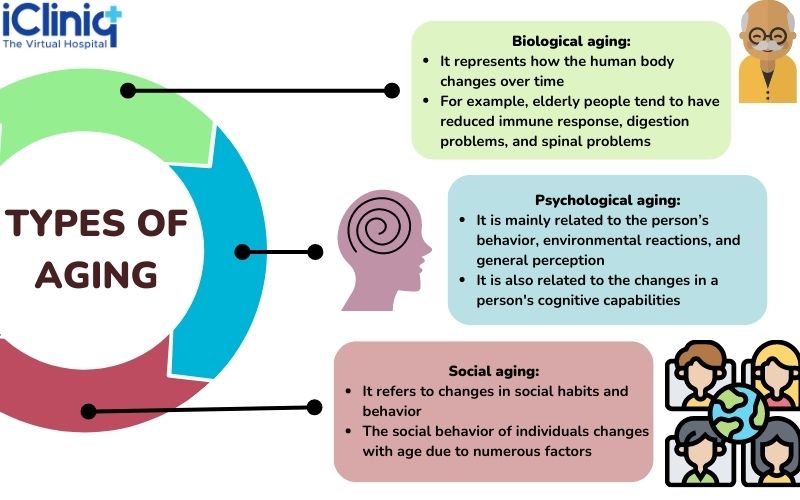
The very question, “what is aging?” can be answered on multiple levels. Biologically, it’s a complex cascade of cellular damage, genetic alterations, and physiological decline. Societally, it’s a period often associated with retirement, wisdom, and a changing role in family and community. Personally, it’s a journey of self-discovery, adaptation, and a reevaluation of priorities. And in the modern era, it’s also a concept increasingly intertwined with technological innovation, brand perception, and financial planning.
The Biological Tapestry of Time: From Cells to Systems
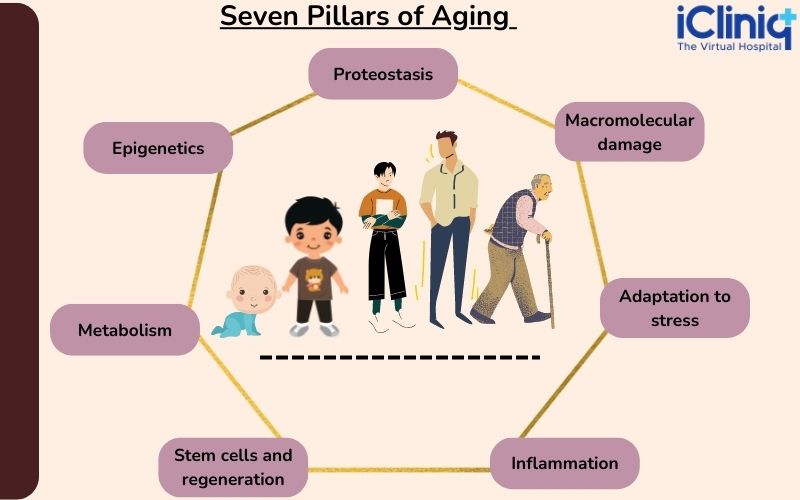
At its core, aging is a biological phenomenon. It’s not a disease, but rather a natural progression that, over time, leads to a gradual decline in the efficiency and resilience of our bodies’ systems. While the exact mechanisms are still a subject of intense scientific research, several key theories and observable changes contribute to our understanding of biological aging.
Cellular Sentinels: The Building Blocks of Time
The fundamental units of life, our cells, are at the forefront of the aging process. Over time, cells accumulate damage from various sources, including oxidative stress caused by free radicals, errors in DNA replication, and telomere shortening.
Telomeres and the Clock of Replication: Imagine telomeres as protective caps at the ends of our chromosomes, similar to the plastic tips on shoelaces that prevent fraying. Each time a cell divides, these telomeres get a little shorter. Eventually, they become too short to protect the DNA, signaling the cell to stop dividing or to undergo programmed cell death (apoptosis). This progressive shortening of telomeres is often referred to as the “replicative senescence” and acts as an internal biological clock. While not the sole determinant of aging, telomere length is a significant biomarker.
Mitochondrial Dysfunction and Energy Decline: Mitochondria are the powerhouses of our cells, responsible for generating energy. With age, mitochondria become less efficient and can produce more harmful byproducts, such as reactive oxygen species (ROS). This “mitochondrial dysfunction” contributes to cellular energy deficits and increased oxidative stress, further accelerating damage to other cellular components.
Cellular Senescence and the “Zombie” Effect: As cells age and accumulate damage, they can enter a state called cellular senescence. These senescent cells don’t divide anymore but remain metabolically active, often secreting pro-inflammatory molecules. While senescence can be beneficial in preventing cancer by stopping damaged cells from proliferating, the accumulation of senescent cells with age can contribute to chronic inflammation, tissue dysfunction, and the development of age-related diseases. These “zombie cells” can disrupt the normal function of surrounding tissues.
Systemic Shifts: The Interconnectedness of Decline
Beyond individual cells, aging affects entire organ systems, leading to a cascade of physiological changes.
The Immune System’s Waning Defenses: The immune system, our body’s defense against pathogens, undergoes significant changes with age, a phenomenon known as immunosenescence. This decline in immune function makes older adults more susceptible to infections and less responsive to vaccines. It also contributes to a chronic low-grade inflammation, often termed “inflammaging,” which is linked to many age-related diseases.
Cardiovascular Changes: A Stronger, Yet More Fragile Heart: The cardiovascular system also experiences age-related changes. Arteries can become stiffer and narrower due to the buildup of plaque, leading to increased blood pressure and a higher risk of heart disease and stroke. The heart muscle itself may become less efficient at pumping blood.
Neurological Adaptations: The Evolving Brain: The brain, while remarkably adaptable, also undergoes changes with age. There can be a gradual loss of neurons, changes in neurotransmitter systems, and a decline in certain cognitive functions like processing speed and memory recall. However, it’s crucial to emphasize that cognitive decline is not an inevitable consequence of aging for everyone, and many older adults maintain sharp minds and continue to learn and grow.
The Human Experience: Navigating Aging Through Personal and Societal Lenses
While biology provides the framework, our experience of aging is profoundly shaped by our individual journeys, our societal contexts, and our ability to adapt and thrive. This is where personal branding, financial strategies, and technological integration become increasingly relevant.
Personal Branding: Crafting Your Narrative of Experience
In an era where individuals are increasingly recognized as brands, the concept of “personal branding” extends far beyond professional careers. As we age, our personal brand evolves, reflecting our accumulated wisdom, expertise, and life experiences.
The Wisdom of Experience as a Brand Asset: Older adults often possess a wealth of knowledge and a unique perspective cultivated over decades. Effectively communicating this “wisdom of experience” can be a powerful aspect of a personal brand. This might involve mentoring younger generations, sharing insights through writing or speaking, or leveraging their established networks.
Adapting Your Brand to New Life Stages: Aging often brings about significant life transitions – retirement, shifts in family dynamics, or a renewed focus on personal pursuits. A successful personal brand in later life involves adapting and evolving to reflect these new realities. This could mean rebranding to emphasize volunteer work, artistic endeavors, or a continued commitment to learning.
Leveraging Digital Platforms for Brand Expression: Technology offers powerful tools for individuals to curate and project their personal brands. Social media platforms, personal websites, and online portfolios allow older adults to connect with others, share their stories, and maintain a vibrant online presence. This can combat social isolation and foster a sense of continued relevance.
Financial Foundations: Securing Your Future Through Smart Money Management
Financial well-being is a cornerstone of a secure and fulfilling later life. The challenges and opportunities of aging are inextricably linked to our financial planning and management.
The Evolution of Financial Goals: As individuals age, their financial priorities often shift. Early career goals might focus on accumulating wealth, while later life might emphasize preserving capital, generating reliable income streams, and ensuring financial security for oneself and potentially for heirs.
Investing for Longevity: Beyond Traditional Retirement: The concept of “retirement” is also evolving. Many individuals are choosing to work longer, pursue second careers, or engage in entrepreneurial activities well into their later years. This necessitates flexible investment strategies that can support extended periods of earning and spending.
Online Income and Side Hustles: The Digital Entrepreneurial Spirit: The digital economy has opened up new avenues for income generation at any age. Online courses, freelance work, affiliate marketing, and selling digital products are just a few examples of how older adults can leverage their skills and interests to supplement their income, maintain financial independence, and stay engaged. Platforms and tools exist to facilitate these ventures, making them more accessible than ever.
Financial Tools and Digital Security: Managing finances in the modern world requires embracing digital tools. Online banking, budgeting apps, investment platforms, and financial advisory services can streamline financial management. However, it’s crucial to be aware of the associated risks, particularly regarding digital security. Protecting personal and financial information from scams and cyber threats is paramount.
Technology’s Embrace: Enhancing and Redefining the Aging Experience
Technology is no longer a domain solely for the young. It is rapidly becoming an indispensable tool for supporting, enhancing, and even redefining the aging experience. From healthcare to social connection, technology offers solutions that can mitigate the challenges of aging and unlock new opportunities.
Tech for Health and Wellness: Proactive Aging
Advancements in technology are revolutionizing how we monitor, manage, and even proactively address age-related health concerns.
Wearable Devices and Health Monitoring: Smartwatches, fitness trackers, and other wearable devices can continuously monitor vital signs like heart rate, blood pressure, sleep patterns, and activity levels. This data can provide valuable insights for individuals and their healthcare providers, enabling early detection of potential issues and personalized health interventions.
Telemedicine and Remote Care: The rise of telemedicine allows individuals to consult with doctors and specialists remotely, reducing the need for travel and making healthcare more accessible, especially for those with mobility challenges. This can lead to more proactive health management and timely interventions.
AI in Diagnostics and Personalized Medicine: Artificial intelligence (AI) is showing immense promise in healthcare. AI algorithms can analyze medical images for early disease detection, assist in drug discovery, and even help personalize treatment plans based on an individual’s genetic makeup and health data. This “precision medicine” approach holds the potential to significantly improve health outcomes for older adults.
Connectivity and Social Engagement: Bridging Gaps
One of the most significant challenges faced by older adults can be social isolation. Technology offers powerful solutions for maintaining connections and fostering community.
Social Media and Digital Communities: Platforms like Facebook, Instagram, and dedicated online forums allow older adults to connect with family, friends, and people who share similar interests, regardless of geographical distance. These digital communities can provide a sense of belonging and reduce feelings of loneliness.
Virtual Reality (VR) and Immersive Experiences: VR technology offers new ways to experience the world. Older adults can use VR to virtually travel to distant locations, revisit cherished memories, engage in simulated exercises, or even participate in social gatherings, offering enriching and stimulating experiences.
Smart Home Technology for Independence: Smart home devices – voice-activated assistants, automated lighting and temperature controls, and safety sensors – can significantly enhance the independence and safety of older adults living at home. These technologies can simplify daily tasks, provide reminders, and offer peace of mind for both individuals and their families.
Digital Literacy and Accessibility: Empowering the Connected Senior
A critical aspect of technology’s role in aging is ensuring digital literacy and accessibility for all.
Tutorials and Educational Resources: As technology evolves, so does the need for accessible learning. Online tutorials, workshops, and user-friendly interfaces are crucial for empowering older adults to confidently navigate digital tools and platforms.
Intuitive Design and User-Friendly Interfaces: Technology developers are increasingly recognizing the importance of designing for an aging population. This means creating apps and gadgets with larger fonts, simpler navigation, and voice-activated controls, making technology more approachable and less intimidating.
Digital Security Education: As more older adults engage with the digital world, education on digital security and fraud prevention becomes paramount. Understanding how to identify phishing scams, protect personal information, and use strong passwords is vital for maintaining their financial and personal safety.
Conclusion: Embracing the Full Spectrum of Aging
Aging is not a monolithic experience; it is a dynamic, multifaceted journey influenced by biology, personal choices, societal structures, and technological advancements. Understanding “what is aging” requires us to look beyond simple definitions and embrace its complexity. From the intricate workings of our cells to the strategic cultivation of our personal brands and financial futures, and the ever-evolving landscape of technology that can support and enhance our lives, aging is a continuous process of adaptation, growth, and reinvention.
By leveraging the insights from technological innovation, embracing robust financial planning, and actively shaping our personal narratives, we can navigate the aging process with greater confidence, purpose, and well-being. The future of aging is not just about living longer, but about living richer, more connected, and more fulfilling lives, empowered by the tools and knowledge available to us in the 21st century. The journey of aging, when approached with intention and supported by the right resources, can be a period of profound fulfillment and continued contribution.
aViewFromTheCave is a participant in the Amazon Services LLC Associates Program, an affiliate advertising program designed to provide a means for sites to earn advertising fees by advertising and linking to Amazon.com. Amazon, the Amazon logo, AmazonSupply, and the AmazonSupply logo are trademarks of Amazon.com, Inc. or its affiliates. As an Amazon Associate we earn affiliate commissions from qualifying purchases.