
In today’s rapidly evolving landscape, particularly within the realms of technology, branding, and finance, making informed decisions is paramount. Whether you’re a tech enthusiast evaluating the latest AI tools, a marketer strategizing a brand’s digital presence, or an investor seeking the most reliable financial insights, you’re constantly sifting through a deluge of information. But how do we truly discern what works, what’s effective, and what’s backed by robust evidence? This is where the power of a meta-analysis study comes into play.
While the term might sound academic, its implications are far-reaching and directly relevant to professionals and individuals navigating the complexities of modern business and personal development. A meta-analysis isn’t just another research paper; it’s a sophisticated statistical technique that synthesizes the findings of multiple independent studies on a specific topic, allowing for a more comprehensive and conclusive understanding than any single study could offer.
The Genesis of Meta-Analysis: Beyond a Single Voice
Imagine you’re researching the efficacy of a new productivity app. You find a handful of user reviews, a couple of blog posts detailing its features, and perhaps one or two small-scale studies on its impact. Each offers a different perspective, with varying degrees of enthusiasm or skepticism. How do you arrive at a balanced, evidence-based conclusion? This is the problem meta-analysis aims to solve.
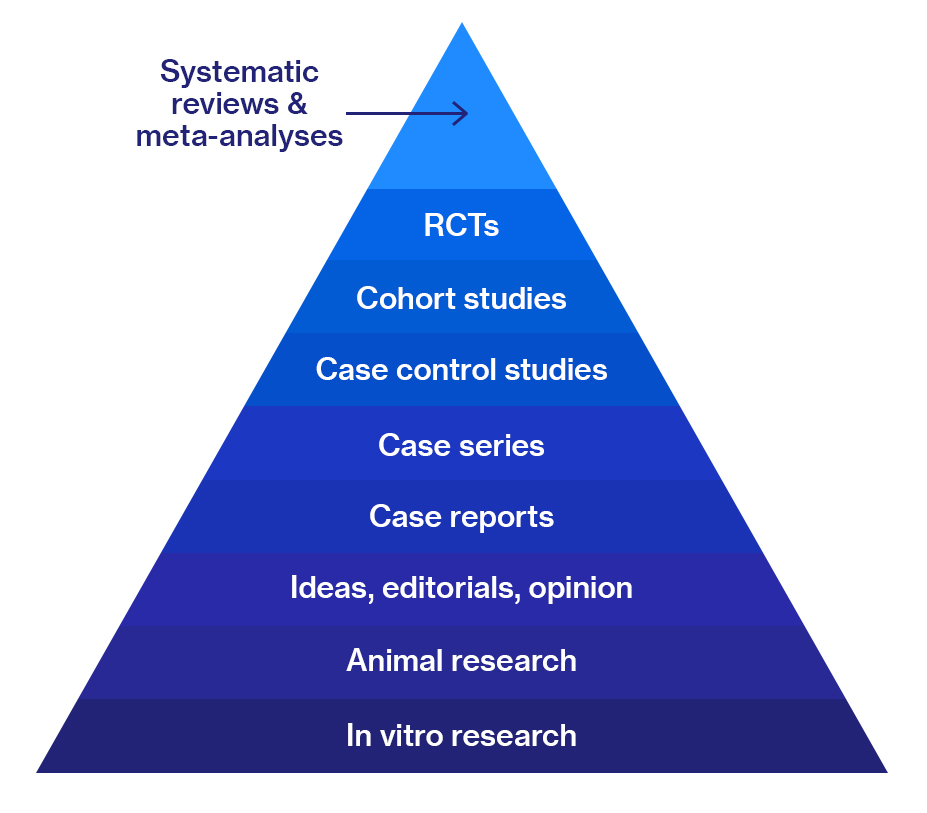
At its core, a meta-analysis is a “study of studies.” It’s a systematic approach to quantitatively combine the results of existing research to derive an overall effect size and assess the consistency of findings across different studies. This isn’t simply a literature review; it goes a step further by applying statistical methods to pool data, identify patterns, and quantify the magnitude of an effect.
Why Do We Need Meta-Analysis?
The sheer volume of research generated across technology, brand strategy, and personal finance is staggering. A single, well-designed study might offer valuable insights, but it’s often limited by its sample size, specific context, or methodological nuances. Without a broader perspective, it can be difficult to:
- Establish Generalizability: Does a finding from a study conducted in one country or with a specific demographic hold true elsewhere or for other groups?
- Increase Statistical Power: By pooling data from multiple studies, a meta-analysis can detect effects that might be too small to be found in individual studies, thereby increasing the reliability of the conclusions.
- Resolve Conflicting Results: When studies offer contradictory findings, a meta-analysis can help identify the reasons for these discrepancies and determine the overall trend.
- Identify Gaps in Research: The process of conducting a meta-analysis often highlights areas where further research is needed.
For instance, in the realm of Tech, imagine numerous studies investigating the impact of a new AI tool on customer service response times. Some might show significant improvements, while others show marginal gains or even no effect. A meta-analysis could aggregate the data from all these studies to provide a more accurate estimate of the AI tool’s true impact, taking into account variations in implementation, sample sizes, and methodologies.
Similarly, in Brand strategy, multiple studies might explore the effectiveness of different social media marketing tactics. A meta-analysis could synthesize these findings to determine which tactics are consistently associated with increased brand engagement or conversion rates across various industries and platforms.
And in Money, when countless articles and studies dissect investment strategies, a meta-analysis could consolidate the results of randomized controlled trials on the long-term performance of different asset classes or financial advice methodologies, offering a more robust basis for investment decisions.
The Mechanics of a Meta-Analysis: A Systematic Journey
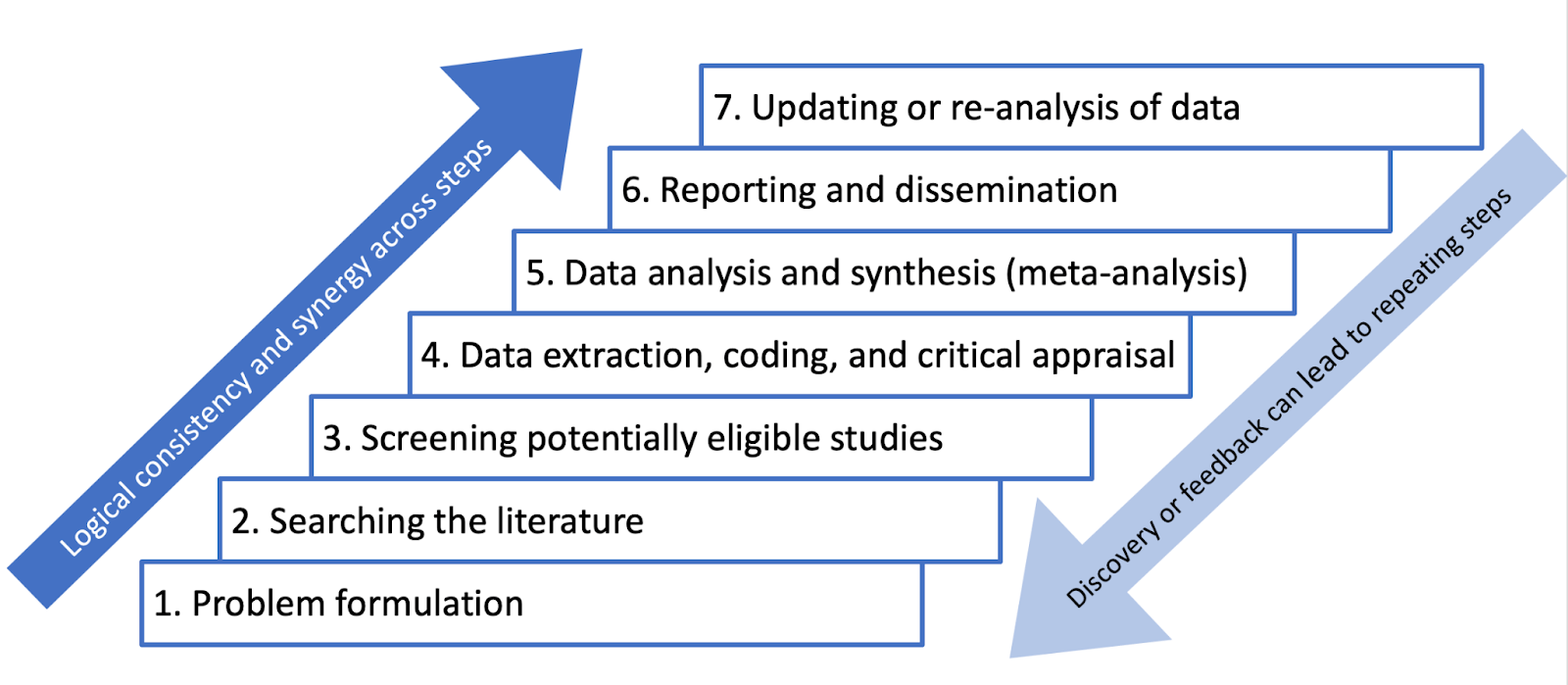
Conducting a meta-analysis is a rigorous and systematic process. It’s not a casual undertaking but a carefully planned research endeavor. Here’s a breakdown of the key stages involved:
1. Defining the Research Question and Inclusion Criteria
The first and most crucial step is to formulate a clear, focused research question. This question guides the entire process. For example: “What is the effect of using AI-powered chatbots on customer satisfaction in e-commerce?”
Once the question is defined, strict inclusion and exclusion criteria are established for selecting studies. These criteria might relate to:
- Study Design: Should only randomized controlled trials be included, or can observational studies be considered?
- Participant Characteristics: What age groups, geographical locations, or specific demographics should the studies focus on?
- Intervention/Exposure: What specific technology, brand strategy, or financial approach is being investigated?
- Outcome Measures: What specific metrics are considered relevant (e.g., customer satisfaction scores, brand recall, investment returns)?
- Publication Date: Are only recent studies relevant, or is historical data important?
- Language: Are studies published in specific languages acceptable?
This meticulous selection process ensures that the studies included in the meta-analysis are comparable and relevant to the research question, minimizing bias.
2. Comprehensive Literature Search
A thorough and systematic search of relevant databases is conducted to identify all eligible studies. This typically involves:
- Electronic Databases: Accessing academic databases like PubMed, Scopus, Web of Science, PsycINFO, Google Scholar, and industry-specific repositories.
- Grey Literature: Searching for unpublished studies, conference proceedings, dissertations, and technical reports to avoid publication bias (the tendency for studies with positive results to be published more readily).
- Citation Chasing: Reviewing the reference lists of identified studies to find additional relevant research.
The goal is to be as exhaustive as possible to capture the full spectrum of existing research.
3. Data Extraction and Quality Assessment
Once studies are identified, trained researchers carefully extract relevant data from each study. This typically includes:
- Study characteristics: Authors, publication year, study design, sample size, participant demographics.
- Intervention details: Specific technologies used, marketing campaign parameters, investment strategies.
- Outcome data: Means, standard deviations, effect sizes, p-values, correlation coefficients, or other relevant statistics.
Simultaneously, the quality of each included study is assessed using standardized tools and checklists. This helps to identify potential biases and limitations within individual studies, which can then be accounted for in the meta-analysis. Studies with significant methodological flaws might be excluded or weighted less in the analysis.
4. Statistical Synthesis of Results
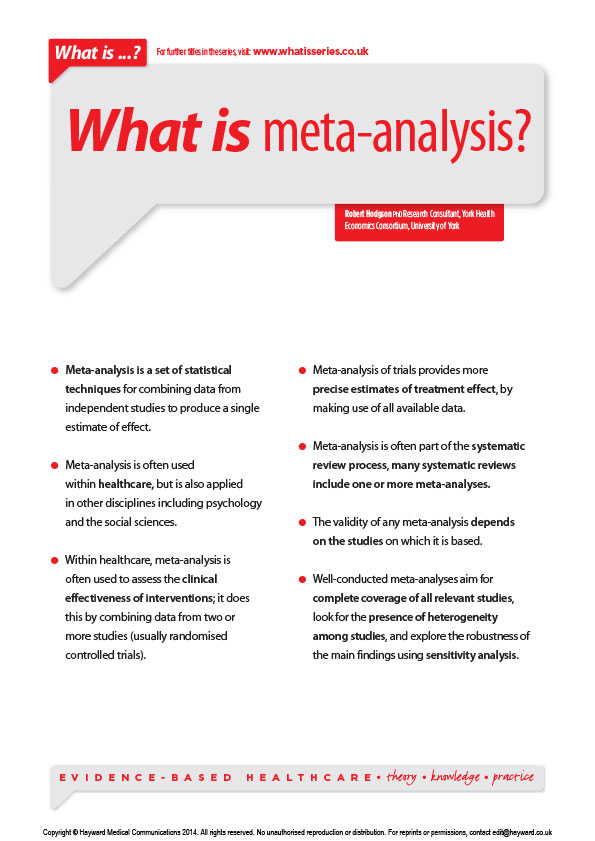
This is the core of the meta-analysis, where statistical techniques are employed to combine the data from the selected studies. The primary goal is to calculate an overall effect size, which is a standardized measure of the magnitude and direction of the effect being investigated.
- Effect Size Calculation: For each study, an effect size (e.g., Cohen’s d for continuous data, odds ratio for binary data) is calculated.
- Pooling of Effect Sizes: These individual effect sizes are then statistically pooled, often using a weighted average. Studies with larger sample sizes or higher quality are typically given more weight.
- Heterogeneity Assessment: A critical aspect is assessing heterogeneity, which refers to the degree of variability in the effect sizes across different studies. High heterogeneity might suggest that the effect of the intervention differs across studies due to variations in populations, settings, or methodologies. Statistical tests like the Q-statistic and I-squared are used to quantify heterogeneity.
- Subgroup Analysis and Meta-Regression: If significant heterogeneity is found, subgroup analyses or meta-regression can be conducted to explore potential reasons for these differences. For example, in a meta-analysis of AI tools for customer service, subgroup analysis might reveal that the AI’s effectiveness varies depending on the industry or the type of customer query.
5. Interpretation and Reporting
The final stage involves interpreting the synthesized results and reporting them clearly and comprehensively. This includes:
- Summarizing the overall effect size: What is the average effect, and is it statistically significant?
- Discussing the consistency of findings: How much variation was there across studies, and what might explain it?
- Addressing limitations: Acknowledging any limitations of the meta-analysis itself, such as potential publication bias or the quality of the included studies.
- Drawing conclusions and recommendations: What are the implications of the findings for theory, practice, and future research?
The findings of a meta-analysis are typically presented in research papers, often accompanied by forest plots, which visually display the effect sizes of individual studies and the overall pooled effect.
The Impact of Meta-Analysis Across Industries
The rigorous nature of meta-analysis makes it an invaluable tool for evidence-based decision-making across various sectors, directly impacting how we understand and implement strategies in tech, brand, and money.
In Technology: Navigating the Innovation Landscape
In the fast-paced world of technology, new software, AI tools, and gadgets emerge daily. It can be overwhelming to discern which innovations truly deliver on their promises. A meta-analysis can:
- Evaluate the efficacy of AI in specific applications: Synthesize studies on AI’s impact on fraud detection in finance, diagnostic accuracy in healthcare, or predictive maintenance in manufacturing to provide a consolidated view of its effectiveness.
- Compare the performance of different software solutions: Pool data from studies comparing various project management tools, CRM systems, or cybersecurity platforms to identify which offers the most consistent benefits across different organizational contexts.
- Assess the user experience of new hardware: Combine findings from usability studies of smartphones, wearables, or other consumer electronics to understand common user pain points and areas of satisfaction.
For example, a meta-analysis could synthesize research on the impact of cloud computing adoption on business efficiency. By pooling data from numerous case studies and empirical research, it could quantify the average improvement in operational costs, agility, and collaboration, providing businesses with strong evidence to justify their cloud migration strategies.
In Branding: Crafting Resonant Identities and Campaigns
Building a strong brand requires understanding what resonates with target audiences and drives engagement. Meta-analysis can help by:
- Quantifying the impact of different marketing channels: Synthesize studies on the effectiveness of social media marketing, content marketing, influencer collaborations, or traditional advertising on brand awareness, customer loyalty, and sales.
- Assessing the influence of brand elements: Combine research on the impact of logo design, brand messaging, color palettes, or brand storytelling on consumer perception and purchase intent.
- Understanding the effectiveness of reputation management strategies: Synthesize studies on the impact of crisis communication, corporate social responsibility initiatives, or customer feedback management on brand reputation and public trust.
Consider a meta-analysis of studies investigating the correlation between a company’s commitment to sustainability and consumer purchasing decisions. By pooling data from various market research and consumer behavior studies, it could provide a quantitative estimate of how strongly sustainability influences buying choices, guiding brands in their CSR messaging and product development.
In Finance: Informing Investment and Management Decisions
For individuals and businesses alike, sound financial decisions are crucial for growth and stability. Meta-analysis offers a powerful lens for financial research:
- Evaluating the effectiveness of investment strategies: Synthesize findings from numerous studies on the long-term performance of different asset classes (stocks, bonds, real estate), investment styles (growth vs. value), or portfolio diversification strategies.
- Assessing the impact of financial literacy programs: Combine data from studies on the effectiveness of financial education initiatives on individuals’ saving habits, debt management, and investment behavior.
- Analyzing the economic impact of corporate policies: Synthesize research on the relationship between executive compensation structures, dividend policies, or capital expenditure decisions and company performance.
A hypothetical meta-analysis could explore the impact of behavioral economics principles on investment decisions. By analyzing multiple studies that have tested interventions designed to mitigate cognitive biases in investors, it could provide a quantitative measure of how effective these interventions are, offering valuable insights for financial advisors and individual investors.
The Future of Evidence-Based Decision-Making
As the volume and complexity of information continue to grow, the importance of meta-analysis will only increase. It represents a shift towards a more rigorous, evidence-based approach to understanding the world, moving beyond anecdotal evidence and single studies to embrace the power of aggregated knowledge.
For professionals in technology, branding, and finance, understanding what a meta-analysis study is, how it’s conducted, and its potential applications is no longer just an academic pursuit. It’s a vital skill for staying ahead of the curve, making informed decisions, and ultimately, achieving greater success in their respective fields. By leveraging the insights derived from synthesized research, we can navigate the complexities of our modern world with greater clarity and confidence, armed with the most robust evidence available.
aViewFromTheCave is a participant in the Amazon Services LLC Associates Program, an affiliate advertising program designed to provide a means for sites to earn advertising fees by advertising and linking to Amazon.com. Amazon, the Amazon logo, AmazonSupply, and the AmazonSupply logo are trademarks of Amazon.com, Inc. or its affiliates. As an Amazon Associate we earn affiliate commissions from qualifying purchases.