
Car insurance is often viewed as a mundane legal requirement—a necessary monthly line item in a household budget. However, from a sophisticated personal finance perspective, car insurance is a critical tool for risk management and capital preservation. It is the primary hedge against significant financial loss that could otherwise derail long-term investment goals or deplete emergency reserves. Shopping for car insurance is not merely about finding the lowest number on a quote; it is an exercise in balancing cost-efficiency with comprehensive asset protection.
To navigate this market effectively, one must treat insurance shopping as a strategic financial audit. By understanding the underlying mechanics of premiums, the fiscal implications of various coverage levels, and the competitive landscape of the insurance industry, you can optimize your cash flow while ensuring your net worth remains protected against the unpredictability of the road.

1. Understanding the Financial Mechanics of Auto Insurance
Before requesting a single quote, you must understand the components of a policy and how they interact with your personal balance sheet. Car insurance is categorized into several types of coverage, each serving a specific financial purpose.
Deciphering Coverage Types and Liability Limits
The most critical component of any policy is liability coverage. In the world of personal finance, liability is the “catastrophe” insurance. If you are found at fault in an accident, your liability coverage pays for the other party’s medical bills and property damage. If your limits are too low, a single lawsuit could result in a court judgment against your personal assets, including your savings and future earnings.
Standard advice often suggests minimum state requirements, but from a financial planning standpoint, these are almost always insufficient. A robust financial strategy usually involves liability limits that meet or exceed your total net worth. This typically includes Bodily Injury Liability and Property Damage Liability. Additionally, “Uninsured/Underinsured Motorist” coverage is a vital defensive financial tool, protecting you from drivers who are financially insolvent and unable to pay for damages they cause to you.
The Role of Deductibles in Premium Calculation
The deductible is the amount you agree to pay out-of-pocket before the insurance company covers a claim. There is an inverse relationship between deductibles and premiums: the higher the deductible, the lower the monthly premium.
Choosing the right deductible is a calculation of liquidity and risk tolerance. If you have a well-funded emergency fund, opting for a $1,000 or $1,500 deductible can significantly reduce your fixed monthly expenses. Over several years, the savings in premiums often exceed the cost of the deductible itself, effectively allowing you to self-insure for minor incidents while utilizing the insurance company for major losses.
2. Strategic Comparison Shopping for Maximum Value
The insurance market is highly fragmented and fluctuates based on actuarial data that changes constantly. To ensure you are receiving the best market rate, a systematic approach to shopping is required every 12 to 24 months.
Gathering Necessary Documentation and Data
Efficiency in shopping begins with preparation. You should have a copy of your current “Declarations Page,” which outlines your existing coverage levels and premiums. This serves as your baseline. You will also need your Vehicle Identification Number (VIN), annual mileage estimates, and the driving records of all household members.
When comparing quotes, it is imperative to ensure you are comparing “apples to apples.” A lower premium from a competitor is meaningless if the coverage limits are lower or if key protections, such as gap insurance or rental reimbursement, have been stripped away. Use your current declarations page as a template to ensure consistency across all quotes.
Navigating Online Quotation Tools vs. Independent Agents
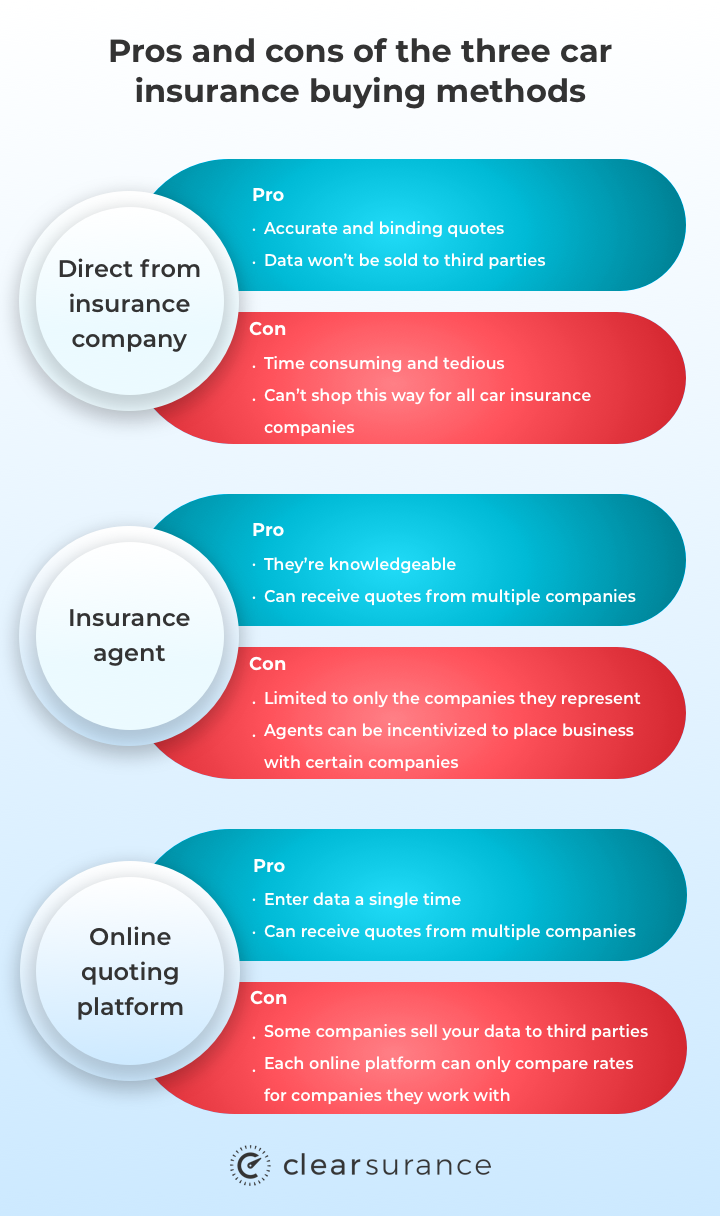
There are two primary ways to access the market: direct-to-consumer digital platforms and independent agents. Online tools are excellent for high-level price discovery and are often used by “captive” agents (those who work for a single company like State Farm or Geico).
However, for a more nuanced financial approach, independent insurance agents can be invaluable. Unlike captive agents, independent agents have access to a wide portfolio of different insurance carriers. They can shop your profile across dozens of providers simultaneously, often finding niche insurers that do not market heavily to the general public but offer superior rates for specific risk profiles. Leveraging both digital tools for speed and agents for depth provides the most comprehensive market view.
3. Maximizing Discounts and Optimizing Your Credit Profile

In the eyes of an insurance company, your premium is a reflection of your risk. To lower your costs, you must demonstrate that you are a low-risk client, both behind the wheel and in your financial life.
Leveraging Multi-Policy and Loyalty Discounts
One of the most effective ways to reduce insurance overhead is through “bundling.” Most insurers offer significant discounts if you carry both auto and homeowners (or renters) insurance with them. This is often referred to as a multi-policy discount.
Beyond bundling, look for “affinity discounts.” Many insurers offer lower rates to members of professional organizations, alumni associations, or specific employers. Additionally, telematics programs—where you allow the insurer to track your driving habits via a smartphone app or a plug-in device—can offer substantial discounts for safe driving. From a money-management perspective, these programs allow you to monetize your safe habits, turning a behavior into a direct reduction of a fixed cost.
How Credit Scores Impact Your Risk Rating
In most states, insurance companies use a “credit-based insurance score” to help determine premiums. Actuarial data suggests a high correlation between how a person manages their finances and how they drive.
Maintaining a high credit score is, therefore, not just important for securing low interest rates on loans; it is a direct lever for reducing insurance costs. If your credit score has improved significantly since you last shopped for insurance, you may be eligible for a much lower rate with a different carrier. This highlights why car insurance should be reviewed as part of your annual financial “check-up”—as your financial health improves, your insurance costs should decrease accordingly.
4. Evaluating Insurer Solvency and Claims Reputation
Price is a vital metric, but it is secondary to the insurer’s ability to fulfill its contractual obligations. A low-cost policy is a liability in itself if the company lacks the capital to pay out a major claim or if its claims process is designed to obstruct the policyholder.
Financial Strength Ratings (AM Best and Moody’s)
Before committing to a carrier, investigate their financial stability. Independent agencies like AM Best, Moody’s, and Standard & Poor’s provide ratings on the financial strength of insurance companies. You should aim for companies with an “A” rating or higher. These ratings indicate that the company has sufficient reserves to pay out claims even during catastrophic events or economic downturns. In the context of personal finance, your insurance carrier is your safety net; you must ensure that the net is structurally sound.
Customer Satisfaction and Claims Processing Efficiency
The true value of an insurance policy is only realized during the claims process. Researching J.D. Power satisfaction surveys and the National Association of Insurance Commissioners (NAIC) complaint index can provide insight into how a company treats its customers.
A company with a high volume of complaints regarding claims handling may save you $20 a month in premiums, but it could cost you thousands in lost time and legal fees if they unfairly deny a legitimate claim. Prioritize companies that balance competitive pricing with a reputation for fair, transparent, and efficient claims resolution.
5. Maintaining Long-Term Cost Efficiency
Strategic insurance management does not end once the policy is signed. It requires ongoing maintenance to ensure that your coverage evolves alongside your financial life.
The Importance of Annual Policy Audits
Your life is dynamic, and your insurance should reflect that. Changes in your commute, a new marriage, or the purchase of a home can all impact your insurance needs and eligibility for discounts. For example, if you transition to a remote work environment, your annual mileage will drop significantly, which should trigger a reduction in your premium. An annual audit of your policy ensures that you are not paying for coverage you don’t need or missing out on new savings opportunities.
Adjusting Coverage as Vehicle Value Depreciates
As your vehicle ages and its market value decreases, the cost-benefit analysis of carrying “Collision” and “Comprehensive” coverage changes. These coverages pay for damage to your own car. If the annual premium for these coverages, plus the deductible, approaches the total value of the vehicle, it may be financially prudent to “drop” these coverages and self-insure for the vehicle’s replacement.
This is a classic capital allocation decision: at a certain point, the certain cost of the premium outweighs the probable benefit of the coverage. By transitioning to a “liability-only” policy on older, low-value vehicles, you can redirect those premium savings into an investment account or an interest-bearing savings vehicle, further building your personal wealth.
In conclusion, shopping for car insurance is an integral part of a sophisticated financial strategy. By moving beyond the “set it and forget it” mentality and treating your policy as a dynamic financial asset, you can protect your net worth, optimize your monthly cash flow, and ensure that your risk management strategy is as robust as your investment portfolio. Through careful research, credit optimization, and regular audits, the informed consumer transforms insurance from a generic bill into a precision-engineered financial safeguard.
aViewFromTheCave is a participant in the Amazon Services LLC Associates Program, an affiliate advertising program designed to provide a means for sites to earn advertising fees by advertising and linking to Amazon.com. Amazon, the Amazon logo, AmazonSupply, and the AmazonSupply logo are trademarks of Amazon.com, Inc. or its affiliates. As an Amazon Associate we earn affiliate commissions from qualifying purchases.