
The human shoulder is a marvel of biomechanical engineering, allowing for an incredible range of motion that enables everything from intricate artistic endeavors to powerful athletic feats. At the heart of this complex joint system lies the acromioclavicular (AC) joint, often simply referred to as the AC joint. While it might not receive the same popular attention as its larger neighbor, the glenohumeral joint (the ball-and-socket part of the shoulder), the AC joint plays a crucial role in shoulder stability and movement. Understanding what it is, how it functions, and what can go wrong is essential for anyone seeking to maintain optimal shoulder health, whether they are athletes, professionals relying on precise movements, or simply individuals looking to understand their own anatomy better.
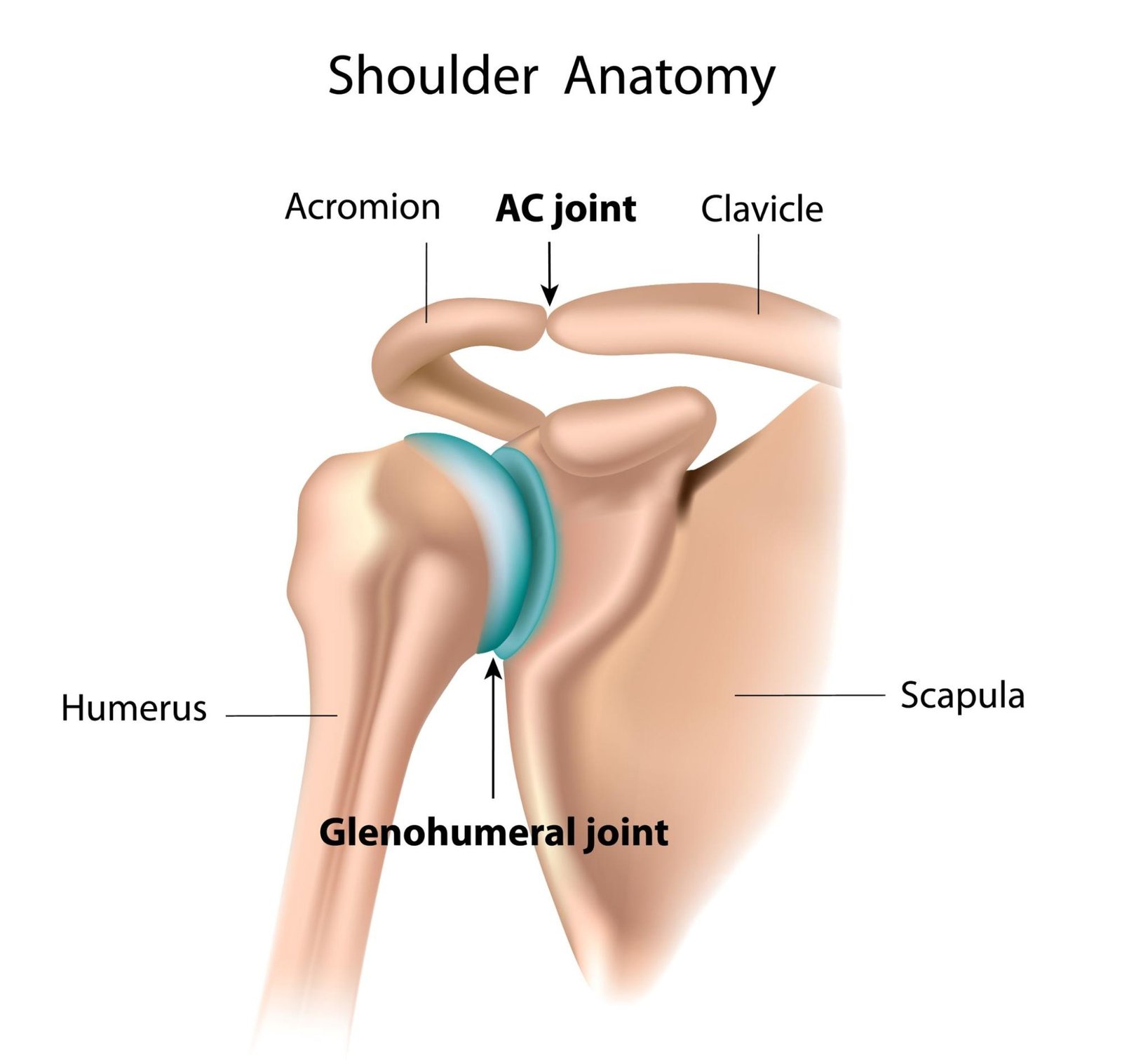
The AC joint is a relatively small, yet vital, articulation where two of the shoulder’s primary bones meet. It’s a synovial joint, meaning it’s enclosed in a capsule filled with lubricating fluid that allows for smooth, gliding movements. This joint is formed by the distal end of the clavicle, commonly known as the collarbone, and the acromion, which is a bony projection from the scapula, or shoulder blade. The AC joint is essentially the point where the shoulder girdle connects to the rest of the axial skeleton.
The Anatomy and Biomechanics of the AC Joint
To truly grasp the significance of the AC joint, we need to delve into its anatomical structure and how it contributes to the overall function of the shoulder.
The Bony Articulation: Clavicle Meets Acromion
The primary components of the AC joint are the lateral (outermost) end of the clavicle and the acromion process of the scapula. These two bones don’t directly articulate with each other in a perfectly smooth fashion. Instead, they form a relatively flat or slightly irregular joint surface. This unique shape contributes to the AC joint’s primary role, which is less about large-scale movement and more about providing a stable platform and allowing for fine-tuning of shoulder position.
The clavicle itself is a long, S-shaped bone that runs horizontally from the sternum (breastbone) to the scapula. It serves as a strut, holding the shoulder away from the rib cage and preventing the scapula from collapsing inward. The acromion, on the other hand, is the superior (uppermost) and posterior (hindmost) part of the scapula, forming the “point” of the shoulder. The junction between the distal clavicle and the acromion is where the AC joint resides.
Ligamentous Support: The Pillars of Stability
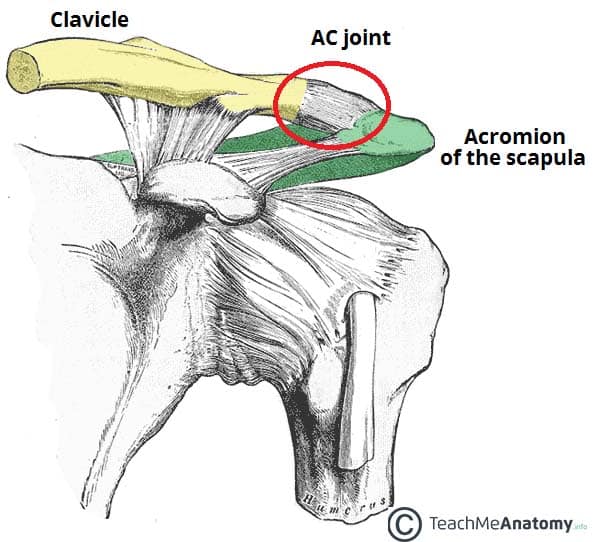
While the bony surfaces provide the framework, it’s the surrounding ligaments that truly stabilize the AC joint. These tough, fibrous bands of connective tissue are critical for maintaining the integrity of the joint and preventing excessive movement or dislocation. The AC joint is supported by two main sets of ligaments:
-
Acromioclavicular Ligaments: These ligaments directly connect the superior and inferior surfaces of the acromion to the corresponding surfaces of the distal clavicle. They are relatively weak and primarily prevent superior and inferior displacement of the clavicle relative to the acromion.
-
Coracoclavicular Ligaments: These are the primary stabilizers of the AC joint and are much stronger than the acromioclavicular ligaments. They consist of two distinct bands: the conoid ligament and the trapezoid ligament. The conoid ligament originates from the conoid tubercle on the inferior surface of the clavicle and inserts onto the coracoid process of the scapula. The trapezoid ligament runs from the trapezoid line on the inferior surface of the clavicle to the superior surface of the coracoid process. These strong ligaments act like ropes, suspending the clavicle from the coracoid process and preventing significant superior migration of the clavicle, which is a common injury in AC joint separations.
The Role of the Glenoid Labrum and Articular Disc
In some individuals, a fibrocartilaginous disc, similar to the menisci in the knee, may be present within the AC joint. This disc can help to improve the congruity between the articular surfaces of the clavicle and acromion, further enhancing stability and shock absorption. The smooth articulation is also aided by cartilage that lines the bony surfaces, reducing friction during movement.
The AC joint’s biomechanical function is multifaceted. It allows for subtle, gliding movements that contribute to the overall range of motion of the shoulder. This includes:
- Upward and downward tilting of the scapula: As the arm is raised or lowered, the AC joint allows for fine adjustments in the scapula’s position.
- Anterior and posterior rotation of the scapula: These movements are crucial for coordinating arm and shoulder blade movements.
- Elevation and depression of the shoulder girdle: The AC joint plays a role in lifting or dropping the shoulder.
While the glenohumeral joint is responsible for the large, sweeping motions of the arm, the AC joint provides the essential stability and fine-tuning that allows these larger movements to occur efficiently and without excessive stress on other structures.
Common AC Joint Injuries and Conditions
Given its position and the forces it endures, the AC joint is susceptible to a variety of injuries. These range from minor sprains to complete dislocations, often resulting from direct trauma or overuse.
AC Joint Separation (Acromioclavicular Joint Disruption)
This is perhaps the most common injury affecting the AC joint. It occurs when the ligaments supporting the AC joint are stretched or torn, leading to a separation between the clavicle and the acromion. AC joint separations are typically graded based on the severity of ligament damage and the degree of displacement:
- Grade I: Mild sprain with stretching of the acromioclavicular ligaments, but no significant displacement. The joint remains stable.
- Grade II: Partial tear of the acromioclavicular ligaments, with some stretching or tearing of the coracoclavicular ligaments. There may be mild to moderate superior displacement of the clavicle, often palpable as a bump.
- Grade III: Complete tear of both the acromioclavicular and coracoclavicular ligaments. This results in significant superior displacement of the clavicle, creating a noticeable step deformity at the top of the shoulder.
- Grades IV, V, and VI: These are rarer and more severe classifications involving posterior displacement of the clavicle, entrapment of muscles, or complete disruption of the joint.
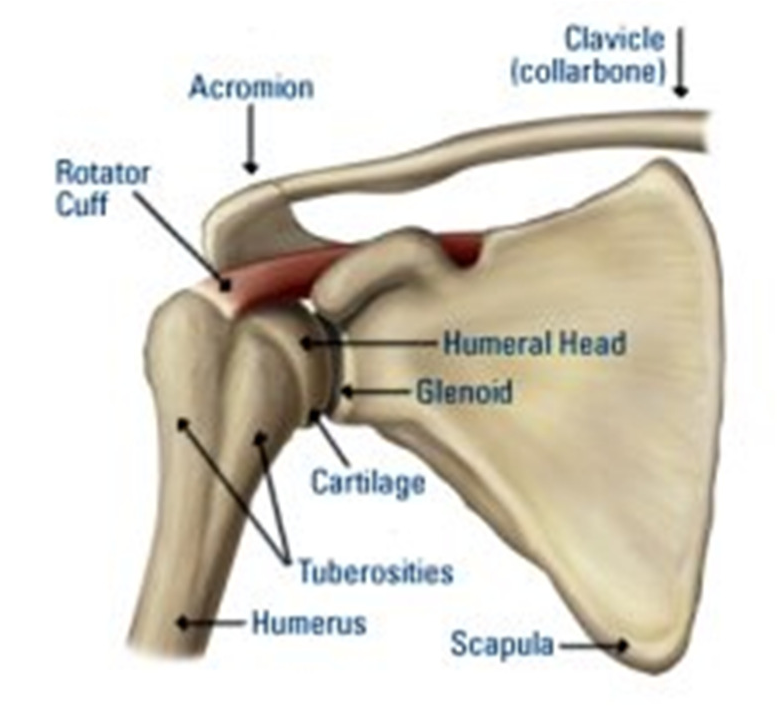
The mechanism of injury for AC joint separations is often a direct blow to the point of the shoulder or a fall onto an outstretched arm. Athletes in contact sports like football, hockey, and rugby are particularly at risk.
Osteoarthritis of the AC Joint
Like any synovial joint, the AC joint can be affected by osteoarthritis, a degenerative condition characterized by the breakdown of cartilage. This can lead to pain, stiffness, and reduced range of motion, particularly with overhead activities. Osteoarthritis of the AC joint is more common in older individuals and can be exacerbated by previous injuries or repetitive overhead movements, such as those experienced by painters, construction workers, or swimmers.
AC Joint Arthritis and Bone Spurs
Inflammation of the AC joint, known as AC joint arthritis, can be a precursor to or a component of osteoarthritis. This inflammation can cause pain and tenderness. In some cases, the wear and tear on the joint can lead to the formation of bone spurs (osteophytes) around the articular surfaces. These spurs can further irritate the joint and limit movement.
Distal Clavicle Osteolysis
This condition, also known as weightlifter’s shoulder, involves a breakdown of the bone at the distal end of the clavicle. It’s often associated with repetitive, heavy lifting and intense strength training. The repetitive microtrauma to the AC joint leads to inflammation and eventual bone resorption.
Managing AC Joint Issues: From Prevention to Rehabilitation
Addressing AC joint problems requires a comprehensive approach, encompassing preventative measures, appropriate treatment for acute injuries, and targeted rehabilitation to restore function and prevent recurrence.
Preventing AC Joint Injuries
While not all injuries can be prevented, certain strategies can significantly reduce the risk of AC joint problems:
- Proper Warm-up and Cool-down: Before engaging in any physical activity, especially those involving the shoulder, a thorough warm-up is essential to prepare the muscles and ligaments. A cool-down helps muscles recover and reduces stiffness.
- Strength and Conditioning: Strengthening the muscles surrounding the shoulder girdle, including the rotator cuff muscles, deltoids, and scapular stabilizers, can provide better support for the AC joint and improve overall shoulder stability.
- Technique and Form: In sports and weightlifting, maintaining proper technique and form is crucial to avoid placing excessive stress on the AC joint. This includes learning safe lifting mechanics and avoiding movements that overload the joint.
- Gradual Progression: When starting a new exercise program or increasing the intensity of training, a gradual progression is vital. Rapid increases in load or volume can overwhelm the AC joint.
- Protective Gear: In high-risk sports, wearing appropriate protective gear, such as shoulder pads, can help absorb impact and reduce the severity of direct blows to the shoulder.
Diagnosis and Treatment of AC Joint Injuries
If an AC joint injury is suspected, a medical professional, such as a doctor or physical therapist, will typically perform a physical examination and may order imaging tests like X-rays or an MRI to assess the extent of the damage.
Treatment options vary widely depending on the severity of the injury:
-
Conservative Management: For milder injuries (e.g., Grade I and some Grade II AC separations), conservative treatment is usually sufficient. This involves:
- Rest: Avoiding activities that aggravate the pain.
- Ice: Applying ice packs to reduce swelling and pain.
- Pain Management: Over-the-counter pain relievers like ibuprofen or acetaminophen can help manage discomfort.
- Immobilization: A sling may be used for a period to support the arm and allow the ligaments to heal.
- Physical Therapy: Once the initial pain subsides, a tailored physical therapy program is crucial. This focuses on restoring range of motion, strengthening the shoulder muscles, and improving proprioception (the body’s awareness of its position in space).
-
Surgical Intervention: More severe AC joint separations (e.g., Grade III and higher) or injuries that fail to heal with conservative management may require surgical repair. Surgical options aim to reconstruct or stabilize the torn ligaments, often involving procedures to reattach the clavicle to the coracoid process using sutures, anchors, or even grafts.
Rehabilitation and Return to Activity
The rehabilitation process following an AC joint injury is critical for a full recovery. This typically involves several phases, progressing from gentle range-of-motion exercises to more advanced strengthening and functional movements.
- Early Phase: Focuses on pain and swelling control, gentle passive and active-assisted range of motion exercises to prevent stiffness.
- Intermediate Phase: Introduces active range of motion, isometric strengthening, and gradual initiation of light resistance exercises.
- Advanced Phase: Involves progressive strengthening of the entire shoulder girdle, including eccentric exercises for the rotator cuff, proprioceptive training, and sport- or activity-specific drills.
The timeline for returning to full activity varies greatly depending on the individual, the severity of the injury, and the demands of their specific sport or occupation. Athletes, for example, may require a longer and more comprehensive rehabilitation program to ensure they can safely return to their competitive level.
Understanding the AC joint, its role in shoulder function, and the potential issues it can face empowers individuals to take proactive steps towards maintaining its health. From proper conditioning and technique to seeking prompt medical attention when needed, a well-informed approach can lead to a more resilient and functional shoulder throughout life.
aViewFromTheCave is a participant in the Amazon Services LLC Associates Program, an affiliate advertising program designed to provide a means for sites to earn advertising fees by advertising and linking to Amazon.com. Amazon, the Amazon logo, AmazonSupply, and the AmazonSupply logo are trademarks of Amazon.com, Inc. or its affiliates. As an Amazon Associate we earn affiliate commissions from qualifying purchases.