
The question of what exactly goes into the seasoned ground beef at Taco Bell is a surprisingly persistent one. It’s a culinary mystery that has lingered in the minds of consumers for years, sparking online discussions, memes, and even a lawsuit. While the simple answer might be “beef,” the reality is a bit more nuanced, touching upon aspects of ingredient sourcing, manufacturing processes, and how brands communicate their product composition in the modern marketplace. This exploration delves into the composition of Taco Bell’s beef, not just as a matter of culinary curiosity, but through the lens of brand transparency, the economics of food production, and the technological advancements that shape what we eat.
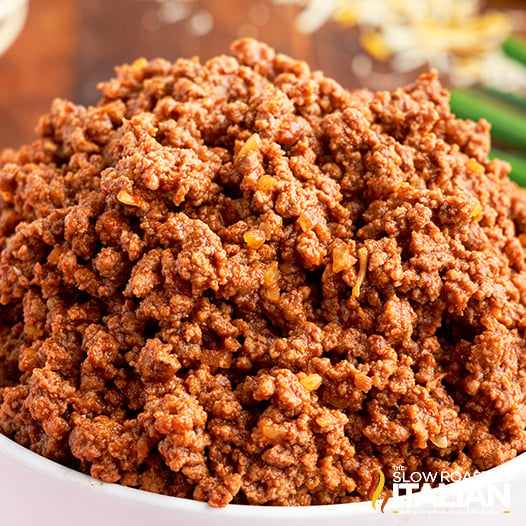
The iconic taste of Taco Bell’s ground beef is a carefully crafted experience. It’s a flavor profile that has become synonymous with affordable, accessible Tex-Mex inspired fast food for millions. But as consumers become increasingly conscious of what they are putting into their bodies, the demand for clarity regarding ingredient lists has grown exponentially. This is where brands are challenged to balance proprietary recipes with the public’s desire for information.
Unpacking the Ingredient List: What Truly Forms the Foundation?
At its core, Taco Bell’s seasoned beef is precisely that: beef. However, the journey from farm to taco involves a complex supply chain and a deliberate blend of ingredients designed to achieve a consistent taste, texture, and quality across all their locations. The company has, in recent years, made efforts to be more transparent about its ingredients, largely in response to public scrutiny.
The Beef Component: Sourcing and Standards
Taco Bell utilizes 100% USDA-inspected ground beef. This is a crucial starting point. USDA inspection ensures that the meat meets federal safety and quality standards. The “ground beef” itself is typically a blend of various cuts, chosen for their fat content and flavor. While the exact cuts can vary based on supplier and market availability, the goal is to achieve a specific lean-to-fat ratio that contributes to the desired mouthfeel and juiciness. Higher fat content generally equates to more flavor and tenderness, but also more calories. Conversely, leaner beef can result in a drier product. Taco Bell aims for a balance that is both palatable and cost-effective.
The sourcing of this beef is a significant operational aspect for any large fast-food chain. It involves establishing relationships with reputable suppliers who can consistently provide large volumes of high-quality meat that meets their specifications. This is where the ‘Money’ aspect of our website topics comes into play. The economics of meat procurement for a company of Taco Bell’s scale are immense. They negotiate contracts, manage supply chain logistics, and are constantly monitoring market prices for cattle and beef. Fluctuations in commodity prices can directly impact their profit margins, necessitating efficient purchasing strategies and potentially flexible sourcing arrangements.
The Seasoning Blend: The Secret to the Signature Taste
Beyond the beef itself, the seasoning is what truly defines Taco Bell’s signature ground beef. This is where proprietary blends come into play, and while the exact proportions are a trade secret, the general components are publicly disclosed. These seasonings are crucial for delivering the consistent flavor experience that customers expect, regardless of which Taco Bell they visit.
The primary ingredients in the seasoning blend typically include:
- Maltodextrin: A carbohydrate derived from starch, often used as a food additive to add bulk, texture, and as a carrier for other ingredients. It’s a common ingredient in many processed foods and contributes to the texture and mouthfeel of the seasoned beef.
- Salt: Essential for flavor enhancement and preservation.
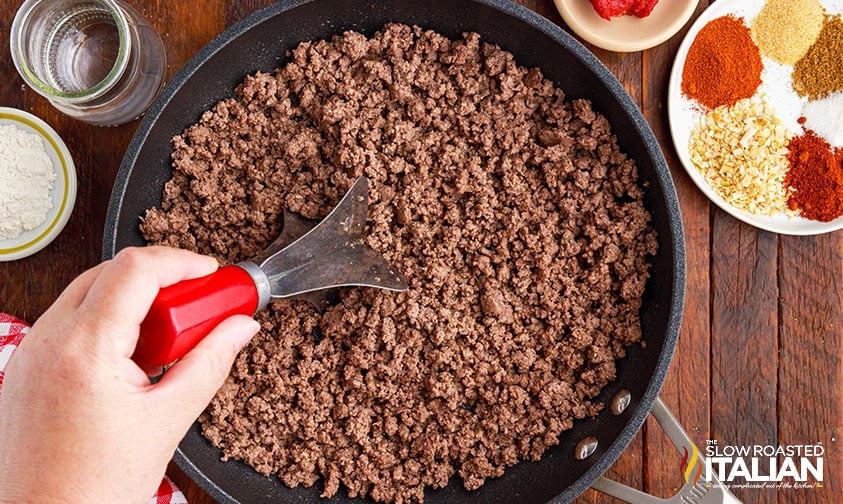
- Spices: This is where the characteristic “Taco Bell” flavor originates. Common spices used in taco seasoning blends include chili pepper, paprika, cumin, onion powder, garlic powder, and sometimes oregano. The specific combination and ratios of these spices are what create the unique taste.
- Sugar: A small amount of sugar can help to balance the savory and spicy flavors, adding a subtle sweetness.
- Yeast Extract: Often used as a natural flavor enhancer, it can contribute umami notes and depth to the overall taste profile.
- Natural Flavors: This is a broad category that can encompass a variety of flavor compounds derived from natural sources. Companies are not always required to disclose the specific ingredients within “natural flavors” due to proprietary reasons.
- Tomato Powder: Adds a subtle tomato note and color to the mixture.
- Cocoa Powder: In some recipes, a small amount of cocoa powder can be used to add depth and a richer, darker color to the beef.
The blend of these ingredients is meticulously formulated to achieve a specific balance of savory, spicy, and slightly sweet notes. This attention to detail in the seasoning is a prime example of ‘Brand’ strategy in action. Taco Bell has cultivated a distinct flavor identity, and maintaining that consistency is paramount to their brand recognition and customer loyalty.
Technology and Transparency in the Food Industry
The conversation around Taco Bell’s beef composition is also a reflection of broader trends in food technology and consumer demand for transparency. In an era where consumers can instantly research ingredients and manufacturing processes, brands are increasingly leveraging technology to communicate their practices and build trust.
The Role of AI and Data in Ingredient Optimization
While not directly involved in the physical mixing of beef and seasoning, AI and advanced data analytics play a significant role in the food industry’s operational efficiency and product development. From optimizing supply chains to understanding consumer preferences, technology informs the choices brands make.
For a company like Taco Bell, AI tools can analyze vast amounts of data related to ingredient costs, supplier performance, and consumer feedback. This helps them make informed decisions about sourcing, pricing, and even recipe adjustments. For instance, if consumer trends shift towards lower sodium intake, AI can help identify alternative seasoning components that maintain flavor while reducing sodium content, all while considering the economic implications. This integration of AI and data science in product development and supply chain management underscores the ‘Tech’ pillar of our website. It’s about using sophisticated tools to ensure the product is not only delicious but also economically viable and aligned with evolving consumer expectations.
Digital Platforms and Brand Communication
The way brands communicate about their ingredients has also been revolutionized by digital platforms. Taco Bell, like many other large food corporations, maintains a comprehensive website where they often provide detailed ingredient lists and information about their sourcing practices. This direct line of communication allows them to address consumer concerns proactively.
The initial public scrutiny regarding Taco Bell’s beef often stemmed from a lack of clear information. As awareness grew, the company responded by making its ingredient lists more accessible. This is a critical aspect of ‘Brand’ management. In today’s digital age, a brand’s reputation is heavily influenced by its perceived authenticity and transparency. By openly sharing what goes into their food, Taco Bell aims to build trust and reinforce their brand identity as a provider of accessible and enjoyable food, without hidden surprises. The accessibility of this information online, often aided by efficient website design and search engine optimization, connects to our ‘Tech’ and ‘Brand’ themes.
The Economics of the Taco Bell Seasoned Beef
The affordability and widespread availability of Taco Bell’s menu items are intrinsically linked to the economics of their ingredient sourcing and preparation. The seasoned ground beef is a cornerstone of many of their popular offerings, and its cost-effectiveness is a key factor in their business model.
Cost Management and Value Proposition
The ‘Money’ aspect is central to understanding why certain ingredients are used and why recipes are formulated in specific ways. Sourcing large quantities of beef and the components for their seasoning blend requires significant capital and strategic financial planning. The use of ingredients like maltodextrin, for example, can serve to increase the volume and consistent texture of the beef mixture without a proportionate increase in the cost of pure beef. This is a common practice in the food industry to manage costs and ensure product consistency at scale.
By carefully controlling their ingredient costs and optimizing their preparation processes, Taco Bell can offer their menu items at competitive prices. This value proposition – providing a flavorful and satisfying meal at an affordable price – is a core tenet of their business. The efficient management of their supply chain, negotiation with suppliers, and streamlined in-store preparation all contribute to their ability to maintain profitability while offering value to the consumer.
The “93% Lean” Claim and Consumer Perception
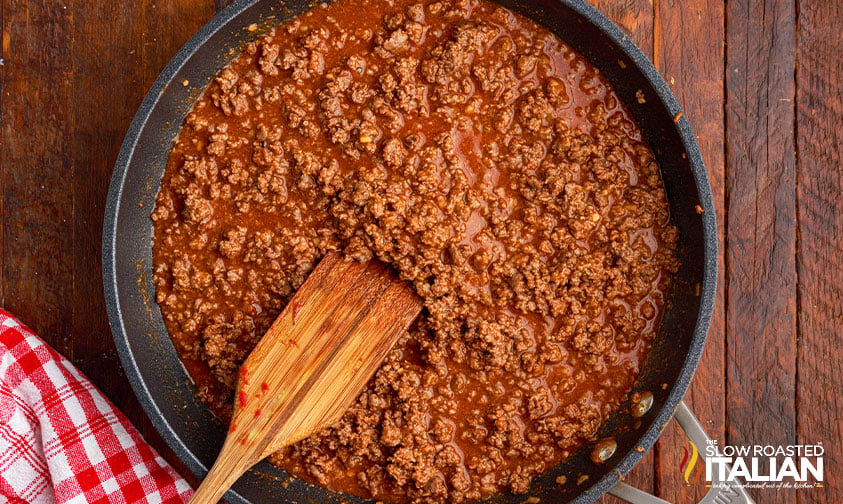
Taco Bell has, at various times, advertised its seasoned beef as being “93% lean.” This claim is based on the composition of the raw beef itself, before the addition of any water or seasonings. While it highlights a desirable characteristic for consumers concerned about fat content, it’s important to understand this in the context of the entire product. The cooking process, which involves draining excess fat, and the addition of other ingredients means the final product’s nutritional profile will differ from that of the raw beef.
This is where the intersection of ‘Brand’ messaging and consumer understanding becomes crucial. A strong ‘Brand’ strategy involves communicating product benefits in a clear and compelling way. However, it also requires the brand to be prepared for scrutiny and to provide further clarification when necessary. The “93% lean” claim is a testament to their strategy of highlighting positive attributes, but it also necessitates a commitment to transparency about the complete ingredient list.
In conclusion, the question “what is Taco Bell beef made of” opens a window into a multifaceted operation. It’s a story that involves the careful selection and sourcing of ingredients, the artful creation of a signature seasoning blend, and the strategic deployment of technology and financial acumen. By understanding these elements, we gain a deeper appreciation for the complexities of the modern food industry and the intricate balance brands strike between taste, cost, and consumer trust. The humble taco meat, it turns out, is a product of sophisticated planning and execution, shaped by the very forces that drive innovation and commerce in our interconnected world.
aViewFromTheCave is a participant in the Amazon Services LLC Associates Program, an affiliate advertising program designed to provide a means for sites to earn advertising fees by advertising and linking to Amazon.com. Amazon, the Amazon logo, AmazonSupply, and the AmazonSupply logo are trademarks of Amazon.com, Inc. or its affiliates. As an Amazon Associate we earn affiliate commissions from qualifying purchases.