
The familiar red, white, and blue signage of Roy Rogers Restaurants, once a ubiquitous sight across the American landscape, evokes a powerful sense of nostalgia for many. For those who grew up with its crispy fried chicken, mouthwatering burgers, and iconic “Double R Bar” slogan, the gradual disappearance of these beloved eateries has left a void and sparked a perennial question: what happened to Roy Rogers Restaurants? While the answer isn’t a single dramatic event, it’s a complex narrative woven from shifting consumer tastes, evolving market dynamics, strategic missteps, and ultimately, the enduring power of a brand built on a legend.
This exploration will delve into the rise and decline of Roy Rogers Restaurants, examining the brand’s strategic decisions within the context of broader industry trends and consumer behavior. We’ll analyze how a brand deeply rooted in the persona of a beloved Western icon navigated the fiercely competitive fast-food arena, how its marketing and identity played a role, and what lessons can be learned from its journey in the realm of brand strategy and financial viability.
The Golden Age: Riding High on a Western Icon
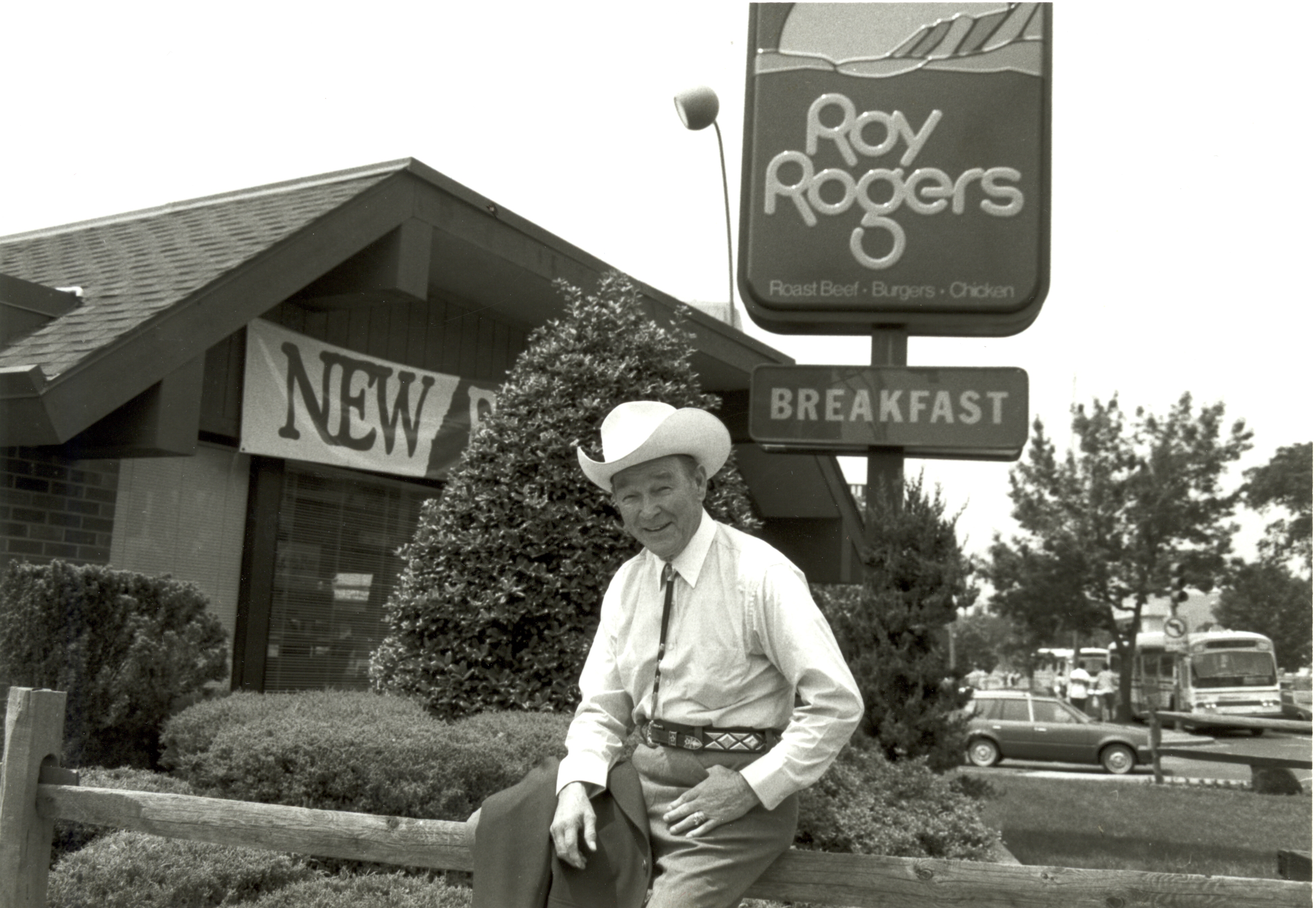
Roy Rogers Restaurants burst onto the scene in the mid-1960s, a bold venture by Marriott Corporation to capture a piece of the burgeoning fast-food market. The choice of Roy Rogers, the “King of the Cowboys,” as the brand’s namesake was a stroke of genius. In an era captivated by Western films and the romanticized image of the American frontier, Rogers was more than just an actor; he was a symbol of integrity, wholesomeness, and adventurous spirit. This personal brand was strategically leveraged to imbue the restaurants with a similar aura.
The early success of Roy Rogers was undeniably tied to this powerful association. The restaurants offered a familiar and comforting dining experience, emphasizing quality ingredients and classic American fare. Their menu, featuring signature fried chicken and burgers, stood out in a market increasingly dominated by burger-centric chains. The atmosphere of the restaurants often mirrored the brand’s identity – friendly, family-oriented, and with a touch of Western charm. This was a time when a strong, recognizable personality could significantly translate into consumer loyalty and market share.
Marketing and Brand Identity: More Than Just a Meal
The brand’s strategy was deeply intertwined with the persona of Roy Rogers himself. Marketing efforts weren’t just about promoting food; they were about extending the values and appeal of the cowboy legend. This personal branding approach created an immediate emotional connection with consumers, differentiating Roy Rogers from its competitors. The “Double R Bar” became a symbol of this brand, appearing on signage, packaging, and promotional materials, reinforcing the connection to its famous namesake.
Case studies in brand strategy often highlight the power of a well-defined identity, and Roy Rogers was a prime example in its early days. The brand successfully tapped into a cultural zeitgeist, offering not just a meal, but an experience that resonated with American values and aspirations. This wasn’t simply about selling food; it was about selling a feeling, a connection to a simpler, perhaps more heroic, time. This robust corporate identity was a significant asset, providing a solid foundation for growth.
The Shifting Sands: Competition and Evolving Tastes
Despite its initial success, the fast-food landscape was a dynamic and increasingly competitive battleground. As the decades progressed, new players emerged, and established giants evolved their strategies. The 1980s and 1990s saw a significant shift in consumer preferences and dining habits. Health consciousness began to rise, and the demand for convenience evolved. While Roy Rogers offered a quality product, it faced immense pressure from chains that were more aggressive in their expansion, marketing, and menu innovation.
The rise of fast-casual dining also began to chip away at the traditional fast-food market. Consumers started seeking options that offered a step up in quality and experience without the formality of sit-down restaurants. This created a gap that Roy Rogers, with its firmly established fast-food model, struggled to bridge effectively.
Adapting to Market Trends: A Question of Agility
The core of the challenge for Roy Rogers lay in its ability to adapt to these seismic shifts. While the brand had a strong foundation, its expansion and menu development strategies may not have kept pace with the rapid evolution of the industry. This is where the importance of agile brand strategy becomes apparent. Brands that thrive are those that can anticipate and respond to changing consumer demands and technological advancements.
For instance, while AI tools and new software are now revolutionizing how businesses operate, in the earlier days, it was about understanding evolving dietary trends, the growing demand for breakfast menus, or the need for more efficient ordering systems. Brands that were slower to innovate in these areas risked becoming relics of a bygone era. The success of other chains often hinged on their willingness to experiment, rebrand, and re-evaluate their core offerings in light of a changing market.
Financial Realities and Strategic Realignments
The financial performance of Roy Rogers Restaurants was ultimately a key factor in its decline. As competition intensified and market share eroded, the profitability of individual locations and the brand as a whole came under scrutiny. Marriott Corporation, a hospitality giant, eventually made the decision to divest itself of the Roy Rogers chain. This marked a significant turning point.
The sale of the brand to various entities over the years led to a fragmented ownership structure. While this offered opportunities for renewed focus and investment, it also presented challenges in maintaining a cohesive brand vision and consistent operational standards. Each new owner brought their own priorities and strategies, leading to periods of both revitalization and further decline for different regions.
The Path to Online Income and Business Finance
While Roy Rogers Restaurants itself didn’t directly engage in online income generation in the modern sense, its story offers valuable lessons for businesses navigating the current economic climate. The principles of sound business finance, effective marketing, and a clear understanding of financial tools are paramount for survival and growth.
The rise of online income streams and side hustles has fundamentally altered how individuals and businesses approach revenue generation. For traditional brick-and-mortar establishments like restaurants, this means understanding how to leverage digital platforms for marketing, customer engagement, and even direct sales. While Roy Rogers might have been a victim of a less digitally-connected era, the lessons learned from its struggles are incredibly relevant today. A strong understanding of financial metrics, cost management, and strategic investment is crucial for any business, whether it’s a national chain or a fledgling startup. The ability to adapt financial strategies to market fluctuations and to invest in technologies that enhance efficiency and customer experience can be the difference between success and failure.

The Enduring Legacy: A Taste of Nostalgia and a Future Hope
Today, Roy Rogers Restaurants are a shadow of their former glory, with a significantly reduced footprint. However, the brand has not entirely disappeared. In recent years, there have been renewed efforts to revitalize the chain, with new ownership and a focus on select markets. These initiatives often emphasize the brand’s heritage, aiming to rekindle the nostalgic appeal that once fueled its success.
The story of Roy Rogers Restaurants is a compelling case study in brand evolution, the impact of technological and societal shifts, and the enduring power of a well-loved icon. It serves as a reminder that even the most successful brands must remain agile, innovative, and deeply attuned to the ever-changing landscape of consumer preferences and market dynamics. While the future of Roy Rogers Restaurants remains uncertain, its legacy as a cherished part of American fast-food history continues to resonate, proving that a strong brand, even in its twilight, can still evoke powerful emotions and a longing for a taste of the past. The question “what happened to Roy Rogers Restaurants” is not just about a business failure, but about the complex interplay of culture, commerce, and the ever-present human desire for connection and comfort, often found in the familiar flavors of a cherished brand.
aViewFromTheCave is a participant in the Amazon Services LLC Associates Program, an affiliate advertising program designed to provide a means for sites to earn advertising fees by advertising and linking to Amazon.com. Amazon, the Amazon logo, AmazonSupply, and the AmazonSupply logo are trademarks of Amazon.com, Inc. or its affiliates. As an Amazon Associate we earn affiliate commissions from qualifying purchases.