
Poor blood circulation, a condition that often creeps in insidiously, can significantly impact our overall health and well-being. It refers to a state where blood flow throughout the body is reduced or impaired, preventing vital organs and tissues from receiving the oxygen and nutrients they need to function optimally. While the human body is a remarkably efficient system, disruptions to its circulatory network can have far-reaching consequences. This article will delve into the intricacies of poor blood circulation, exploring its causes, symptoms, and most importantly, how modern technological advancements and smart financial strategies can empower us to understand, manage, and even prevent this pervasive health concern.
The Insidious Nature of Impaired Blood Flow
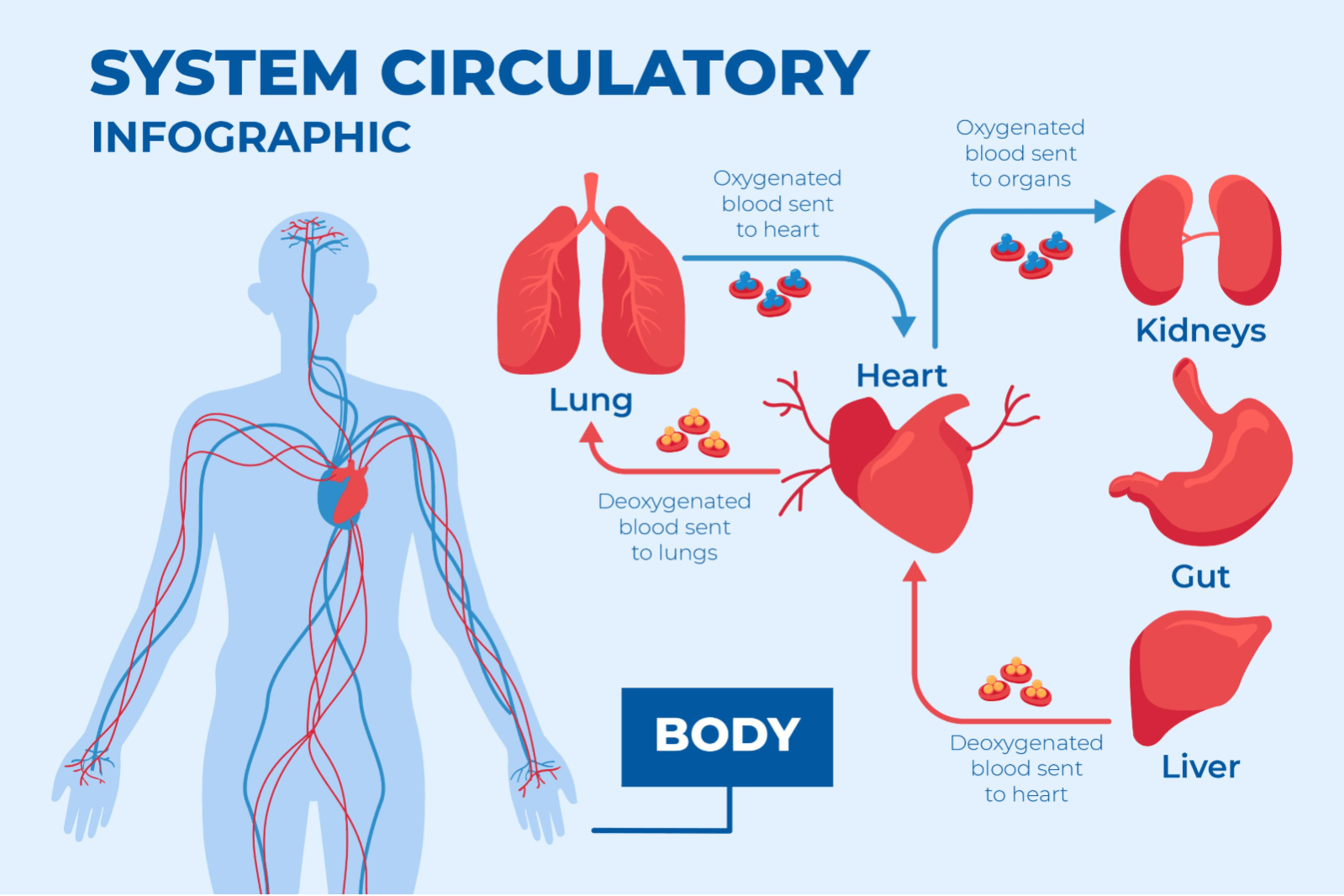
At its core, blood circulation is the body’s lifeblood. The heart acts as a pump, propelling oxygenated blood through a vast network of arteries, veins, and capillaries to every corner of our being. This constant flow is essential for delivering oxygen, nutrients, hormones, and immune cells, while simultaneously removing waste products like carbon dioxide. When this delicate process falters, the implications can be profound, ranging from mild discomfort to life-threatening conditions.
The Underlying Causes: More Than Just a Bad Circulation Day
Understanding the “why” behind poor blood circulation is crucial for effective intervention. Several factors can contribute to this widespread issue, often intertwined and compounding each other.
Lifestyle Sedentary Habits and Their Circulatory Toll
Perhaps one of the most prevalent culprits in modern society is a sedentary lifestyle. Spending prolonged periods sitting or standing still, whether at a desk job, during long commutes, or simply due to inactivity, can lead to blood pooling in the extremities, particularly the legs. This lack of movement hinders the natural pumping action of muscles that assist venous return – the process by which blood flows back to the heart. Over time, this can contribute to the development of conditions like varicose veins and increase the risk of blood clots. The convenience and efficiency offered by technological advancements have, ironically, sometimes contributed to a decline in physical activity, underscoring the need for conscious efforts to integrate movement into our daily routines.
The Weight of the World: Obesity and Its Circulatory Burden
Obesity places an immense strain on the cardiovascular system. Excess body weight requires the heart to work harder to pump blood throughout a larger volume of tissue. Furthermore, adipose tissue (fat) can release inflammatory molecules that damage blood vessels, making them less flexible and more prone to narrowing. This chronic inflammation can significantly impede blood flow, creating a vicious cycle where obesity exacerbates circulatory problems, which in turn can contribute to further weight gain by reducing energy expenditure due to discomfort or fatigue.
The Silent Insidious Enemies: Chronic Diseases and Their Impact
Several chronic diseases have a direct and detrimental impact on blood circulation.
Diabetes Mellitus: The Sugar-Coated Threat to Your Vessels
Diabetes, particularly when poorly managed, is a major contributor to circulatory issues. High blood sugar levels over time can damage the lining of blood vessels, leading to a condition known as atherosclerosis – the hardening and narrowing of arteries due to plaque buildup. This narrowing restricts blood flow, making it harder for oxygenated blood to reach vital organs. Diabetic neuropathy, a common complication of diabetes, can also affect the nerves that control blood vessel function, further impairing circulation.
Hypertension: The Unseen Force Pushing Against Your Arteries
High blood pressure, or hypertension, exerts constant excessive force on the walls of arteries. Over time, this sustained pressure can weaken and damage these vessels, making them less elastic and more susceptible to blockages. This chronic stress on the circulatory system forces the heart to work overtime, increasing the risk of heart disease, stroke, and kidney problems, all of which are intimately linked to impaired blood flow.
Cholesterol and Arterial Blockages: The Greasy Obstruction
High levels of LDL (“bad”) cholesterol in the blood can lead to the accumulation of fatty deposits, or plaque, on the inner walls of arteries. This process, known as atherosclerosis, gradually narrows the arteries, restricting blood flow. When these plaques rupture, they can trigger the formation of blood clots, which can completely block an artery, leading to serious events like heart attacks or strokes.
The Genetic Lottery: Inherited Predispositions
While lifestyle and chronic diseases play significant roles, genetic predisposition cannot be ignored. Some individuals may inherit a tendency towards conditions that affect circulation, such as a higher risk of blood clots, weaker blood vessel walls, or a predisposition to developing conditions like high blood pressure or high cholesterol. Understanding one’s family history can provide valuable insights into potential risks.
Recognizing the Warning Signs: When Your Body Cries for Attention
The symptoms of poor blood circulation can vary depending on the underlying cause and the affected area of the body. However, some common indicators warrant attention. Early recognition is key to seeking timely medical advice and preventing more serious complications.
Physical Manifestations: The Visible and Tangible Clues
The physical manifestations of poor blood circulation are often the first signals our bodies send.
Extremities in Distress: Cold Hands, Numbness, and Tingling
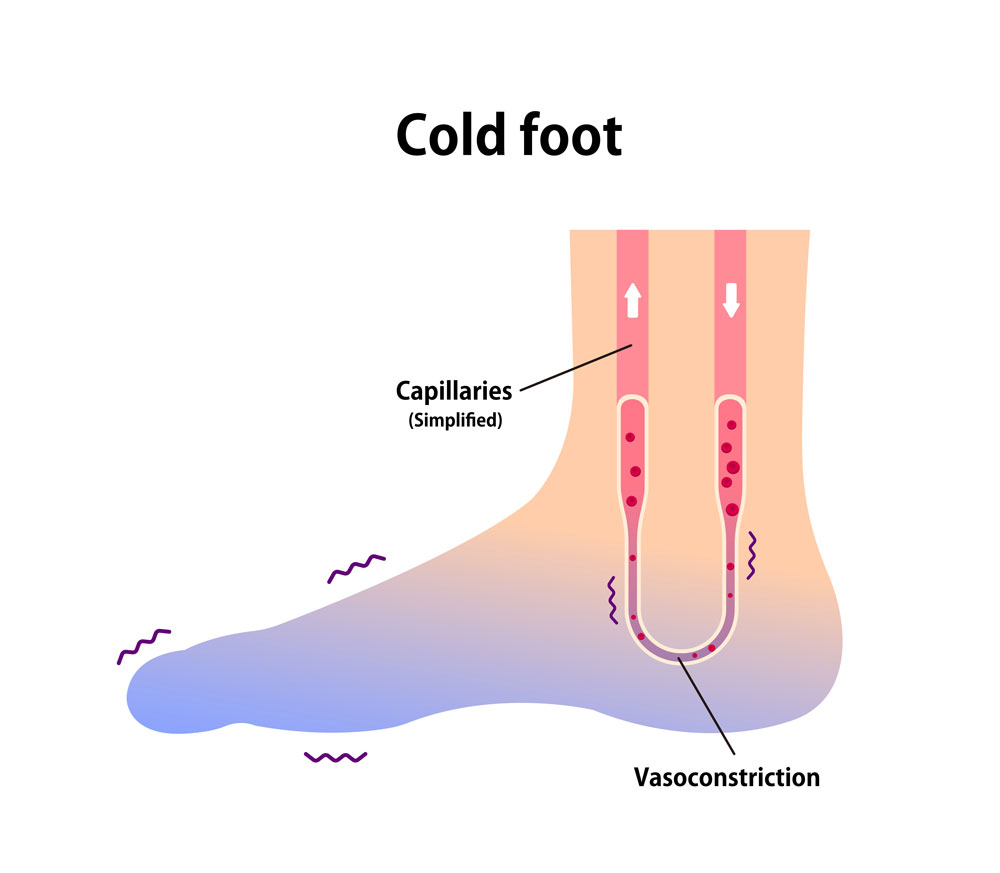
One of the most common signs is experiencing persistently cold hands and feet, even in warm environments. This occurs because the body prioritizes blood flow to vital organs, diverting it away from the extremities when circulation is compromised. Numbness, tingling sensations, and a feeling of pins and needles are also indicative of insufficient blood supply to nerves.
Skin Deep Changes: Color Alterations and Slow Healing Wounds
Changes in skin color can be telling. Bluish or purplish discoloration, particularly in the legs and feet, can signify a lack of oxygenated blood. Conversely, pale or white patches might indicate a severe reduction in blood flow. Furthermore, wounds and sores that take an unusually long time to heal, or that do not heal at all, are a strong indicator of poor circulation, as the necessary nutrients and immune cells cannot reach the affected area effectively.
Muscular Aches and Cramps: The Body’s Silent Protest
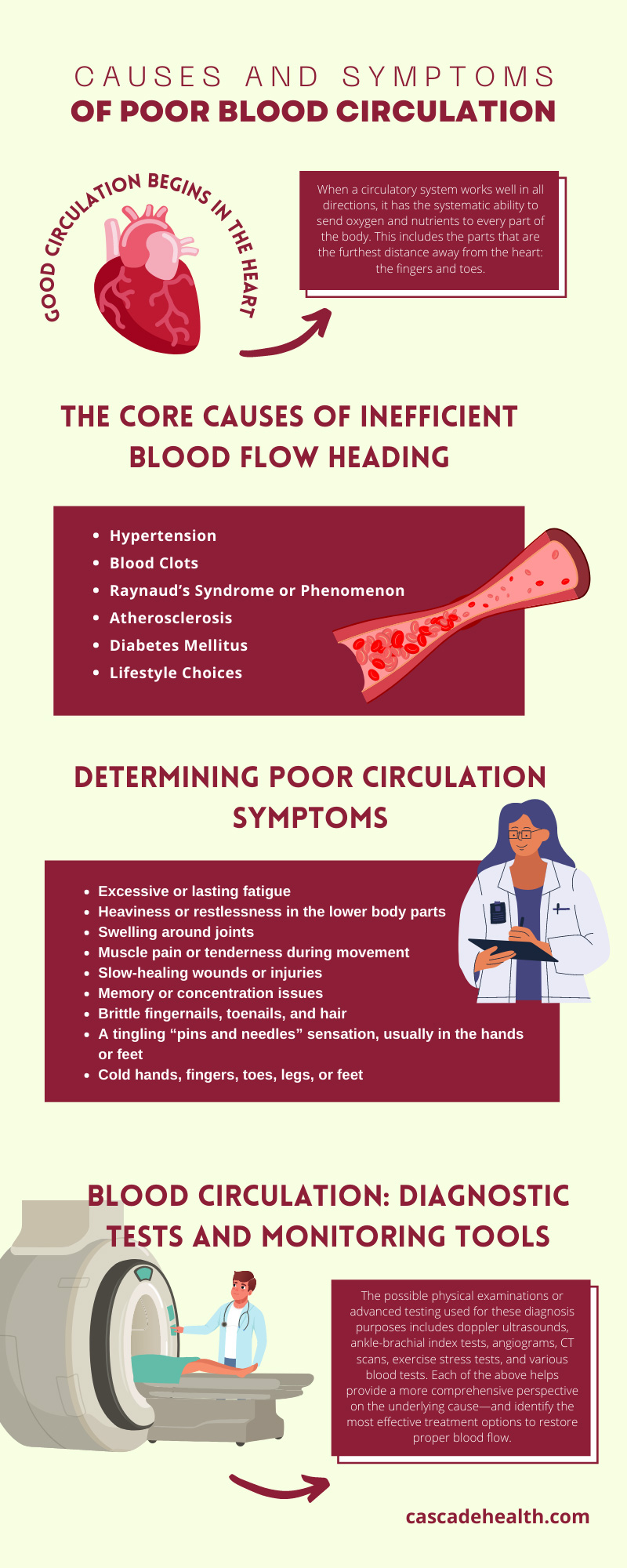
Muscle pain, cramping, and fatigue, especially during physical activity, can be a symptom of insufficient blood flow to the muscles. This condition, known as claudication, often affects the legs and can make walking or other forms of exercise uncomfortable or even impossible.
Beyond the Surface: Internal Signals of a Circulatory Crisis
While external signs are important, internal symptoms can also point to underlying circulatory problems.
Swelling and Edema: The Accumulation of Fluid
Fluid buildup, known as edema, can occur when blood vessels are unable to efficiently return fluid from tissues back to the bloodstream. This often manifests as swelling in the legs, ankles, and feet, and can be a sign of heart failure or kidney problems, both of which are linked to circulatory dysfunction.
Fatigue and Reduced Energy Levels: The Body’s Depletion
When your organs and tissues aren’t receiving adequate oxygen and nutrients, it’s natural to feel fatigued and experience a general lack of energy. This chronic tiredness can be a subtle yet significant indicator of compromised blood circulation.
Embracing Modern Solutions: Technology and Finance as Allies in Circulation Health
In today’s rapidly evolving world, technology and smart financial planning offer powerful tools to understand, manage, and even proactively address poor blood circulation.
Leveraging Tech for Insight and Intervention: Smart Health and Digital Wellness
The convergence of technology and healthcare has opened up unprecedented avenues for managing our well-being, including circulatory health.
Wearable Technology: Your Personal Circulatory Monitor
Smartwatches and fitness trackers are no longer just for counting steps. Many advanced wearables now incorporate features that monitor heart rate, track blood oxygen levels (SpO2), and even detect irregular heart rhythms (arrhythmias). While these devices are not diagnostic tools, the data they collect can provide valuable insights into your cardiovascular health and alert you to potential issues that warrant further investigation by a medical professional. The continuous monitoring capabilities allow for the identification of trends and patterns that might otherwise go unnoticed.
Telemedicine and Remote Monitoring: Bridging the Healthcare Gap
The rise of telemedicine has revolutionized access to healthcare. Individuals experiencing symptoms of poor circulation can consult with doctors remotely, reducing the need for in-person visits and increasing convenience. Furthermore, remote patient monitoring devices allow healthcare providers to track vital signs and other health metrics from a distance, enabling early intervention and personalized treatment plans. This is particularly beneficial for those with chronic conditions who require regular check-ups and close supervision.
AI-Powered Health Apps and Diagnostic Tools: Unlocking Deeper Understanding
Artificial intelligence (AI) is increasingly being integrated into health applications and diagnostic tools. AI algorithms can analyze large datasets of medical information to identify risk factors for circulatory diseases, predict potential complications, and even assist in the diagnosis of certain conditions. While still evolving, these tools hold immense promise for providing personalized health recommendations and empowering individuals to take a more proactive approach to their circulatory well-being. Imagine an app that analyzes your wearable data, dietary habits, and genetic predispositions to offer tailored advice on improving blood flow.
Digital Therapeutics and Guided Wellness Programs: Empowering Self-Management
Beyond monitoring, digital therapeutics offer structured programs designed to improve health outcomes. These can include app-based interventions for managing diabetes, hypertension, or even programs focused on exercise and mindfulness, all of which have a positive impact on circulation. Guided wellness programs, accessible through apps and online platforms, can provide individuals with the knowledge and tools to make sustainable lifestyle changes that promote better blood flow, such as tailored exercise routines or stress management techniques.
Financial Strategies for Proactive Health: Investing in Your Circulatory Future
Maintaining good health, including optimal circulation, often requires investment. Strategic financial planning can ensure that you have the resources to access necessary medical care, adopt healthy habits, and invest in preventive measures.
Health Savings Accounts (HSAs) and Flexible Spending Accounts (FSAs): Smart Savings for Healthcare Needs
HSAs and FSAs are tax-advantaged savings accounts that allow individuals to set aside money for qualified medical expenses. This can include doctor’s visits, prescription medications, diagnostic tests, and even the purchase of health-related gadgets like blood pressure monitors or smart scales. Utilizing these accounts can make healthcare more affordable and encourage proactive health management, including addressing circulatory concerns.
Health Insurance and Preventive Care: A Foundation for Well-being
A robust health insurance plan is a cornerstone of managing circulatory health. Comprehensive insurance coverage ensures access to regular check-ups, specialist consultations, and necessary treatments. Many insurance plans also offer incentives for preventive care, such as discounts on gym memberships or wellness programs, further encouraging a proactive approach to health and circulation.
Investing in Healthy Habits: The Long-Term Financial Dividend
Making conscious financial choices to support healthy habits can yield significant long-term dividends for your circulatory health. This could involve allocating a budget for nutritious foods, investing in comfortable and supportive footwear, or dedicating funds to activities that promote movement, such as joining a fitness class or investing in home exercise equipment. While these might seem like expenditures, they are essentially investments in preventing costly health issues down the line.
The Power of Information: Utilizing Online Resources for Financial Wellness
The internet provides a wealth of free and low-cost resources for improving financial literacy. Understanding personal finance, budgeting, and investment strategies can free up financial resources that can then be allocated towards health and well-being. Furthermore, online communities and forums dedicated to financial planning can offer valuable advice and support for managing your money effectively, including making it work for your health goals.
In conclusion, poor blood circulation is a multifaceted health challenge influenced by a range of factors. However, by understanding its causes and recognizing its symptoms, we are empowered to take control of our well-being. The integration of cutting-edge technology and astute financial planning provides us with an unprecedented toolkit to monitor our health, access timely medical advice, and make informed decisions that promote a healthy and robust circulatory system. By embracing these modern solutions, we can transform the silent threat of poor blood circulation into a manageable aspect of our overall health journey, paving the way for a longer, healthier, and more vibrant life.
aViewFromTheCave is a participant in the Amazon Services LLC Associates Program, an affiliate advertising program designed to provide a means for sites to earn advertising fees by advertising and linking to Amazon.com. Amazon, the Amazon logo, AmazonSupply, and the AmazonSupply logo are trademarks of Amazon.com, Inc. or its affiliates. As an Amazon Associate we earn affiliate commissions from qualifying purchases.