
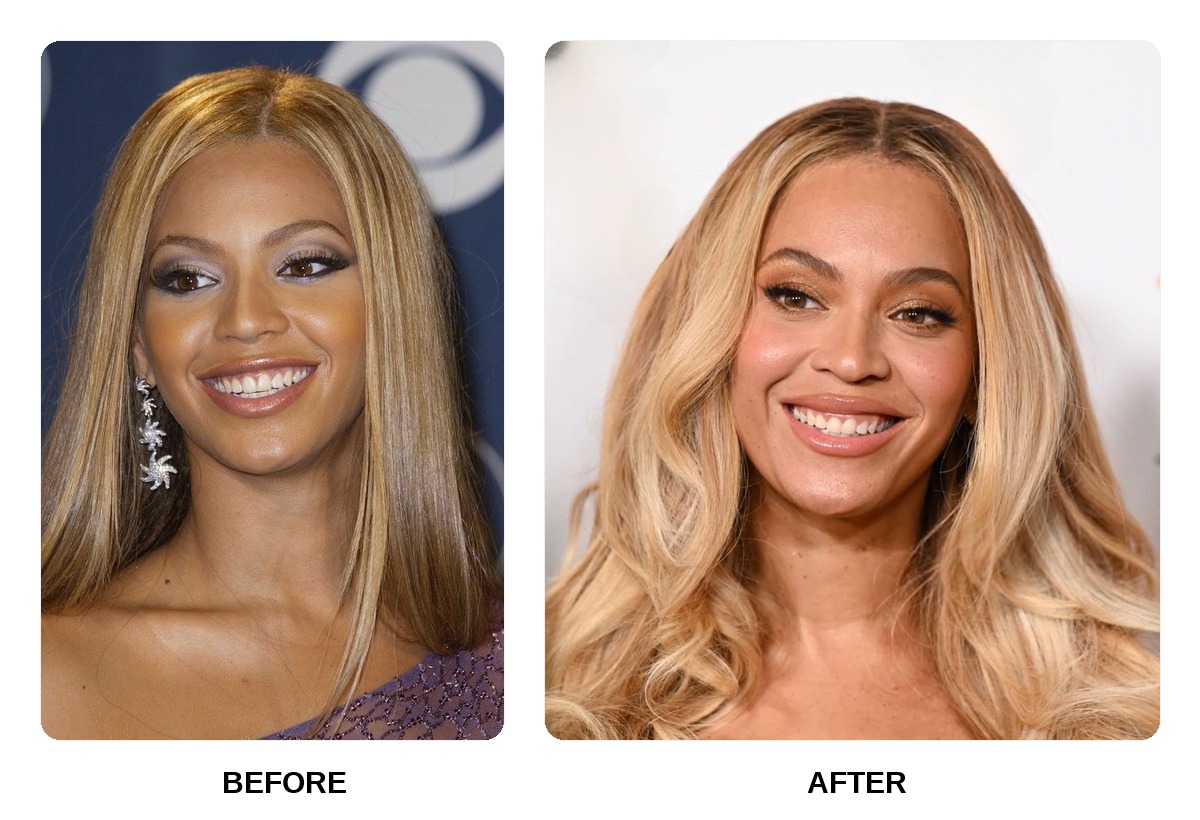
The question “What happened to Beyoncé?” is rarely asked in the context of a fading star. Instead, it is a question of metamorphosis. Over the last two decades, Beyoncé Knowles-Carter has undergone one of the most sophisticated brand evolutions in modern history. She has transitioned from a standard-issue R&B star into a multi-vertical corporate entity, a cultural architect, and a masterclass in luxury brand positioning.
To understand what “happened” to Beyoncé is to understand the shift from traditional celebrity marketing to a “silent” prestige model that prioritizes scarcity, narrative control, and ecosystem building. In an era where most celebrities overexpose themselves to stay relevant, Beyoncé’s brand has thrived by doing the exact opposite.

1. From Pop Star to Cultural Monolith: The Strategic Pivot
The early 2000s saw Beyoncé as the quintessential pop star. Her brand was built on accessibility, high-energy performances, and radio-friendly hits. However, around 2011, a significant shift occurred. Beyoncé took control of her own management, founding Parkwood Entertainment. This move was the catalyst for the “New Beyoncé” brand—one that moved away from being a product of the music industry to becoming the owner of it.
The Transition from Collective to Individual Identity
The evolution began with the decoupling of her brand from Destiny’s Child. While many lead singers fail to survive the transition to solo stardom, Beyoncé utilized a “cascading brand” strategy. She leveraged the existing equity of the group while systematically introducing a more sophisticated, mature aesthetic. This wasn’t just about music; it was about visual identity. She stopped being a “performer” and started being a “visionary.”
Defining the ‘Icon’ Archetype
In brand psychology, the “Icon” archetype is reserved for entities that represent something larger than their product. Beyoncé moved into this space by aligning her personal brand with social movements, high art, and historical narratives. By the time she released Lemonade, she was no longer just selling songs; she was selling a cultural discourse. This elevated her brand above the “churn and burn” cycle of the Billboard charts, ensuring long-term brand equity that isn’t dependent on a single hit.
2. The Art of the Invisible Launch: Disrupting Traditional Marketing
Perhaps the most significant moment in Beyoncé’s brand history occurred on December 13, 2013. Without any prior announcement, marketing campaign, or press junket, she released her self-titled visual album. This “surprise drop” fundamentally changed the rules of engagement between brands and consumers.
Redefining the Digital Release Strategy
Before 2013, the industry standard for a product launch involved months of “teasing”—interviews, radio tours, and snippets. Beyoncé’s brand identified a growing consumer fatigue with traditional advertising. By bypassing the hype cycle, she turned the release into an “event.” The product became the marketing. This strategy leveraged the power of social media virality, proving that if a brand has enough “gravity,” the consumers will find the product without being prompted by traditional ads.
Scarcity and Exclusivity as Brand Assets
Since that pivot, Beyoncé has embraced a strategy of strategic silence. She rarely gives interviews, and her social media presence is curated like a high-end fashion magazine rather than a personal diary. In the world of branding, distance creates value. By being “unavailable,” she makes every appearance feel like a rare, luxury experience. This creates a high barrier to entry and increases the perceived value of her “brand moments,” whether it’s a tour or a product launch.
3. Brand Architecture: Diversification Beyond the Stage
“What happened to Beyoncé” is also a story of aggressive and intelligent diversification. She has successfully applied her brand equity to multiple industries, from athleisure to luxury hair care, following a “house of brands” model.
Ivy Park and the Athleisure Pivot
Ivy Park represented a major step in her brand architecture. Rather than a simple celebrity endorsement, Ivy Park was a partnership that emphasized “performance” and “empowerment.” The brand’s marketing didn’t just focus on the clothes; it focused on the “Ivy Park state of mind.” Even when the partnership with Adidas concluded, the brand’s identity remained intact because it was built on a philosophy rather than a specific distribution channel.
Cécred and the Venture into Scientific Self-Care
With the launch of Cécred, her hair care line, Beyoncé moved into the prestige beauty market. This wasn’t a “celebrity vanity project.” The brand’s positioning focused on “the intersection of tradition and science.” By leaning into her personal history—her mother’s salon—the brand established immediate “founder-market fit.” The branding is minimalist, expensive-looking, and clinical, targeting a consumer who values efficacy over fame. This shows a transition from “influencer marketing” to “institutional branding.”
4. The BeyHive Ecosystem: Cultivating Brand Advocacy
The most powerful asset any brand can have is a loyal community. Beyoncé doesn’t just have fans; she has the “BeyHive,” one of the most organized and loyal consumer bases in the world. From a brand strategy perspective, this is a masterpiece of community-led growth.
The Power of Community-Led Growth
The BeyHive acts as a decentralized marketing department. They defend the brand, promote new releases, and create a sense of belonging for other consumers. Beyoncé fosters this by using coded language and visual cues that only the community understands. This creates an “in-group” feeling, which is the holy grail of brand loyalty. When a consumer feels like they are part of a movement, their price sensitivity decreases and their brand stickiness increases.
Controlling the Narrative in the Age of Social Media
In a digital landscape where brands are often at the mercy of the “cancel culture” or the “algorithm,” Beyoncé’s brand maintains an unprecedented level of control. She uses her owned channels (her website and Instagram) to tell her story on her own terms. By not engaging in the “attention economy” through constant tweeting or TikTok trends, she protects her brand from the volatility of the internet. She has successfully trained her audience to wait for her, rather than her chasing the audience.
5. The Legacy Shift: Beyoncé as a Corporate Entity
Ultimately, what “happened” to Beyoncé is that she ceased to be a person and became a corporate philosophy. Under Parkwood Entertainment, her business model has become a blueprint for modern “creator-led” businesses.
Strategic Partnerships vs. Full Ownership
One of the hallmarks of her recent strategy is the move toward total ownership. Whether it’s her films on Netflix and Disney+ or her music masters, the goal is long-term asset management. This is the difference between being a “brand ambassador” and a “brand owner.” Beyoncé has realized that the true power lies in the equity of the IP (Intellectual Property), not just the salary for the performance.

What the Future Holds for the Parkwood Model
The “Beyoncé Blueprint” is now being studied in business schools. It’s a model that prioritizes quality over quantity, narrative over noise, and ownership over influence. As she continues to expand her empire—perhaps into tech, hospitality, or more traditional venture capital—the core brand remains the same: excellence, mystery, and power.
In conclusion, “what happened to Beyoncé” is that she became the ultimate brand. She proved that in a world of constant noise, the loudest voice is often the one that chooses when to speak. By mastering the art of the pivot, the surprise, and the vertical expansion, she has moved beyond the constraints of the music industry to become a permanent fixture in the global business landscape. Her evolution is not a disappearance, but a definitive ascension into the pantheon of iconic global brands.
aViewFromTheCave is a participant in the Amazon Services LLC Associates Program, an affiliate advertising program designed to provide a means for sites to earn advertising fees by advertising and linking to Amazon.com. Amazon, the Amazon logo, AmazonSupply, and the AmazonSupply logo are trademarks of Amazon.com, Inc. or its affiliates. As an Amazon Associate we earn affiliate commissions from qualifying purchases.