
Have you ever marveled at a flock of birds moving in perfect synchronicity, or the intricate complexity of a bustling city? These phenomena, where the collective behavior is more than the sum of its individual parts, are prime examples of emergent properties. In a world increasingly defined by interconnected systems, from the software we use daily to the global economy, understanding emergence is not just an academic curiosity; it’s a crucial lens through which to view innovation, strategy, and progress across technology, branding, and finance.
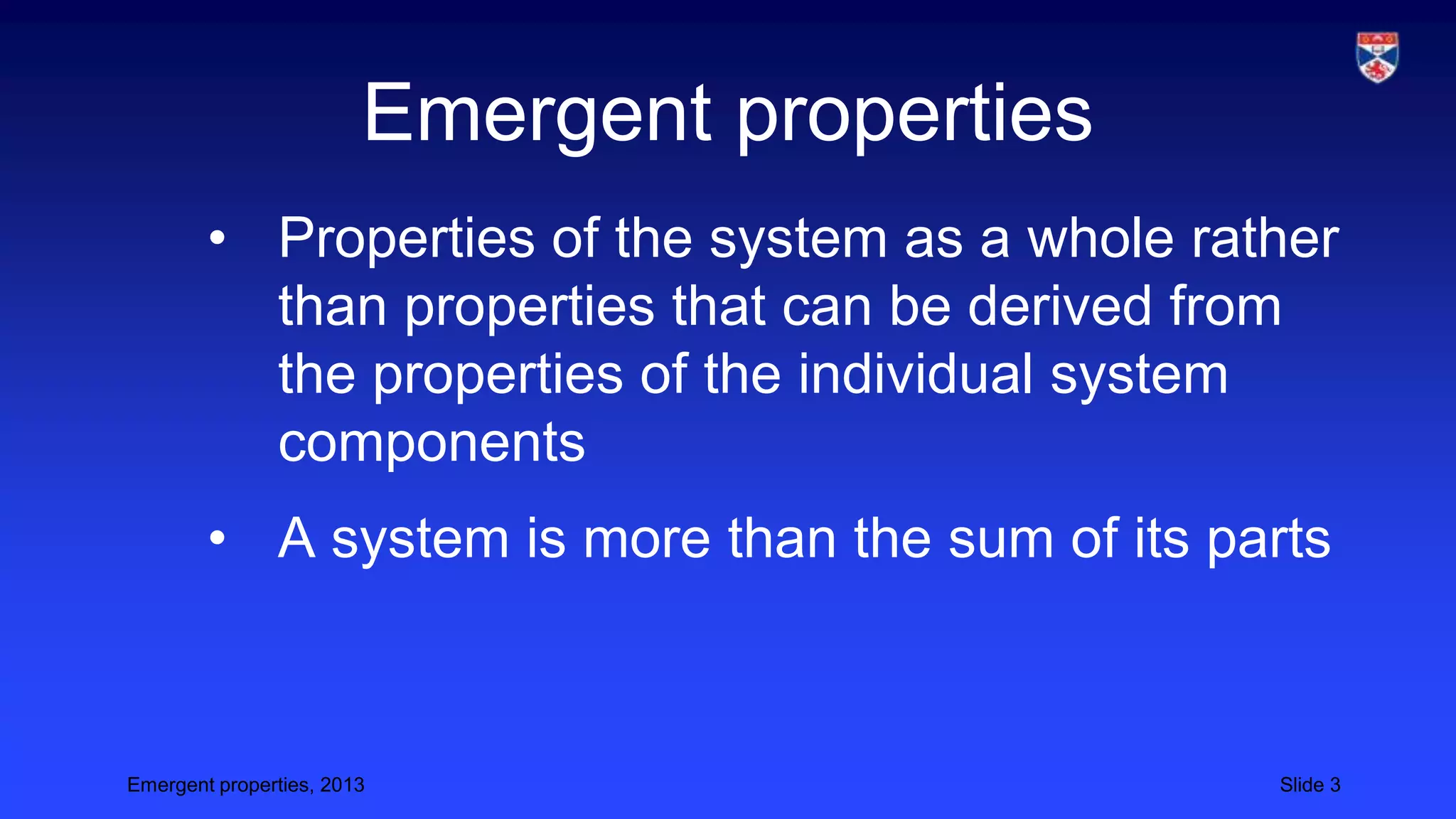
Emergent properties are characteristics of a complex system that are not present in its individual components. They arise from the interactions and relationships between these components, creating a behavior or quality that is novel, unpredictable, and often surprising. Think of a single ant – it has a limited set of behaviors. But thousands of ants, interacting through simple rules, can build intricate colonies, forage efficiently, and even defend their territory with a collective intelligence that far surpasses any single ant’s capacity. This is emergence in action.
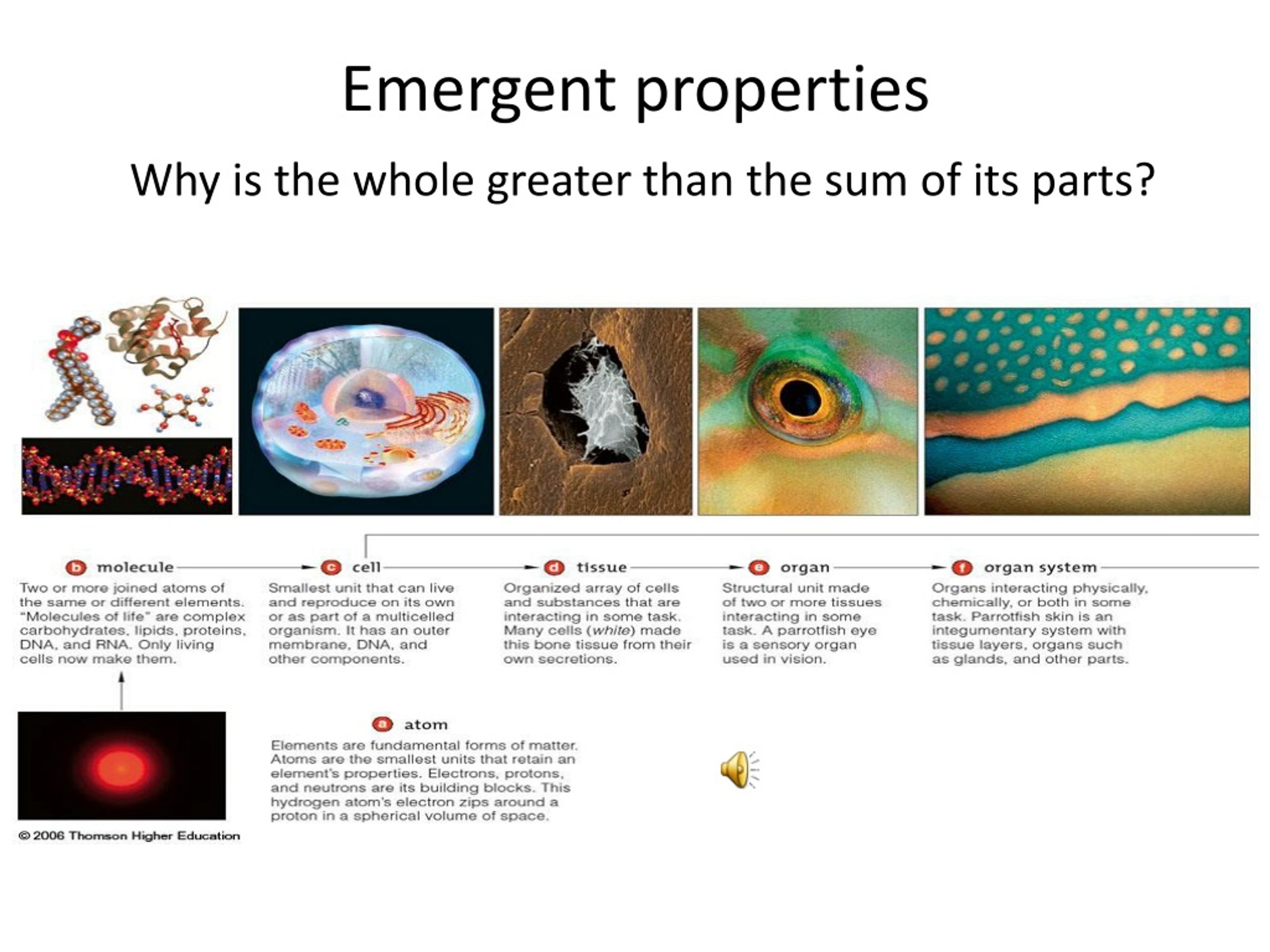
This concept isn’t confined to the natural world. It’s a fundamental principle that drives progress and creates value in the very domains your favorite websites explore: Tech, Brand, and Money. From the dazzling capabilities of artificial intelligence to the cohesive identity of a successful brand, and even the dynamic fluctuations of the financial markets, emergence is the unseen architect.
Emergence in the Digital Frontier: Tech’s Evolving Landscape
The world of technology is perhaps the most fertile ground for observing emergent properties. At its core, technology is about creating systems – complex arrangements of hardware, software, algorithms, and data. The very nature of these systems lends itself to emergent behaviors.
Software and AI: From Code to Consciousness (Almost)
Consider the building blocks of software: lines of code. Individually, a single line of code does something very specific. It might add two numbers, display a pixel, or check a condition. However, when millions, or even billions, of these lines are woven together in intricate patterns, interacting through logic gates and data flows, they can create applications with capabilities far beyond the simple instructions of their constituent parts.
A word processor, for instance, isn’t just a collection of commands. It’s a system that facilitates writing, editing, formatting, and collaboration. The ability to draft a novel, design a presentation, or even collaborate in real-time with someone across the globe emerges from the complex interplay of code.
Artificial Intelligence (AI) represents an even more profound example. Machine learning models are trained on vast datasets, with individual parameters adjusting based on mathematical functions. Yet, when these models reach a certain scale and complexity, they begin to exhibit emergent abilities. They can generate creative text, compose music, identify subtle patterns in medical scans, or even strategize in complex games like Go or Chess. These capabilities are not explicitly programmed; they emerge from the learning process and the intricate network of connections within the AI. The LLM’s (Large Language Models) ability to converse naturally, answer complex questions, and even exhibit a form of “reasoning” is a testament to emergent properties in AI.
Gadgets and Apps: The Sum of More Than Its Functions
The gadgets and apps we use daily are also testaments to emergence. A smartphone, for example, is a collection of components: a processor, a screen, a battery, sensors, and radios. Each component has a specific function. But when these are integrated into a cohesive operating system and ecosystem, the emergent property is a powerful, portable computer that connects us to the world, entertains us, and streamlines our lives.
The app ecosystem takes this further. A single app might perform a specific task, like ordering food or booking a ride. However, the interconnectedness of these apps, often through APIs (Application Programming Interfaces), allows for emergent functionalities. You might use a travel app that pulls data from flight aggregators, hotel booking platforms, and mapping services, creating a seamless travel planning experience that no single app could offer. Digital security tools, too, rely on emergent properties. Antivirus software, for instance, doesn’t just detect known viruses; its ability to identify novel threats often emerges from analyzing patterns of suspicious behavior across a vast network of users. Productivity apps, when used in conjunction, can foster collaborative workflows and streamline project management, creating an output that is more efficient than the sum of individual task management.
Trends and the Future: Predicting the Unpredictable
Understanding emergent properties is crucial for anticipating future tech trends. Often, the most disruptive innovations arise not from a single, revolutionary invention, but from the convergence of existing technologies and their unexpected interactions. The rise of the metaverse, for example, is an emergent phenomenon driven by advancements in VR/AR, blockchain, AI, and high-speed internet. The ultimate form and impact of such trends are difficult to predict, as their emergent nature means they will likely evolve in ways we haven’t fully envisioned.
The Art of Being: Emergence in Branding and Identity
Branding, at its heart, is about crafting an identity and a perception for a product, service, or individual. While individual marketing efforts, design choices, or customer service interactions are important, the true power of a brand lies in its emergent properties.
Corporate Identity and Reputation: The Feeling of a Brand
A company’s corporate identity is more than just its logo, color palette, or mission statement. It’s the intangible feeling, the reputation, and the trust that customers associate with it. This identity emerges from the cumulative experience of every touchpoint a customer has with the brand – from advertising campaigns and product quality to customer support and social media presence.
Think of Apple. Individually, an iPhone is a piece of technology. But the brand “Apple” evokes feelings of innovation, premium quality, and a certain lifestyle. This emotional connection and perceived value are emergent properties that arise from years of consistent messaging, product design philosophy, and a carefully cultivated user experience. It’s the sum of countless interactions, carefully orchestrated, that creates this powerful emergent persona.
Marketing and Design: Orchestrating the Emergent
Marketing and design are the tools through which brands attempt to shape and guide these emergent properties. A well-executed marketing campaign can create a narrative that resonates with consumers, fostering a collective understanding and appreciation for the brand. Design, whether it’s a website, packaging, or an app interface, contributes to the overall sensory and functional experience, subtly influencing perception.
Case studies of successful brands often highlight how seemingly disparate marketing efforts, when aligned with a core brand strategy, converge to create a powerful and recognizable identity. The consistency in messaging, visual language, and tone across different platforms and channels allows the brand’s true character to emerge. It’s the subtle, often subconscious, amplification of these elements that builds a strong brand reputation. Personal branding, too, operates on similar principles. An individual’s online presence, their interactions, their skills, and their outward demeanor all contribute to an emergent personal brand that can attract opportunities and build trust.
The Unfolding Value: Emergence in the World of Money
The financial world is a complex ecosystem where emergent properties are not just observable but are the very drivers of its dynamics. From individual investments to global markets, understanding these emergent phenomena is key to navigating the financial landscape.
Personal Finance and Investing: The Wisdom (and Madness) of Crowds
In personal finance, the principles of compound interest are a classic example of emergence. A single dollar invested today doesn’t offer much. But when that dollar earns interest, and that interest then earns more interest, the growth becomes exponential. The significant wealth accumulated over time is an emergent property of consistent saving and reinvestment, far exceeding the initial small sums.
In the realm of investing, the “wisdom of crowds” is a direct manifestation of emergence. Individual investors make decisions based on their own research, biases, and information. However, when thousands or millions of these investors interact, buying and selling assets, their collective actions can create market trends, price bubbles, and crashes. The stock market’s volatility, its seemingly irrational swings, and its overall direction are emergent properties of the aggregated decisions of its participants. Understanding these emergent behaviors is crucial for both individual investors and financial institutions.
Online Income and Business Finance: The Network Effect
The rise of online income streams and the gig economy is also shaped by emergence. Platforms that connect freelancers with clients, or content creators with audiences, benefit from network effects. The more users a platform has, the more valuable it becomes for everyone on it. This increased value, leading to more opportunities and greater income potential, is an emergent property of the growing interconnectedness of the network.
In business finance, the success of a company often depends on emergent properties within its organizational structure and market interactions. A well-functioning team, where individuals collaborate and share ideas, can achieve a level of innovation and problem-solving that transcends individual capabilities. The company’s overall financial health and market position are emergent outcomes of the collective efforts of its employees, its strategic decisions, and its relationship with customers and competitors. Financial tools, too, can foster emergent efficiencies. Integrated accounting software, for example, can streamline processes and provide insights into financial performance that wouldn’t be apparent from manual record-keeping.
Financial Tools and Market Dynamics: The Symphony of Transactions
Financial tools, from trading algorithms to automated financial advisors, are designed to interact with and even shape market dynamics. The complex interactions of these tools, along with human traders, contribute to the intricate, and often unpredictable, movements of financial markets. The concept of “market sentiment” itself is an emergent property, a collective mood or attitude that influences trading behavior. Predicting its shifts is a constant challenge for those involved in finance.
Conclusion: Embracing the Unexpected
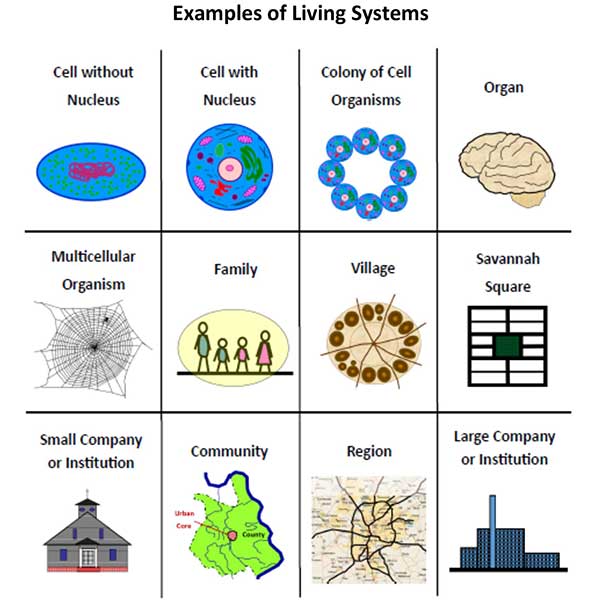
Emergent properties are a powerful reminder that in complex systems, the whole is often greater – and sometimes entirely different – than the sum of its parts. Whether we’re discussing the latest AI breakthrough, the enduring appeal of a beloved brand, or the fluctuating tides of the financial markets, the principles of emergence offer a valuable framework for understanding how innovation, value, and progress are generated. By recognizing that novel and unpredictable qualities can arise from simple interactions, we can better anticipate future trends, build more resilient systems, and ultimately, navigate our increasingly interconnected world with greater insight and anticipation. The magic of emergence lies in its inherent surprise, a constant source of wonder and a driving force behind the evolution of technology, branding, and finance.
aViewFromTheCave is a participant in the Amazon Services LLC Associates Program, an affiliate advertising program designed to provide a means for sites to earn advertising fees by advertising and linking to Amazon.com. Amazon, the Amazon logo, AmazonSupply, and the AmazonSupply logo are trademarks of Amazon.com, Inc. or its affiliates. As an Amazon Associate we earn affiliate commissions from qualifying purchases.