
In today’s hyper-connected world, the term “social engagement” is ubiquitous. We hear it in conversations about marketing campaigns, digital strategies, and even personal relationships. But what exactly does it mean to be socially engaged, and why is it so important across the diverse landscapes of technology, brand building, and finance? At its core, social engagement refers to the active participation and interaction between individuals, groups, or entities within social contexts. It’s the process of building and nurturing relationships, fostering dialogue, and creating shared experiences.
This article will delve into the multifaceted nature of social engagement, exploring its fundamental principles and then examining how these principles manifest and are leveraged within the distinct yet interconnected domains of Tech, Brand, and Money. Understanding social engagement is no longer a niche concern; it’s a vital competency for anyone looking to thrive in the modern digital economy.

The Pillars of Social Engagement: Why Interaction Matters
Before we dissect social engagement within specific industries, it’s crucial to understand the foundational elements that drive it. Social engagement isn’t simply about being present; it’s about meaningful interaction. This involves a two-way street of communication, where individuals or entities not only broadcast information but also listen, respond, and adapt.
The Psychology of Connection: Building Rapport and Trust
At its heart, social engagement taps into fundamental human needs for connection, belonging, and validation. When individuals feel heard, understood, and valued, they are more likely to reciprocate and invest their time and attention. This psychological bedrock is what allows for the formation of authentic relationships, whether between friends, colleagues, or a brand and its customers. Trust is the currency of engagement. Without it, any attempt at interaction will likely be superficial and short-lived. Building trust requires consistency, transparency, and genuine empathy.
The Dynamics of Interaction: Dialogue and Feedback Loops
Social engagement thrives on dialogue. It’s not a monologue where one party speaks and the other passively receives. Instead, it’s a dynamic exchange of ideas, opinions, and emotions. This dialogue creates feedback loops, allowing participants to refine their understanding, adjust their approaches, and deepen their connection. Think of a lively debate, a collaborative project, or even a simple conversation: the back-and-forth is what generates momentum and strengthens the bond. In a digital context, these interactions can take the form of comments, likes, shares, reviews, and direct messages. The speed and accessibility of digital platforms amplify these feedback loops, making engagement more immediate and impactful.
The Value of Shared Experiences: Creating Community and Loyalty
Humans are inherently social creatures, and shared experiences are powerful catalysts for engagement. When individuals participate in something together, whether it’s a live event, a trending conversation, or a collaborative learning process, they forge a sense of community. This shared experience creates a common ground and fosters a feeling of belonging, which in turn cultivates loyalty. For brands and organizations, creating opportunities for shared experiences can transform passive consumers into active advocates. This can be achieved through user-generated content campaigns, interactive events, or exclusive community forums.
Social Engagement in the Tech Landscape: Driving Adoption and Innovation
The technology sector is perhaps one of the most visible arenas where social engagement plays a pivotal role. From the early days of online forums and early adopter communities to the sophisticated algorithms that personalize our digital experiences today, technology is intrinsically linked with how we connect and interact.
Leveraging Digital Platforms for Connection and Support
Technology has provided us with an unprecedented array of platforms for social engagement. Social media networks, messaging apps, online gaming communities, and collaborative software all serve as digital spaces where individuals can connect, share, and interact. For tech companies, these platforms are not just communication channels; they are vital conduits for customer support, feedback collection, and community building.
- Customer Support and Problem Solving: Engaging with users through social media or dedicated forums allows tech companies to address issues promptly, provide solutions, and demonstrate their commitment to customer satisfaction. This proactive approach not only resolves individual problems but also builds a reputation for reliability.
- Feedback Loops for Product Development: The insights gleaned from social engagement are invaluable for product development and innovation. By listening to user discussions, reviews, and suggestions, tech companies can identify pain points, uncover unmet needs, and prioritize features that will resonate with their target audience. This constant feedback loop ensures that products evolve in alignment with user expectations.
- Building Developer Communities: For software and app developers, fostering an engaged community of users and fellow developers is crucial. This involves sharing tutorials, releasing beta versions for testing, and creating spaces for knowledge exchange. A vibrant developer community can lead to the creation of valuable third-party integrations, bug identification, and ultimately, wider adoption of the core technology.
The Role of AI and Personalization in Enhancing Engagement
Artificial intelligence (AI) is increasingly being employed to understand and enhance social engagement. AI algorithms can analyze vast amounts of data to identify trends, predict user behavior, and personalize interactions.
- Personalized Content and Recommendations: AI-powered recommendation engines, common in streaming services and e-commerce platforms, learn user preferences to suggest content or products that are more likely to be of interest. This personalized approach increases the likelihood of engagement by ensuring users see what’s relevant to them.
- Chatbots and Virtual Assistants: AI-driven chatbots are revolutionizing customer service by providing instant, 24/7 support. They can handle routine queries, guide users through processes, and even offer personalized recommendations, freeing up human agents for more complex issues. The effectiveness of chatbots hinges on their ability to engage in natural-sounding dialogue and understand user intent.
- Sentiment Analysis for Brand Monitoring: AI tools can analyze social media conversations and online reviews to gauge public sentiment towards a brand, product, or service. This sentiment analysis provides early warnings of potential PR crises and highlights areas where engagement strategies might need adjustment.
Digital Security and the Importance of Trust in Engagement
While technology enables unprecedented levels of social engagement, it also presents challenges related to digital security. Protecting user data and ensuring privacy are paramount for maintaining trust, which is the cornerstone of any engagement strategy.
- Data Privacy and Transparency: Users are increasingly concerned about how their data is collected and used. Tech companies that are transparent about their data policies and demonstrate a commitment to user privacy are more likely to foster genuine engagement. Breaches of trust in this area can have devastating consequences for a brand’s reputation and user base.
- Combating Misinformation and Online Harassment: The open nature of digital platforms can unfortunately be exploited for the spread of misinformation and online harassment. Platforms that actively moderate content, implement robust reporting mechanisms, and prioritize user safety create a more positive and engaging environment, encouraging constructive dialogue.
Social Engagement in Branding: Cultivating Loyalty and Driving Growth
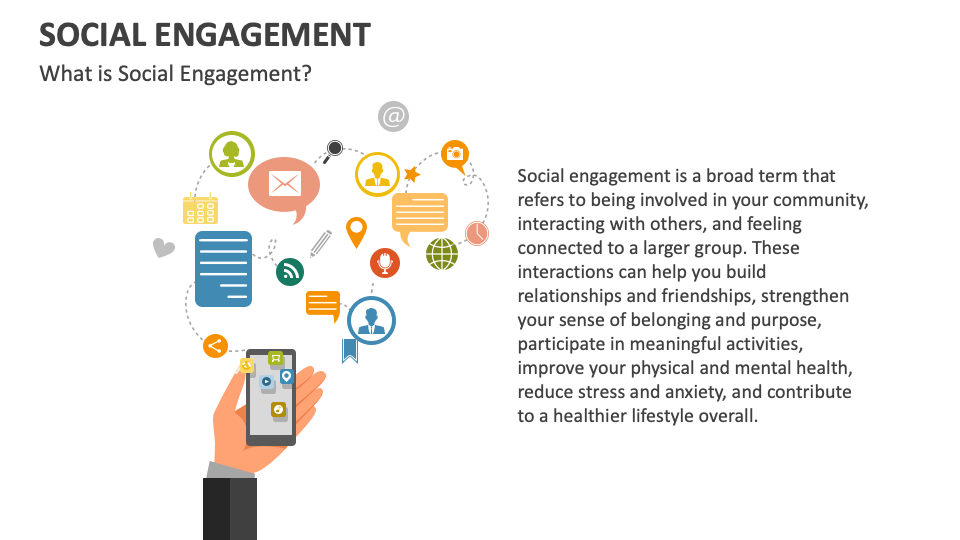
For brands, social engagement is not just a buzzword; it’s a fundamental strategy for building recognition, fostering loyalty, and ultimately, driving business growth. In an increasingly crowded marketplace, brands that can connect with their audiences on a deeper, more personal level stand out.
Building a Brand Identity Through Authentic Interaction
A brand’s identity is more than just a logo or a tagline; it’s the sum of its interactions and the perceptions it creates. Social engagement is the mechanism through which this identity is built and communicated.
- Storytelling and Emotional Connection: Brands that engage their audience through compelling stories can forge powerful emotional connections. Whether it’s sharing the journey of their founders, highlighting the impact of their products, or showcasing customer success stories, authentic storytelling resonates and encourages participation.
- Consistent Voice and Personality: A brand’s voice and personality should be consistent across all touchpoints, especially in social interactions. Whether witty, informative, or empathetic, this consistent persona helps in building recognition and makes the brand relatable. This allows customers to feel like they are interacting with a distinct entity, not just a faceless corporation.
- User-Generated Content (UGC) as a Trust Builder: Encouraging and showcasing user-generated content is a powerful way for brands to build trust and authenticity. When customers share their positive experiences with a brand, it acts as a powerful endorsement, influencing potential customers more effectively than traditional advertising. This also fosters a sense of community and belonging among customers.
Marketing and Advertising in the Age of Social Interaction
Traditional advertising models are being augmented, and in some cases replaced, by social engagement-driven marketing strategies. The focus shifts from broadcasting messages to facilitating conversations.
- Social Media Marketing as a Two-Way Street: Social media platforms offer unparalleled opportunities for brands to engage directly with their target audiences. This involves not only posting content but also actively responding to comments, participating in relevant conversations, and running interactive campaigns like polls, Q&As, and contests.
- Influencer Marketing and Community Building: Collaborating with influencers allows brands to tap into established communities and leverage trusted voices to reach new audiences. Successful influencer marketing goes beyond mere product placement; it involves genuine collaboration and authentic endorsement, fostering engagement within the influencer’s community.
- Reputation Management and Crisis Communication: In the digital age, a brand’s reputation can be significantly impacted by social engagement, both positive and negative. Proactive social listening and swift, empathetic responses to customer complaints or negative feedback are crucial for managing reputation and mitigating potential crises. Engaging with criticism constructively demonstrates accountability and a commitment to improvement.
Designing for Engagement: Creating Seamless User Experiences
The design of a brand’s digital presence, from its website to its social media profiles, plays a critical role in facilitating social engagement.
- Intuitive Navigation and Clear Calls to Action: A well-designed website or app makes it easy for users to find information, interact with the brand, and take desired actions. Clear calls to action encourage engagement, whether it’s signing up for a newsletter, making a purchase, or sharing content.
- Visual Storytelling and Brand Aesthetics: The visual elements of a brand’s communication – its imagery, videos, and graphic design – are powerful tools for capturing attention and conveying its personality. Engaging visuals can spark conversations and encourage sharing, extending the brand’s reach organically.
- Interactive Features and Gamification: Incorporating interactive elements like quizzes, polls, or gamified experiences can significantly boost user engagement. These features make the interaction more enjoyable and memorable, encouraging repeat visits and deeper involvement with the brand.
Social Engagement in Finance: Empowering Individuals and Building Trust
While often perceived as a more formal and less “social” sector, the financial industry is increasingly recognizing the immense value of social engagement, particularly in empowering individuals and building trust.
Personal Finance and the Power of Shared Knowledge
The realm of personal finance can often feel complex and intimidating. Social engagement offers a powerful avenue for demystifying these concepts and empowering individuals to make informed financial decisions.
- Online Communities for Financial Advice: Platforms like Reddit, specialized forums, and social media groups have become hubs for individuals seeking and sharing financial advice. These communities allow people to ask questions, learn from others’ experiences, and gain insights into topics ranging from budgeting and saving to investing and debt management.
- Financial Education Through Social Media: Financial institutions and educators are increasingly using social media to deliver accessible and engaging financial literacy content. Short videos, infographics, and interactive Q&As can break down complex financial jargon and make learning more approachable. This form of engagement fosters a sense of empowerment and encourages proactive financial planning.
- Building Trust Through Transparency in Financial Services: In an industry where trust is paramount, financial institutions that engage transparently with their customers build stronger relationships. This includes being open about fees, investment strategies, and potential risks. Social channels provide an avenue for addressing customer concerns directly and fostering a sense of partnership.
Investing and the Social Dynamics of the Market
The world of investing, traditionally seen as solitary, is also being shaped by social engagement. The rise of online trading platforms and the increasing accessibility of market information have fostered new forms of interaction.
- Social Trading Platforms and Community Investing: Social trading platforms allow investors to share their strategies, follow other traders, and even automatically copy their trades. This creates a collaborative environment where knowledge and insights are shared, and engagement can lead to improved investment outcomes for some.
- Crowdfunding and Community-Backed Ventures: Platforms that facilitate crowdfunding enable individuals to collectively invest in businesses and projects they believe in. This form of social engagement democratizes investment and allows for the direct support of ventures that might otherwise struggle to secure funding. The collective interest and shared vision are key drivers of success.
- Discussions on Market Trends and Economic Outlooks: Online forums and social media provide spaces for investors to discuss market trends, share analysis, and debate economic outlooks. While caution is advised, these discussions can expose individuals to diverse perspectives and help them refine their own investment strategies.
Online Income, Side Hustles, and the Gig Economy
The burgeoning landscape of online income and the gig economy are intrinsically linked to social engagement. These models thrive on connection, collaboration, and the ability to build a personal brand.
- Building a Personal Brand for Freelancers and Entrepreneurs: Individuals pursuing online income streams or side hustles often rely on social engagement to market their services and build a client base. This involves creating a strong online presence, networking with potential clients, and showcasing their expertise through content creation and active participation in relevant communities.
- The Power of Networks in the Gig Economy: The gig economy often functions through networks where individuals connect with clients and collaborators. Social platforms facilitate these connections, enabling freelancers to find work, build reputations, and secure repeat business through positive engagement.
- Customer Feedback and Reputation as a Foundation for Online Income: For those earning income online, positive customer feedback and a strong reputation are essential. Engaging with clients professionally, delivering high-quality work, and actively seeking and responding to feedback are crucial for long-term success and continued engagement.
Conclusion: The Enduring Power of Connection
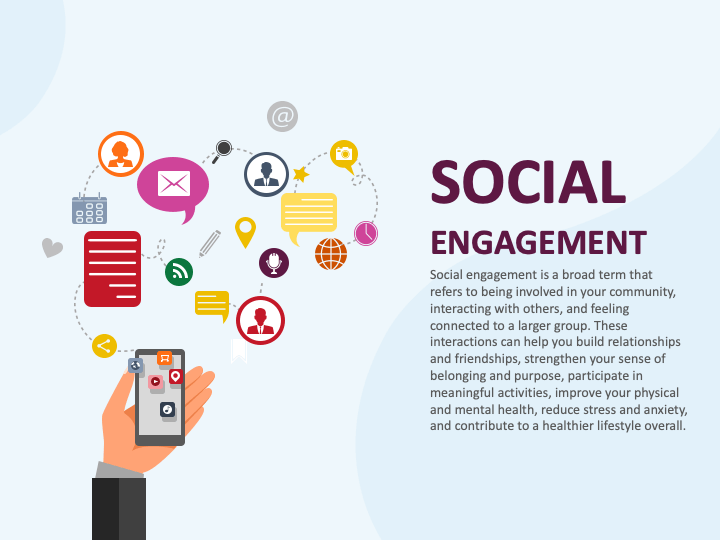
Social engagement, in its broadest sense, is the fundamental act of connection and interaction that underpins human society. In the interconnected digital age, its importance has only magnified. Across the dynamic fields of Tech, where it drives adoption and innovation; Brand, where it cultivates loyalty and growth; and Money, where it empowers individuals and builds trust, the principles of meaningful interaction remain constant.
Whether you are a tech innovator seeking to build a user community, a brand manager aiming to forge deeper customer relationships, or an individual looking to navigate the complexities of personal finance, understanding and strategically implementing social engagement is no longer optional. It is the key to unlocking potential, fostering growth, and building a more connected and informed future. By focusing on genuine dialogue, shared experiences, and building trust, we can harness the enduring power of social engagement to achieve our goals and enrich our lives.
aViewFromTheCave is a participant in the Amazon Services LLC Associates Program, an affiliate advertising program designed to provide a means for sites to earn advertising fees by advertising and linking to Amazon.com. Amazon, the Amazon logo, AmazonSupply, and the AmazonSupply logo are trademarks of Amazon.com, Inc. or its affiliates. As an Amazon Associate we earn affiliate commissions from qualifying purchases.