
The term “minority” traditionally conjures images of demographic groups defined by race, ethnicity, religion, or gender. However, in our increasingly digitized world, the concept of minority is evolving, extending beyond these established lines. The landscape of technology, brand building, and personal finance – the core pillars of this platform – reveals new dimensions of what it means to be in the minority. This exploration delves into how these evolving definitions impact individuals and businesses, and how understanding these “minorities” can unlock opportunities for innovation and growth.
The Shifting Sands of Digital Demographics: Beyond Traditional Classifications
While historical and societal definitions of minority groups remain crucial, the digital realm introduces layers of complexity. It’s not just about who you are, but also about who you are connected to, what resources you have access to, and how effectively you can navigate the digital ecosystem. This section examines how technological access, digital literacy, and participation in online communities create new forms of digital minorities.
The Digital Divide: Access as a Defining Factor
The most immediate and tangible form of digital minority status stems from access to technology and the internet. While we often assume ubiquitous connectivity, the reality is far from it. The “digital divide” persists, not only geographically but also socio-economically.
- Geographical Disparities: Remote rural areas, developing nations, and even underserved urban neighborhoods often lack the robust infrastructure necessary for reliable and affordable internet access. This leaves significant portions of the global population on the fringes of the digital revolution, unable to participate fully in online education, remote work, e-commerce, or access vital information. These individuals and communities are a technological minority.
- Socio-economic Barriers: Even in areas with good infrastructure, the cost of devices (smartphones, laptops, tablets) and internet subscriptions can be prohibitive for low-income households. This creates a financial barrier to entry, reinforcing existing inequalities and marginalizing those who cannot afford to be online.
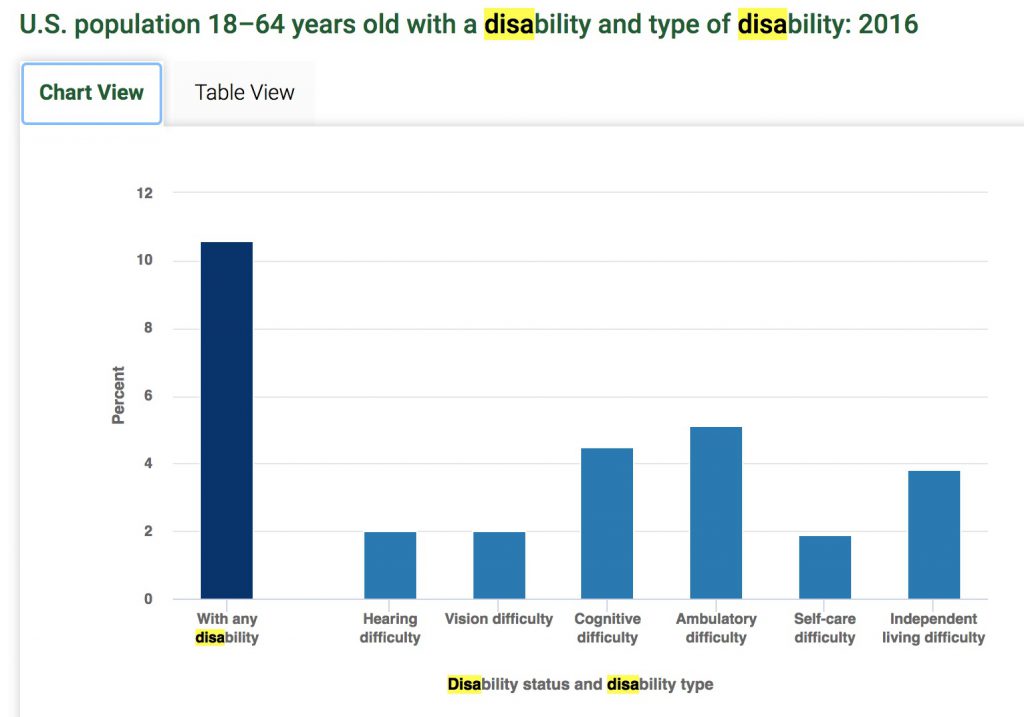
- Age and Disability: Older adults may struggle with the rapid pace of technological change, requiring different approaches to digital adoption. Similarly, individuals with disabilities might face accessibility challenges with certain platforms and devices, making them a minority group requiring tailored digital solutions.
The implications of this digital divide are profound. It impacts opportunities for learning, employment, civic engagement, and even healthcare. For businesses and content creators, this means a significant segment of the population may be invisible or inaccessible.
Digital Literacy: The Gateway to Participation
Mere access to technology is insufficient. Digital literacy – the ability to effectively use, understand, and evaluate digital information and tools – is equally critical. Without it, individuals can be left behind, even if they have a device and an internet connection.
- Navigational Challenges: Understanding how to navigate websites, use search engines effectively, identify reliable sources of information, and protect oneself online are crucial skills. A lack of these skills can lead to vulnerability to misinformation, scams, and privacy breaches.
- Software and Application Proficiency: The ability to use productivity software, communication apps, and specialized tools is becoming increasingly essential for both personal and professional advancement. Those who cannot master these tools may find themselves at a disadvantage in the job market or in managing their personal lives.
- Critical Evaluation of Online Content: In an era of abundant information, the ability to discern fact from fiction, identify bias, and understand the motivations behind online content is paramount. Those who lack these critical thinking skills are susceptible to manipulation and misinformation, making them a vulnerable minority.
The skills gap in digital literacy creates a class of individuals who are technically “online” but functionally excluded from many of the benefits and opportunities that the digital world offers. This is a significant minority that requires dedicated educational initiatives and user-friendly design to overcome.
Brand Identity and the Minority Voice: Carving a Niche in a Crowded Marketplace
In the realm of Brand, the concept of minority takes on a different, yet equally important, meaning. It’s about being different, standing out, and appealing to a specific, often underserved, segment of the market. This involves not just niche products or services, but also the deliberate choice to represent and connect with marginalized communities or perspectives.
Niche Markets and Underserved Audiences
Every successful brand, at some point, has likely been a minority in its own space, catering to a specific need or desire that larger competitors overlooked. This can manifest in several ways:
- Specialized Products and Services: Brands that offer highly specialized products, whether it’s custom-built software for a niche industry, artisanal goods, or accessibility-focused gadgets, are inherently targeting a minority of consumers. Their success hinges on understanding the unique needs and preferences of this smaller group.
- Unique Value Propositions: Brands that differentiate themselves through a unique ethical stance, a commitment to sustainability, or an unconventional marketing approach are also carving out a minority position. They appeal to consumers who prioritize these values over mainstream offerings.
- Cultural Relevance and Representation: Brands that authentically engage with and represent minority cultures or subcultures are tapping into a powerful form of minority appeal. This requires genuine understanding, respect, and a willingness to amplify voices that have historically been silenced. Such brands can build incredibly loyal communities by speaking directly to the experiences of these groups.

For these brands, being a “minority” isn’t a disadvantage; it’s a strategic advantage. It allows for deeper connections with a dedicated customer base, less direct competition from giants, and the opportunity to become a leader in a specific domain.
Personal Branding: Authenticity as a Differentiator
On a personal level, Personal Branding also intersects with the idea of minority. In a world where many strive for a polished, often generic, online persona, those who embrace their unique quirks, unconventional career paths, or distinct perspectives can stand out dramatically.
- Authenticity in a Sea of Performance: Consumers and employers are increasingly seeking genuine connections. Individuals who are transparent about their journeys, their struggles, and their authentic selves, even if these aspects are not traditionally “popular,” can build a stronger and more memorable brand. They become a minority of authentic voices.
- Championing Unconventional Paths: Individuals who pursue non-traditional careers, artistic endeavors, or unique lifestyle choices are, in essence, minorities within their professional or social circles. Their personal brands can inspire others and demonstrate that success can come in many forms, challenging mainstream notions of achievement.
- Advocacy and Identity: For individuals who identify with minority groups, their personal brand can become a platform for advocacy and self-expression. By openly sharing their experiences and perspectives, they can educate, empower, and connect with others who share similar identities, forming a powerful collective minority voice.
In both corporate and personal branding, recognizing and embracing minority status can transform perceived limitations into powerful differentiators. It’s about understanding that catering to a smaller, dedicated audience can be more rewarding and impactful than chasing the broadest possible appeal.
Financial Inclusion and the Monetary Minority: Bridging the Gaps in the Digital Economy
The world of Money and finance is perhaps where the concept of minority is most directly tied to opportunity and access. Financial inclusion remains a significant challenge, creating substantial “monetary minorities” globally.
The Unbanked and Underbanked: Missing Out on Essential Services
A significant portion of the world’s population remains unbanked or underbanked, meaning they lack access to basic financial services like checking accounts, savings accounts, credit cards, and loans. This exclusion has profound implications for their ability to manage their money, build wealth, and participate fully in the digital economy.
- Limited Savings and Investment Opportunities: Without access to traditional banking, saving money safely becomes a challenge, let alone investing it to grow over time. This perpetuates cycles of poverty and limits upward mobility.
- Reliance on Predatory Services: Those without bank accounts often resort to high-cost alternatives like payday lenders or check-cashing services, which can trap them in debt.
- Barriers to Online Transactions: In an increasingly cashless society, the inability to make online payments or receive direct deposits hinders participation in e-commerce, online job opportunities, and the gig economy.
These individuals represent a massive monetary minority, and innovative fintech solutions are increasingly aiming to bridge this gap. Digital wallets, mobile banking, and microfinance initiatives are crucial for bringing these populations into the formal financial system.
Digital Currency and the Future of Financial Access
The rise of digital currencies like Bitcoin and Ethereum, and the broader concept of decentralized finance (DeFi), introduces new dimensions to financial minorities. While often hailed as democratizing finance, they also present their own set of challenges and create new forms of exclusion.
- Early Adopters vs. Latecomers: The initial surge in cryptocurrency adoption saw a relatively small, technologically savvy group benefiting from early price appreciation. Those who have entered the market later, or who are still hesitant due to complexity or risk, can be considered a financial minority in this emerging space.
- Technological and Knowledge Barriers: Understanding blockchain technology, managing private keys, and navigating complex DeFi protocols require a significant level of technical expertise. This creates a barrier to entry, potentially marginalizing those with lower digital literacy or limited access to reliable information.
- Regulatory Uncertainty and Risk Aversion: The volatile nature of cryptocurrencies and the evolving regulatory landscape can deter risk-averse individuals, further contributing to a divide between those who embrace this new financial frontier and those who remain on the sidelines.
While digital currencies hold the promise of greater financial inclusion, their current implementation also creates new “minorities” of understanding and access. As these technologies mature, addressing these knowledge and accessibility gaps will be crucial for them to truly serve a broader population.
Conclusion: Embracing the Diverse Landscape of Minority Status
The concept of “minority” is not static. In the interconnected world of Tech, Brand, and Money, it has expanded to encompass individuals and groups defined by their access to technology, their digital literacy, their unique market positioning, and their inclusion in financial systems.
Understanding these evolving definitions is not merely an academic exercise. For businesses, it means recognizing untapped markets and underserved audiences. For individuals, it means understanding the barriers they might face and seeking out opportunities for empowerment. For society, it means working towards greater inclusivity, ensuring that the advancements of the digital age benefit everyone, not just a privileged few. By acknowledging and actively addressing these various forms of minority status, we can foster a more equitable, innovative, and prosperous digital future for all.
aViewFromTheCave is a participant in the Amazon Services LLC Associates Program, an affiliate advertising program designed to provide a means for sites to earn advertising fees by advertising and linking to Amazon.com. Amazon, the Amazon logo, AmazonSupply, and the AmazonSupply logo are trademarks of Amazon.com, Inc. or its affiliates. As an Amazon Associate we earn affiliate commissions from qualifying purchases.