
The question of when the next stock market crash will occur is perhaps the most persistent inquiry in the world of finance. For seasoned investors, it is a matter of preparation; for novices, it is often a source of paralyzing fear. History has shown that market downturns are not a matter of “if,” but “when.” However, the complexity of global markets means that predicting the exact date, time, and catalyst of a crash is a feat that even the most sophisticated algorithms and Nobel Prize-winning economists struggle to achieve.
To understand the timing of a market crash, one must move away from the search for a specific calendar date and instead focus on the underlying conditions, economic indicators, and psychological shifts that precede significant declines. Market crashes are typically defined by a sudden and dramatic drop in stock prices across a significant cross-section of a stock market, often losing more than 20% from recent highs in a short period. Understanding the mechanics behind these events is the first step toward building a resilient financial future.
Understanding the Anatomy of a Market Crash
Market crashes are distinct from standard corrections or bear markets in their velocity and the level of panic they induce. While a correction is a healthy 10% pullback that often resets overextended valuations, a crash is a systemic event that often ripples through the entire global economy.
Historical Precedents and Lessons
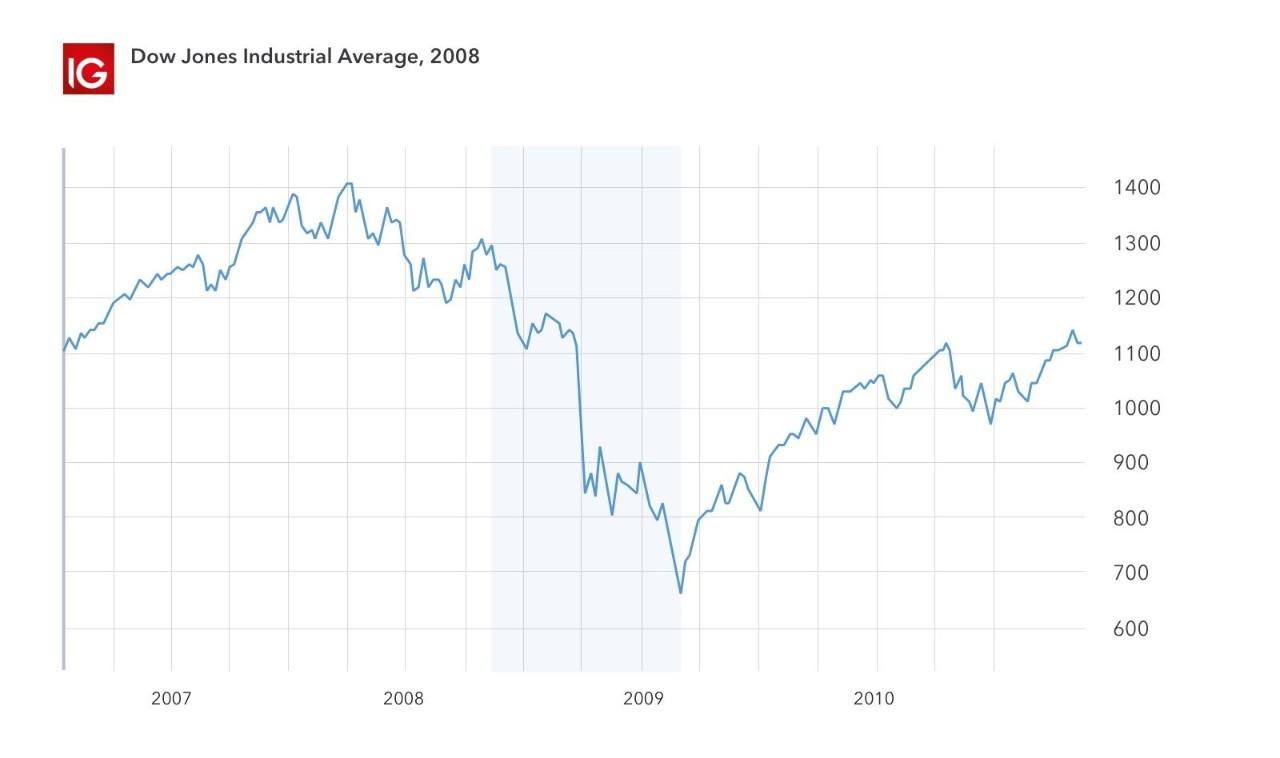
Looking back at the Great Depression of 1929, the Black Monday of 1987, the Dot-com bubble of 2000, and the Great Recession of 2008, a pattern emerges. Crashes are rarely caused by a single factor but are instead the result of a “perfect storm” of overvaluation, excessive leverage, and a sudden loss of confidence. In 1929, it was unsustainable margin buying; in 2000, it was the irrational exuberance surrounding internet companies with no revenue; and in 2008, it was the collapse of the subprime mortgage market.
The Role of the “Black Swan”
The term “Black Swan,” popularized by Nassim Nicholas Taleb, refers to an unpredictable event that has a massive impact. The COVID-19 crash of March 2020 is a classic example. No amount of traditional economic modeling could have predicted a global pandemic that would freeze commerce overnight. When asking “when” a crash will happen, we must acknowledge that some of the most significant downturns are triggered by events that are, by definition, unpredictable.
Identifying the Leading Economic Indicators
While we cannot predict Black Swan events, we can monitor the “economic weather” to see if the environment is becoming more prone to a crash. There are several key indicators that professional investors watch to gauge the health of the market and the likelihood of a significant drawdown.
Valuation Metrics and the “Buffett Indicator”
One of the most cited metrics for market overvaluation is the Market Cap-to-GDP ratio, often called the “Buffett Indicator.” When the total value of the stock market far exceeds the actual economic output of the country, it suggests that stock prices have become detached from reality. Similarly, the Cyclically Adjusted Price-to-Earnings (CAPE) ratio, or Shiller P/E, looks at earnings over a ten-year period to smooth out fluctuations. When the Shiller P/E is significantly higher than its historical average, the “coiled spring” of the market is tightly wound, increasing the risk of a sharp snapback.
Monetary Policy and the Inverted Yield Curve
The Federal Reserve and other central banks play a pivotal role in market stability. A crash often occurs when the “easy money” era ends. When the Fed raises interest rates to combat inflation, borrowing becomes more expensive for corporations, and the discounted future cash flows of stocks become less attractive compared to bonds.
A historically reliable “harbinger of doom” is the inverted yield curve. This occurs when short-term Treasury bonds offer higher yields than long-term ones. This phenomenon suggests that investors have a pessimistic outlook on the near-term economy. While an inverted yield curve does not cause a crash, it has preceded nearly every major recession and subsequent market downturn in the modern era.
Corporate Debt and Leverage
Leverage acts as an accelerant. In a bull market, debt allows companies to expand and investors to amplify gains. However, when the market turns, leverage forces liquidations. High levels of corporate debt, particularly in “zombie companies” that can only afford to pay the interest on their loans but not the principal, create a fragile environment. If interest rates rise or revenues dip slightly, these companies can collapse, creating a domino effect through the financial system.
The Human Factor: Market Sentiment and Behavioral Finance
Markets are not just driven by numbers; they are driven by people. Behavioral finance teaches us that human emotions—specifically greed and fear—often override rational decision-making, leading to the “bubbles” that inevitably burst.
The Psychology of Irrational Exuberance
Before a crash, there is almost always a period of “irrational exuberance.” This is characterized by the belief that “this time is different.” Retail participation typically spikes, and speculative assets (such as meme stocks or unproven cryptocurrencies) see vertical price action. When the taxi driver or the grocery clerk starts giving stock tips, it is often a sign that the market is reaching a psychological peak.
The Fear and Greed Index
Tools like the CNN Business Fear & Greed Index attempt to quantify these emotions. By looking at market momentum, stock price strength, and put/call options ratios, the index provides a snapshot of the current mood. A market in a state of “Extreme Greed” is significantly more vulnerable to a crash than one in a state of “Fear.” A crash often begins when the “marginal buyer”—the last person willing to buy at an inflated price—disappears.
The Impact of Algorithmic and High-Frequency Trading
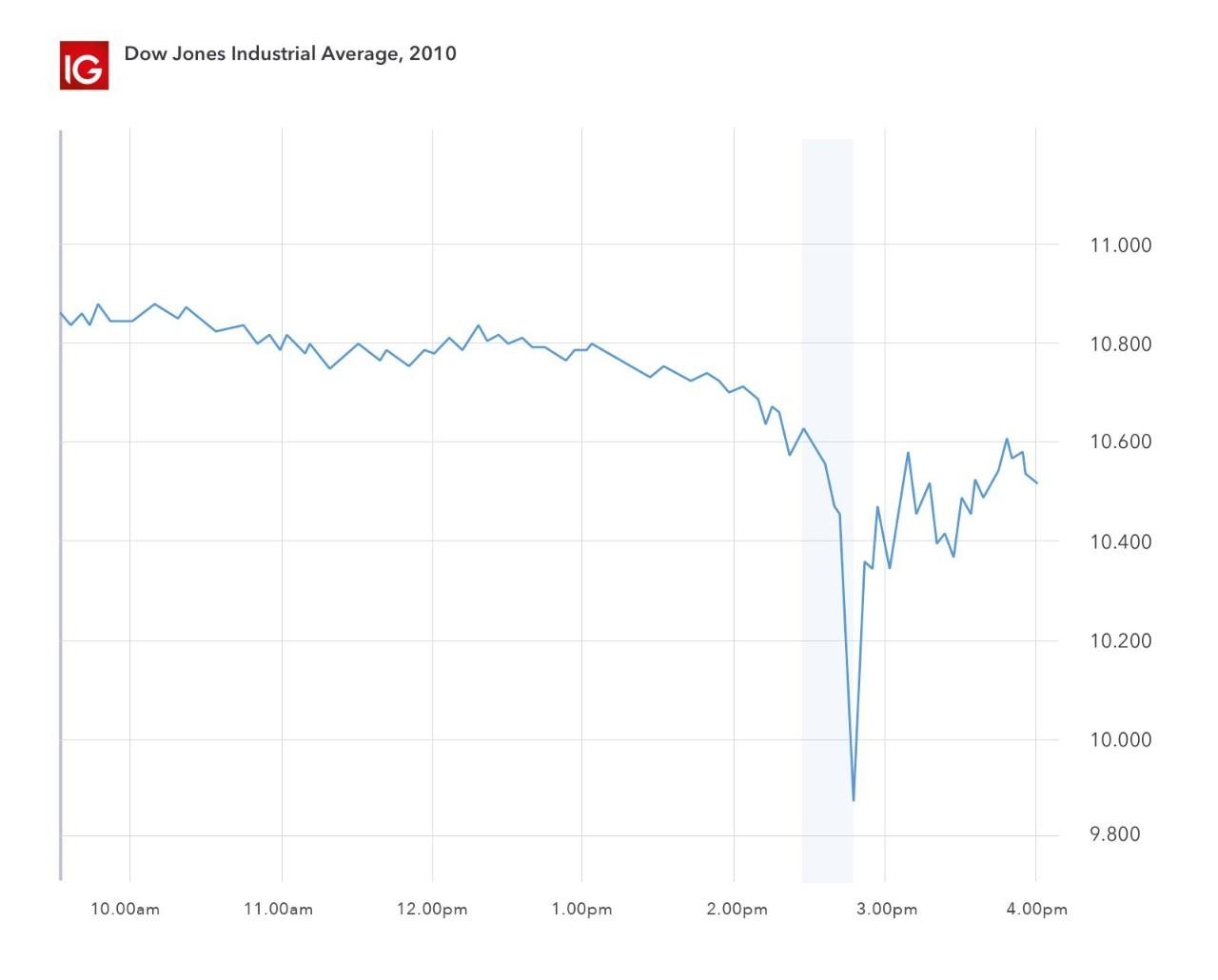
In the modern era, the “when” of a crash is also influenced by technology. A large portion of daily trading volume is executed by algorithms. These programs are often designed to sell when certain technical levels are breached. This can lead to a “flash crash,” where prices plummet in seconds due to a cascade of automated sell orders. This mechanical selling can turn a minor dip into a major crash before human traders even have time to react.
Strategic Asset Allocation: Preparing Before the Storm
Since we cannot know exactly when the crash will happen, the only logical approach is to be permanently prepared. This does not mean sitting in cash and missing out on gains, but rather building a portfolio that can withstand volatility.
Diversification Beyond Equities
The most basic rule of portfolio resilience is diversification. When the stock market crashes, other asset classes often behave differently. Gold has historically acted as a “safe haven” during times of systemic crisis. Real estate, while not immune to economic downturns, provides tangible value and rental income. Fixed-income assets like high-quality government bonds often see their prices rise as investors flee the stock market, providing a “cushion” for your total net worth.
The Importance of a Cash Buffer and “Dry Powder”
Maintaining a healthy cash reserve serves two purposes. First, it ensures that you do not have to sell your stocks at the bottom of a crash to cover living expenses. Second, it provides you with “dry powder”—capital that can be deployed when stocks are on sale. The most successful investors in history, such as Warren Buffett, often hold significant cash positions during bull markets so they can be “greedy when others are fearful.”
Rebalancing as a Risk Management Tool
Rebalancing is the process of selling assets that have performed well and buying assets that have underperformed to return your portfolio to its original target allocation. For example, if a bull market has pushed your stock allocation from 60% to 80%, rebalancing forces you to sell stocks at high prices and move that money into safer assets. This disciplined approach naturally reduces your exposure as the market becomes more “top-heavy.”
Survival Tactics: How to Act When the Market Tumbles
When the crash finally arrives, the actions you take (or don’t take) will determine your long-term financial health. The primary goal during a crash is not to maximize gains, but to avoid permanent capital loss.
Avoiding the “Sell-at-the-Bottom” Trap
The greatest risk during a crash is the emotional urge to sell everything to “stop the pain.” Historically, the market’s worst days are often followed by its best days. Missing out on just a few of those recovery days can permanently stunt the growth of your portfolio. Unless the fundamental reason you bought a stock has changed, a market-wide crash is usually a temporary valuation issue, not a permanent business failure.
Tax-Loss Harvesting
A market crash provides a unique opportunity for tax-loss harvesting. This involves selling securities at a loss to offset capital gains taxes in other parts of your portfolio. By strategically realizing losses during a downturn, you can lower your tax bill, effectively letting the government subsidize some of your market volatility. You can then reinvest that capital into similar (but not identical) assets to maintain your market exposure for the eventual recovery.
The Silver Lining: Wealth Building in the Rubble
For the long-term investor, a stock market crash is actually a gift. It is a period where the “risk premium” is highest. When you buy stocks during a crash, you are buying the future earnings of those companies at a significant discount. While it feels counterintuitive, the “safest” time to put money into the market is often when things look the most dire.
Conclusion: The Cycle of Growth and Decline
When is the stock market crash? It is coming, just as surely as winter follows autumn. It may be triggered by a shift in interest rates, a geopolitical conflict, or a sudden collapse in a speculative bubble. However, the exact timing is irrelevant to the investor who understands the nature of economic cycles.
The market spends more time rising than falling, and the long-term trajectory of human innovation and productivity is upward. By maintaining a diversified portfolio, keeping a disciplined emotional state, and viewing crashes as opportunities rather than disasters, you can move past the fear of “when” and focus on the enduring principles of wealth creation. The key is not to predict the storm, but to build a ship that can sail through it.
aViewFromTheCave is a participant in the Amazon Services LLC Associates Program, an affiliate advertising program designed to provide a means for sites to earn advertising fees by advertising and linking to Amazon.com. Amazon, the Amazon logo, AmazonSupply, and the AmazonSupply logo are trademarks of Amazon.com, Inc. or its affiliates. As an Amazon Associate we earn affiliate commissions from qualifying purchases.