
Understanding exactly when the market opens for trading is more than a matter of checking a clock; it is a fundamental pillar of strategic investing. For the modern investor, the concept of “market hours” has evolved from a simple 9-to-5 schedule into a complex, 24-hour global cycle. Whether you are a day trader looking to capitalize on early morning volatility or a long-term investor managing a diversified international portfolio, knowing the operational windows of various exchanges is critical for liquidity, pricing accuracy, and risk management.

The global financial system operates in a relay-race fashion. As one major financial hub closes its doors, another is usually preparing to open. This continuous flow of capital ensures that news is priced in almost in real-time, but it also creates distinct windows of opportunity and danger. Navigating these windows requires a deep dive into the specific schedules of the world’s most influential markets, the nuances of extended-hours trading, and the unique rhythms of different asset classes.
The Standard North American Session: Wall Street’s Core Hours
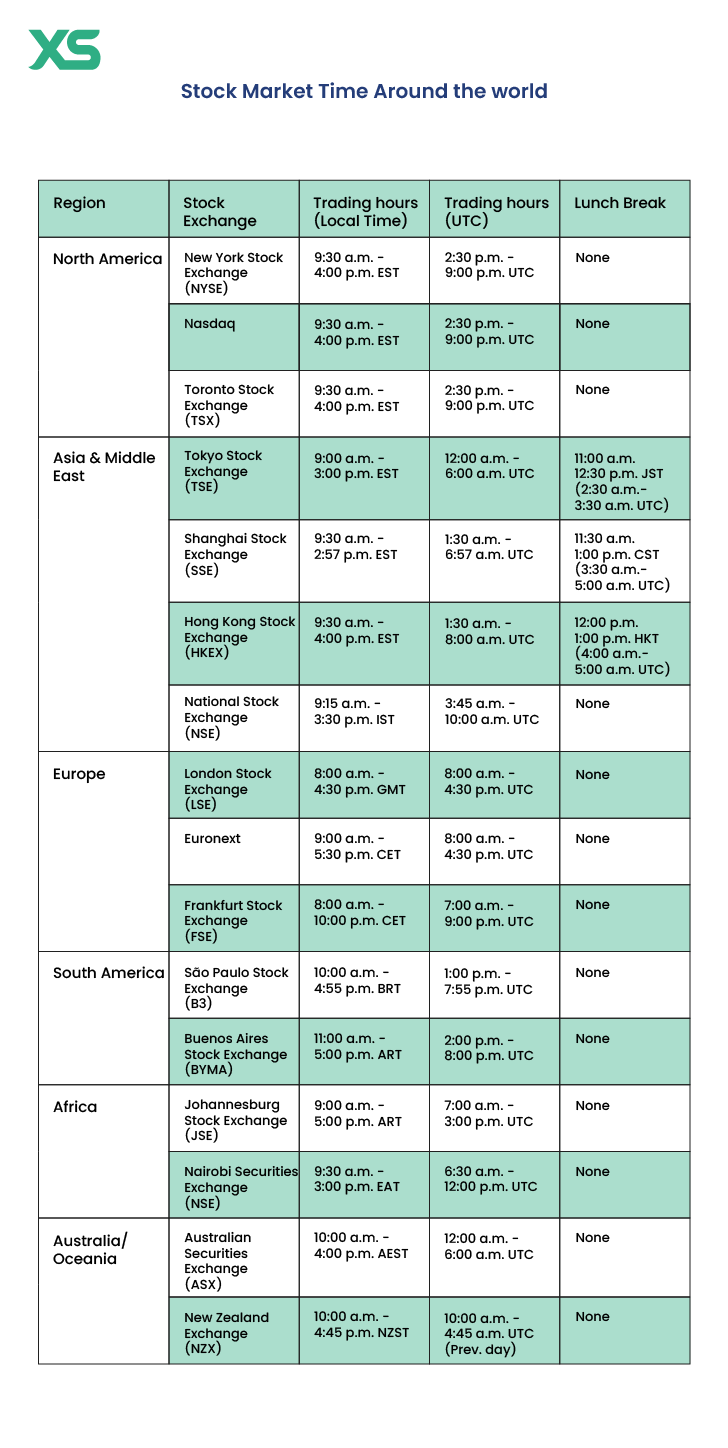
For the majority of retail investors in the West, “the market” refers to the New York Stock Exchange (NYSE) and the Nasdaq. These two giants dictate the pulse of the global economy and follow a strictly regulated schedule. The standard trading session for both the NYSE and the Nasdaq runs from 9:30 AM to 4:00 PM Eastern Time (ET), Monday through Friday, excluding market holidays.
The Significance of the Opening Bell
The 9:30 AM ET opening bell is one of the most volatile periods of the trading day. This is the moment when the market processes all the news, earnings reports, and geopolitical events that occurred overnight. Traders refer to this as the “opening auction,” a process where buy and sell orders are matched to determine the opening price of a security. Because of the sheer volume of orders being filled at once, price swings can be dramatic. Professional traders often look at the first 30 minutes of the session—the “opening range”—to set the tone for the rest of the day’s trend.
The Mid-Day Lull and the Closing Cross
While the opening is characterized by high energy, the period between 12:00 PM and 2:00 PM ET often sees a significant drop in volume and volatility, colloquially known as the “lunchtime lull.” Institutional traders often step back during this window, leading to tighter price movements. However, activity picks up again as 4:00 PM approaches. The “closing cross” is the final auction of the day, where the closing price is established. This price is vital as it serves as the benchmark for mutual fund valuations and official historical records.
Navigating Extended-Hours: Pre-Market and After-Hours Trading
The standard 9:30 AM to 4:00 PM window is merely the “lit” portion of the day. Modern electronic communication networks (ECNs) allow for trading well outside these traditional hours. While this provides flexibility, it introduces a different set of risks that every participant must understand.
The Early Birds: Pre-Market Trading
Pre-market trading in the U.S. can begin as early as 4:00 AM ET, though the majority of activity occurs between 8:00 AM and 9:30 AM. This session is primarily used by institutional investors and seasoned traders to react to breaking news, such as government economic data (like the Consumer Price Index or jobs reports) which are typically released at 8:30 AM ET. For the retail investor, trading during this time can be hazardous due to lower liquidity. Lower liquidity means wider “bid-ask spreads,” making it more expensive to enter and exit positions.
The After-Hours Session
When the closing bell rings at 4:00 PM ET, the after-hours session begins, typically running until 8:00 PM ET. This window is most notable during earnings season. When a major tech company releases its quarterly results at 4:05 PM, the stock price can move 10% or more in a matter of seconds. While it is tempting to jump in, investors should be aware that price movements in after-hours trading can be “thin,” meaning a small number of trades can cause outsized moves that may revert once the high-volume standard session opens the following morning.
Global Market Schedules: The 24-Hour Financial Relay
Investing is no longer confined by borders. A well-rounded financial strategy often involves exposure to European and Asian markets. Understanding when these markets open is essential for interpreting how global sentiment will influence the U.S. open.
European Markets: The London and Continental Bridge
The London Stock Exchange (LSE), one of the oldest and most significant exchanges, operates from 8:00 AM to 4:30 PM Greenwich Mean Time (GMT). For a trader on the U.S. East Coast, this means the London market opens at 3:00 AM ET. One of the most important periods in the daily financial cycle is the “overlap” between 9:30 AM and 11:30 AM ET. During these two hours, both the New York and London markets are open simultaneously. This period usually sees the highest liquidity of the day for many global equities and currency pairs.
Asian Markets: The Pacific Rim Influence
The trading day technically begins in Asia. The Tokyo Stock Exchange (TSE) opens at 9:00 AM and closes at 3:00 PM local time, with a mandatory lunch break between 11:30 AM and 12:30 PM. Similarly, the Hong Kong Stock Exchange and the Shanghai Stock Exchange follow schedules that include mid-day breaks. For U.S. investors, the Asian session occurs during the evening and late-night hours. Movements in the Nikkei or the Hang Seng often provide the first clues of how global markets are reacting to systemic risks or Chinese economic policy changes.
Asset-Specific Timelines: Beyond Traditional Equities
While stocks follow the rigid schedules of their respective exchanges, other asset classes offer more continuous access. Knowing when these markets “open” requires a different perspective on time.
The Forex Market: The 24/5 Giant
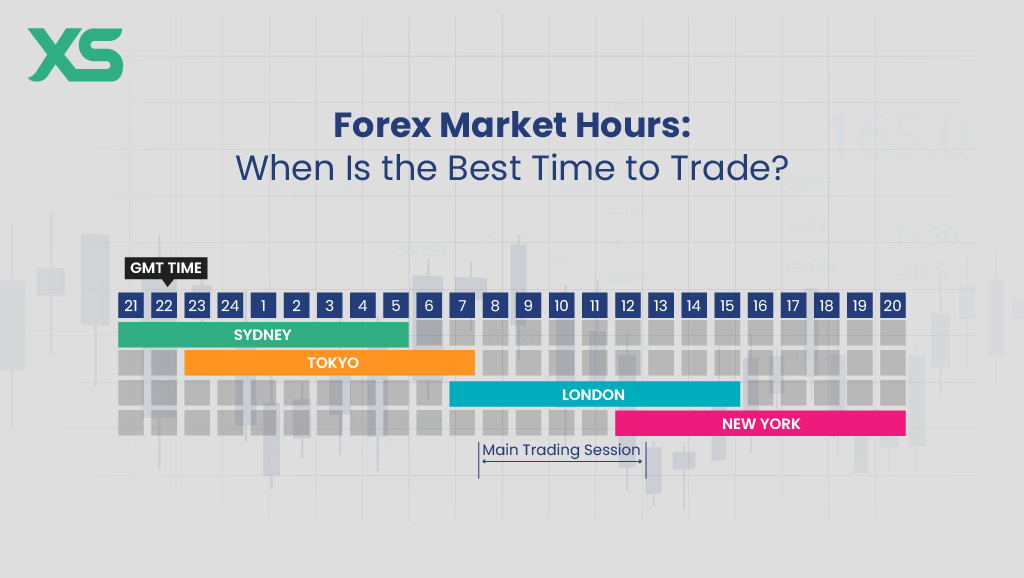
The Foreign Exchange (Forex) market is the largest financial market in the world and operates 24 hours a day, five days a week. It begins on Sunday at 5:00 PM ET (when the Sydney session opens) and runs uninterrupted until Friday at 5:00 PM ET. Because currencies are traded in pairs, there is always an active market somewhere in the world. However, the most “active” hours—and therefore the best for trading—are during the London/New York overlap mentioned previously.
Cryptocurrency: The 24/7/365 Evolution
Cryptocurrency markets never close. Unlike traditional stocks or bonds, Bitcoin, Ethereum, and other digital assets trade 24 hours a day, seven days a week, including holidays and weekends. While this provides unparalleled access, it also means that market-moving news can happen at 3:00 AM on a Sunday, with no “opening bell” to wait for. For investors, this requires a robust approach to automated alerts and stop-loss orders, as the market can shift significantly while the traditional world is asleep.
Futures and Commodities
Futures markets, such as those for gold, oil, or S&P 500 E-minis, also trade nearly around the clock. Most futures contracts on the CME Group exchanges trade from Sunday evening through Friday afternoon, with a brief daily break (usually one hour) in the late afternoon. These markets are critical for “price discovery” before the stock market opens. If the S&P 500 futures are down 2% at 7:00 AM ET, it is a near-certainty that the stock market will open lower at 9:30 AM.
Strategic Considerations for Market Timing
Understanding the clock is only half the battle; the other half is knowing how to use that time effectively. Your approach to market hours should align with your specific financial goals and risk tolerance.
Volatility Management
If you are a conservative investor, the first and last 30 minutes of the trading day may be periods to avoid. The high volatility can lead to “slippage,” where your order is filled at a price significantly different from what you expected. Conversely, for active traders, this volatility is the source of profit. Learning to read the “tape” during these high-volume windows is a skill that takes years to master but can be highly rewarding.
The Impact of Economic Calendars
Most major economic releases in the United States occur at 8:30 AM ET. Because this is one hour before the official market open, the initial reaction happens in the futures and pre-market sessions. Investors should always keep an economic calendar handy to know when these “shocks” to the system are scheduled. Attempting to trade right at the open on a day when a major interest rate decision or employment report is released requires a heightened level of caution.
Holiday Schedules and Early Closings
It is also vital to be aware of the “modified” trading calendar. In the U.S., the market is closed for major holidays like Christmas, New Year’s Day, and Labor Day. However, there are also “early close” days, such as the day after Thanksgiving (Black Friday) or Christmas Eve, when the market shuts down at 1:00 PM ET. Liquidity on these days is often very thin, which can lead to erratic price movements on low volume.
In conclusion, the question of “when does the market open” is the gateway to understanding the mechanics of global finance. By mastering the schedules of the NYSE, the intricacies of pre-market sessions, and the 24-hour nature of Forex and Crypto, you position yourself to make more informed, timely, and strategic investment decisions. Time is one of the most valuable variables in the world of money; knowing how to track it across the global financial landscape is a prerequisite for success.
aViewFromTheCave is a participant in the Amazon Services LLC Associates Program, an affiliate advertising program designed to provide a means for sites to earn advertising fees by advertising and linking to Amazon.com. Amazon, the Amazon logo, AmazonSupply, and the AmazonSupply logo are trademarks of Amazon.com, Inc. or its affiliates. As an Amazon Associate we earn affiliate commissions from qualifying purchases.