
The landscape of what is showing in theaters now represents more than just a collection of creative endeavors; it is the front line of a complex, multi-billion-dollar financial battlefield. For investors, studio executives, and business analysts, the current theatrical slate serves as a real-time indicator of consumer sentiment, inflationary pressures, and the evolving ROI of traditional media distribution. As the industry moves further away from the disruptions of the early 2020s, the financial architecture of cinema has undergone a fundamental transformation, shifting from a volume-based model to a high-margin, event-driven strategy.

The Evolution of the Theatrical Revenue Model
To understand the financial health of the films currently occupying marquee space, one must first analyze the structural shift in the theatrical “window.” Historically, the industry adhered to a rigid 90-day exclusivity period before a film could transition to home video or streaming. Today, that window has become dynamic, often shrinking to as little as 17 to 45 days depending on opening weekend performance. This compression has profound implications for the net present value (NPV) of a film asset.
The Compression of the Exclusive Window
The shortened window is a strategic response to the high cost of sustained marketing campaigns. By moving a film to Premium Video on Demand (PVOD) while it is still “showing in theaters now,” studios can capitalize on the residual heat of the initial marketing spend. From a business finance perspective, this reduces the “decay rate” of consumer interest. However, this strategy creates a tension between distributors and exhibitors. Theater chains argue that shortened windows cannibalize ticket sales, while studios counter that the high-margin revenue from digital rentals (where they keep roughly 80% of the revenue compared to 50% from theaters) is essential to offset production deficits.
Understanding the Distributor-Exhibitor Split
The financial mechanics of a ticket purchase are often misunderstood by the general public. When a film is showing in theaters, the revenue is split through a “rental” agreement. In the opening weeks, a studio may take 55% to 60% of the domestic box office gross. As the run continues, the percentage typically shifts in favor of the exhibitor. This “sliding scale” model incentivizes theaters to keep films running longer, even as attendance dips, because their per-ticket margin increases over time. For the films currently in theaters, the first two weekends are critical for the studio’s recoupment of capital, while the subsequent weeks determine the theater’s operational profitability.
The High Stakes of Tentpole Economics
The selection of what is showing in theaters now is increasingly dominated by “tentpole” releases—high-budget, IP-driven films designed to support the financial weight of an entire studio’s annual slate. This concentration of capital into a few massive projects is a risk-mitigation strategy that, ironically, carries immense systemic risk.
The Billion-Dollar Benchmark
In the current economic climate, the “break-even” point for a major theatrical release has shifted significantly. With production budgets for blockbusters frequently exceeding $200 million and global marketing spends adding another $100 million to $150 million, a film often needs to gross $600 million to $700 million globally just to reach a cash-neutral position. This is due to the fact that international markets, particularly in regions like China or Eastern Europe, offer lower return percentages to the US-based studios after local taxes and distributor fees are deducted. Consequently, the films currently in theaters are under immense pressure to achieve “four-quadrant” appeal—attracting males, females, over-25s, and under-25s—to justify their massive capital allocation.
Marketing and P&A Costs: The Hidden Debt
Prints and Advertising (P&A) costs are the “hidden” debt of the film industry. Even if a film is showing in theaters now and performing moderately well, it may still be in the red due to the front-loaded costs of global saturation marketing. In business terms, these are operating expenses that must be cleared before any profit-sharing (back-end participation) is paid out to talent or investors. The current trend among major studios is to favor “pre-sold IP”—sequels, reboots, and adaptations—because the “cost of customer acquisition” is significantly lower when the audience is already familiar with the brand.
Diversification: How Theaters Stay Solvent in a Digital Age
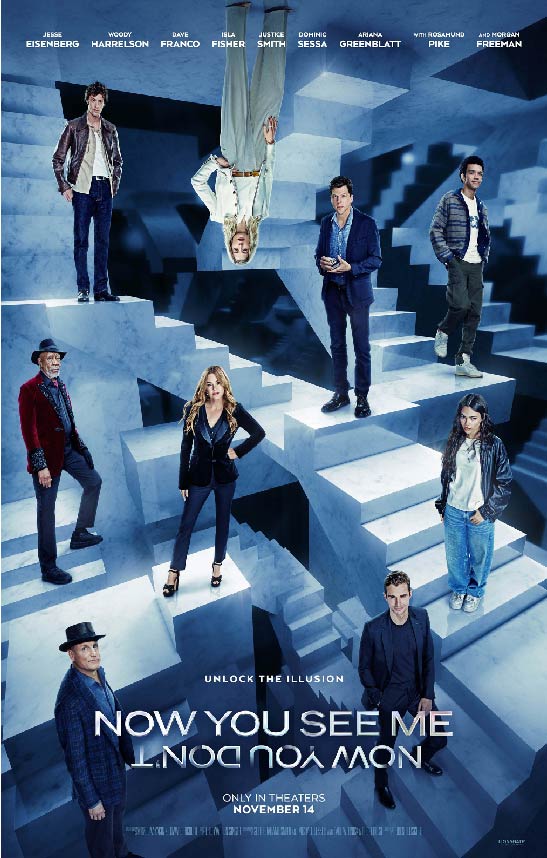
While the films showing in theaters now provide the “foot traffic,” the actual business model of cinema exhibition has pivoted toward ancillary revenue and luxury upgrades. For theater chains like AMC, Cinemark, and Regal, the movie itself has become a “loss leader” or a low-margin driver for high-margin services.
High-Margin Concessions and Ancillary Revenue
The true profit engine of a modern cinema is the concession stand. While studios take a significant portion of the ticket price, exhibitors retain nearly 100% of the revenue from food and beverage sales. With margins often exceeding 85%, the sale of popcorn, soda, and increasingly, high-end alcohol and gourmet meals, is what sustains the physical infrastructure of the theater. From a financial analysis standpoint, the success of what is showing in theaters now is measured not just by ticket sales, but by “per-patron spend” (PPA). If a blockbuster attracts millions of viewers but those viewers do not purchase concessions, the theater’s EBITDA (Earnings Before Interest, Taxes, Depreciation, and Amortization) remains under threat.
The Rise of Premium Large Formats (PLF)
Investors are closely watching the growth of Premium Large Formats such as IMAX, Dolby Cinema, and various 4D experiences. These formats allow theaters to charge a premium of 20% to 50% over standard ticket prices. For the titles currently showing in theaters, the percentage of the total gross coming from PLF screens is a key metric of financial health. These formats are essentially “future-proofing” the theatrical experience against the convenience of home streaming. By offering a technical experience that cannot be replicated in a living room, exhibitors can maintain price inelasticity—meaning they can raise prices without a corresponding drop in demand.
The Institutional Shift: Streaming Giants and Theatrical Capital
One of the most significant shifts in what is showing in theaters now is the presence of films produced by technology giants like Apple and Amazon. This represents a paradigm shift in entertainment financing. Unlike traditional studios (Sony, Warner Bros., Disney) that rely on theatrical profit to survive, tech giants use the theater as a marketing tool for their broader ecosystems.
For an Amazon-produced film, a theatrical run serves to increase the “perceived value” of the content when it eventually lands on Prime Video. It acts as a prestige-building exercise that can attract top-tier talent and award nominations, which in turn drives subscriber retention. This “sub-economic” approach to theatrical distribution has disrupted the traditional market, as these players can afford to take losses at the box office that would be catastrophic for a standalone studio. For investors, this means the competitive landscape is no longer a level playing field of box-office-to-budget ratios; it is a battle of ecosystem stickiness.
Future Outlook: Identifying Value in the Entertainment Sector
As we look at the trajectory of what is showing in theaters now, the industry is moving toward a bifurcated market. On one side are the “Event Films”—the massive, high-margin spectacles that demand a theater screen. On the other is “Alternative Content”—live sports, concerts (such as the recent Taylor Swift and Beyoncé concert films), and gaming events that provide theaters with high-margin, low-risk programming during lulls in the studio release calendar.
The Impact of Production Cycles on Quarterly Earnings
Investors must also account for the volatility caused by labor disputes and production bottlenecks. The current theatrical lineup is often a reflection of decisions made two to three years ago. Delays in production lead to “content gaps,” which can devastate the quarterly earnings of exhibition chains that have high fixed costs, such as long-term leases and massive utility bills. Analyzing the future “pipeline” is just as important as analyzing what is currently showing.

Technological Upgrades as a CAPEX Challenge
Finally, the financial health of the theatrical sector is tied to Capital Expenditure (CAPEX). To remain competitive, theaters must continually invest in laser projection, heated recliners, and enhanced sound systems. For many mid-sized chains, the debt load taken on to fund these upgrades is a significant concern, especially in a high-interest-rate environment. The ability of a theater to generate enough cash flow from current hits to service this debt is the ultimate litmus test for the industry’s long-term viability.
In conclusion, the question of “what is showing in theaters now” is a gateway into a sophisticated world of high-stakes finance, shifting consumer behavior, and strategic corporate maneuvering. The box office is no longer just a measure of popularity; it is a complex data point in a global media economy that is being rewritten in real-time. For those with a stake in the market, the credits never truly roll; they simply transition into the next fiscal quarter’s balance sheet.
aViewFromTheCave is a participant in the Amazon Services LLC Associates Program, an affiliate advertising program designed to provide a means for sites to earn advertising fees by advertising and linking to Amazon.com. Amazon, the Amazon logo, AmazonSupply, and the AmazonSupply logo are trademarks of Amazon.com, Inc. or its affiliates. As an Amazon Associate we earn affiliate commissions from qualifying purchases.