
In the current landscape of global finance, few tickers command as much attention as NVDA. When an investor asks, “How much is the stock Nvidia?” they are rarely inquiring about a simple nominal share price. Instead, they are probing a deeper question about valuation, market position, and the cost of entry into the most significant technological revolution of the 21st century. As of the mid-2020s, Nvidia has transitioned from a niche hardware manufacturer for gaming enthusiasts into the foundational engine of the artificial intelligence economy. Understanding the “cost” of Nvidia requires a comprehensive look at its market capitalization, its earnings multiples, and the underlying financial health that justifies its premium status on the Nasdaq.
The Anatomy of Nvidia’s Current Market Value
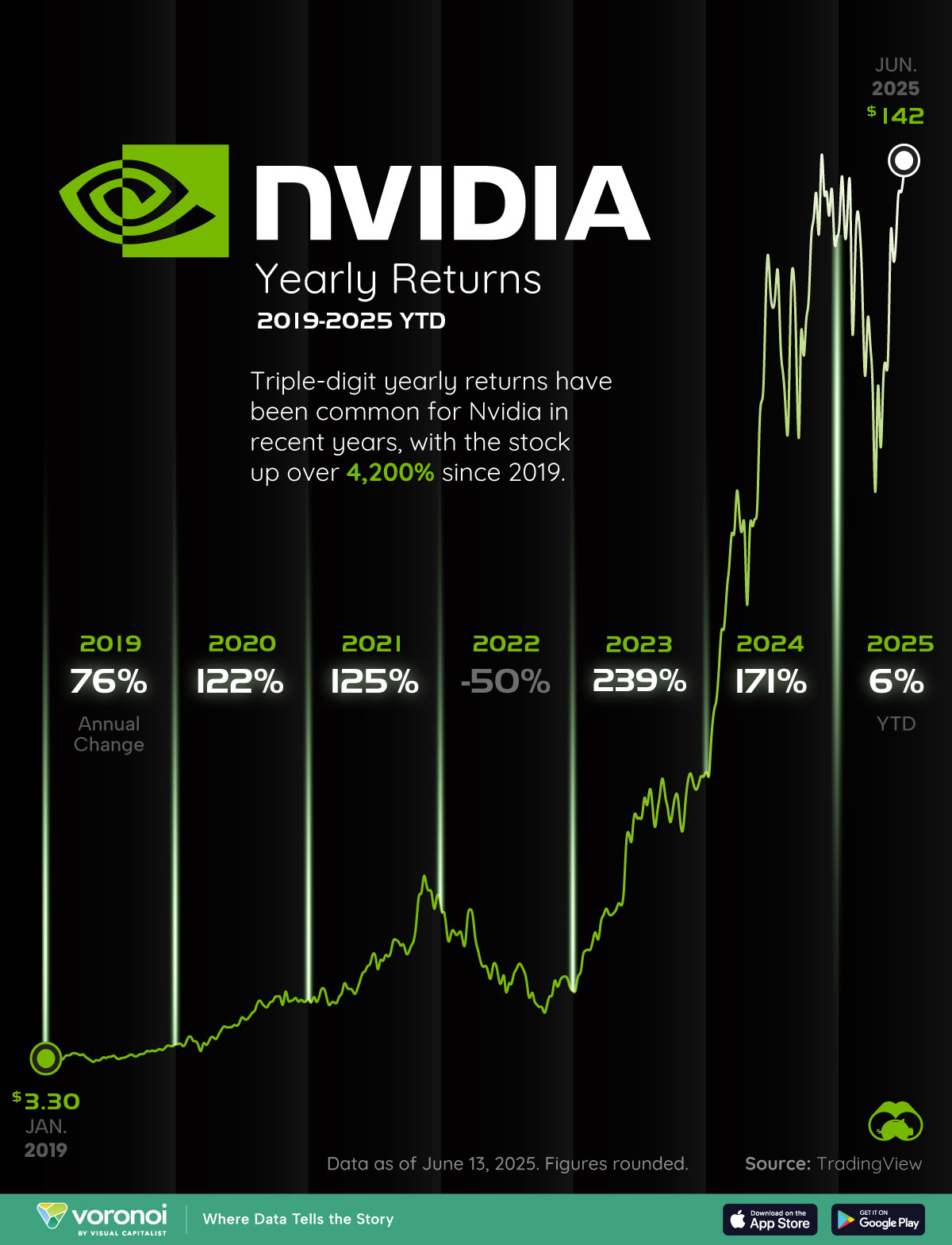
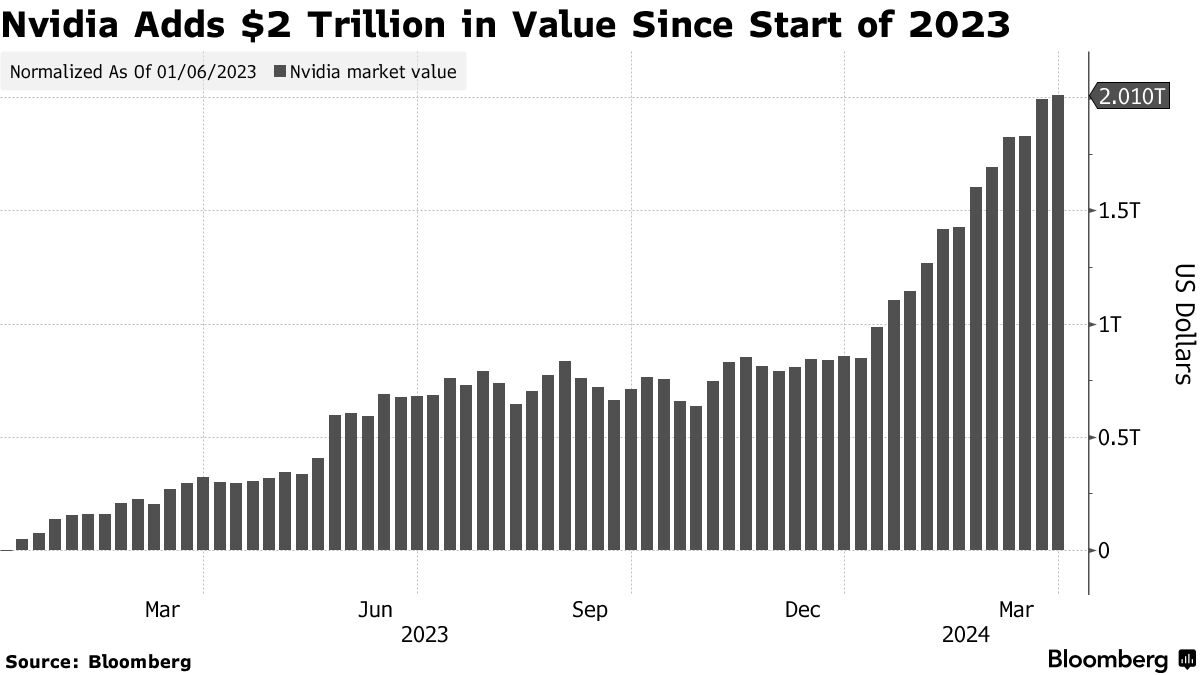
The nominal price of a single share of Nvidia is a figure that fluctuates by the second during trading hours, but for the serious investor, the more critical number is the company’s total market capitalization. Having recently crossed the $3 trillion threshold, Nvidia sits in an elite tier of companies alongside Apple and Microsoft. This valuation is not merely a reflection of current sales but a collective bet by the global financial community on the future of accelerated computing.
The Impact of the 10-for-1 Stock Split
To understand why the share price appears more “affordable” today than in previous years, one must look at the strategic 10-for-1 stock split executed in mid-2024. Before this split, a single share of NVDA was trading well above $1,000, creating a barrier to entry for many retail investors and complicating the management of employee equity programs. By splitting the stock, Nvidia effectively lowered the price per share without changing the company’s total valuation. This move was designed to increase liquidity and make the stock more accessible to the average investor, though the fundamental “value” of the investment remained identical.
Market Capitalization vs. Share Price
For a company of Nvidia’s scale, the share price is often secondary to its enterprise value. When institutional investors evaluate how much the stock is worth, they look at the total “pie.” At a multi-trillion dollar valuation, Nvidia accounts for a significant portion of the S&P 500 and the Nasdaq-100. This means that for anyone owning a standard index fund or an S&P 500 ETF, they already “own” a piece of Nvidia. The “cost” of the stock is therefore integrated into the broader health of the retirement accounts of millions of people worldwide.
Growth Drivers and Revenue Segments
The price of Nvidia’s stock is fundamentally tied to its explosive revenue growth, particularly within its Data Center division. To understand if the stock is “expensive,” an investor must look at where the money is coming from. Nvidia no longer relies solely on the cyclical nature of the PC gaming market; it has diversified into high-margin, enterprise-level solutions that are currently in high demand.
The Data Center Revolution
The primary engine behind Nvidia’s soaring stock price is the Data Center segment. This division provides the H100, H200, and the newer Blackwell architecture GPUs that power large language models (LLMs) like OpenAI’s ChatGPT and Google’s Gemini. As hyperscalers—including Amazon Web Services (AWS), Microsoft Azure, and Google Cloud—scramble to build out AI infrastructure, Nvidia’s revenue has seen year-over-year growth in the triple digits. This unprecedented expansion has allowed the company to maintain high gross margins, often exceeding 70%, a rarity for a hardware-centric business.
Gaming, Automotive, and Professional Visualization
While AI is the main narrative, Nvidia’s secondary segments provide a cushion of diversified income. The Gaming segment remains a robust cash cow, benefiting from the rise of esports and high-fidelity content creation. Meanwhile, the Automotive segment, though currently a smaller piece of the revenue pie, represents a long-term play on autonomous driving and “software-defined” vehicles. These segments ensure that the company is not a “one-trick pony,” providing multiple avenues for capital appreciation and protecting the stock’s price during shifts in the AI hype cycle.
Valuation Analysis: Multiples and Metrics
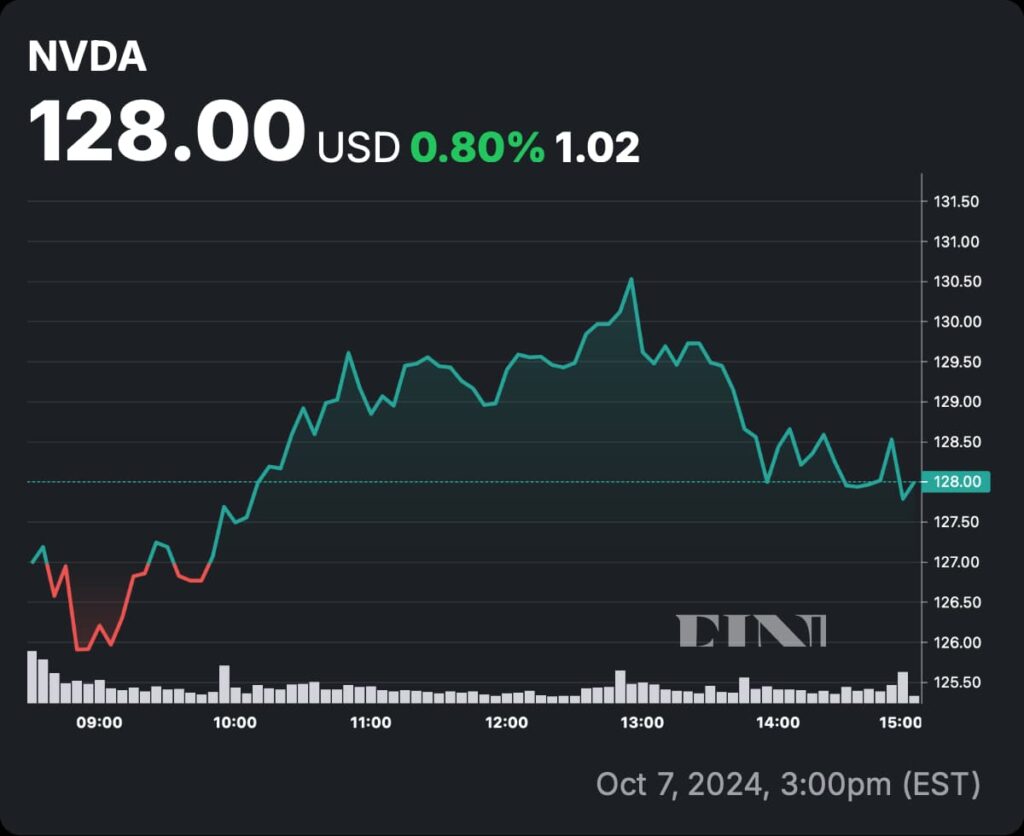
The question of “how much” Nvidia costs is best answered through the lens of valuation multiples. A common mistake among novice investors is looking at a high share price and assuming the stock is overpriced. In finance, “expensive” is a relative term measured against earnings power.
Price-to-Earnings (P/E) Ratio
Historically, Nvidia has traded at a high P/E ratio, often leading skeptics to claim it is in a bubble. However, when looking at the “Forward P/E”—which measures the current price against projected future earnings—Nvidia often appears more reasonably priced than many of its high-growth peers. Because Nvidia’s earnings have grown as fast as (or faster than) its share price, its valuation has, at various points, actually become cheaper on a relative basis even as the nominal share price hit all-time highs. This is the hallmark of a “growth at a reasonable price” (GARP) candidate during its peak expansion phase.
Free Cash Flow and Balance Sheet Strength
Another way to measure the value of Nvidia is through its free cash flow (FCF). Unlike many tech startups that prioritize growth over profits, Nvidia is immensely profitable. The company generates billions in cash, which it uses for research and development, strategic acquisitions, and returning value to shareholders through buybacks. A strong balance sheet with minimal debt relative to its market cap makes the stock a lower-risk proposition compared to smaller, more leveraged competitors in the semiconductor space.
Risk Assessment and Portfolio Management
No investment is without risk, and the “price” of Nvidia stock includes an inherent level of volatility. For an investor determining how much to allocate to NVDA, understanding the potential downside is as important as calculating the upside.
Geopolitical and Supply Chain Risks
Nvidia’s reliance on Taiwan Semiconductor Manufacturing Company (TSMC) for the production of its advanced chips creates a geopolitical bottleneck. Any instability in the Taiwan Strait could have an immediate and catastrophic impact on Nvidia’s ability to deliver products. Furthermore, US export restrictions on high-end AI chips to China have historically forced Nvidia to redesign products and have cut off a significant portion of its previous revenue base. Investors must weigh the current stock price against these external pressures.
Competition and Market Saturation
While Nvidia currently enjoys a dominant market share in AI training chips (estimated at over 80%), competition is intensifying. Companies like AMD and Intel are launching their own AI accelerators, and “hyperscalers” like Google and Amazon are developing their own custom silicon (TPUs and Trainium chips) to reduce their dependence on Nvidia. While Nvidia’s software moat—specifically its CUDA platform—is deep, the stock’s current price assumes that Nvidia will maintain its near-monopoly for years to come. Any erosion in this market share could lead to a significant valuation contraction.
Future Projections and Financial Outlook
When asking “how much is the stock Nvidia,” one must ultimately look forward. The investment community is currently debating whether the AI “build-out” phase is nearing its peak or if we are only in the first inning of a decade-long transformation.
The Blackwell Cycle and Beyond
The release of the Blackwell platform represents the next major catalyst for Nvidia’s stock. Management has indicated that demand for these next-generation chips far outstrips supply, suggesting that the company’s revenue growth could remain elevated well into the next fiscal year. For investors, this creates a “floor” for the stock price, as earnings are likely to continue their upward trajectory in the near term.
Dividend Policy and Shareholder Returns
While Nvidia is primarily a growth stock, it does pay a modest dividend. Although the yield is negligible compared to traditional value stocks, the recent increase in dividend payouts signals management’s confidence in long-term cash flow stability. More importantly, the company’s massive share repurchase programs serve to reduce the total share count, effectively increasing the “value” of each remaining share and providing upward pressure on the stock price.
In summary, the “cost” of Nvidia stock is a reflection of its role as the primary gatekeeper of the AI era. Whether the current price represents a bargain or a peak depends on one’s belief in the permanence of the AI revolution. For the disciplined investor, Nvidia is no longer just a “tech stock”—it is a core financial asset that requires careful monitoring of earnings quality, competitive positioning, and macro-economic shifts. As long as the world continues to demand more computing power, the market is likely to continue placing a premium on the company that provides the most efficient “brains” for the modern world.
aViewFromTheCave is a participant in the Amazon Services LLC Associates Program, an affiliate advertising program designed to provide a means for sites to earn advertising fees by advertising and linking to Amazon.com. Amazon, the Amazon logo, AmazonSupply, and the AmazonSupply logo are trademarks of Amazon.com, Inc. or its affiliates. As an Amazon Associate we earn affiliate commissions from qualifying purchases.