
Investing is often portrayed as a complex labyrinth reserved for financial elites, but at its core, it is the most effective mechanism for building long-term wealth and preserving purchasing power against inflation. By understanding how to navigate the worlds of stocks and bonds, an individual can transition from being a mere consumer in the global economy to becoming an owner and a creditor. This guide provides a comprehensive roadmap for constructing a balanced portfolio, managing risk, and mastering the fundamental principles of the financial markets.
Understanding the Fundamentals: Stocks vs. Bonds
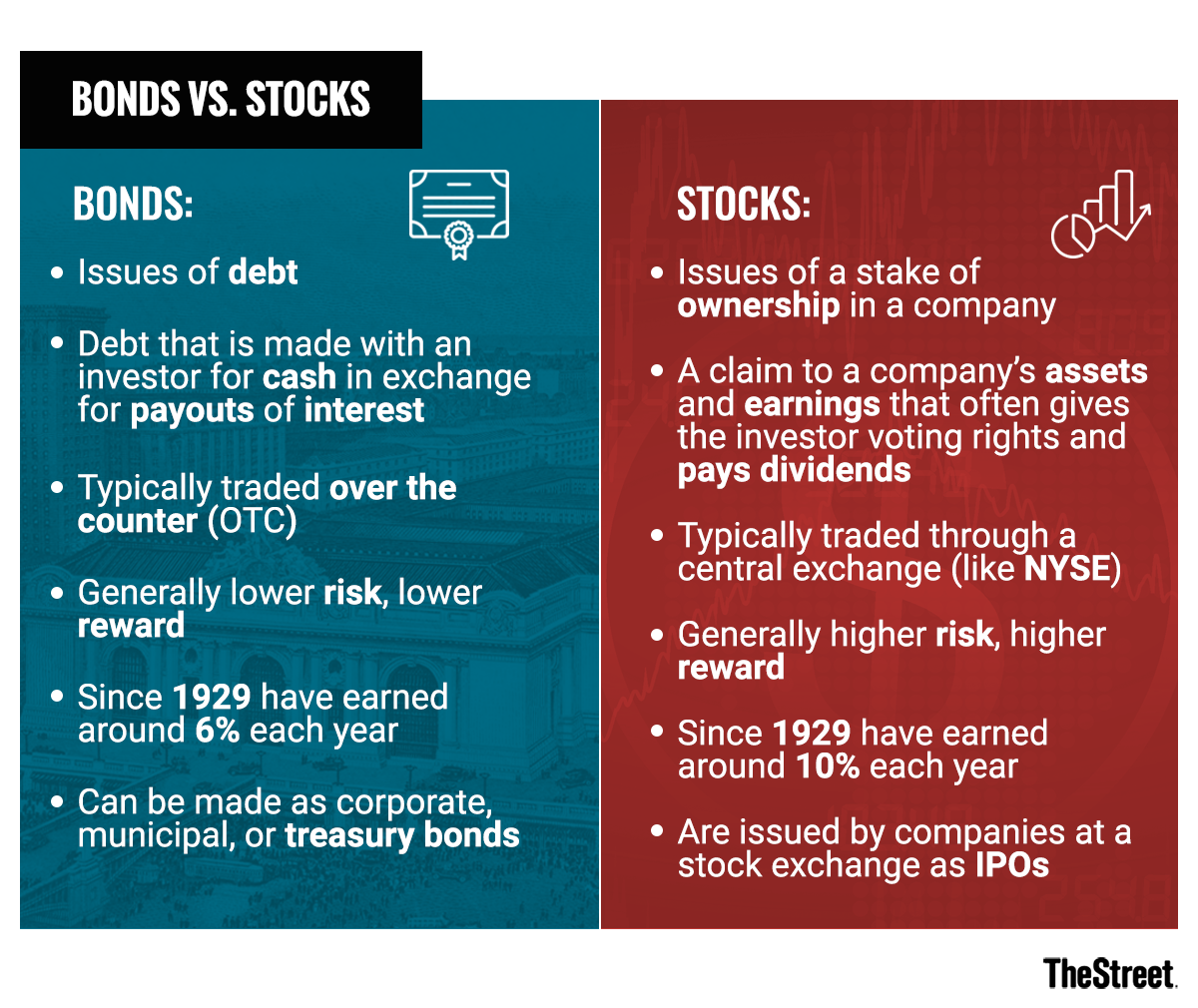
Before deploying capital, it is essential to distinguish between the two primary asset classes that form the bedrock of most investment portfolios: equities (stocks) and fixed income (bonds). While they often move in opposite directions, they serve complementary roles in a financial strategy.

What are Stocks?
When you buy a stock, you are purchasing a piece of ownership in a corporation. This ownership, or equity, entitles you to a portion of the company’s profits and assets. Historically, stocks have offered the highest potential for growth over long periods. Investors earn money through stocks in two ways: capital appreciation (the stock price goes up) and dividends (periodic payments made by the company to its shareholders).
However, equity ownership comes with higher risk. If a company fails or underperforms, the stock price can plummet, and in the event of bankruptcy, stockholders are the last in line to be paid. Therefore, stocks are generally viewed as the “growth engine” of a portfolio, providing the engine power needed to outpace inflation.
What are Bonds?
Bonds represent a debt relationship. When you invest in a bond, you are essentially acting as a lender to an entity, such as a government or a corporation. In exchange for your capital, the issuer promises to pay you a specific rate of interest—known as the coupon—over a set period, and return the original “principal” amount when the bond matures.
Bonds are typically less volatile than stocks and provide a predictable stream of income. In the hierarchy of corporate finance, bondholders are “senior” to stockholders; if a company faces liquidation, bondholders are paid before shareholders. This makes bonds the “stabilizer” of a portfolio, cushioning the impact when the stock market experiences a downturn.
The Risk-Reward Trade-off
The relationship between stocks and bonds is defined by the risk-reward trade-off. Stocks offer high potential returns but come with the risk of significant short-term losses. Bonds offer lower, more stable returns with lower risk. A successful investor learns to balance these two based on their personal goals and their ability to endure market fluctuations.
Building Your Portfolio: Asset Allocation and Diversification
The most important decision an investor makes is not which specific stock to buy, but how to allocate their assets between stocks and bonds. This process, known as asset allocation, determines the majority of a portfolio’s long-term performance and risk profile.
Determining Your Risk Tolerance
Risk tolerance is a combination of your financial ability to lose money and your emotional temperament during market crashes. A young investor with a thirty-year horizon until retirement has a high “risk capacity” because they have time to recover from market dips. Conversely, someone approaching retirement has a lower risk capacity and may need to prioritize capital preservation.
A traditional rule of thumb was the “100 minus age” rule, suggesting that you subtract your age from 100 to find the percentage of your portfolio that should be in stocks. In the modern era of longer lifespans, many advisors now suggest using 110 or 120 as the starting number to ensure the portfolio doesn’t run out of growth potential too early.
The Role of Time Horizons
Time is the greatest ally of the investor. Through the power of compounding, even small amounts of money can grow into substantial sums if left untouched. If your goal is short-term (e.g., buying a house in two years), your allocation should lean heavily toward bonds or cash equivalents to avoid the risk of a market correction. If your goal is long-term (e.g., retirement in 20 years), a stock-heavy allocation is usually more appropriate.
Diversification Strategies
Diversification is the practice of spreading your investments across different sectors, industries, and geographies to reduce risk. It is often called the “only free lunch in finance.” By holding a variety of stocks—such as tech, healthcare, and energy—and different types of bonds—such as U.S. Treasuries and corporate bonds—you ensure that a failure in one specific area does not destroy your entire portfolio.
Choosing Your Investment Vehicles
Once you have determined your allocation, you must decide how to actually purchase these assets. You can buy individual securities or use pooled investment vehicles.
Individual Stocks and Corporate Bonds
Buying individual stocks requires significant research into financial statements, competitive advantages, and management quality. It offers the potential to “beat the market” but carries “idiosyncratic risk”—the risk that a specific company will fail even if the overall economy is doing well. Similarly, individual bonds require an assessment of the issuer’s creditworthiness. For most individual investors, picking individual securities is time-consuming and difficult to do successfully over the long term.
Mutual Funds and ETFs
Mutual funds and Exchange-Traded Funds (ETFs) allow investors to buy a basket of hundreds or even thousands of stocks or bonds in a single transaction.
-
Mutual Funds: These are typically managed by professional fund managers and are priced once at the end of the trading day.
-
ETFs: These trade on an exchange like a stock, allowing you to buy and sell throughout the day. They often have lower fees and better tax efficiency than mutual funds.
Index Funds: The Passive Powerhouse
Index funds are a type of fund designed to mimic the performance of a specific market benchmark, such as the S&P 500. Instead of trying to pick “winners,” index funds simply buy everything in the index. Because they don’t require expensive active management, they have very low “expense ratios.” Decades of data suggest that low-cost index funds outperform the majority of actively managed funds over long periods, making them the gold standard for individual investors.
Step-by-Step Guide to Getting Started
Transitioning from theory to practice requires a few logistical steps. The barrier to entry has never been lower, with many platforms offering zero-commission trades and fractional shares.
Selecting a Brokerage Account
To buy stocks and bonds, you need a brokerage account. Reputable firms like Vanguard, Fidelity, and Charles Schwab offer robust platforms with extensive educational resources. When choosing, look for firms that offer:
-
Zero commissions on stock and ETF trades.
-
Low or no account minimums.
-
Access to high-quality research tools.
-
A user-friendly mobile app and website.
Retirement Accounts vs. Taxable Accounts
Where you hold your investments is just as important as what you buy.
-
Tax-Advantaged Accounts: Accounts like a 401(k) or an Individual Retirement Account (IRA) offer significant tax benefits. In a traditional IRA or 401(k), your contributions are tax-deductible, and you pay taxes only when you withdraw the money. In a Roth IRA, you contribute after-tax dollars, but your investments grow and are withdrawn tax-free.
-
Taxable Brokerage Accounts: These offer no tax perks but provide maximum flexibility. You can withdraw your money at any time without penalty, making them ideal for goals that occur before retirement.
Executing Your First Trade
Once your account is funded, you can place an order. For beginners, a “Market Order” is the simplest—it buys the security immediately at the current price. A “Limit Order” allows you to set a maximum price you are willing to pay, offering more control but with the risk that the trade may not execute if the price doesn’t hit your target.
Long-Term Management and Psychology
The hardest part of investing isn’t the math; it’s the psychology. Successful investors are those who can maintain a disciplined approach regardless of market headlines.
Rebalancing Your Portfolio
Over time, your asset allocation will drift. If stocks have a great year, they may grow to represent 80% of your portfolio when your target was 70%. Rebalancing involves selling a portion of your winning assets (stocks) and buying more of the underperforming ones (bonds). This forces you to follow the most fundamental rule of investing: buy low and sell high. Rebalancing should generally be done once a year or whenever your allocation drifts by more than 5%.
The Impact of Fees and Taxes
Small fees can compound into massive losses over decades. An expense ratio of 1% might seem small, but it can eat up nearly a third of your total returns over 30 years. Always prioritize low-cost index funds and ETFs. Additionally, be mindful of “tax-loss harvesting”—selling losing investments to offset gains and reduce your tax bill.

Navigating Market Volatility
The market does not move in a straight line. Volatility is the “price of admission” for the superior returns that stocks provide. The most common mistake investors make is panic-selling during a market crash. To avoid this, focus on “Time in the market” rather than “Timing the market.” By utilizing Dollar-Cost Averaging—investing a fixed amount of money at regular intervals regardless of the price—you naturally buy more shares when prices are low and fewer when they are high.
Investing in stocks and bonds is a marathon, not a sprint. By maintaining a diversified portfolio, keeping costs low, and staying the course during periods of uncertainty, you can harness the growth of the global economy to secure your financial future.
aViewFromTheCave is a participant in the Amazon Services LLC Associates Program, an affiliate advertising program designed to provide a means for sites to earn advertising fees by advertising and linking to Amazon.com. Amazon, the Amazon logo, AmazonSupply, and the AmazonSupply logo are trademarks of Amazon.com, Inc. or its affiliates. As an Amazon Associate we earn affiliate commissions from qualifying purchases.