
In an increasingly globalized world, travel has become more accessible, yet the cost of flights often remains a significant barrier for many aspiring adventurers and business travelers alike. The quest for the “cheapest flight” isn’t merely about finding a good deal; it’s a fundamental aspect of savvy personal finance, enabling individuals to stretch their travel budget further, visit more destinations, or allocate savings to other crucial financial goals. This article delves into the strategies, insights, and tools necessary to navigate the complex airline pricing landscape, transforming a potentially large expenditure into a manageable and even strategic investment in experiences.
The Financial Imperative: Why Flight Costs Matter
Understanding the financial implications of flight bookings is the first step towards mastering the art of affordable travel. For many, airfare represents the largest single component of their travel budget, overshadowing accommodation, activities, and dining. A seemingly small difference in flight price can have a profound ripple effect on your overall financial plan, impacting not just your travel aspirations but also your broader personal finance health.
Understanding the Impact on Your Personal Budget
Every dollar saved on a flight is a dollar that can be reallocated elsewhere. This could mean a more comfortable hotel, an additional excursion, or perhaps even a contribution to a savings account, an investment portfolio, or debt repayment. When travel is frequent, these savings compound, potentially freeing up hundreds or even thousands of dollars over a year. From a personal finance perspective, optimizing flight costs isn’t about deprivation; it’s about smart resource allocation and maximizing utility from your hard-earned money. It’s about ensuring your travel experiences provide the greatest possible value without compromising your long-term financial stability.
The Hidden Costs of Travel and How to Mitigate Them
Beyond the sticker price of a ticket, a myriad of ancillary fees can quickly inflate the true cost of air travel. Baggage fees, seat selection charges, in-flight meals, and even booking fees can add substantially to the final bill. Smart financial planning for travel involves anticipating these hidden costs and actively seeking ways to mitigate them. This might include packing lighter to avoid checked bag fees, considering budget airlines where such fees are standard practice (and thus budgeted for upfront), or utilizing airline credit card perks that waive certain charges. A comprehensive travel budget should always account for these potential extras, preventing unpleasant financial surprises and ensuring you maintain control over your spending.
Shifting from Expenditure to Investment: The Value of Smart Spending
Viewing travel as an investment rather than just an expenditure can fundamentally alter your approach to booking flights. Travel can enrich personal growth, broaden perspectives, foster relationships, and even open professional opportunities. By securing flights at the lowest possible cost, you’re not just saving money; you’re enhancing the return on your “experience investment.” This shift in mindset encourages a more proactive, research-driven approach to booking, turning the hunt for a cheap flight into a rewarding financial challenge rather than a daunting chore. It reinforces the principle that every financial decision, big or small, contributes to your overarching financial well-being.
Strategic Timing: When to Book for Optimal Savings
The timing of your flight booking is arguably the single most influential factor in determining its cost. Airlines employ sophisticated dynamic pricing algorithms that adjust fares based on demand, capacity, historical data, and a host of other variables. Understanding these patterns, even broadly, can empower you to make more financially astute booking decisions.
The “Goldilocks Zone”: Early Bird vs. Last-Minute
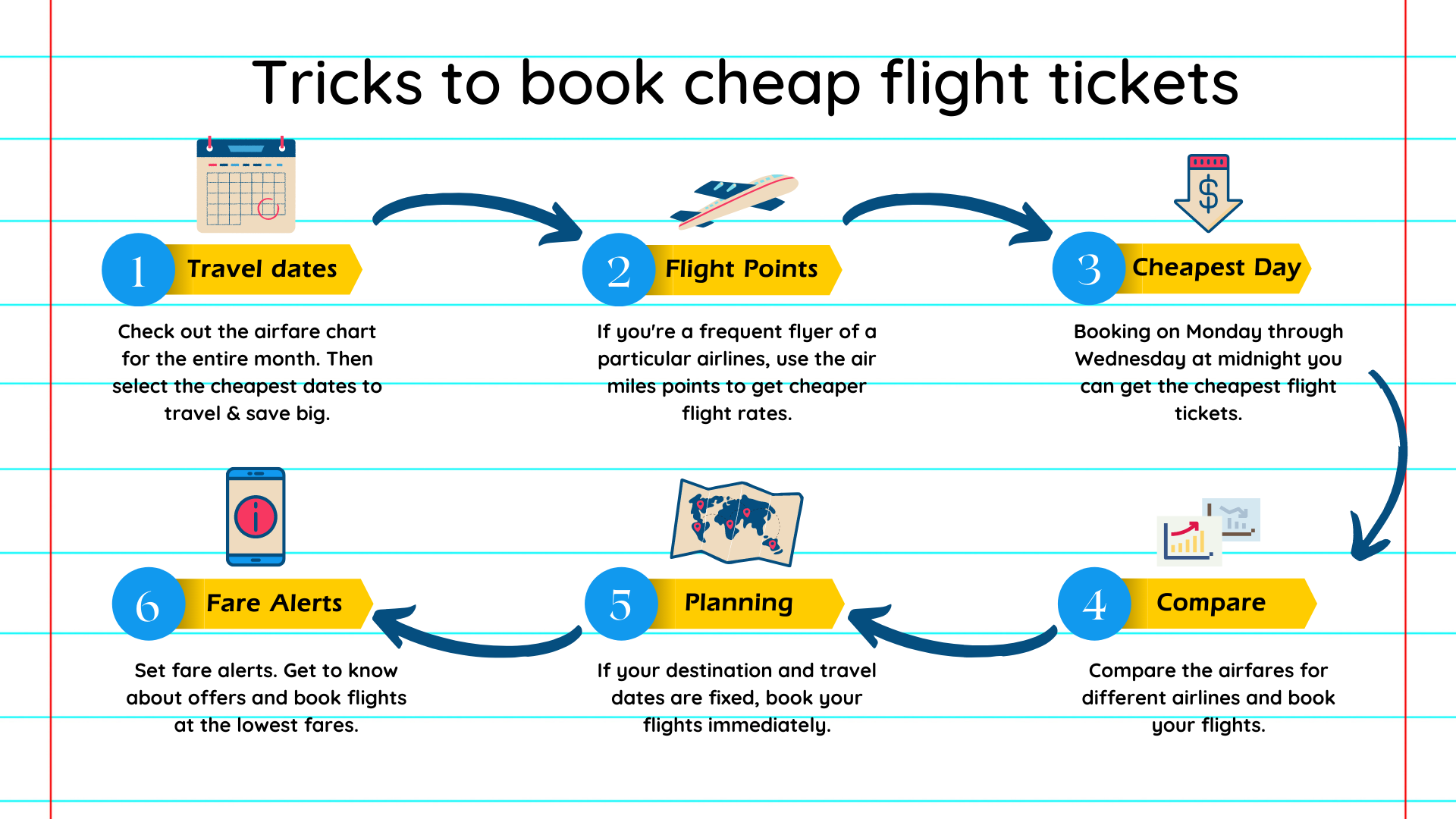
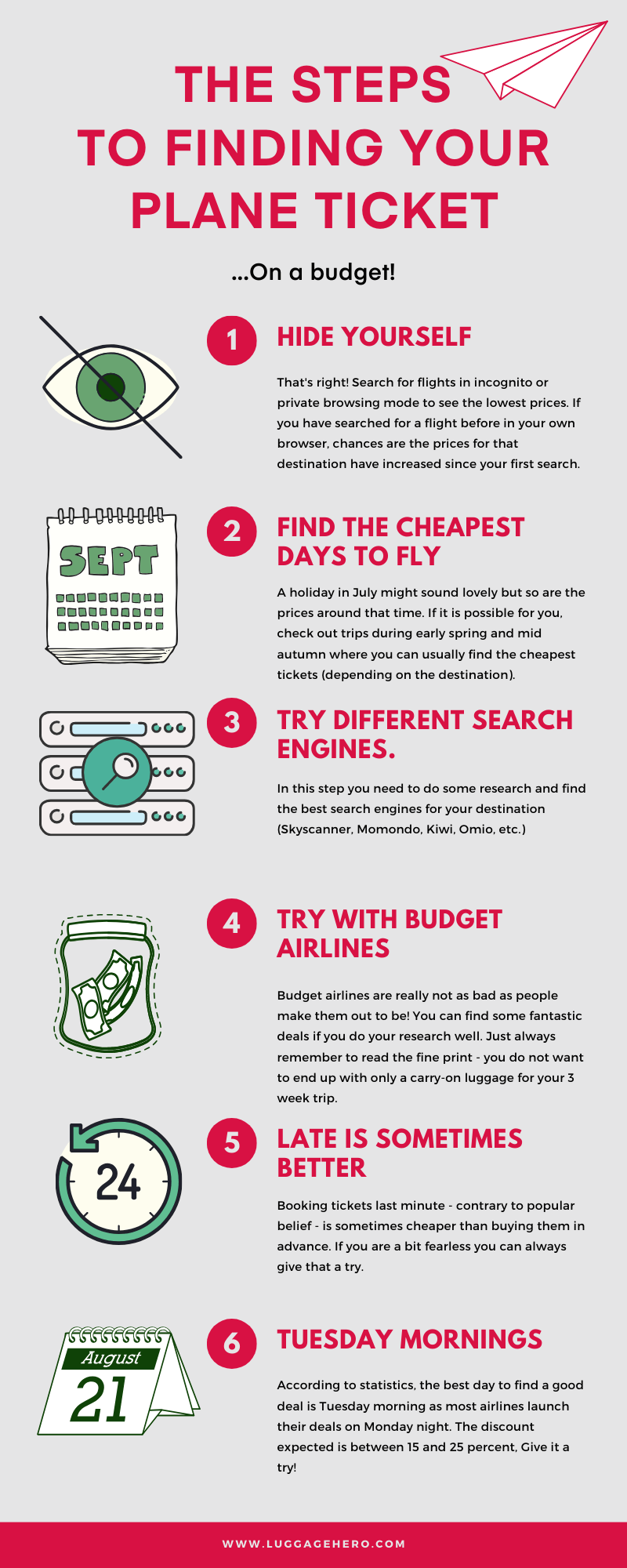
There’s a common misconception that last-minute bookings offer the best deals. While occasional exceptions exist, particularly for distressed inventory on certain routes, the general rule is that flexibility and early booking often yield superior savings. Airlines typically release their cheapest seats several months in advance to stimulate early demand. As departure dates approach, prices tend to rise, especially for popular routes. The “Goldilocks Zone” for domestic flights is often cited as 1-3 months out, while international flights might require booking 2-8 months in advance. Booking too early (e.g., a year out) can also be suboptimal, as airlines may initially price high before adjusting down based on demand. The key is finding that sweet spot where supply meets forecasted demand at its most favorable price point.
Leveraging Seasonal and Day-of-Week Trends
Flight prices fluctuate significantly based on seasonality and the day of the week you fly. Peak travel seasons (holidays, summer vacations) invariably command higher prices due to increased demand. Conversely, traveling during the shoulder seasons (spring and fall) or off-peak periods can lead to substantial savings. Similarly, flying on weekdays, particularly Tuesdays, Wednesdays, and Saturdays, is often cheaper than flying on high-demand days like Fridays and Sundays. Understanding these trends allows you to strategically plan your travel dates, aligning your schedule with periods of lower demand and, consequently, lower fares. This flexibility is a powerful financial tool for budget-conscious travelers.
The Myth of the Cheapest Day: Dynamic Pricing Realities
While “Tuesday at 3 PM” used to be a widely cited magic window for booking cheap flights, the reality of modern airline pricing is far more complex and dynamic. Airlines continuously adjust prices based on real-time demand, competitor pricing, and predictive analytics. There isn’t a single “cheapest day” to book that applies universally. Instead, the focus should be on consistency: regularly checking prices, utilizing price alerts, and understanding the general patterns of price fluctuations for your desired route. Relying on a fixed “cheapest day” might lead to missed opportunities as algorithms constantly adapt. The true “cheapest day” is the one on which an airline, for whatever reason, temporarily drops its prices, and your preparedness allows you to capitalize on it.
Smart Searching Techniques: Navigating the Digital Marketplace
The digital age has revolutionized how we search for flights, offering an array of tools and strategies to uncover the best deals. However, effectively using these tools requires a nuanced understanding of their capabilities and limitations.
Harnessing Comparison Sites and Aggregators (and Their Limitations)
Flight comparison websites (e.g., Google Flights, Skyscanner, Kayak, Expedia) are invaluable first stops. They aggregate data from numerous airlines and online travel agencies (OTAs), providing a panoramic view of available options and prices. These tools excel at quickly identifying the cheapest routes and highlighting date flexibility. However, it’s crucial to understand their limitations:
-
Incomplete Data: Not all airlines (especially budget carriers) list their fares on every aggregator.
-
OTA Markup: Some aggregators might lead you to OTAs that add their own fees or offer less flexible booking conditions compared to booking directly with the airline.
-
Dynamic Pricing: Prices displayed on aggregators can change rapidly, and the final price might differ when you click through to the booking site.
A best practice is to use aggregators for initial research and then cross-reference prices directly on airline websites, especially for budget carriers.
Incognito Mode and VPNs: Myth vs. Reality in Price Fluctuation
The idea that airlines track your search history and raise prices when they detect repeated interest is a persistent myth, often leading travelers to use incognito mode or VPNs. While cookies can track your browsing for marketing purposes, there is no credible evidence that airlines use this data to dynamically inflate prices based on individual user search history. Price fluctuations are primarily driven by broader market demand, available inventory, and algorithmic adjustments, not individual browsing habits. Using incognito mode might clear cookies, preventing some personalized ad targeting, but it’s unlikely to secure you a cheaper flight. Focusing on the actual market dynamics and searching strategies will yield far more tangible financial benefits.
Price Alerts and Predictive Tools: Your Automated Savings Assistants
In a world of constant price changes, manually monitoring fares is impractical. This is where price alert tools (available on most comparison sites) become indispensable. You set up an alert for your desired route and dates, and the system notifies you when prices drop. Some advanced tools, like Google Flights’ price prediction, even offer recommendations on whether to book now or wait, based on historical data and predictive analytics. These automated assistants act as your financial vigilant, ensuring you don’t miss out on a fleeting fare drop without having to constantly check yourself. Integrating these tools into your financial travel planning process is a highly effective way to leverage technology for savings.
Exploring Alternative Airports and Stopovers for Value
One of the simplest yet most effective ways to reduce flight costs is to be flexible with your departure and arrival airports. Major international hubs often have higher landing fees and airport taxes, which are passed on to consumers. Checking prices from smaller, regional airports within a reasonable driving distance can sometimes yield significant savings. Similarly, direct flights are almost always more expensive than flights with one or more layovers. While a stopover adds travel time and potential inconvenience, the financial savings can be substantial, making it a worthwhile consideration for budget-conscious travelers, especially on longer routes. The calculation here is a financial trade-off between time/convenience and direct monetary savings.
Flexibility and Frugality: Unlocking Deeper Discounts
True financial mastery in flight booking often comes down to an embrace of flexibility and a commitment to frugality. The less rigid you are with your travel plans, the more opportunities you create for significant savings.
Embracing Flexibility with Dates and Destinations
The ultimate power move for securing cheap flights is unparalleled flexibility. If your dates are not fixed, use flexible date search tools (e.g., Google Flights’ explore map or Skyscanner’s “Cheapest Month” feature) to identify the least expensive times to fly to a specific destination, or even the cheapest destinations to fly to within a given timeframe. Even shifting your departure by a day or two can sometimes unlock dramatically lower fares. This approach prioritizes financial savings over strict adherence to a pre-conceived schedule, allowing the market to dictate the most financially advantageous options.
The Art of Budget Airlines: Understanding the Trade-offs
Budget airlines (e.g., Ryanair, Spirit, Allegiant) often offer unbelievably low base fares, which can be a huge boon for a tight budget. However, their business model relies heavily on unbundling services, meaning everything from checked baggage and carry-on bags to seat selection and in-flight refreshments comes at an additional cost. The “art” of using budget airlines effectively from a financial perspective is understanding these trade-offs and calculating the total cost. For short trips with minimal luggage, they can be exceptionally cheap. For longer journeys or travelers who require more amenities, the cumulative fees might negate the initial savings. Always factor in all potential extra costs to get a true financial comparison.
Loyalty Programs and Travel Rewards: Turning Spending into Savings
For frequent travelers, leveraging airline loyalty programs and travel rewards credit cards can be a game-changer for long-term savings. Accumulating miles or points through flights or everyday spending can lead to free flights, upgrades, or significant discounts. Carefully selecting a travel rewards credit card that aligns with your spending habits and preferred airlines can unlock benefits like waived baggage fees, priority boarding, or access to airport lounges – all of which translate into tangible financial value. This strategy requires diligent tracking and a strategic approach to credit card usage, ensuring you pay balances in full to avoid interest charges that would outweigh any rewards.
Considering One-Way vs. Round-Trip Strategies
While traditional wisdom often suggests booking round-trip flights for better value, this isn’t always the case. Sometimes, combining two one-way tickets from different airlines can be cheaper than a single round-trip with one carrier, especially when dealing with budget airlines or when flying into one city and out of another (open-jaw itineraries). This strategy demands more research and potentially more complex logistics if there are flight delays, but the financial upside can be considerable. It offers another layer of flexibility that savvy financial travelers can exploit.
Beyond the Ticket Price: Holistic Financial Planning for Travel
Securing the cheapest flight is a significant victory for your travel budget, but it’s only one component of a holistic financial travel plan. True financial success in travel encompasses managing all associated costs to ensure a smooth, enjoyable, and budget-adherent experience.
Budgeting for Ancillary Fees: Luggage, Seat Selection, and More
As mentioned, ancillary fees can quickly erode flight savings. A robust travel budget must explicitly account for these potential costs. Research the baggage policies of your chosen airline, especially if you’re flying budget carriers. Decide whether a checked bag is truly necessary or if you can manage with a carry-on (after checking its size and weight restrictions). If you absolutely require a specific seat, factor in the selection fee. Being proactive and transparent about these costs in your budget prevents financial surprises and allows for informed decision-making.
Travel Insurance as a Financial Safety Net
While it adds to the upfront cost, travel insurance can be a crucial financial safety net. Flight delays, cancellations, lost luggage, or unexpected medical emergencies abroad can lead to substantial unplanned expenses. A comprehensive travel insurance policy can protect you from these financial shocks, offering peace of mind and preventing potentially catastrophic losses. For budget travelers, balancing the cost of insurance against the potential for significant unrecoverable expenses is a wise financial calculation. Many credit cards offer some level of travel insurance as a perk, so check your existing benefits before purchasing a separate policy.
Managing On-the-Ground Expenses: Accommodation, Transport, and Food
The flight is just the start. Your on-the-ground expenses—accommodation, local transport, food, activities, and souvenirs—can easily eclipse the flight cost if not managed carefully. Researching average costs at your destination, booking budget-friendly accommodation (hostels, guesthouses, Airbnb), utilizing public transport, and seeking out local eateries can help keep these costs in check. A detailed daily budget for each category is essential for maintaining financial control throughout your trip.

The True Cost of “Cheap”: Balancing Price with Value and Convenience
Finally, it’s vital to recognize that the “cheapest flight” isn’t always the best value. A flight that requires an excessively long layover, an inconvenient departure time, or multiple connections that add significant stress might not be worth the minimal financial savings. Similarly, a budget airline ticket that ends up costing more once all fees are added, or provides a miserable travel experience, might not be the wisest financial choice. The true measure of a smart travel decision is balancing the monetary cost with the value derived from convenience, comfort, and the overall travel experience. A financially savvy traveler understands that sometimes, paying a little more for a better experience is an investment in personal well-being, which ultimately holds its own invaluable return.
By adopting these financially astute strategies and maintaining a keen eye on the dynamic world of airline pricing, travelers can consistently secure the best possible value for their flights, maximizing their travel experiences without compromising their broader financial goals. The journey to the cheapest flight is not just about finding a deal; it’s about making smart, informed financial choices that empower you to explore the world on your terms.
aViewFromTheCave is a participant in the Amazon Services LLC Associates Program, an affiliate advertising program designed to provide a means for sites to earn advertising fees by advertising and linking to Amazon.com. Amazon, the Amazon logo, AmazonSupply, and the AmazonSupply logo are trademarks of Amazon.com, Inc. or its affiliates. As an Amazon Associate we earn affiliate commissions from qualifying purchases.