
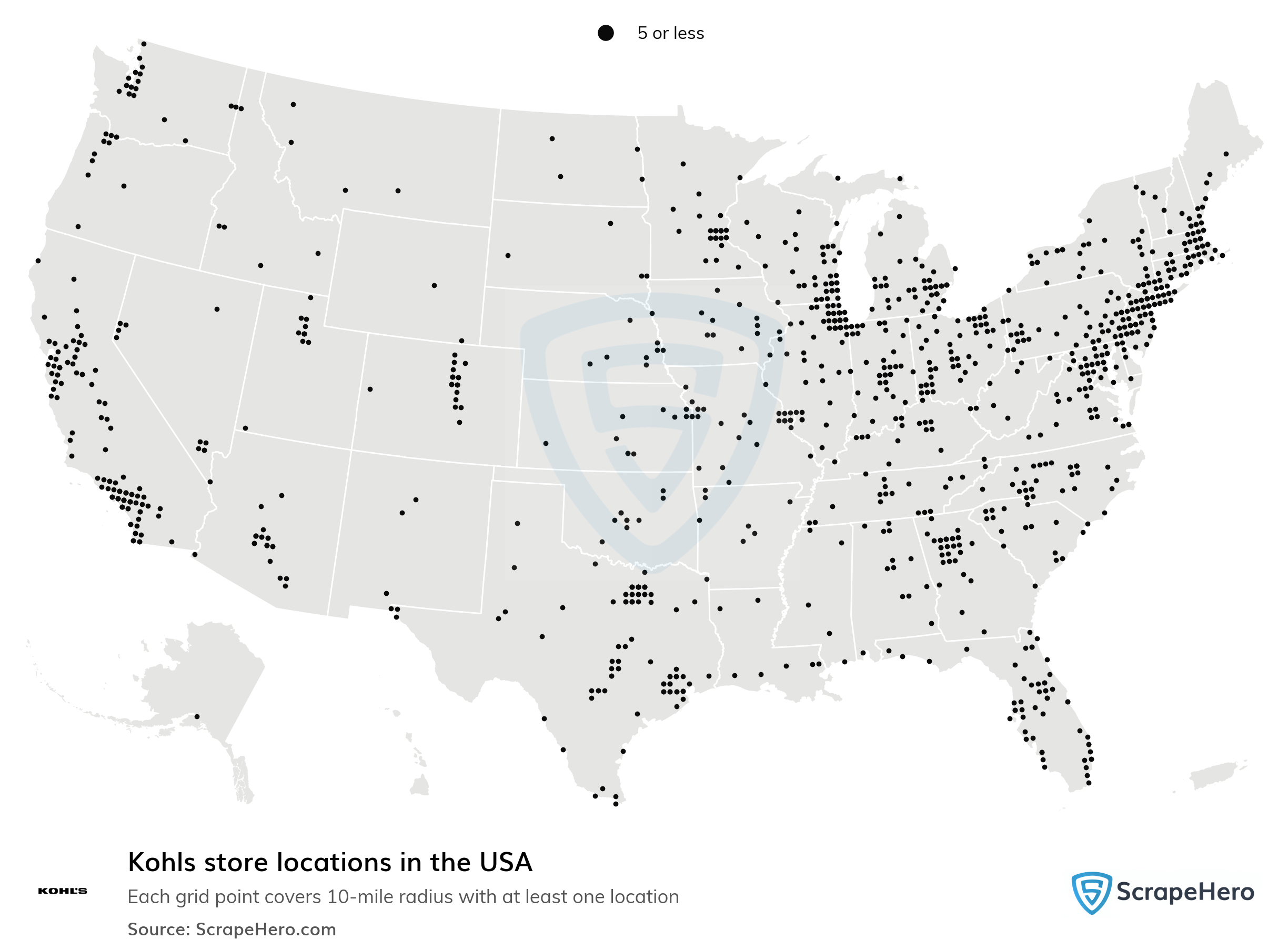
For investors, market analysts, and business professionals, the question of how many Kohl’s stores are currently in operation is more than a simple inquiry into retail logistics. It is a fundamental metric for evaluating the company’s capital allocation, its real estate strategy, and its long-term viability in an increasingly digital marketplace. As of the most recent fiscal reporting periods, Kohl’s operates approximately 1,174 stores across 49 states.
While the raw number provides a baseline for the company’s reach, the true financial narrative lies in how Kohl’s manages this massive physical footprint. In an era where many department stores are shuttering locations at an alarming rate, Kohl’s has maintained a relatively stable store count. This stability is a cornerstone of their corporate identity, serving as the backbone for their omnichannel strategy and a primary driver of their annual revenue, which consistently reaches into the billions.
The Strategic Value of the Kohl’s Real Estate Portfolio
The physical presence of Kohl’s is one of its most significant balance sheet assets. Unlike competitors who often anchor large, dying shopping malls, Kohl’s has historically favored off-mall locations. This geographical strategy is a critical component of their business finance model, as it typically results in lower rent expenses, easier access for consumers, and higher operational efficiency.
Off-Mall Advantage and Operational Costs
Approximately 80% of Kohl’s stores are located in off-mall strip centers or standalone locations. From a financial perspective, this reduces the company’s exposure to the declining foot traffic seen in traditional enclosed malls. It also allows for more flexible operating hours and lower common area maintenance (CAM) fees. By avoiding the high overhead costs associated with premium mall real estate, Kohl’s can maintain healthier margins on its inventory, a necessity in the competitive middle-market retail sector.
Geographic Distribution and Market Penetration
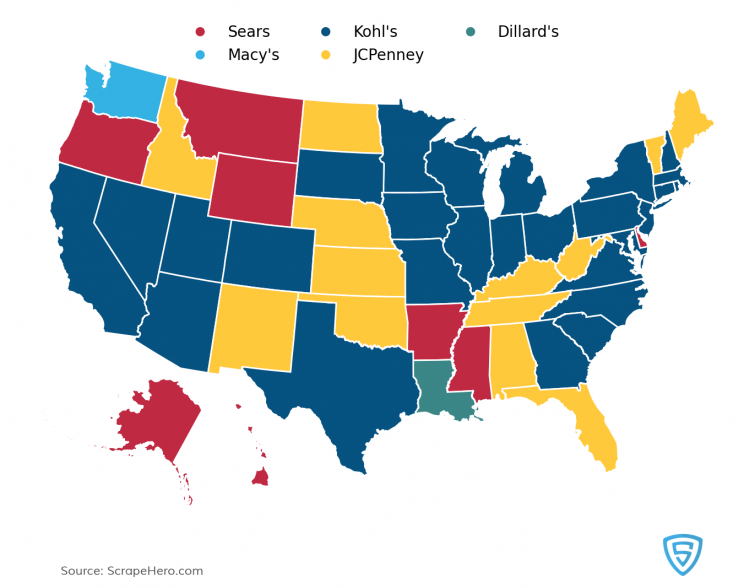
With over 1,100 locations, Kohl’s has achieved a level of market penetration that few retailers can match. Their presence in 49 states (all except Hawaii) ensures that they remain a household name. For the finance-minded observer, this wide distribution is a double-edged sword. While it maximizes potential customer reach, it also creates complex supply chain requirements. The company’s ability to leverage these stores as localized distribution centers is what prevents the physical footprint from becoming a financial liability.
Store Count as a Driver of Corporate Revenue and Valuation
In the world of retail finance, the “four-wall EBITDA” (Earnings Before Interest, Taxes, Depreciation, and Amortization at the individual store level) is a vital KPI. Kohl’s management frequently emphasizes that the vast majority of their stores are cash-flow positive. This is essential for maintaining the company’s dividend payments and funding its share repurchase programs.
The Halo Effect on E-commerce
There is a direct correlation between the number of Kohl’s stores and the brand’s online performance. Data suggests a “halo effect” where physical stores drive digital engagement. When a customer lives within a ten-mile radius of a Kohl’s location, their likelihood of shopping on Kohls.com increases significantly. This synergy is a key part of the company’s valuation; the stores are not just points of sale, but also billboards and fulfillment hubs that lower the Customer Acquisition Cost (CAC).
Shop-in-Shop Models: The Sephora Integration
One of the most significant financial shifts in Kohl’s recent history is the partnership with Sephora. By the end of 2025, Kohl’s aims to have Sephora “shop-in-shop” installations in nearly all of its 1,100+ locations. This is a strategic move to increase sales per square foot, a critical metric for retail investors. The Sephora integration has proven to be a massive driver of foot traffic, attracting a younger, more affluent demographic that Kohl’s has historically struggled to capture. This partnership transforms the existing store count into a more productive asset without requiring the acquisition of new real estate.
The Strategic Pivot: Rightsizing and Small-Format Innovations
While the store count has remained steady, the nature of those stores is evolving. The traditional Kohl’s store averages around 80,000 to 90,000 square feet. However, modern retail economics often demand more agility. To optimize their financial performance, Kohl’s has begun experimenting with “rightsizing” their fleet.
Smaller Store Formats and Capital Expenditure
Kohl’s has introduced smaller-format stores, typically around 35,000 square feet. These locations are designed for smaller markets that cannot support a full-sized department store. From a business finance perspective, these smaller stores require significantly less capital expenditure (CapEx) to open and operate, while still offering the full omnichannel suite—including Amazon returns and Buy Online, Pick Up In Store (BOPIS). This allows the company to expand its reach into new demographics while minimizing financial risk.
Inventory Management and Turnover
Maintaining over 1,100 stores requires a sophisticated approach to inventory turnover. Excess inventory is a drain on liquidity, leading to markdowns that erode gross margins. Kohl’s has invested heavily in data analytics to ensure that each store’s inventory is tailored to local demand. By keeping store counts stable but optimizing the stock within those stores, the company aims to improve its inventory-to-sales ratio, a key indicator of operational health.
Omnichannel Synergy: Converting Physical Locations into Financial Assets
The modern definition of a “store” has changed. For Kohl’s, a physical location is no longer just a place where goods are exchanged for cash; it is a vital node in a complex logistics network. This transition is crucial for the company’s financial sustainability in the face of Amazon and other e-commerce giants.
The Amazon Returns Program
Perhaps the most famous strategic move in Kohl’s recent history is its partnership with Amazon to accept returns. While some analysts initially questioned the logic of helping a competitor, the financial results have been telling. The program drives millions of new and existing customers into Kohl’s stores. Once inside, a significant percentage of these “returners” make a purchase. This converts the cost of handling returns into a high-conversion marketing channel, maximizing the utility of the existing store count.
Fulfillment and Last-Mile Logistics
Roughly 40% of Kohl’s digital orders are currently fulfilled by their stores. By using stores as mini-warehouses, Kohl’s significantly reduces shipping costs and “last-mile” delivery times. In the world of business finance, this is known as operational leverage. The company is using assets it already paid for (the stores) to handle growth in a different channel (online), thereby improving the overall Return on Assets (ROA).
The Future Outlook: Financial Sustainability and Activist Pressures
The sheer number of Kohl’s stores has made the company a target for activist investors. These groups often argue that the company is “over-stored” or that its real estate is undervalued on the balance sheet. This has led to intense internal and external debates regarding the best way to unlock shareholder value.
The Sale-Leaseback Debate
A common suggestion from financial activists is for Kohl’s to engage in “sale-leaseback” transactions. This involves selling the land and buildings the company owns and then leasing them back. This would provide a massive, immediate infusion of cash—potentially billions of dollars—which could be used for debt reduction or share buybacks. However, Kohl’s management has largely resisted this, arguing that owning their real estate provides more long-term financial flexibility and protects them from rising rent costs.
Balancing Dividends and Growth
As Kohl’s navigates the current economic climate, the management of its 1,170+ stores will remain central to its financial strategy. The company must balance the need to pay out attractive dividends to shareholders with the need to reinvest in store remodels and technological upgrades. If the store count begins to drop significantly, it may signal a shift from a growth or stability phase into a defensive contraction. Conversely, if the Sephora integration continues to boost the productivity of each location, the current store count could support higher valuations for years to come.
In conclusion, “how many Kohl’s stores are there” is a question that opens the door to a deep dive into the company’s financial soul. At approximately 1,174 locations, Kohl’s possesses a massive, nationwide engine for revenue. The challenge for the company’s leadership is to ensure that each of these locations remains a productive financial asset in a world where the boundaries between physical and digital commerce are permanently blurred. By focusing on rightsizing, strategic partnerships, and omnichannel fulfillment, Kohl’s aims to prove that a large brick-and-mortar footprint is not a relic of the past, but a powerful foundation for future financial success.
aViewFromTheCave is a participant in the Amazon Services LLC Associates Program, an affiliate advertising program designed to provide a means for sites to earn advertising fees by advertising and linking to Amazon.com. Amazon, the Amazon logo, AmazonSupply, and the AmazonSupply logo are trademarks of Amazon.com, Inc. or its affiliates. As an Amazon Associate we earn affiliate commissions from qualifying purchases.