
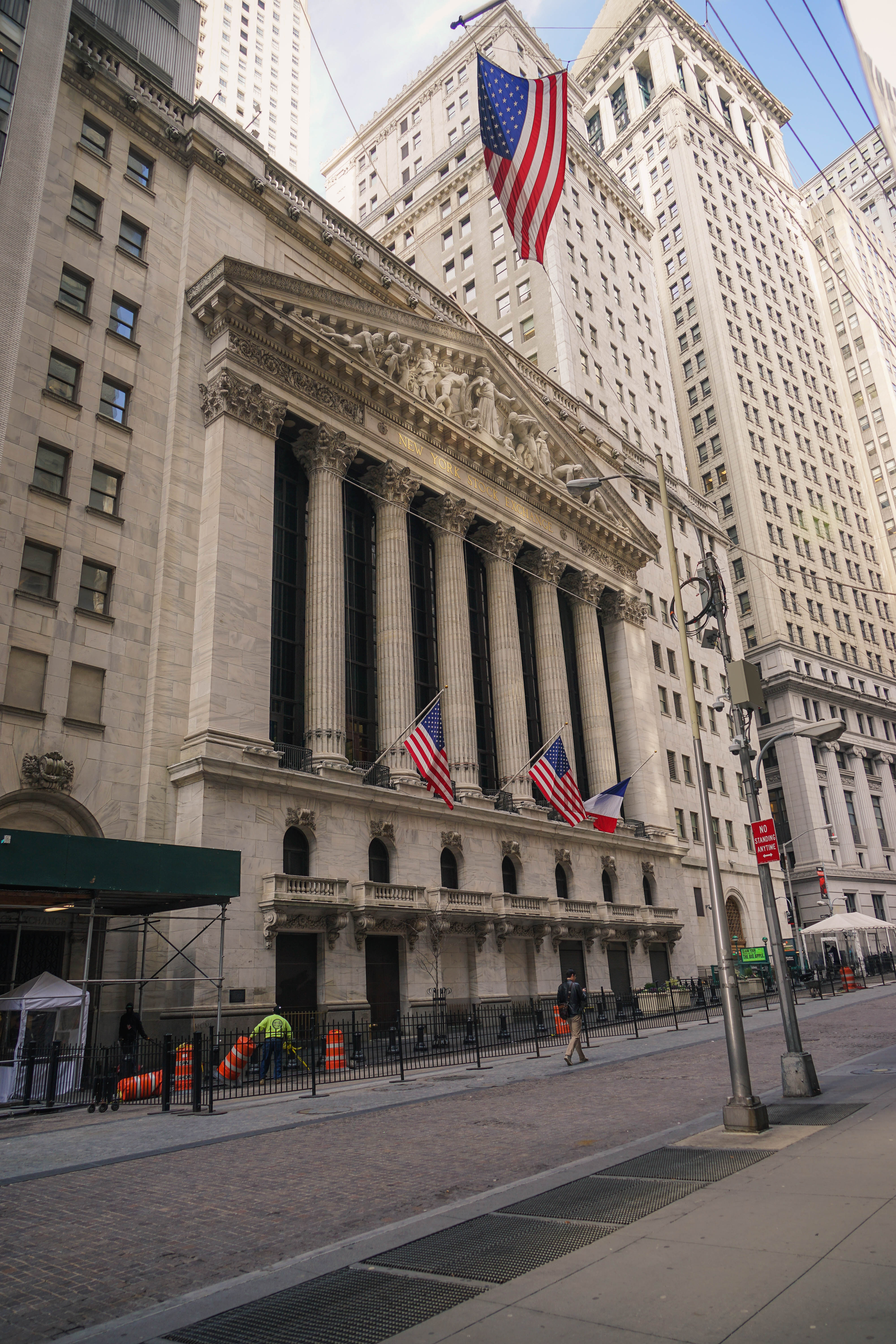
For over two centuries, the New York Stock Exchange (NYSE) has stood as the quintessential symbol of global capitalism. Located at the corner of Wall Street and Broad Street in Lower Manhattan, its neoclassical facade and bustling trading floor represent the heartbeat of the American economy. However, while the image of the “Big Board” is iconic, the answer to who actually owns and operates this financial behemoth is a story of corporate evolution, aggressive acquisitions, and the modernization of global finance.
Today, the New York Stock Exchange is not a standalone entity or a government-run utility. It is a subsidiary of a massive, publicly traded corporation that plays a pivotal role in the infrastructure of global markets. To understand who owns the NYSE is to understand the shift from traditional floor trading to the high-tech, data-driven world of modern business finance.
The Corporate Powerhouse: Intercontinental Exchange (ICE)
The New York Stock Exchange is owned by Intercontinental Exchange, Inc. (ICE). Based in Atlanta, Georgia, ICE is a Fortune 500 company that operates global exchanges, clearinghouses, and provides mortgage technology, data, and listing services.
The acquisition of the NYSE by ICE in 2013 marked a watershed moment in financial history. At the time, ICE was a relatively young company, founded in 2000 by Jeffrey Sprecher. While the NYSE had centuries of prestige, ICE had the technological infrastructure and the aggressive growth strategy that defined the new millennium. The $11 billion deal signaled that the future of trading lay not in the physical pits of Manhattan, but in the massive data centers and electronic networks that ICE had mastered.
The Vision of Jeffrey Sprecher
Jeffrey Sprecher, the founder, Chairman, and CEO of ICE, is often credited with fundamentally changing how financial assets are traded. Starting with the acquisition of a small electronic energy exchange, Sprecher built an empire by identifying inefficiencies in traditional markets. Under his leadership, ICE didn’t just buy the NYSE for its brand; it bought it to integrate the world’s most prestigious equity market into a sophisticated global network of clearing and data services.
A Diversified Financial Ecosystem
Owning the NYSE is only one part of the ICE business model. The parent company operates 13 regulated exchanges and six clearinghouses across North America, Europe, and Asia. This diversification allows ICE to weather volatility in any single market. When you invest in a stock listed on the NYSE, you are participating in an ecosystem that is supported by ICE’s clearing functions, which ensure that trades are settled securely and efficiently.
From Cooperative to Corporation: The History of Ownership
The journey to ICE’s ownership of the NYSE was a long and complex process of “demutualization.” For the vast majority of its history, the NYSE was not owned by a corporation, but by its members.
The Buttonwood Agreement and the Member Era
In 1792, 24 stockbrokers signed the Buttonwood Agreement under a tree on Wall Street. This established the NYSE as a private, member-owned organization. For over 200 years, “owning” the NYSE meant owning a “seat” on the exchange. These seats were highly coveted assets, often passed down through generations or sold for millions of dollars. The members were the owners, the operators, and the regulators of the market.
The 2006 Pivot: NYSE Group
The turning point came in 2006 when the NYSE ended its status as a private nonprofit and became a publicly traded company. This process, known as demutualization, was driven by the need to compete with electronic communication networks (ECNs) and the Nasdaq. The exchange merged with Archipelago Holdings to form the NYSE Group, Inc. This allowed the exchange to raise capital, invest in technology, and participate in the wave of consolidation sweeping the financial industry.
The Euronext Merger and Beyond
Shortly after going public, the NYSE Group merged with Euronext N.V., a major European exchange operator, to create NYSE Euronext. This was the first truly global cross-border exchange group. However, the financial landscape continued to shift. By 2013, the complexities of the trans-Atlantic merger and the rising dominance of electronic energy and derivative markets made NYSE Euronext an attractive target for ICE. After the acquisition, ICE spun off the European operations (Euronext) and kept the crown jewel: the New York Stock Exchange.
The Financial Structure of ICE: Who Owns the Owner?
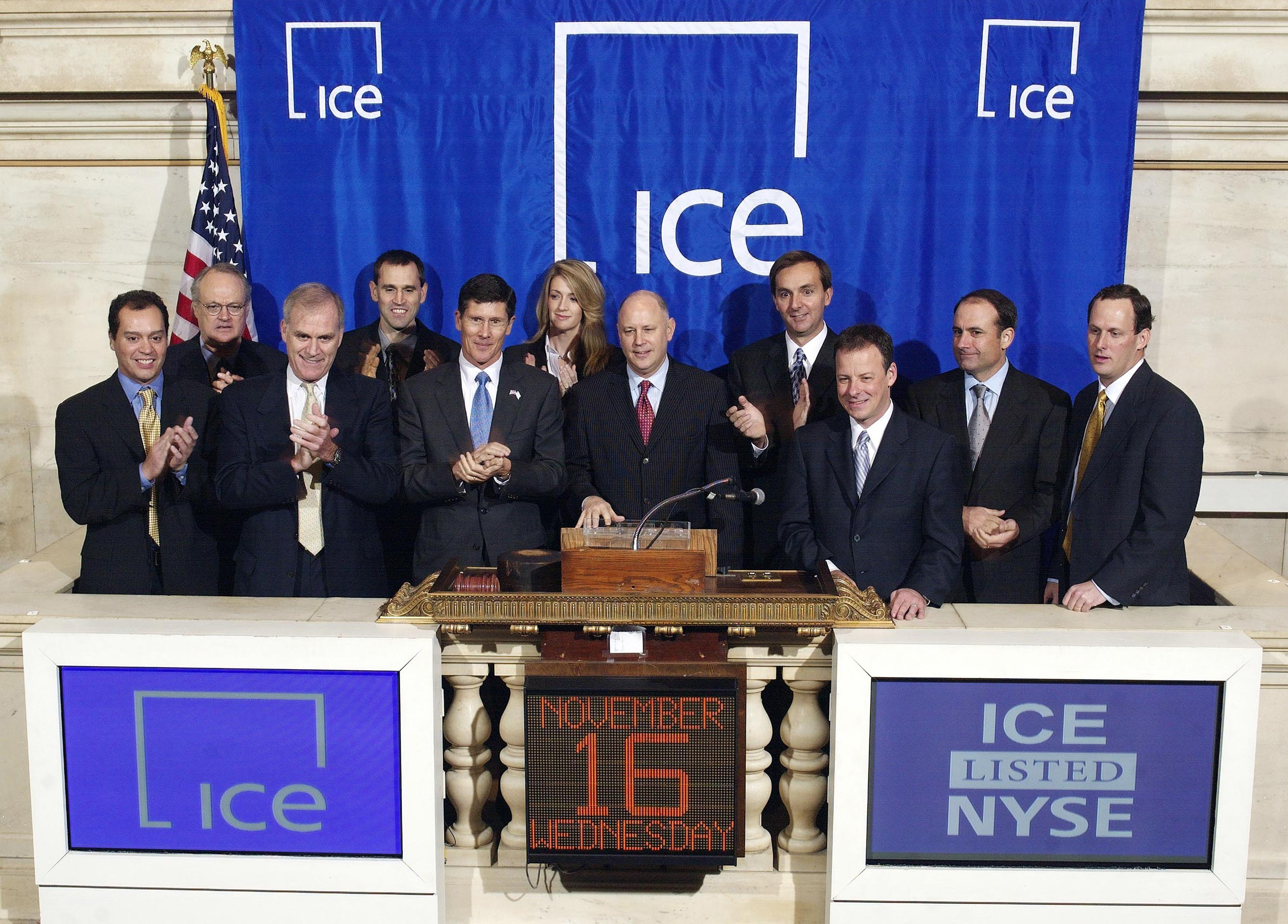
Since ICE is a publicly traded company (traded on the NYSE under the ticker symbol ICE), the ultimate owners of the New York Stock Exchange are the shareholders of Intercontinental Exchange.
Institutional Dominance
The ownership of ICE—and by extension, the NYSE—is dominated by large institutional investors. These include some of the world’s largest asset management firms, pension funds, and insurance companies. Names like The Vanguard Group, BlackRock, and State Street Global Advisors are typically among the largest shareholders. This creates a fascinating recursive loop in the financial world: the very firms that manage trillions of dollars for retail investors own the infrastructure through which those investments are traded.
The Role of Public Shareholders
Because ICE is a public company, anyone with a brokerage account can technically own a piece of the NYSE. This transparency is a hallmark of modern business finance. Every quarter, ICE must report its earnings, revenue from the NYSE, and its strategic outlook to the public. This ensures that the stewardship of the world’s largest stock exchange is subject to market discipline and regulatory oversight.
Regulatory Oversight: The SEC
While ICE owns the NYSE as a business entity, it does not have “absolute” control in the way a traditional business owner might. The NYSE is a Self-Regulatory Organization (SRO). This means that while it is a for-profit business, it has a legal mandate to oversee its members and ensure fair and orderly markets. This oversight is conducted under the watchful eye of the U.S. Securities and Exchange Commission (SEC). The ownership structure is designed to balance the profit motives of ICE shareholders with the public interest of maintaining a stable financial system.
The Business of the Exchange: How Ownership Drives Value
For ICE, owning the NYSE is about more than just the prestige of the opening bell. It is a calculated business venture that generates revenue through several key channels, each essential to the flow of capital in the global economy.
1. Listing Fees
One of the primary ways the NYSE makes money is through listing fees. Companies pay to have their shares traded on the exchange. This is a high-margin business driven by the NYSE’s brand. For a major corporation, a listing on the NYSE provides a “badge of quality” that can lower the cost of capital. ICE leverages this brand to attract Initial Public Offerings (IPOs) from around the world, competing directly with the Nasdaq for the biggest tech giants and traditional industrial titans.
2. Transaction and Trading Fees
Every time a trade is executed on the NYSE, a small fee is generated. In the era of high-frequency trading, where millions of shares change hands in milliseconds, these fees add up to significant revenue. ICE has invested billions into the technology that powers these trades, ensuring that the NYSE remains one of the most liquid and efficient venues for price discovery.
3. Market Data and Analytics
In the modern “Money” landscape, data is often more valuable than the transactions themselves. ICE sells real-time market data to banks, hedge funds, and retail trading platforms. This data is the lifeblood of financial algorithms and investment strategies. By owning the exchange where the world’s largest companies are priced, ICE sits at the source of the world’s most valuable financial information.
4. Technology and Infrastructure Services
ICE provides the technical “pipes” of the financial system. This includes connectivity services that allow traders to co-locate their servers near the exchange for faster execution. By owning the physical and digital infrastructure, ICE ensures that the NYSE is not just a marketplace, but a technology provider for the global investment community.
The Strategic Future of the New York Stock Exchange
Under the ownership of ICE, the NYSE has transitioned from a traditional floor-based auction market to a hybrid model that leads the world in electronic trading while maintaining the human element of Designated Market Makers (DMMs).
Competing in the Digital Age
The ownership by ICE has allowed the NYSE to navigate the rise of decentralized finance and digital assets. ICE launched Bakkt, a platform for digital assets, showing that the parent company is looking beyond traditional equities. As the definition of “investing” expands to include cryptocurrencies and tokenized assets, the NYSE’s ownership structure provides the stability and regulatory framework necessary to integrate these new technologies into the mainstream.
Focus on ESG and Corporate Governance
Under ICE’s stewardship, the NYSE has taken a lead role in promoting Environmental, Social, and Governance (ESG) standards. Because the NYSE owns the “listing” relationship with thousands of companies, it has the power to influence corporate behavior. This is a strategic move that aligns with the demands of the institutional investors (like BlackRock) who own ICE shares. It demonstrates how ownership influences the very nature of corporate identity in the 21st century.

Conclusion: A Foundation of Global Finance
To ask “who owns the NYSE” is to uncover the engine room of the global economy. While Intercontinental Exchange (ICE) holds the legal title and manages the strategic direction, the exchange is ultimately a public-facing entity owned by a diverse group of global shareholders. This transition from a private club to a subsidiary of a technology-driven powerhouse has ensured that the NYSE remains relevant in an increasingly digital world. For investors, understanding this ownership structure is crucial; it reveals that the NYSE is not just a place where stocks are traded, but a sophisticated, for-profit business dedicated to the efficiency, data, and infrastructure of global wealth.
aViewFromTheCave is a participant in the Amazon Services LLC Associates Program, an affiliate advertising program designed to provide a means for sites to earn advertising fees by advertising and linking to Amazon.com. Amazon, the Amazon logo, AmazonSupply, and the AmazonSupply logo are trademarks of Amazon.com, Inc. or its affiliates. As an Amazon Associate we earn affiliate commissions from qualifying purchases.