
In the hyper-competitive landscape of the aviation industry, a brand is defined by more than just its logo or its advertising slogans. For Spirit Airlines, the brand is inextricably linked to the hardware it operates. When passengers ask, “What planes does Spirit use?” the answer reveals a calculated brand strategy designed to project efficiency, modernity, and a no-nonsense approach to travel. Spirit does not just fly planes; it operates a meticulously curated “Fit Fleet” composed exclusively of Airbus A320 family aircraft. This singular focus on a specific aircraft type is the cornerstone of their corporate identity, enabling them to deliver on the promise of the “Bare Fare” while maintaining one of the youngest and most fuel-efficient fleets in the United States.
The All-Airbus Identity: Consistency as a Brand Pillar
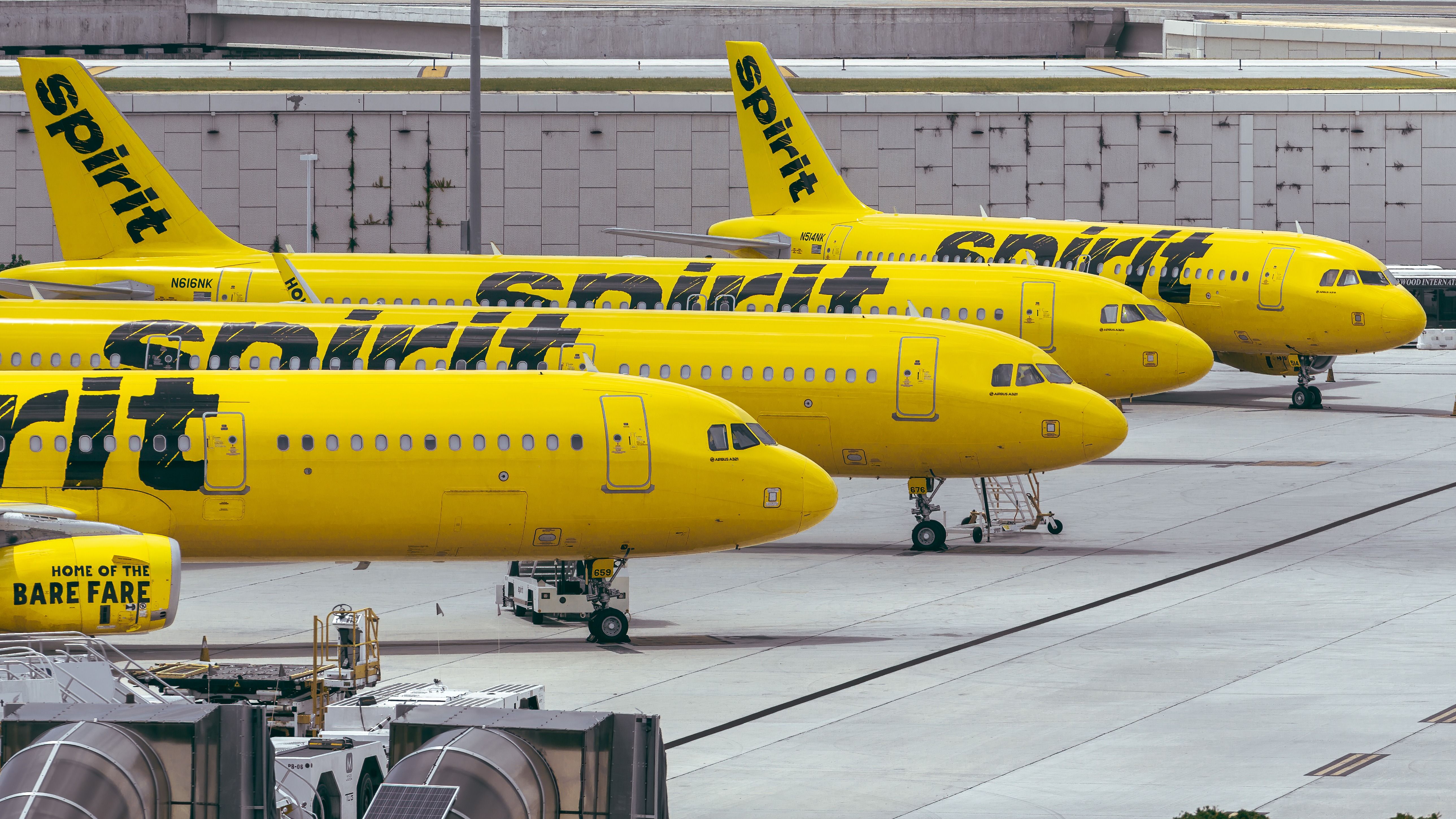
The decision to operate an all-Airbus fleet is not merely a logistical choice; it is a foundational brand strategy. In branding, consistency is the key to building trust and recognition. By utilizing a single family of aircraft—specifically the Airbus A319, A320, and A321—Spirit creates a uniform experience for both its employees and its customers. This uniformity is a powerful marketing tool that simplifies the consumer’s mental model of what a Spirit flight looks like.
Streamlining the Visual Identity
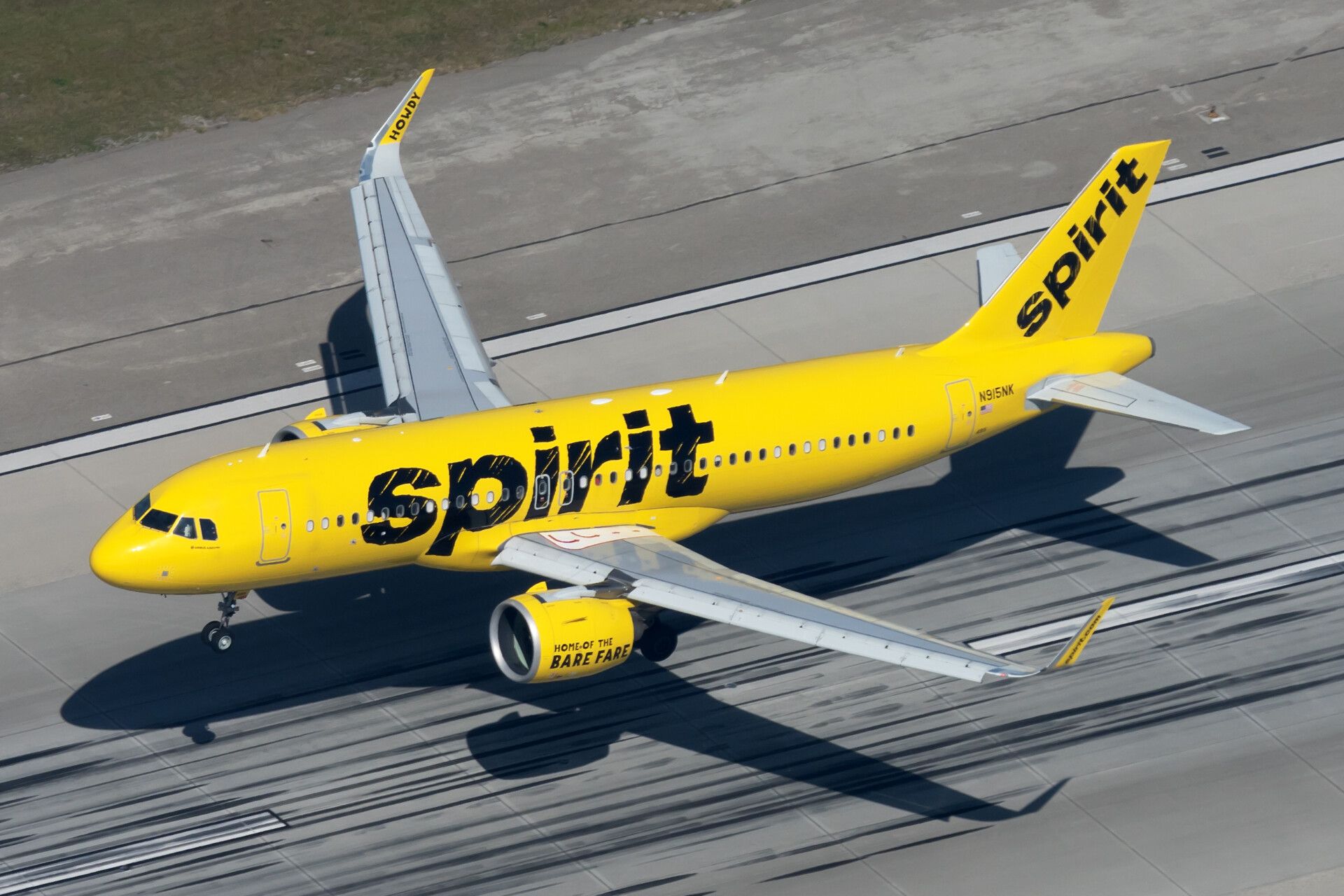
The visual impact of Spirit’s fleet is impossible to ignore. Adorned in a vibrant, high-contrast yellow livery with bold black lettering, Spirit’s planes serve as massive, flying billboards. Because the fleet is composed of the same structural silhouettes, the brand’s visual identity remains cohesive across every airport gate they occupy. This “taxiway branding” ensures that even from a distance, travelers can identify a Spirit aircraft. The consistency of the A320 family’s airframe allows the yellow branding to become synonymous with the aircraft itself, reinforcing the brand’s presence in the sky.
The Psychology of the “Bright Yellow” Livery
Spirit’s choice of yellow is a deliberate departure from the traditional “Eurowhite” or navy blue schemes used by legacy carriers. In the world of brand strategy, yellow evokes energy, optimism, and affordability. By applying this color to a modern, standardized fleet of Airbus jets, Spirit positions itself as a disruptor. The aircraft are not just modes of transportation; they are symbols of a high-energy, value-driven lifestyle. This bold aesthetic choice works because it is applied to a fleet that looks and feels modern, preventing the brand from appearing “cheap” and instead framing it as “efficient.”
The “Fit Fleet” Marketing Machine: Efficiency as a Value Proposition
Spirit Airlines has masterfully trademarked the term “Fit Fleet.” This is a brilliant piece of brand positioning that turns a technical reality—having a young average aircraft age—into a relatable consumer benefit. When Spirit answers the question of what planes they use, they don’t just list model numbers; they sell the concept of “fitness.”
Communicating Youth and Reliability
The average age of Spirit’s fleet is significantly lower than that of the “Big Three” legacy carriers. From a brand perspective, youth equals reliability and innovation. By marketing their Airbus fleet as “Fit,” Spirit addresses the common consumer anxiety regarding low-cost carriers: the fear that lower prices mean older, less safe equipment. The brand strategy here is to pivot the conversation away from “budget” and toward “modernity.” A younger fleet means fewer mechanical delays, cleaner cabins, and a more technologically advanced flight experience, all of which are central to Spirit’s brand promise.
Environmental Responsibility as a Brand Asset
In the modern era, a brand’s environmental footprint is a major component of its corporate identity. Spirit utilizes the Airbus A320neo (New Engine Option) as a primary vehicle for its sustainability messaging. These aircraft are significantly more fuel-efficient and quieter than previous generations. By integrating the A320neo into their fleet strategy, Spirit can market itself as an environmentally conscious choice. This allows the brand to appeal to younger, eco-sensitive demographics who want to travel affordably without the “guilt” associated with high-emission older aircraft. The “Fit Fleet” isn’t just fit for the sky; it’s fit for the planet.
Interior Branding: Maximizing Space and Profit Margins
The brand experience continues inside the cabin, where the choice of aircraft dictates the interior layout. Spirit’s brand strategy is centered on “unbundled” pricing, and the physical configuration of their Airbus planes is designed to support this model. The interior design of Spirit’s planes is a masterclass in functional branding, where every square inch is optimized to reinforce the value proposition.

The Big Front Seat: A Lesson in Tiered Brand Experience
One of the most recognizable elements of Spirit’s brand is the “Big Front Seat.” While the airline does not offer a traditional “First Class” with premium catering and hot towels, they use the extra space at the front of the Airbus cabin to offer a larger, more comfortable seat for a fraction of the cost of a legacy business class ticket. This is a crucial part of their brand strategy: offering “luxury” as a menu item rather than a standard inclusion. It reinforces the brand’s commitment to choice, allowing the consumer to build a custom experience on a standardized platform.
Minimalism and the Ultra-Low-Cost Aesthetic
The “Acumen” designed seats found in Spirit’s newer Airbus cabins are another extension of the brand. These seats are ultra-lightweight and feature a “pre-reclined” design. While critics often focus on the lack of traditional reclining mechanisms, the brand frames this as a benefit: “no one will recline into your lap.” This is a classic brand pivot, turning a cost-saving measure (reduced weight and maintenance) into a customer-centric feature (preserved personal space). The sleek, minimalist aesthetic of the black and yellow cabin interiors reinforces the brand’s focus on essentialism.
Operational Simplicity and Brand Trust
The strategic choice to stick to one aircraft manufacturer—Airbus—creates operational efficiencies that indirectly bolster brand trust. When an airline operates a complex, mixed fleet of Boeings, Embraers, and Airbuses, the potential for logistical friction increases. Spirit’s singular focus ensures that their operations are as “fit” as their planes.
Crew Familiarity and Service Standards
From a brand delivery standpoint, having a standardized fleet means that pilots and flight attendants are experts on every single aircraft in the system. This leads to a higher level of professional confidence and consistency in service delivery. Whether a passenger is flying from Fort Lauderdale to New York or Los Angeles to Vegas, the aircraft layout, safety procedures, and crew interactions remain consistent. In brand strategy, this predictability is vital. It creates a “safe” brand environment where the customer knows exactly what to expect, eliminating the “fleet roulette” that can occur with larger, more diverse airlines.
Maintenance Transparency and Safety Messaging
Spirit often uses its fleet age and standardization in its safety messaging. By highlighting that they use the latest Airbus technology, the brand builds a narrative of safety through modernization. The simplicity of maintaining a single engine type and airframe type allows Spirit to project an image of a well-oiled machine. This operational transparency is a key component of building a “Value Brand” identity, moving the needle from “cheap” to “smart.”
The Future of Spirit’s Brand Evolution via the A320neo Family
As Spirit continues to grow, its aircraft choices remain the primary driver of its brand evolution. The ongoing transition to an even larger percentage of A320neo and A321neo aircraft represents the next chapter in the Spirit story. These planes are not just upgrades; they are the future of the brand’s identity.
Adapting to Market Shifts
The aviation market is shifting toward longer-range, narrow-body operations. The A321neo, with its increased capacity and range, allows Spirit to enter new markets while maintaining its low-cost brand DNA. This expansion capability is essential for a brand that aims to be a national, and even international, powerhouse. By using the same “Fit Fleet” philosophy to enter longer-haul markets, Spirit proves that its brand model is scalable.
Sustaining the “Guest-First” Promise through Modern Hardware
Ultimately, the planes Spirit uses are the physical manifestation of its corporate strategy. Every A320 that rolls off the assembly line in Mobile, Alabama, or Toulouse, France, destined for Spirit, is a commitment to the “Bare Fare” philosophy. The brand’s future success depends on its ability to keep the fleet young, efficient, and unmistakably yellow. As they integrate new technologies like high-speed Wi-Fi and improved ergonomic seating into their Airbus cabins, they are refining the brand to meet the expectations of the modern traveler.
Spirit’s brand strategy is a testament to the power of focus. By choosing a single family of aircraft, they have created a streamlined, efficient, and highly recognizable identity that resonates with the value-conscious traveler. The “Fit Fleet” is more than just a collection of planes; it is the heartbeat of the Spirit brand, proving that in the world of airline marketing, what you fly is just as important as where you fly. Through the strategic use of Airbus technology, Spirit has built a brand that is designed to soar in an era of essentialism and efficiency.
aViewFromTheCave is a participant in the Amazon Services LLC Associates Program, an affiliate advertising program designed to provide a means for sites to earn advertising fees by advertising and linking to Amazon.com. Amazon, the Amazon logo, AmazonSupply, and the AmazonSupply logo are trademarks of Amazon.com, Inc. or its affiliates. As an Amazon Associate we earn affiliate commissions from qualifying purchases.