
The journey into the stock market is often perceived as a complex labyrinth reserved for financial elites and Wall Street insiders. However, the modern financial landscape has undergone a radical democratization. Today, anyone with a smartphone and a few spare dollars can participate in the growth of the world’s most successful companies. Yet, while the barrier to entry has lowered, the necessity for a strategic approach remains as critical as ever. Investing in stocks is not merely about picking the “next big thing”; it is about building a sustainable framework for wealth accumulation, understanding risk, and leveraging the mathematical power of compound interest.
Building a Solid Financial Foundation Before Your First Trade
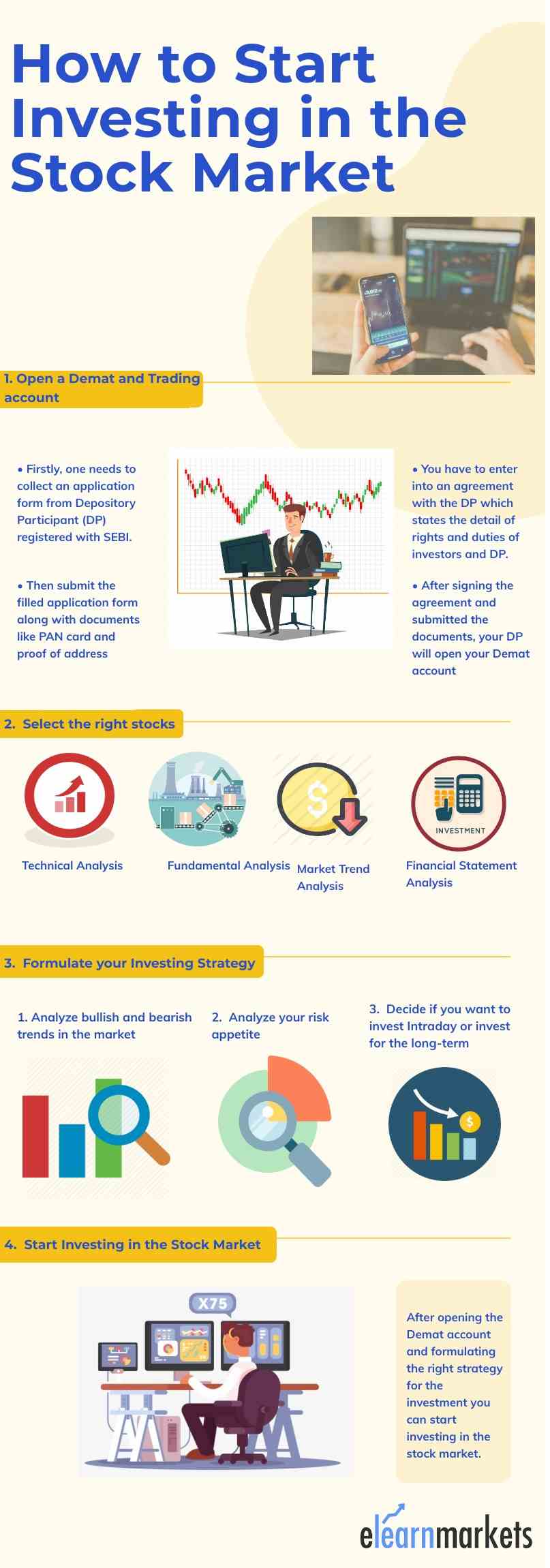
Before placing your first buy order, it is essential to ensure that your personal finances are stable enough to withstand the inherent volatility of the equity markets. Investing is a long-term endeavor, and the worst position an investor can find themselves in is being forced to sell their holdings during a market downturn because they need the cash for an immediate expense.
Assessing Your Debt Profile
The first step in any investment strategy is a cold, hard look at your balance sheet. Not all debt is created equal. High-interest debt, typically defined as anything with an interest rate above 7% or 8%, acts as a “reverse investment.” If you are paying 20% interest on a credit card balance while the stock market historically returns an average of 10% per year, you are mathematically losing ground. Paying off high-interest debt is a guaranteed return on your money, and it should almost always take precedence over buying stocks.
The Importance of the Emergency Fund
Market volatility is a guarantee, not a possibility. An emergency fund—typically three to six months of living expenses held in a liquid, high-yield savings account—serves as your financial shock absorber. This fund ensures that if you face a job loss or a medical emergency, you won’t have to liquidate your stock portfolio at an inopportune time. Having this safety net provides the psychological fortitude required to stay invested when the market inevitably fluctuates.
Defining Your Risk Tolerance
Risk tolerance is a combination of your financial ability to endure a loss and your emotional reaction to market swings. A young professional with a thirty-year time horizon has a high capacity for risk because they have time to recover from market crashes. Conversely, someone five years from retirement has a lower capacity. Understanding your “stomach” for risk is equally important. If seeing your portfolio drop by 20% in a month would lead to panic-selling, you may need a more conservative asset allocation.
Navigating the Landscape of Investment Accounts
Once your financial house is in order, the next step is choosing where to hold your investments. The type of account you choose can have a profound impact on your long-term returns, primarily through the lens of taxation.
Tax-Advantaged Retirement Accounts
For most beginners, the best place to start is within a tax-advantaged account. In the United States, these include 401(k) plans offered by employers and Individual Retirement Accounts (IRAs).
The 401(k) is particularly powerful if your employer offers a “match.” An employer match is essentially a 100% return on your investment before the money even hits the market. Beyond the match, these accounts offer either tax-deferred growth (Traditional) or tax-free withdrawals in retirement (Roth). Choosing between a Traditional and Roth IRA usually depends on whether you believe your tax rate will be higher now or when you retire.
Taxable Brokerage Accounts
If you have already maximized your retirement account contributions or if you are investing for a goal that occurs before retirement (such as buying a home in ten years), a standard taxable brokerage account is the next logical step. These accounts offer the most flexibility, allowing you to withdraw your money at any time without age-based penalties. However, you will be subject to capital gains taxes on any profits you realize and taxes on any dividends received.
Robo-Advisors vs. Traditional Brokerages
The “how” of opening an account has never been easier. Beginners often face a choice between robo-advisors and traditional discount brokerages. Robo-advisors use algorithms to build and rebalance a diversified portfolio for you based on your risk profile, typically for a small annual fee. This is an excellent “set it and forget it” option. Traditional brokerages give you full control over every trade, which is ideal for those who want to be more hands-on but requires more knowledge and discipline to manage effectively.
Identifying Your Investment Vehicle: Funds vs. Individual Equities
Once your account is open, the most critical decision involves what specific assets to buy. For the vast majority of investors, the most efficient path to wealth is not through individual stock picking, but through diversified funds.
The Power of Index Funds and ETFs
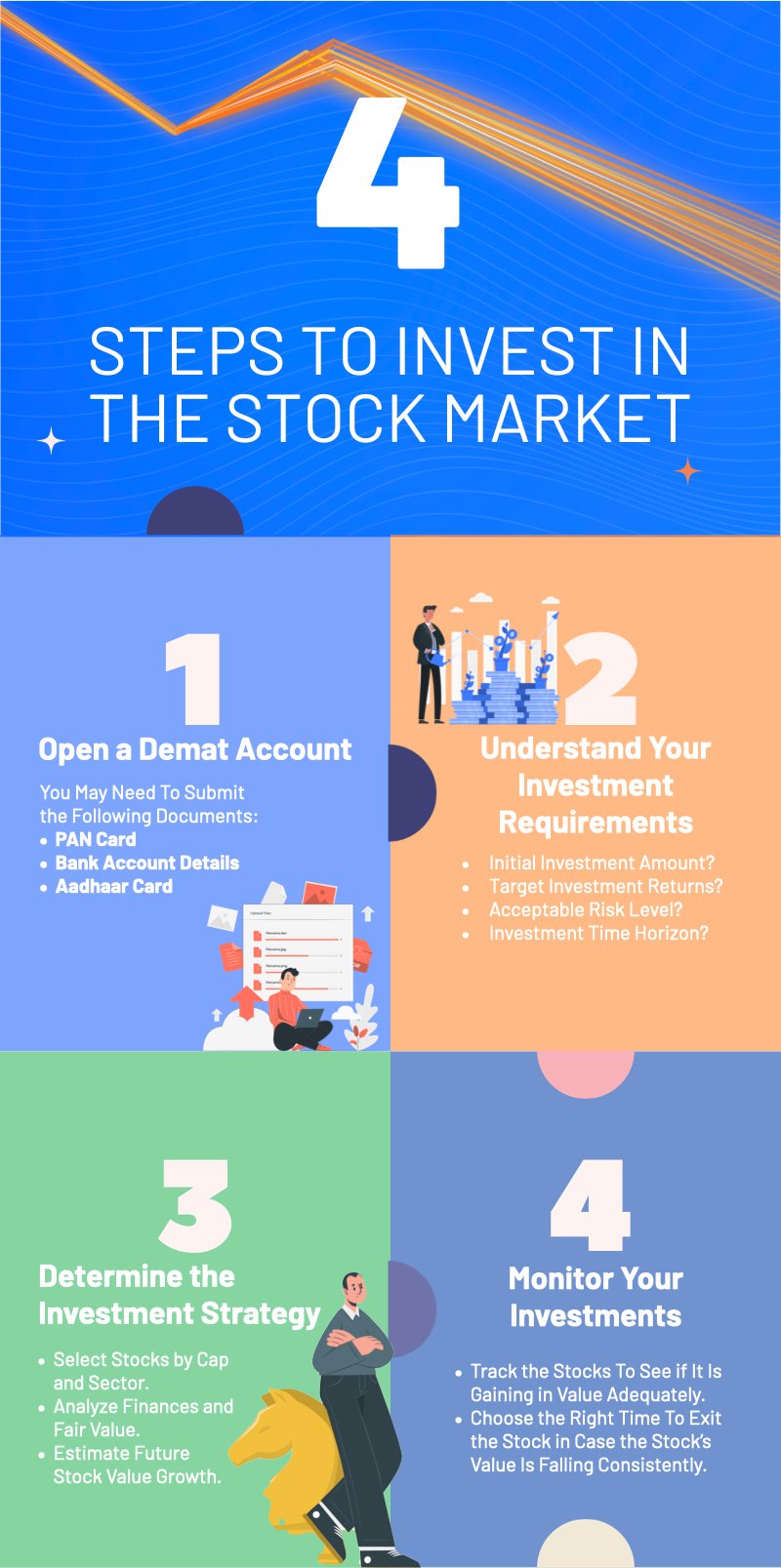
An index fund is a type of mutual fund or Exchange-Traded Fund (ETF) designed to mimic the performance of a specific market benchmark, such as the S&P 500. When you buy a share of an S&P 500 index fund, you are essentially buying a small piece of the 500 largest publicly traded companies in the U.S.
The primary advantages of index funds are low costs and instant diversification. Most actively managed funds (where a professional tries to beat the market) fail to outperform simple index funds over the long term, especially after accounting for their higher fees. By using low-cost ETFs, you ensure that you capture the market’s overall growth without the idiosyncratic risk of a single company failing.
The Allure and Risk of Individual Stocks
Investing in individual stocks like Apple, Amazon, or Tesla can be exciting and potentially lucrative, but it requires significant research and a high tolerance for volatility. To succeed in individual stock picking, you must be able to analyze financial statements, understand competitive advantages (moats), and value a company relative to its earnings. For a beginner, individual stocks should typically represent only a small “speculative” portion of a portfolio, rather than its core foundation.
Diversification: The Only Free Lunch in Finance
Diversification is the practice of spreading your investments across various sectors, industries, and geographies to reduce risk. If you only own tech stocks and the tech sector crashes, your entire portfolio suffers. If you own a total market index fund, your exposure is spread across healthcare, energy, consumer goods, and more. This “free lunch” allows you to achieve similar returns with significantly less volatility over time.
Mastering the Mechanics: Executing Your Strategy
Success in the stock market is less about brilliance and more about discipline. Once you have selected your investments, the focus shifts to how you manage them over the coming years and decades.
The Principle of Dollar-Cost Averaging
Many beginners wait for the “perfect time” to enter the market, fearing they will buy at a peak just before a crash. This fear often leads to “analysis paralysis.” A more effective strategy is Dollar-Cost Averaging (DCA).
DCA involves investing a fixed amount of money at regular intervals (e.g., $500 every month), regardless of the share price. When prices are high, your $500 buys fewer shares; when prices are low, your $500 buys more. Over time, this lowers your average cost per share and removes the emotional stress of trying to “time” the market.
Understanding Market Orders and Limit Orders
When you are ready to buy, you will encounter different order types. A “market order” executes immediately at the current best available price. A “limit order” allows you to set a maximum price you are willing to pay. For highly liquid stocks and ETFs, a market order is usually sufficient for beginners. However, understanding these mechanics ensures you have control over the execution of your trades.
Rebalancing Your Portfolio
Over time, different parts of your portfolio will grow at different rates. If your goal was to have 80% stocks and 20% bonds, a strong year in the stock market might leave you with 90% stocks. Rebalancing is the process of selling a portion of your winners and buying more of your underperformers to return to your target allocation. This forced “buy low, sell high” mechanism is one of the most effective ways to manage risk and maintain a consistent investment profile.
The Psychological Game: Developing a Long-Term Mindset
The greatest threat to an investor’s success is rarely the market itself; it is the investor’s own behavior. The ability to remain calm during periods of market turbulence is what separates successful investors from those who lose money.
Avoiding the Pitfalls of Market Timing
Market timing—the attempt to predict when the market will rise or fall—is a fool’s errand. Data consistently shows that missing just a few of the market’s best days can drastically reduce your long-term returns. Because the best days often occur in close proximity to the worst days, staying invested through the downturns is the only way to ensure you are there for the recovery. Time in the market is far more important than timing the market.
Managing Emotional Volatility
The financial news cycle is designed to generate clicks and views through sensationalism and fear-mongering. “The Great Crash is Coming” makes for a better headline than “The Market Is Historically Volatile but Trends Upward Over Decades.” Successful investors learn to tune out the noise. They view market pullbacks not as disasters, but as opportunities to buy shares at a discount.
By focusing on the “why” behind your investments and maintaining a horizon measured in decades rather than days, you can transform the stock market from a source of anxiety into a powerful engine for financial freedom. The key is to start early, stay consistent, and let the dual forces of time and compounding do the heavy lifting. Beginning your investment journey is a commitment to your future self—one that requires patience, education, and the courage to get started.
aViewFromTheCave is a participant in the Amazon Services LLC Associates Program, an affiliate advertising program designed to provide a means for sites to earn advertising fees by advertising and linking to Amazon.com. Amazon, the Amazon logo, AmazonSupply, and the AmazonSupply logo are trademarks of Amazon.com, Inc. or its affiliates. As an Amazon Associate we earn affiliate commissions from qualifying purchases.