
In the intricate world of personal finance, receiving your credit card is more than just getting a piece of plastic; it’s the culmination of an application process and the gateway to managing your financial transactions. For Credit One Bank cardholders, understanding the journey your card takes from the issuer to your mailbox can demystify the process, highlight the robust security measures in place, and underscore the logistical sophistication required to deliver millions of financial instruments annually. While the precise, real-time location of every printing and shipping facility is proprietary information for any major financial institution, we can delve into the general operational framework and strategic considerations that govern where and how Credit One—and indeed, most major credit card issuers—manage the crucial final step of card delivery.
The act of shipping a credit card involves far more than simply dropping an envelope in the mail. It encompasses a complex interplay of secure printing facilities, sophisticated logistical networks, stringent regulatory compliance, and unwavering attention to customer data protection. From the moment an application is approved to the instant the card is activated, every stage is meticulously managed to ensure both efficiency and security. This article will explore the typical operational model behind credit card issuance, focusing on the strategic locations and security protocols that define Credit One’s approach to getting your card into your hands reliably and safely, ultimately empowering you to manage your personal finances with confidence.
Understanding Credit Card Issuance and Logistics
The journey of a credit card from approval to delivery is a marvel of modern logistics and financial engineering. It begins long before an envelope arrives in your mailbox, rooted in a highly secure and regulated environment designed to protect sensitive financial data and prevent fraud.
The Journey from Application to Cardholder
Once a credit card application is approved, the data pertaining to the new account is transmitted to a specialized card production facility. These facilities are often not directly owned by the bank but are highly secure third-party vendors that specialize in financial card manufacturing and personalization. This process involves printing the cardholder’s name, account number, expiration date, and security code onto a blank card stock. Crucially, each card is also embedded with a microchip (EMV chip) and a magnetic stripe, both encoded with encrypted account information. The choice of external vendors is often driven by the need for specialized equipment, economies of scale, and the stringent security certifications these facilities hold, which might be cost-prohibitive for a bank to maintain in-house for all its operations. The entire process from approval to card issuance is typically streamlined to minimize delays while maximizing security, often taking only a few business days before the card is ready for dispatch.
Key Players in Card Delivery (Beyond Credit One)
While Credit One Bank is the issuer, the physical delivery of your card involves several key players. Foremost among these are the card networks themselves, such as Visa or Mastercard, which dictate many of the security and design standards. The actual physical manufacturing and personalization are often handled by specialized companies like CPI Card Group, G+D, or Valid, which have secure, geographically dispersed facilities. Once the cards are printed and personalized, they are handed over to trusted mail and courier services. For standard delivery, the United States Postal Service (USPS) is a primary partner, leveraging its vast network. For expedited or more secure deliveries, private carriers like FedEx or UPS may be engaged. These carriers have their own secure handling protocols for sensitive mail, adding another layer of protection. The coordination between Credit One, the card manufacturer, and the postal service is seamless, orchestrated through encrypted data exchanges and clearly defined service level agreements to ensure timely and secure delivery.
Credit One’s Operational Hubs and Strategic Locations
While specific, publicly disclosed locations for Credit One’s card shipping operations are not typically detailed for security reasons, we can infer their approach based on industry standards and their corporate presence. The general principle is to balance efficiency, security, and geographic reach.
Primary Issuing Facilities
Credit card issuing banks, including Credit One, generally rely on a network of highly specialized and secure facilities for card production and initial dispatch. These facilities are not necessarily Credit One’s corporate offices but are typically dedicated industrial sites operated by third-party vendors. These vendors are chosen for their expertise in financial card manufacturing, their adherence to stringent industry security standards (like PCI DSS – Payment Card Industry Data Security Standard), and their ability to handle large volumes. These facilities are often strategically located in areas with robust infrastructure, excellent logistics access (proximity to major transportation hubs), and a skilled workforce. Key characteristics of such facilities include armed security, biometric access controls, 24/7 surveillance, and redundant power and data systems. Their location might be centralized to serve a large region or distributed to minimize transit times to various parts of the country.
Regional Distribution Centers (Hypothetical for Efficiency)
For major card issuers handling millions of accounts, a single shipping point for the entire country can introduce logistical bottlenecks and increased transit times. To mitigate this, some issuers or their third-party partners may utilize a network of regional distribution centers. These centers wouldn’t necessarily print cards but would serve as consolidation points for cards produced at primary facilities. From these regional hubs, cards could then be dispatched more quickly to local postal services or courier branches, reducing the “last mile” delivery time. While Credit One doesn’t publicly detail such a network, it’s a common strategy employed by large-scale businesses to optimize logistics and customer experience. These centers would also maintain high levels of security, though perhaps not to the same manufacturing-level scrutiny as primary production facilities.
The Role of Third-Party Logistics
The most probable answer to “where does Credit One ship cards from” lies heavily in the realm of third-party logistics (3PL) providers. These specialized companies handle the entire chain of custody for card production and delivery. They manage everything from blank card stock procurement, personalization, packaging, and sorting, to handing off to postal services or couriers. This outsourcing allows Credit One to focus on its core banking services, credit risk assessment, and customer relationship management, while relying on experts for the complex, capital-intensive, and security-critical process of physical card issuance. These 3PL partners often have multiple secure sites across the country, allowing for geographical redundancy and disaster recovery capabilities. For instance, if one facility experiences an issue, another can take over production to ensure uninterrupted service.
Ensuring Security and Timeliness in Card Delivery
The security of your credit card during transit is paramount. Financial institutions like Credit One invest heavily in protocols and technologies to protect cardholders from fraud and identity theft.
Protecting Personal Financial Information During Transit

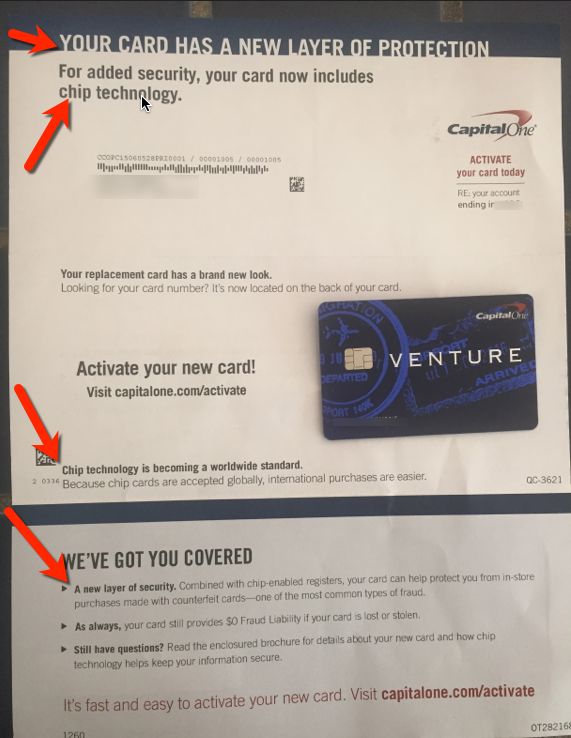
The protection of sensitive information begins at the card production facility itself. Cards are often mailed in plain, non-descript envelopes to avoid attracting undue attention. The card itself typically arrives in an inactive state, meaning it cannot be used until the cardholder activates it, usually via a secure online portal or a phone call. This “inactive until activated” protocol is a critical fraud prevention measure. Furthermore, the accompanying letter often contains only partial account information, directing the cardholder to secure channels for full details. Data transmission between Credit One and its card production/shipping partners is always encrypted and occurs over secure, private networks, minimizing interception risks. The physical security of the production and mailing facilities, including restricted access, surveillance, and employee background checks, adds further layers of protection.
Tracking and Delivery Protocols
For standard mail, direct tracking of a specific credit card is generally not available to the cardholder until it is delivered. However, Credit One and its partners internally track batches of cards. For expedited shipping, which typically incurs an additional fee, tracking numbers are usually provided, allowing cardholders to monitor the delivery status via the courier’s website. If a card is not delivered within the expected timeframe, Credit One has procedures in place to investigate and, if necessary, cancel the lost card and issue a replacement, often with expedited shipping at no extra cost to the customer. These protocols are designed to minimize the window of opportunity for fraud if a card is lost or stolen in transit. The mailing process itself is highly optimized to meet postal service requirements for bulk mail, ensuring efficiency while maintaining security.
What to Do If Your Card Is Delayed or Compromised
If your Credit One card does not arrive within the expected delivery window (typically 7-10 business days for standard mail), it’s crucial to contact Credit One customer service immediately. They can verify the shipping address, check internal tracking information, and initiate a replacement if the card is confirmed lost in transit. Do not wait too long, as this could expose you to potential fraud. If you suspect your card has been compromised—for example, if you receive a card you didn’t apply for, or if you receive an empty envelope—report it to Credit One immediately. They will deactivate the potentially compromised card, investigate the issue, and typically issue a new card with a different account number to safeguard your finances. Vigilance on the cardholder’s part is a critical component of the overall security framework.
Implications for Cardholders: What You Need to Know
For the end-user, the cardholder, understanding the delivery process translates into practical steps to ensure a smooth and secure experience with your new financial tool.
Expected Delivery Timelines
While Credit One strives for efficiency, standard credit card delivery usually takes between 7 and 10 business days from the date of approval. This timeframe accounts for card production, personalization, packaging, and transit through the postal service. Factors such as national holidays, severe weather, or disruptions in postal services can extend these timelines. It’s wise to plan accordingly, especially if you need the card by a specific date. Credit One typically communicates an estimated delivery window via email or in your online account portal. If you require your card sooner, inquire about expedited shipping options, which usually come with an additional fee but guarantee faster delivery, often within 1-3 business days.
Verifying Your Shipping Address
One of the most common reasons for delivery issues is an incorrect or outdated shipping address. When applying for a Credit One card, double-check that the mailing address provided is accurate and complete, including apartment or unit numbers if applicable. If you move shortly after applying or during the delivery window, immediately update your address with Credit One. Banks cannot forward credit cards through the postal service due to security reasons, so a change of address with the USPS will not reroute your card. Always ensure Credit One has your current and correct residential address to prevent delays or, worse, your card falling into the wrong hands.
Receiving and Activating Your New Card
Once your Credit One card arrives, the activation process is a crucial final step to ensure security. Most cards come with clear instructions to activate online via your Credit One account or by calling a dedicated activation phone number. During activation, you will typically need to provide personal identifying information to verify your identity. Never activate a card you didn’t apply for or that looks suspicious. Once activated, sign the back of your card immediately. Before discarding the packaging, check for any included terms and conditions or important notices. Remember, your card is a powerful financial tool, and understanding its delivery and activation process is key to using it responsibly and securely.
Beyond the Physical Card: The Digital Future of Credit
While physical card delivery remains a cornerstone of the credit card experience, the financial landscape is rapidly evolving, ushering in new methods of accessing and using credit.
Instant Issuance and Digital Wallets
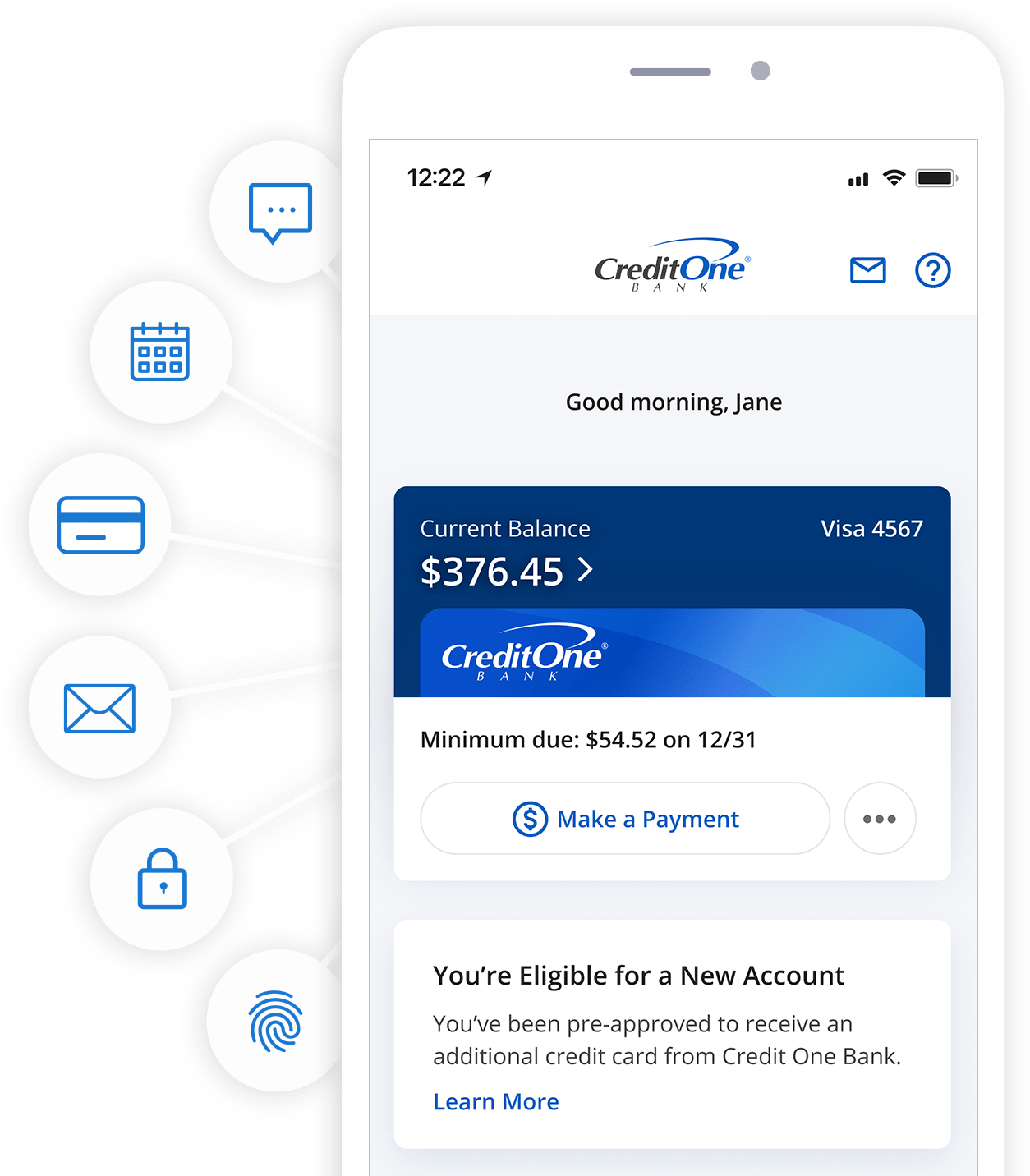
The concept of “shipping a card” is being challenged by digital innovation. Many financial institutions, including those in the same market segment as Credit One, now offer instant digital issuance. Upon approval, cardholders can immediately access their card details (account number, expiration date, CVV) through a secure mobile app or online portal. These details can then be added to digital wallets like Apple Pay, Google Pay, or Samsung Pay, allowing for immediate use even before the physical card arrives in the mail. This significantly reduces the waiting period and provides instant access to credit, aligning with the fast-paced expectations of modern consumers. While the physical card still serves as a tangible backup and is required for certain transactions, its prominence as the sole means of access is diminishing.
The Evolving Landscape of Financial Product Delivery
The trend towards digital delivery reflects a broader shift in how financial products are accessed and managed. The “where” cards are shipped from is becoming less about a physical location and more about the secure digital pipelines through which credit information flows. Cybersecurity, data encryption, and robust digital authentication are now as critical, if not more so, than physical security in logistics. As financial technology (FinTech) continues to advance, we can anticipate even more seamless, secure, and instant ways for consumers to access and utilize their credit lines, reducing reliance on physical cards and the logistical challenges associated with their distribution. This evolution promises greater convenience for cardholders while simultaneously presenting new frontiers for financial institutions to secure and innovate their product delivery mechanisms.
In conclusion, while the precise physical locations where Credit One ships cards from remain guarded for security and competitive reasons, the underlying system is a sophisticated network of secure production facilities, expert third-party logistics providers, and trusted postal services. This intricate system is designed to prioritize the security of your personal financial information and ensure the timely delivery of your credit card, allowing you to confidently engage with your financial life. As technology advances, the “where” will increasingly refer to secure digital spaces, but the fundamental commitment to protecting your financial access will undoubtedly remain paramount.
aViewFromTheCave is a participant in the Amazon Services LLC Associates Program, an affiliate advertising program designed to provide a means for sites to earn advertising fees by advertising and linking to Amazon.com. Amazon, the Amazon logo, AmazonSupply, and the AmazonSupply logo are trademarks of Amazon.com, Inc. or its affiliates. As an Amazon Associate we earn affiliate commissions from qualifying purchases.