
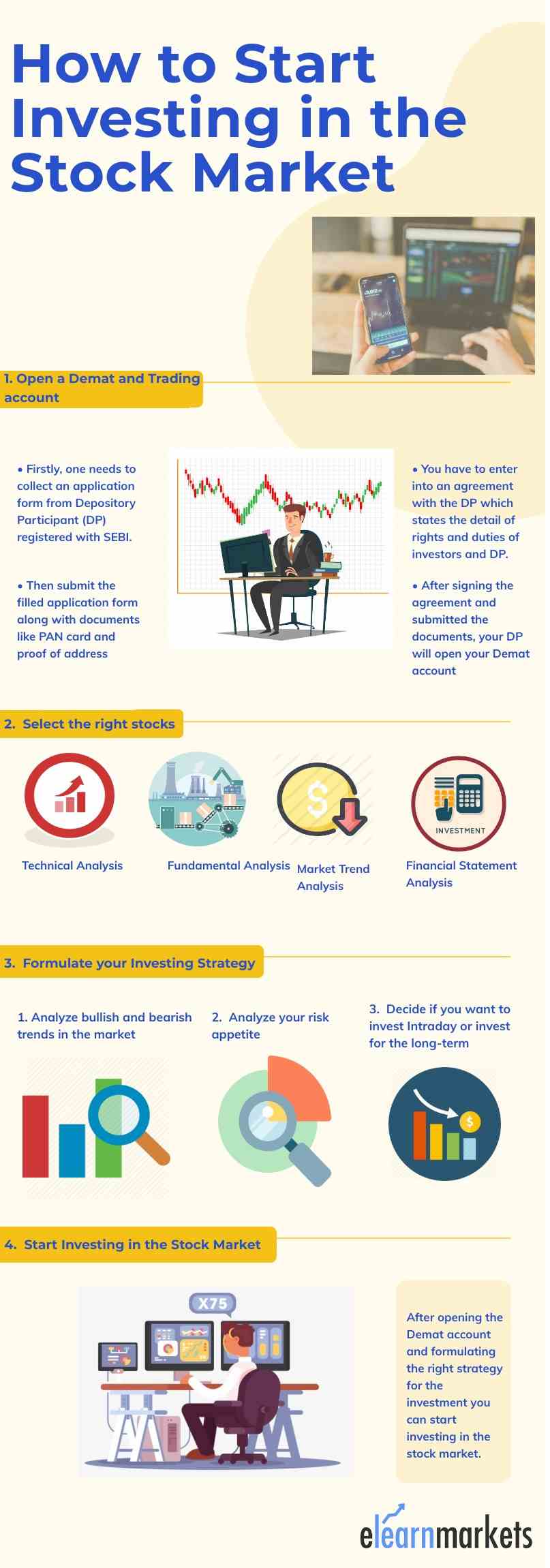
The stock market is often perceived as a chaotic environment reserved for high-stakes traders and financial elites. However, the reality is far more accessible. For the average individual, the stock market represents the most effective vehicle for building long-term wealth and outpacing inflation. Investing is not about “beating the system” or getting rich overnight; it is about participating in the growth of the global economy by owning pieces of productive businesses. To transition from a saver to an investor, one must understand the mechanics of the market, the psychological discipline required, and the strategic frameworks that minimize risk while maximizing potential returns.

Establishing a Solid Financial Foundation
Before deploying capital into the market, it is imperative to ensure your personal finances are stable enough to withstand the inherent volatility of equities. Investing should never be done with money required for immediate survival or near-term obligations.
Assessing Debt and Emergency Reserves
High-interest debt, such as credit card balances, is the primary antagonist of investment returns. If you are paying 20% interest on a loan while the stock market historically returns an average of 10% annually, you are effectively losing money by investing instead of paying down the debt. Prioritize clearing high-interest liabilities before committing to a brokerage account. Additionally, an emergency fund—typically three to six months of living expenses held in a high-yield savings account—acts as a buffer. This ensures that if the market takes a temporary downturn, you are not forced to sell your investments at a loss to cover an unexpected car repair or medical bill.
Defining Your Risk Tolerance
Risk tolerance is a combination of your financial ability to endure losses and your psychological temperament. A 25-year-old with forty years until retirement has a high capacity for risk because they have time to recover from market crashes. Conversely, someone five years from retirement must prioritize capital preservation. Understanding your “stomach” for volatility is equally important. If seeing your portfolio drop by 20% in a month would cause you to panic-sell, a more conservative allocation involving bonds or stable dividend-paying stocks might be appropriate.
Understanding Investment Vehicles and Strategies
The “stock market” is an umbrella term for various exchanges where shares of public companies are traded. How you choose to interact with these exchanges depends on your goals and the amount of time you wish to dedicate to research.
Individual Stocks vs. Diversified Funds
Investing in individual stocks involves buying shares of specific companies like Apple, Amazon, or Tesla. This approach offers the highest potential for outsized gains but carries significant risk; if the company fails, your investment could go to zero. For most beginners, the most prudent path is through diversified funds.
Exchange-Traded Funds (ETFs) and Mutual Funds allow you to buy a “basket” of hundreds or thousands of stocks in a single transaction. An S&P 500 index fund, for example, gives you ownership in the 500 largest publicly traded companies in the United States. This diversification protects you because the failure of one company is offset by the success of others.
Active vs. Passive Investing
Active investing requires constant monitoring, financial statement analysis, and attempts to time the market to “buy low and sell high.” Passive investing, often championed by legendary investors like Warren Buffett, involves buying a broad market index and holding it for decades regardless of short-term fluctuations. Historical data consistently shows that passive investors tend to outperform active traders over long periods due to lower fees and the avoidance of emotional decision-making.
The Power of Compound Interest
The most potent tool in an investor’s arsenal is time. Compound interest is the process where your investment earnings are reinvested to generate their own earnings. Over decades, this creates an exponential growth curve. Starting early, even with small amounts, is often more beneficial than starting later with larger sums. This mathematical reality emphasizes the importance of consistency over the “perfect” entry point.
Navigating the Practical Steps of Investing
Once the strategy is clear, the next phase involves the logistical execution of your investment plan. The barrier to entry has never been lower, thanks to the democratization of financial tools.
Selecting a Brokerage Platform
A brokerage is the intermediary that executes your trades. When choosing a platform, beginners should look for three things: low fees, a user-friendly interface, and educational resources. Many modern brokerages have eliminated commissions on stock and ETF trades. Notable options include established firms like Fidelity and Vanguard, which offer robust research tools, or fintech-driven apps like Robinhood and Betterment, which prioritize ease of use. Ensure the brokerage is a member of the SIPC (Securities Investor Protection Corporation), which protects your assets in the event the firm goes bankrupt.
Account Types: Taxable vs. Tax-Advantaged
Where you hold your stocks is as important as what stocks you hold.
-
Tax-Advantaged Accounts: In the US, accounts like the 401(k) or Individual Retirement Accounts (IRAs) offer significant tax benefits. Contributions might be tax-deductible, or the growth might be tax-free (in the case of a Roth IRA). These should generally be the first stop for long-term investors.
-
Taxable Brokerage Accounts: These offer the most flexibility. You can withdraw your money at any time without penalty, but you will owe capital gains taxes on any profits you realize.
Executing Your First Trade
When you are ready to buy, you will encounter two primary order types: Market Orders and Limit Orders. A market order executes the trade immediately at the current price. A limit order allows you to set a maximum price you are willing to pay; the trade only executes if the stock hits that price. For beginners buying broad ETFs, a market order is usually sufficient. Many platforms now also offer “fractional shares,” allowing you to invest as little as $1 or $5 into expensive stocks that might otherwise cost hundreds or thousands per share.
Advanced Concepts for Long-Term Success
To transition from a novice to a sophisticated investor, one must move beyond the “how-to” and master the “why.” Successful investing is a marathon of discipline and periodic adjustment.
Dollar-Cost Averaging (DCA)
Market timing is a losing game for most. Instead of trying to guess when the market has hit its “bottom,” many successful investors utilize Dollar-Cost Averaging. This involves investing a fixed amount of money at regular intervals (e.g., $200 every month), regardless of whether the market is up or down. When prices are high, your $200 buys fewer shares; when prices are low, your $200 buys more. Over time, this lowers your average cost per share and removes the stress of trying to time the “perfect” moment to enter.
Portfolio Rebalancing and Asset Allocation
Your asset allocation—the mix of stocks, bonds, and cash—will change as your investments grow at different rates. If your goal is a 80/20 split between stocks and bonds, a great year in the stock market might leave you with a 90/10 split. Rebalancing is the process of selling some of your “winners” and buying more of your “underperformers” to return to your target allocation. This forced discipline encourages you to sell high and buy low.
The Psychology of Market Cycles
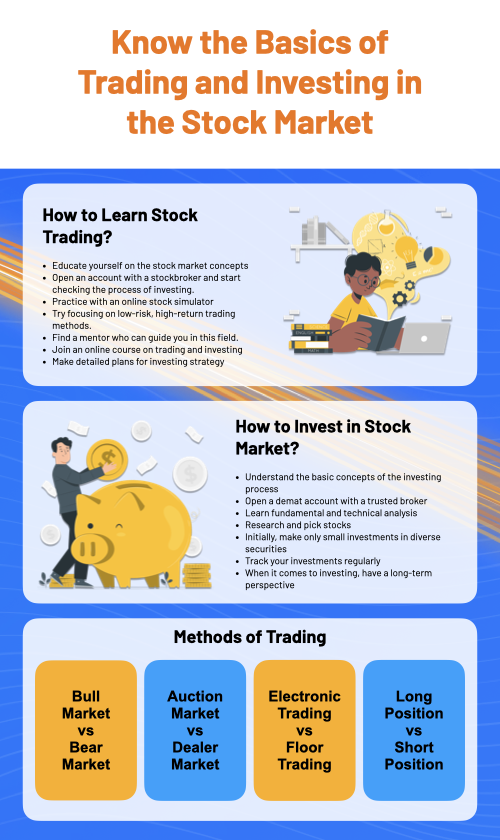
The stock market is driven by two primary emotions: fear and greed. During a “Bull Market,” when prices are rising, greed often drives investors to take on too much risk. During a “Bear Market,” when prices fall, fear leads many to sell their investments at the worst possible time. Understanding that market corrections (drops of 10% or more) are a normal and healthy part of the economic cycle is vital. The most successful investors are those who can remain clinical and detached, viewing market downturns as “sales” where they can acquire more shares at a discount.
Staying Informed without Over-Analyzing
While it is important to understand the broader economic landscape, beginners often fall into the trap of “analysis paralysis” or reacting to every headline on financial news networks. Most daily market news is “noise”—short-term fluctuations that have no bearing on the long-term value of a company or index. Focus on high-level trends and the fundamental health of your holdings rather than daily price movements. True wealth in the stock market is built through decades of patience, not days of frantic trading. By automating your investments, diversifying your holdings, and maintaining a long-term perspective, you can turn the stock market from a source of anxiety into a powerful engine for financial independence.
aViewFromTheCave is a participant in the Amazon Services LLC Associates Program, an affiliate advertising program designed to provide a means for sites to earn advertising fees by advertising and linking to Amazon.com. Amazon, the Amazon logo, AmazonSupply, and the AmazonSupply logo are trademarks of Amazon.com, Inc. or its affiliates. As an Amazon Associate we earn affiliate commissions from qualifying purchases.