
Establishing business credit is one of the most critical milestones in the lifecycle of any enterprise. Unlike personal credit, which tracks your individual borrowing habits, business credit is a measure of your company’s ability to handle debt and fulfill financial obligations. A strong business credit profile acts as a financial passport, unlocking lower interest rates, higher credit limits, and better terms with suppliers. For many entrepreneurs, it is the bridge between a struggling startup and a scalable, sustainable corporation.
The process of building business credit is distinct from managing personal finances. While your personal FICO score may initially play a role in securing early funding, the ultimate goal is to create a standalone credit identity for your business. This separation not only protects your personal assets but also ensures that your business can survive and thrive independently of your individual financial standing.

The Foundational Infrastructure of Business Credit
Before a business can begin reporting credit history, it must exist as a recognized legal and financial entity. Lenders and credit bureaus look for specific markers that indicate a business is legitimate and professional. Skipping these foundational steps often leads to credit applications being denied, not because of poor credit history, but because the business fails to meet basic verification standards.
Forming a Legal Business Entity
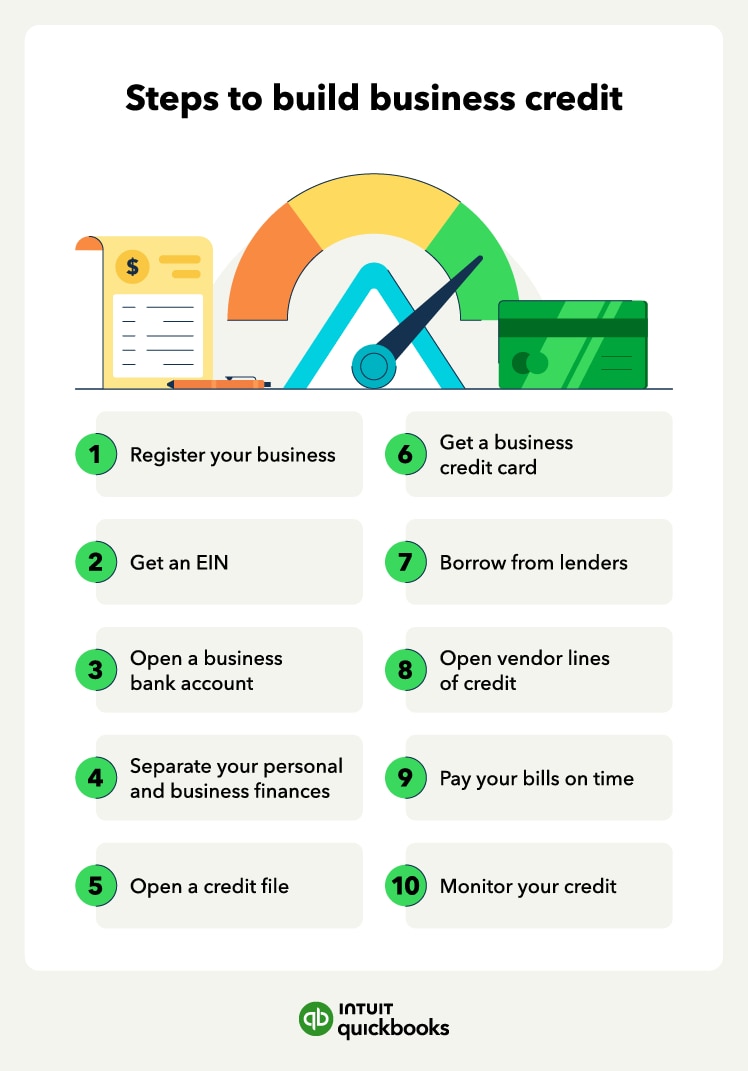
To build business credit, the company must be a separate legal entity from the owner. This typically means registering as a Limited Liability Company (LLC), an S-Corporation, or a C-Corporation. Sole proprietorships and general partnerships rarely have the ability to build a truly separate credit profile because, in the eyes of the law and most financial institutions, the owner and the business are one and the same. By incorporating, you create a legal “person” capable of entering into contracts and carrying debt in its own name.
Obtaining an Employer Identification Number (EIN)
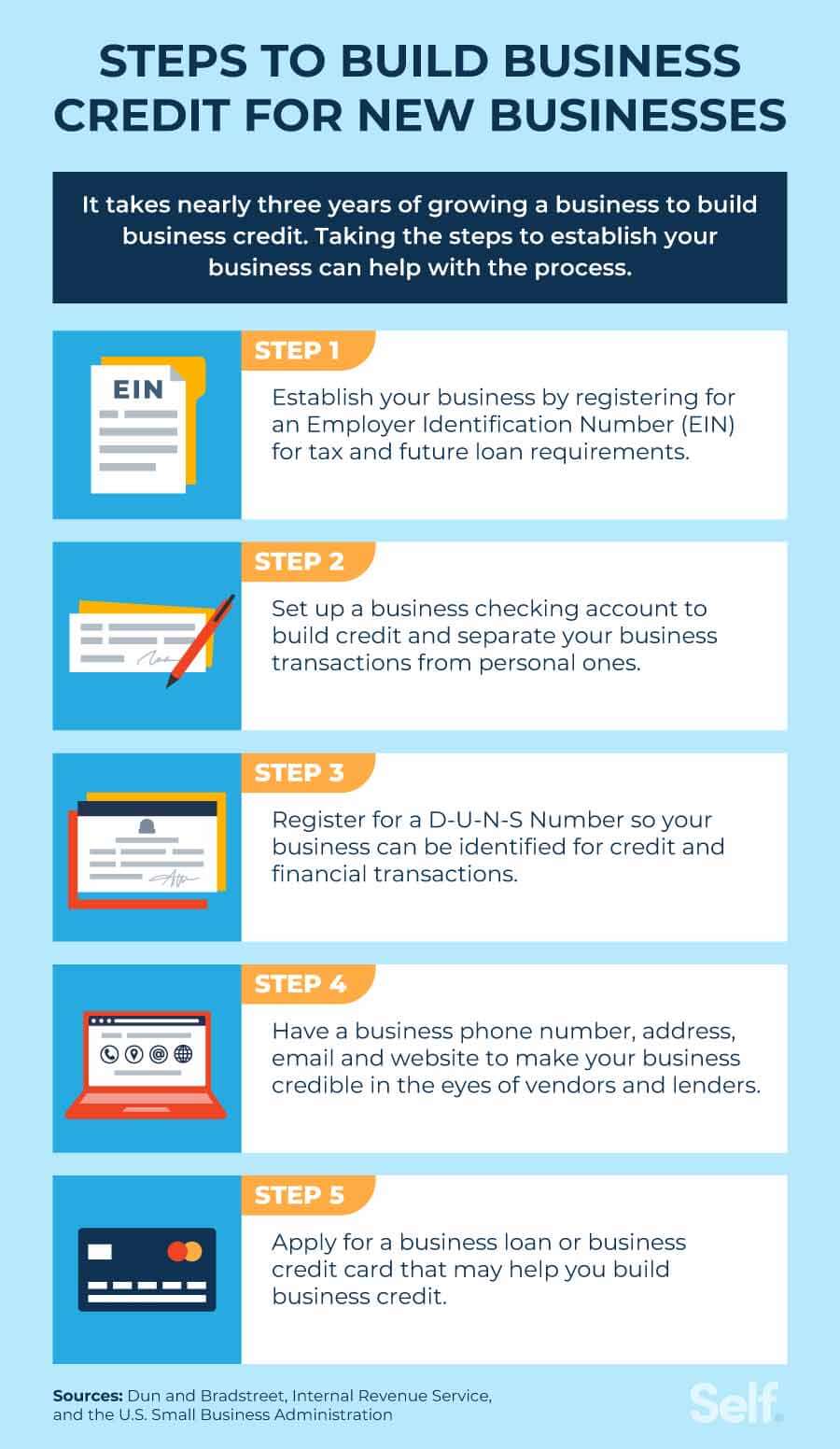
The Employer Identification Number (EIN) is essentially a Social Security number for your business. Issued by the IRS, this nine-digit number is required for tax reporting and is the primary identifier used by business credit bureaus. While some sole proprietors use their personal SSN for business matters, establishing credit requires using an EIN to ensure that financial data is attributed to the business entity rather than the individual.
Establishing a Professional Presence
Credibility is a major factor in the automated underwriting processes used by modern lenders. A business should have a dedicated business phone number listed in the 411 directory, a professional website, and a physical business address (avoiding P.O. boxes when possible). These details are often cross-referenced by credit agencies to verify that a business is active and reachable.
Navigating the Business Credit Reporting Landscape
Business credit reporting is significantly different from the consumer credit world. While the Fair Credit Reporting Act (FCRA) provides numerous protections for consumers, business credit is less regulated and follows different scoring models. Understanding who the key players are and how they collect data is essential for any business owner looking to optimize their score.
The Major Business Credit Bureaus
There are three primary bureaus that track business credit: Dun & Bradstreet, Experian Commercial, and Equifax Business.
-
Dun & Bradstreet (D&B): Perhaps the most influential in the business world, D&B uses the Data Universal Numbering System (D-U-N-S). To start building credit with D&B, you must apply for a D-U-N-S number, which is a free identifier used by lenders and government contractors globally.
-
Experian Commercial: This bureau pulls data from legal filings, collections, and trade accounts. Their scores range from 0 to 100, where a higher score indicates lower risk.
-
Equifax Business: Equifax collects both financial and non-financial data, including information from the Small Business Financial Exchange (SBFE).
The PAYDEX Score and Other Metrics
While personal credit uses the FICO model (300–850), the most common business credit score is the Dun & Bradstreet PAYDEX score, which ranges from 1 to 100. A score of 80 or higher is considered excellent. Interestingly, the PAYDEX score is almost entirely weighted on payment history. To achieve a perfect 100, a business must consistently pay its bills before the due date. Paying exactly on time usually results in an 80, while paying late causes the score to plummet rapidly.
Strategic Steps to Build and Expand Your Credit Profile
Once the legal foundation is set, the business must actively engage in credit-building activities. You cannot build credit if you only use cash; you must demonstrate a history of borrowing and repaying.
Leveraging Vendor Credit (Net-30 Accounts)
One of the easiest ways to start building business credit is through “trade credit” or vendor accounts. Many suppliers—such as those selling office supplies, shipping materials, or cleaning products—will allow you to buy goods now and pay the invoice in 30 days (Net-30).
The key is to find “starter vendors” that report these payments to the major credit bureaus. Not all vendors report, so it is vital to confirm this before opening an account. By opening 3 to 5 of these accounts and paying them early, you can quickly establish a positive reporting history without needing a high-interest loan.
Utilizing Business Credit Cards
Business credit cards are a powerful tool for building credit while managing daily cash flow. Unlike personal cards, many business cards do not report to your personal credit profile unless you default, meaning high utilization on the business card won’t hurt your personal score.
When choosing a card, look for issuers that report to the commercial bureaus. Using these cards for recurring expenses—like software subscriptions, utility bills, or fuel—and paying them off in full every month demonstrates responsible credit management. Furthermore, many of these cards offer rewards programs that can be reinvested into the business.
Establishing a Business Bank Rating
Lenders often look at your “bank rating,” which is an internal score based on your average daily balance over the last 90 days. To maintain a high rating, a business should keep a healthy cushion of cash in its business checking and savings accounts. This shows the lender that you have the liquidity to handle debt payments even if revenue fluctuates.
Advanced Credit Management and Maintenance
Building credit is not a “set it and forget it” task. As a business grows, its credit needs become more complex, requiring a proactive approach to monitoring and maintenance.
Monitoring Your Credit Reports
Because business credit reports can contain errors—such as payments being attributed to the wrong business or outdated legal filings—it is essential to monitor them regularly. Unlike personal credit reports, which you can access for free annually, business credit reports usually require a paid subscription. Investing in a monitoring service allows you to see exactly what lenders see and catch any fraudulent activity or inaccuracies before they impact a loan application.
Managing Debt-to-Income and Utilization
While the PAYDEX score focuses on payment timing, other models like Experian’s Intelliscore also look at credit utilization. If your business has a $50,000 credit line and you are constantly using $45,000 of it, you may be flagged as a high-risk borrower. Aim to keep your utilization below 30% of your total available credit. If your business needs to spend more, request credit limit increases rather than maxing out existing lines.
Dealing with Personal Guarantees
In the early stages, most lenders will require a personal guarantee, meaning you are personally liable if the business fails to pay. As your business credit profile matures and your revenue increases, you can begin to apply for “non-recourse” financing. This is the ultimate goal: credit that is tied solely to the business’s EIN, protecting the owner’s personal wealth entirely.
The Long-Term Value of Strong Business Credit
The effort required to establish business credit pays dividends in the form of financial flexibility and long-term stability. It transforms the way a business operates, shifting it from a reactive stance to a proactive one.
Improved Terms and Negotiating Power
With a high credit score, you gain significant leverage when negotiating with suppliers. You can move from Net-30 to Net-60 or Net-90 terms, effectively gaining interest-free loans for your inventory. Additionally, insurance companies often use business credit scores to determine premiums for liability and property insurance; a better score leads to lower operating costs.
Access to Large-Scale Capital
When the time comes to purchase real estate, acquire a competitor, or invest in expensive machinery, a strong credit profile is non-negotiable. Traditional bank loans and SBA (Small Business Administration) loans offer the lowest interest rates in the market, but they have the most stringent credit requirements. By building your credit profile today, you ensure that when a major opportunity arises, you have the capital ready to seize it.
Separation of Risk
Finally, business credit provides a layer of protection. If the business faces a downturn, a separate credit profile prevents the company’s struggles from ruining the owner’s personal financial life. It allows for a cleaner exit strategy, whether through a sale or succession, as a business with its own established credit is far more attractive to buyers than one dependent on the owner’s personal signature.
In the modern economy, credit is a tool for growth. By treating your business credit as a strategic asset, you build a foundation that supports innovation, expansion, and long-term financial health. Establishing credit is not just about borrowing money; it is about building a reputation of reliability in the financial marketplace.
aViewFromTheCave is a participant in the Amazon Services LLC Associates Program, an affiliate advertising program designed to provide a means for sites to earn advertising fees by advertising and linking to Amazon.com. Amazon, the Amazon logo, AmazonSupply, and the AmazonSupply logo are trademarks of Amazon.com, Inc. or its affiliates. As an Amazon Associate we earn affiliate commissions from qualifying purchases.