
Determining the “current” interest rate for a mortgage is a task that requires looking beyond a single percentage point. In the current financial climate, mortgage rates are dynamic, fluctuating daily based on a complex interplay of macroeconomic data, central bank policies, and individual borrower profiles. For anyone looking to purchase a home or refinance an existing loan, understanding where rates stand—and why they are there—is the cornerstone of sound personal financial planning.
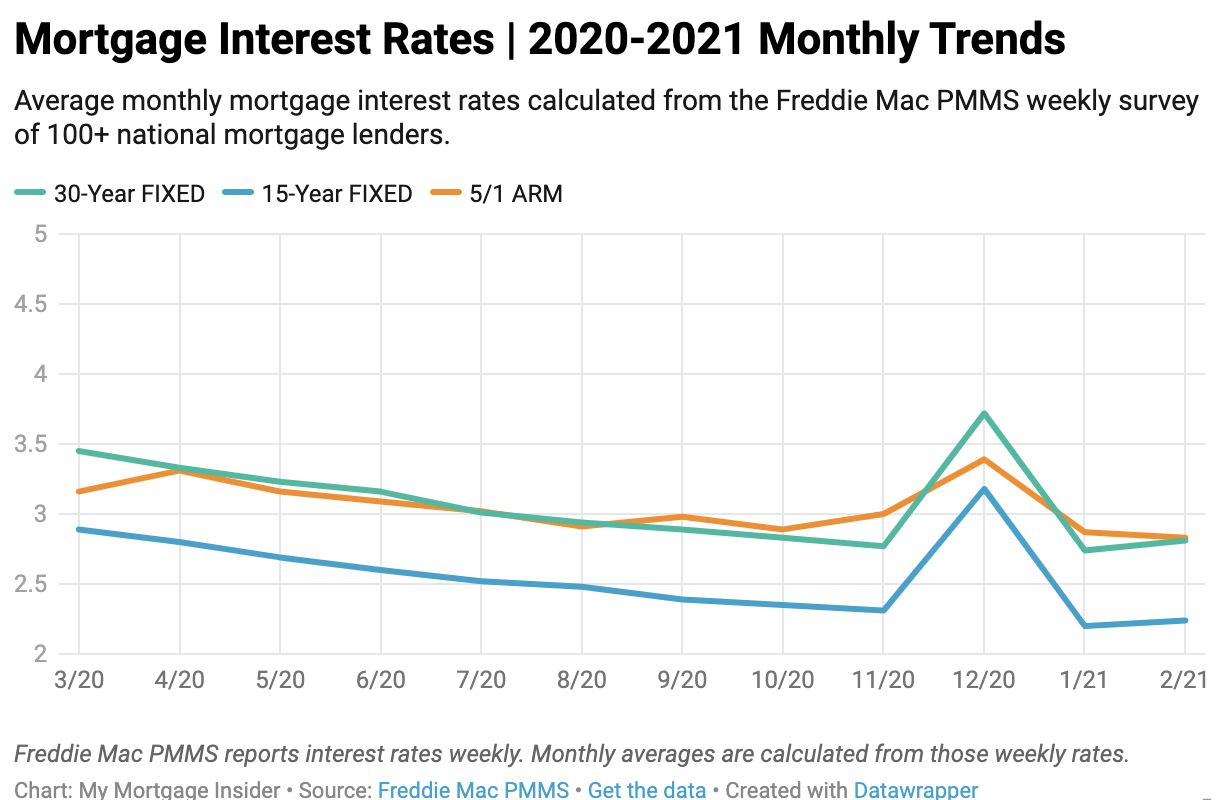
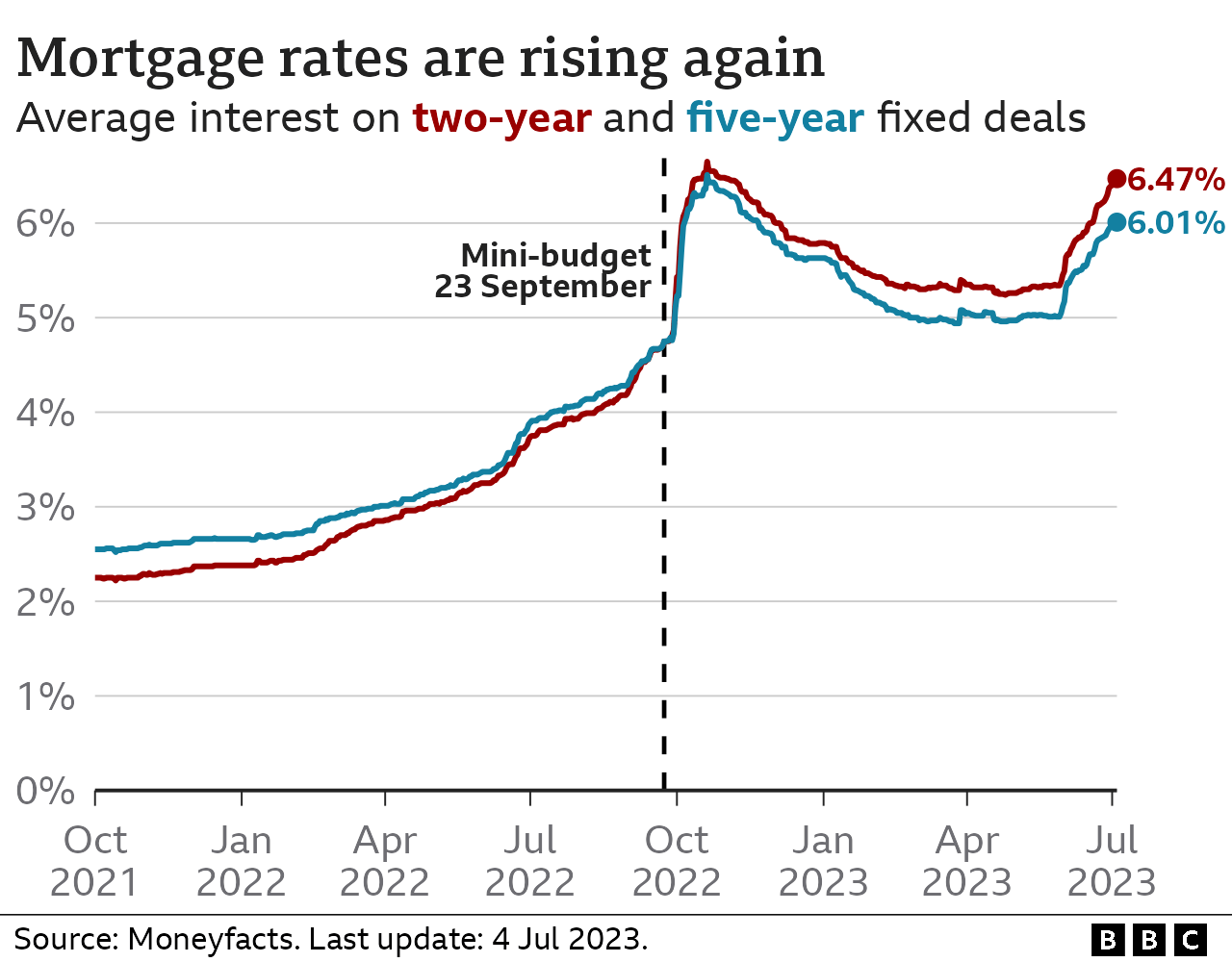
As of the current market cycle, mortgage rates have transitioned from the historic lows seen during the early 2020s to a “higher for longer” environment. This shift has fundamentally changed the affordability index for millions of potential homeowners. To navigate this landscape, one must understand the mechanisms of the bond market, the intentions of the Federal Reserve, and the specific variables that lenders use to price risk.
The Macroeconomic Forces Shaping Today’s Mortgage Rates
Mortgage rates do not exist in a vacuum. They are deeply tethered to the broader economy and the global financial markets. While many consumers believe the Federal Reserve sets mortgage rates directly, the reality is more nuanced.
The Federal Reserve’s Role and Interest Rate Hikes
The Federal Reserve influences mortgage rates primarily through the Federal Funds Rate—the interest rate at which commercial banks borrow and lend to each other overnight. When the Fed raises this rate to combat inflation, it increases the cost of borrowing across the entire economy. While this does not move mortgage rates in a one-to-one ratio, it sets the floor for consumer lending.
When inflation remains “sticky” or higher than the Fed’s 2% target, the central bank maintains a restrictive monetary policy. This keeps upward pressure on mortgage rates. Conversely, when the economy shows signs of slowing or inflation cools, the market begins to price in future rate cuts, often leading to a preemptive dip in mortgage yields.
The Correlation Between the 10-Year Treasury Yield and Mortgages
In the financial world, the 30-year fixed-rate mortgage is most closely correlated with the 10-year Treasury note yield. Investors view both as long-term fixed-income assets. Typically, there is a “spread” of about 170 to 300 basis points (1.7% to 3%) between the 10-year Treasury yield and the average 30-year mortgage rate.
This spread accounts for the risks associated with mortgages that Treasuries do not have, such as prepayment risk (when homeowners refinance) and default risk. In times of economic uncertainty or high market volatility, this spread often widens, meaning mortgage rates may stay high even if Treasury yields begin to soften.
Inflation and Economic Growth Indicators
Lenders monitor the Consumer Price Index (CPI) and Personal Consumption Expenditures (PCE) closely. Inflation is the enemy of fixed-income investments because it erodes the purchasing power of the future interest payments a lender receives. If inflation is high, lenders must demand higher interest rates to compensate for that loss of value. Similarly, strong jobs reports and robust GDP growth can actually keep interest rates high, as they signal to the Fed that the economy can handle more restrictive conditions without falling into a recession.
Personal Financial Factors: How Lenders Determine Your Specific Quote
While the “national average” provides a benchmark, the rate you are actually offered depends on your unique financial DNA. Lenders use a process called risk-based pricing to determine the likelihood that a borrower will repay their debt.
The Power of the Credit Score
Your FICO score is perhaps the single most influential factor in your personal mortgage rate. Lenders generally categorize borrowers into tiers. Those with “Excellent” credit (760 or higher) are offered the lowest possible rates, as they represent the lowest risk. As scores drop into the “Good” (700-759), “Fair” (620-699), or “Poor” (below 620) categories, the interest rate increases significantly. Over the life of a 30-year loan, a difference of just 1% in your interest rate—caused by a lower credit score—can result in tens of thousands of dollars in extra interest payments.
Debt-to-Income (DTI) Ratio and Loan-to-Value (LTV)
Lenders look at your Debt-to-Income ratio to ensure you aren’t overleveraged. A DTI below 36% is ideal, though some programs allow for higher ratios. Simultaneously, the Loan-to-Value (LTV) ratio measures the amount of the loan against the appraised value of the home. A higher down payment results in a lower LTV, which reduces the lender’s risk. If you put down 20% or more, you not only avoid Private Mortgage Insurance (PMI) but often qualify for a slightly more competitive interest rate.
Employment History and Income Stability
To secure the best rates, you must prove a consistent ability to generate income. Lenders typically look for a two-year history of stable employment in the same field. For self-employed individuals or those with “gig economy” income, the scrutiny is even higher, often requiring more extensive documentation of tax returns to prove that the income is sustainable over the long term.

Comparing Mortgage Loan Types: Which One Suits Your Budget?
The “current rate” also depends heavily on the type of loan product you choose. Different structures cater to different financial goals and risk tolerances.
The Conventional 30-Year Fixed-Rate Mortgage
This remains the gold standard for American homeowners. It offers stability; your principal and interest payment will never change over the 360-month life of the loan. While the interest rates on 30-year loans are typically higher than shorter-term options, the lower monthly payment makes homeownership accessible to a broader range of people.
The 15-Year Fixed-Rate Mortgage: A Wealth-Building Tool
For those who can afford a higher monthly payment, the 15-year fixed-rate mortgage is a powerful financial instrument. These loans almost always carry a lower interest rate than their 30-year counterparts—often by 0.50% to 1.00%. Because the term is shorter and the rate is lower, the total interest paid over the life of the loan is drastically reduced, allowing the homeowner to build equity at an accelerated pace.
Adjustable-Rate Mortgages (ARMs) in a High-Rate Environment
When interest rates are high, ARMs often become more popular. An ARM typically offers a lower “teaser” rate for an initial period (usually 5, 7, or 10 years). After that period, the rate adjusts annually based on market indices. For a buyer who plans to sell the home or refinance before the initial period ends, an ARM can be a strategic way to lower monthly costs in the short term. However, it carries the risk of significantly higher payments if market rates rise by the time the adjustment period begins.
Specialized Government Loans: FHA, VA, and USDA
The government offers several programs to encourage homeownership among specific groups.
-
FHA Loans: Insured by the Federal Housing Administration, these allow for lower credit scores and down payments as low as 3.5%. The rates are often competitive, but they require mortgage insurance premiums (MIP).
-
VA Loans: Available to veterans and active-duty service members, these often feature the lowest rates on the market and require $0 down payment.
-
USDA Loans: Designed for rural homebuyers, these also offer $0 down options and competitive rates for those meeting certain income requirements.
Strategic Maneuvers to Lower Your Interest Rate
In a market where rates are higher than they were a few years ago, savvy borrowers must employ specific strategies to minimize their borrowing costs.
Mortgage Points and Buydowns
A “point” is equal to 1% of the loan amount. By paying points upfront (often called “discount points”), you can effectively “buy down” your interest rate. This is a form of prepaid interest. To determine if this is a good move, you must calculate the “break-even point”—how many months of lower payments it will take to recoup the upfront cost of the points. If you plan to stay in the home for a long time, buying down the rate is often a wise investment.
The Importance of Shopping Multiple Lenders
Interest rates are not uniform across all institutions. Large national banks, local credit unions, and online mortgage lenders all have different overhead costs and “appetites” for risk. Research consistently shows that borrowers who get at least three quotes save thousands of dollars over the life of their loan. Each lender may also offer different “lender credits” or closing cost structures that impact the overall “Annual Percentage Rate” (APR).
Rate Locks and Market Timing
Mortgage rates can change multiple times in a single day. Once you find a rate that fits your budget, you should consider a “rate lock.” This agreement guarantees your interest rate for a specific period (usually 30 to 60 days) while your loan is being processed. Some lenders also offer “float-down” options, which allow you to lock in a rate but still take advantage of it if market rates drop significantly before you close.
The Broader Impact of Interest Rates on Real Estate Investment
From an investment perspective, the current mortgage rate environment dictates the “cap rate” and cash flow potential of rental properties. When rates are high, the cost of debt service eats into the monthly profit, often leading to a cooling of the housing market as investors pull back.
However, for the individual homeowner, a mortgage should be viewed as a component of a total wealth strategy. Even at 6% or 7%, mortgage debt is often “good debt” because it allows for the acquisition of an appreciating asset using leverage. Furthermore, the interest on a mortgage is often tax-deductible (up to certain limits), which lowers the “effective” interest rate you are paying when accounting for tax savings.
In conclusion, finding the “current interest rate” is only the first step. The real work lies in understanding the economic signals, optimizing your personal financial profile, and selecting the loan product that aligns with your long-term wealth goals. While we may not see the 3% rates of the past anytime soon, a disciplined approach to mortgage financing remains the most effective path to securing your financial future through real estate.
aViewFromTheCave is a participant in the Amazon Services LLC Associates Program, an affiliate advertising program designed to provide a means for sites to earn advertising fees by advertising and linking to Amazon.com. Amazon, the Amazon logo, AmazonSupply, and the AmazonSupply logo are trademarks of Amazon.com, Inc. or its affiliates. As an Amazon Associate we earn affiliate commissions from qualifying purchases.