
In the modern digital ecosystem, a business page is far more than a placeholder or a digital directory listing. It is the virtual storefront, the primary touchpoint for customer interaction, and the foundational element of a brand’s online identity. Creating a business page that resonates requires a shift from viewing it as a technical task to treating it as a strategic branding exercise. Whether you are launching on LinkedIn, Facebook, Instagram, or a niche professional platform, the objective is to build an environment that communicates value, fosters trust, and drives meaningful conversion.
Defining the Visual Identity and Brand Voice
The first interaction a user has with your business page is visual. Before a single word is read, the brain processes colors, shapes, and layouts, forming an instantaneous impression of the brand’s professionalism and relevance. To create a business page that functions as a high-performing asset, you must start with a cohesive visual identity.

Consistency Across Touchpoints
A brand is defined by its consistency. When a user navigates from your website to your social business page, the transition should feel seamless. This is achieved through the disciplined use of a brand kit. Your profile image should typically be your primary logo, optimized for clarity at small sizes. Avoid using complex graphics or text-heavy images for the profile slot, as these often become illegible on mobile devices.
The cover photo or header image serves as your “billboard.” This is the space to communicate your brand’s current focus—be it a new product launch, a core value proposition, or a glimpse into the brand’s culture. From a strategic branding perspective, this imagery should evoke the emotion you want associated with your company: innovation, stability, creativity, or reliability.
Developing a Distinct Brand Voice
Beyond visuals, your business page must speak in a consistent voice. This voice is the verbal expression of your brand’s personality. If your brand was a person, how would it speak? A legal firm might adopt a tone that is authoritative, precise, and reassuring. A tech startup might lean toward a tone that is visionary, energetic, and disruptive.
When setting up your “About” section and initial posts, adhere to this voice strictly. The goal is to create a predictable experience for the audience, which builds the psychological safety necessary for a consumer to move from a “follower” to a “customer.”
Crafting a Narrative-Driven “About” Section
Most businesses make the mistake of using the “About” section as a dry list of services or a corporate history. In the niche of brand strategy, this section is viewed as a narrative framework designed to position the customer as the hero and the business as the guide.
The Problem-Solution Framework
To create a compelling business page, your description should immediately address the pain points of your target audience. Instead of starting with “We were founded in 1998,” start with the challenge your customers face. This demonstrates empathy and deep industry knowledge. By framing your brand as the solution to a specific problem, you elevate the page from a generic profile to a strategic resource.
Communicating Core Values and Mission
Modern consumers, particularly Millennials and Gen Z, align themselves with brands that share their values. Your business page should explicitly state what the brand stands for. This isn’t just about corporate social responsibility; it’s about brand positioning. Are you committed to sustainable sourcing? Do you prioritize radical transparency in your pricing? Including these elements helps differentiate your brand in a crowded marketplace where features and prices are often easily replicated by competitors.
Strategic Keyword Integration
While the “About” section is a branding tool, it also serves a functional role in discovery. Brand-led SEO involves integrating keywords that your ideal customer would use to find a brand like yours. However, this must be done without sacrificing the elegance of the prose. The keywords should feel organic to the narrative, ensuring that the page is discoverable by search algorithms while remaining persuasive to human readers.
Content Strategy: Building Authority and Engagement
Once the structural elements of the page are in place, the focus shifts to the content engine. A business page is a living entity; its value is derived from the ongoing dialogue it maintains with its audience. From a brand strategy perspective, content should be categorized into “pillars” that reinforce different aspects of the brand identity.
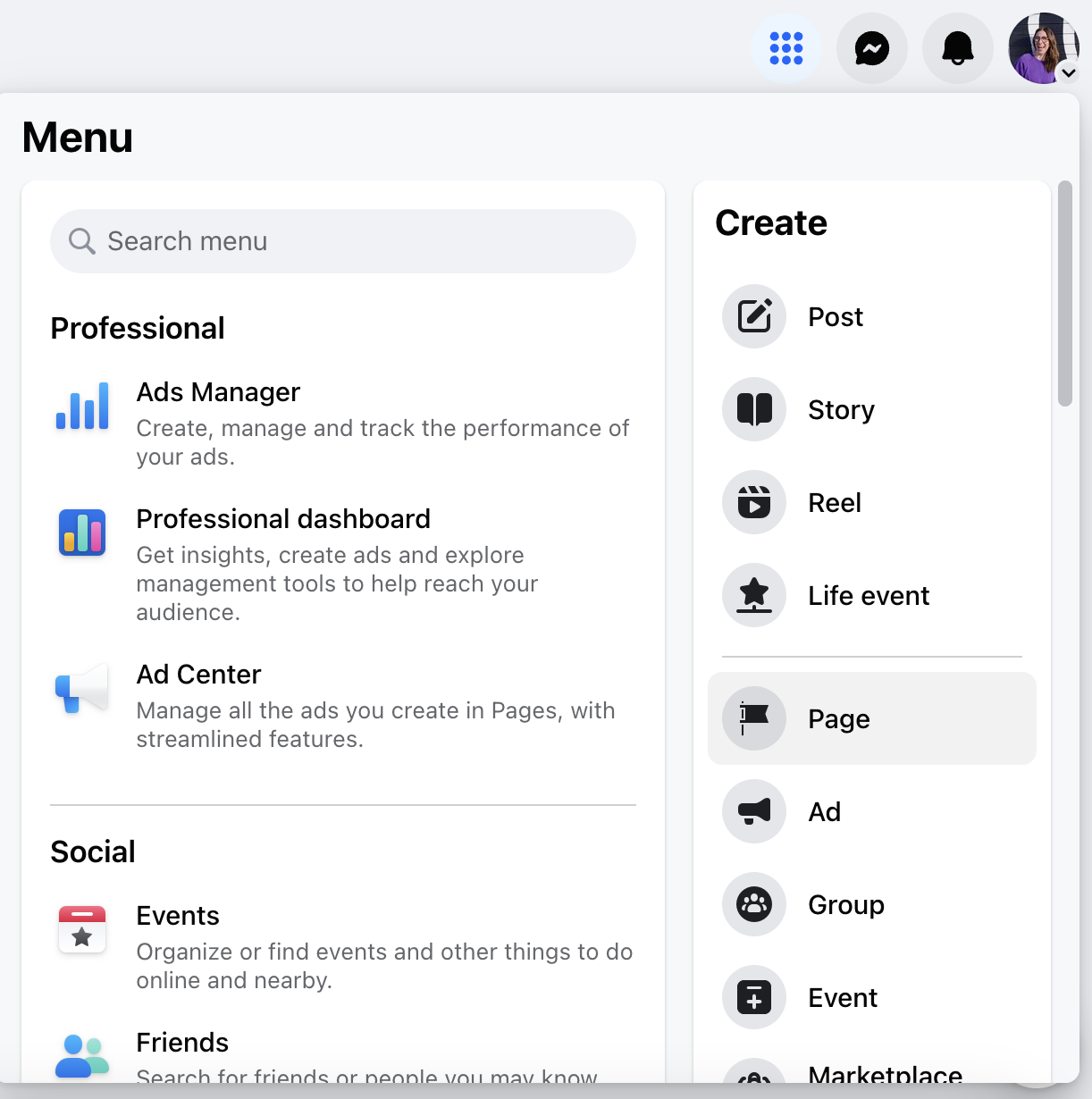
The 80/20 Rule of Brand Value
A common pitfall in creating a business page is over-promotion. If every post is a sales pitch, the brand appears desperate and self-centered. A sophisticated brand strategy utilizes the 80/20 rule: 80% of the content should provide value—educational insights, industry news, or entertaining stories—while only 20% should be direct promotion.
Value-based content builds “brand equity.” It positions the business as a thought leader and a reliable source of information. When the time comes for the 20% promotional content, the audience is far more receptive because a foundation of trust and reciprocity has already been established.
Visual Storytelling and Micro-Content
In a high-speed digital environment, the ability to tell a story quickly is paramount. Use high-quality photography, short-form video, and infographics to break down complex brand concepts into digestible “micro-content.” Video, in particular, is a powerful tool for humanizing a brand. Behind-the-scenes footage, founder interviews, or “day in the life” clips help peel back the corporate curtain, making the brand feel accessible and authentic.
Intentional Engagement
A business page is not a broadcast channel; it is a community hub. Creating the page is only half the battle; maintaining it requires active participation. Responding to comments, engaging with mentions, and participating in industry-wide conversations are essential for building brand loyalty. Every interaction is an opportunity to reinforce the brand voice and demonstrate a commitment to customer satisfaction.
Optimization for Conversion and User Experience
The ultimate goal of a business page is to move the user further down the marketing funnel. This requires a meticulous focus on User Experience (UX) and clear conversion pathways. A brand that is easy to interact with is a brand that people will choose.
The Power of the Call to Action (CTA)
Every business page should have a primary objective. Whether it is driving traffic to a website, encouraging newsletter signups, or facilitating direct sales, the Call to Action (CTA) must be prominent and unambiguous. Use action-oriented language that aligns with your brand voice. Instead of a generic “Contact Us,” a creative agency might use “Start Your Project,” while a consultancy might use “Schedule a Discovery Call.”
Social Proof as a Trust Signal
In branding, social proof is the psychological phenomenon where people mirror the actions of others in an attempt to reflect correct behavior. Your business page should actively showcase testimonials, reviews, and case studies. Highlighting successful client outcomes or positive user feedback acts as a powerful endorsement, reducing the perceived risk for new customers.
If the platform allows for a “Reviews” section, manage it actively. Responding professionally to both positive and negative reviews demonstrates that the brand is attentive and takes its reputation seriously. This transparency is a hallmark of a strong, confident brand.
Streamlining the Path to Purchase
If your business page allows for integrated shopping or booking features, utilize them. Reducing the number of clicks between a user’s interest and their final action is a fundamental principle of conversion optimization. However, ensure that the integration feels premium and secure. A clunky checkout process or a broken link can instantly undo hours of brand-building work by creating a sense of frustration and distrust.
Measurement and Evolution of the Brand Asset
Creating a business page is not a one-time event but an iterative process. To ensure the page continues to serve the brand’s objectives, it must be measured against specific Key Performance Indicators (KPIs) and evolved based on data-driven insights.
Analyzing Sentiment and Reach
While metrics like “likes” and “followers” are often dismissed as vanity metrics, in the context of branding, they provide a snapshot of your brand’s reach and resonance. More important, however, is sentiment analysis. Are the conversations happening on your page positive? Is the audience engaging with the brand’s core messages, or are they distracted by peripheral topics? Understanding the quality of engagement is crucial for refining your brand strategy.
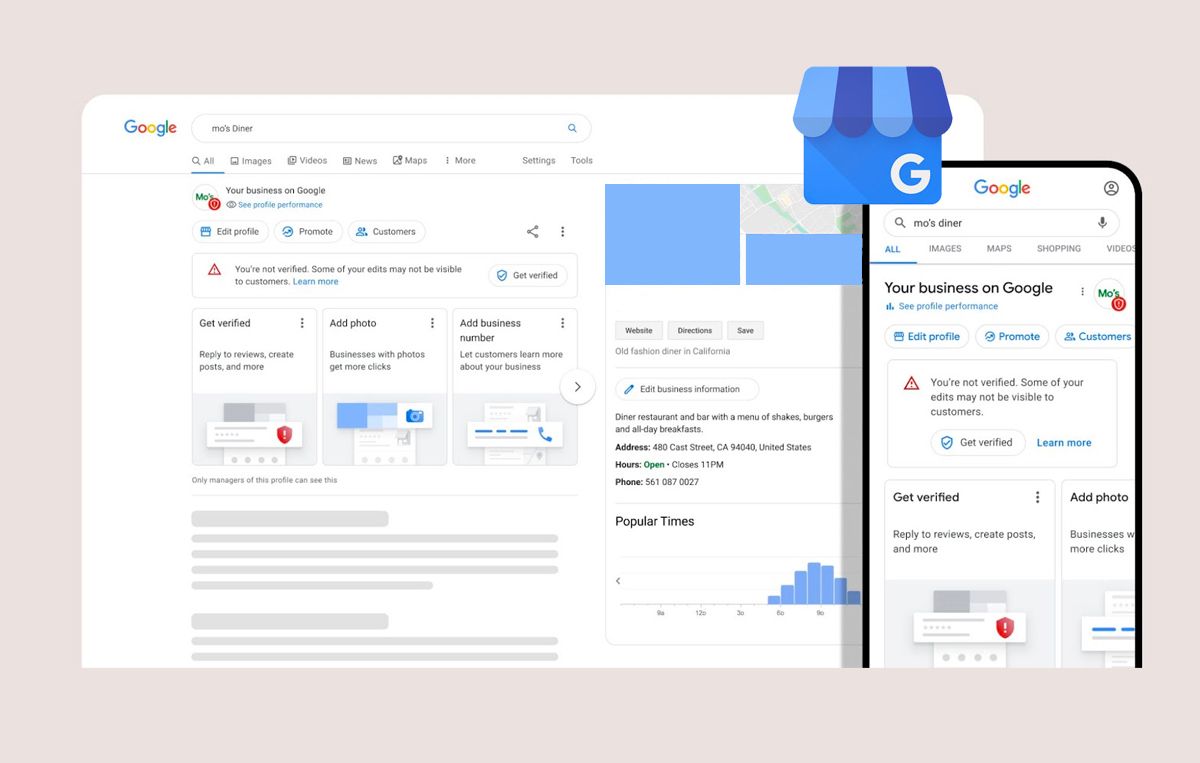
Iterative Design and Content Testing
The digital landscape shifts rapidly. What worked for your brand six months ago may no longer resonate today. Use A/B testing to refine your approach. Test different header images, experiment with various post formats, and tweak your CTA language. By constantly optimizing the page based on how users actually interact with it, you ensure that the business page remains a cutting-edge representation of the brand.
Ultimately, a business page is a reflection of the brand’s health and ambition. By focusing on visual consistency, narrative depth, value-driven content, and a seamless user experience, you create more than just a page—you create a digital destination that attracts, engages, and converts your ideal audience. This strategic approach ensures that your online presence is not just a necessity of modern business, but a powerful engine for long-term brand growth.
aViewFromTheCave is a participant in the Amazon Services LLC Associates Program, an affiliate advertising program designed to provide a means for sites to earn advertising fees by advertising and linking to Amazon.com. Amazon, the Amazon logo, AmazonSupply, and the AmazonSupply logo are trademarks of Amazon.com, Inc. or its affiliates. As an Amazon Associate we earn affiliate commissions from qualifying purchases.