
The transition from physical checkbooks and branch visits to digital interfaces has fundamentally altered the landscape of personal finance. Online banking is no longer a luxury or a niche convenience; it is the central nervous system of modern money management. For those looking to take control of their financial life, understanding how to navigate online banking platforms is the first step toward achieving fiscal efficiency and long-term security.
Establishing Your Digital Financial Foundation
The journey into online banking begins with choosing the right vehicle for your capital. While most traditional “brick-and-mortar” banks offer robust digital platforms, a new generation of “neobanks” or online-only institutions has emerged, often offering higher interest rates and lower fees due to reduced overhead costs. When deciding where to manage your money, consider whether you require physical branch access or if a digital-first experience aligns better with your lifestyle.

Enrollment and Authentication
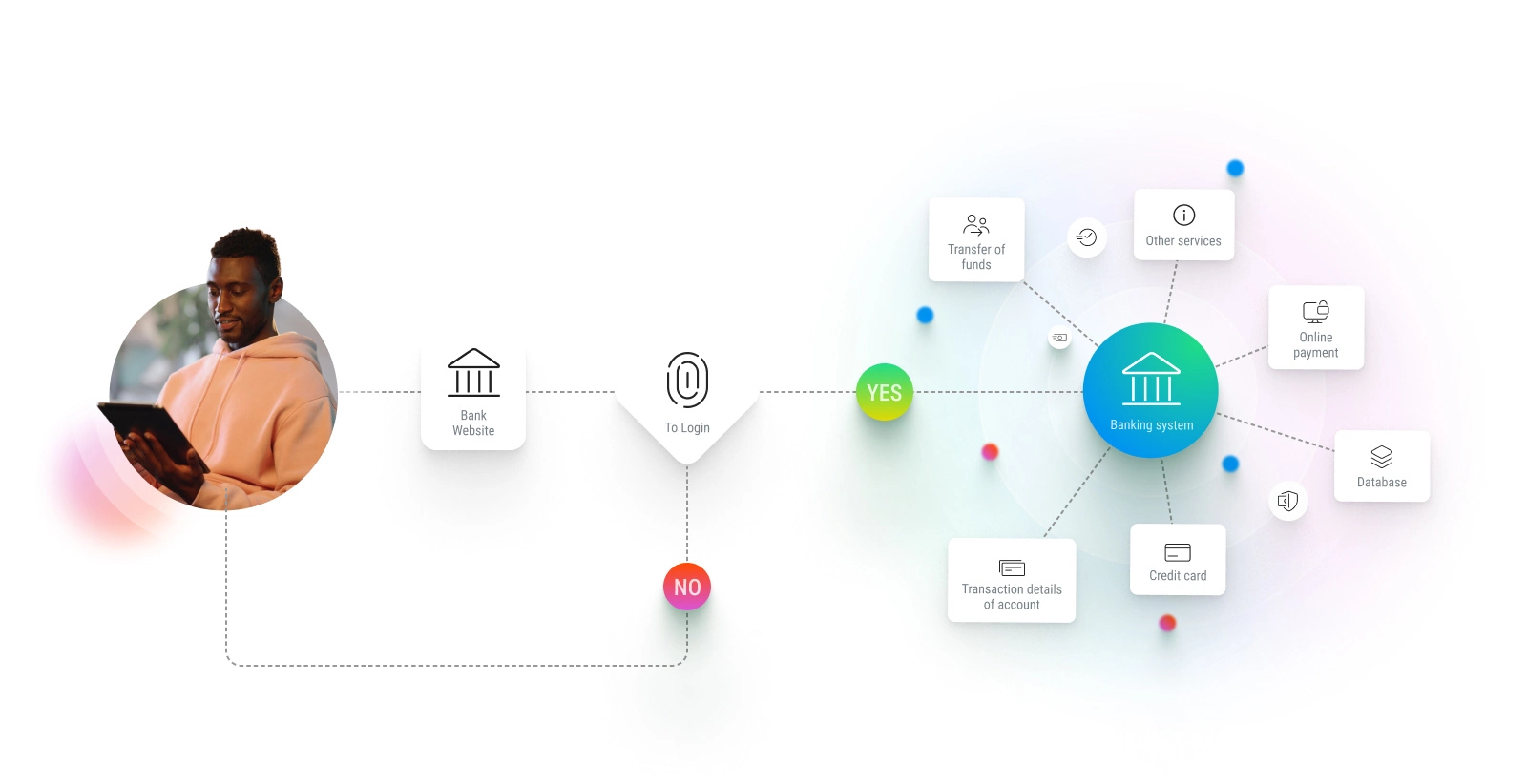
Once you have selected a financial institution, the first technical step is enrollment. This typically requires your social security number, account number, and a valid form of identification. During this process, you will create a unique username and a complex password. However, the most critical element of this setup is Multi-Factor Authentication (MFA).
MFA adds a layer of security by requiring a second form of verification—usually a code sent via SMS, an email, or an authenticator app—before granting access. In the realm of personal finance, this is your primary defense against unauthorized access. Professional money management dictates that you should never use the same password for your banking as you do for social media or retail sites.
Understanding the Interface
Most online banking portals are divided into three primary zones: account overviews, transaction histories, and movement tools. The account overview provides a high-level look at your liquidity, showing available balances in checking, savings, and investment accounts. The transaction history is a living ledger, offering real-time insights into your spending habits. Familiarizing yourself with these zones allows you to monitor your cash flow without waiting for a monthly paper statement.
Mastering the Mechanics of Money Movement
Online banking transforms your computer or smartphone into a global clearinghouse. The ability to move money efficiently is the core utility of these platforms. To use online banking effectively, you must understand the different protocols for transferring funds and paying liabilities.
Internal and External Transfers
Internal transfers allow you to move money between your own accounts—for example, shifting funds from a checking account to a savings account to earn higher interest. External transfers, often facilitated via the Automated Clearing House (ACH) network, allow you to move money between different financial institutions. While ACH transfers are typically free, they may take one to three business days to clear. For urgent needs, many platforms offer wire transfers, which are near-instant but usually carry a service fee.
Peer-to-Peer (P2P) Integrations
Modern online banking often integrates directly with P2P services like Zelle, or allows for easy linking with third-party apps like Venmo and Cash App. These tools are essential for small-scale debt settlement, such as splitting a dinner bill or paying a service provider. When using these features, it is vital to verify the recipient’s information meticulously, as P2P transactions are often instantaneous and irreversible, functioning much like physical cash.
Bill Pay and Automation
One of the most significant advantages of digital banking is the “Bill Pay” feature. This allows you to authorize your bank to send payments directly to utilities, credit card issuers, or landlords. By utilizing Bill Pay, you eliminate the need for paper checks and postage. More importantly, you can automate these payments. Professional financial planning relies heavily on automation to ensure that obligations are met on time, thereby protecting your credit score and avoiding late fees.
Leveraging Online Tools for Financial Optimization
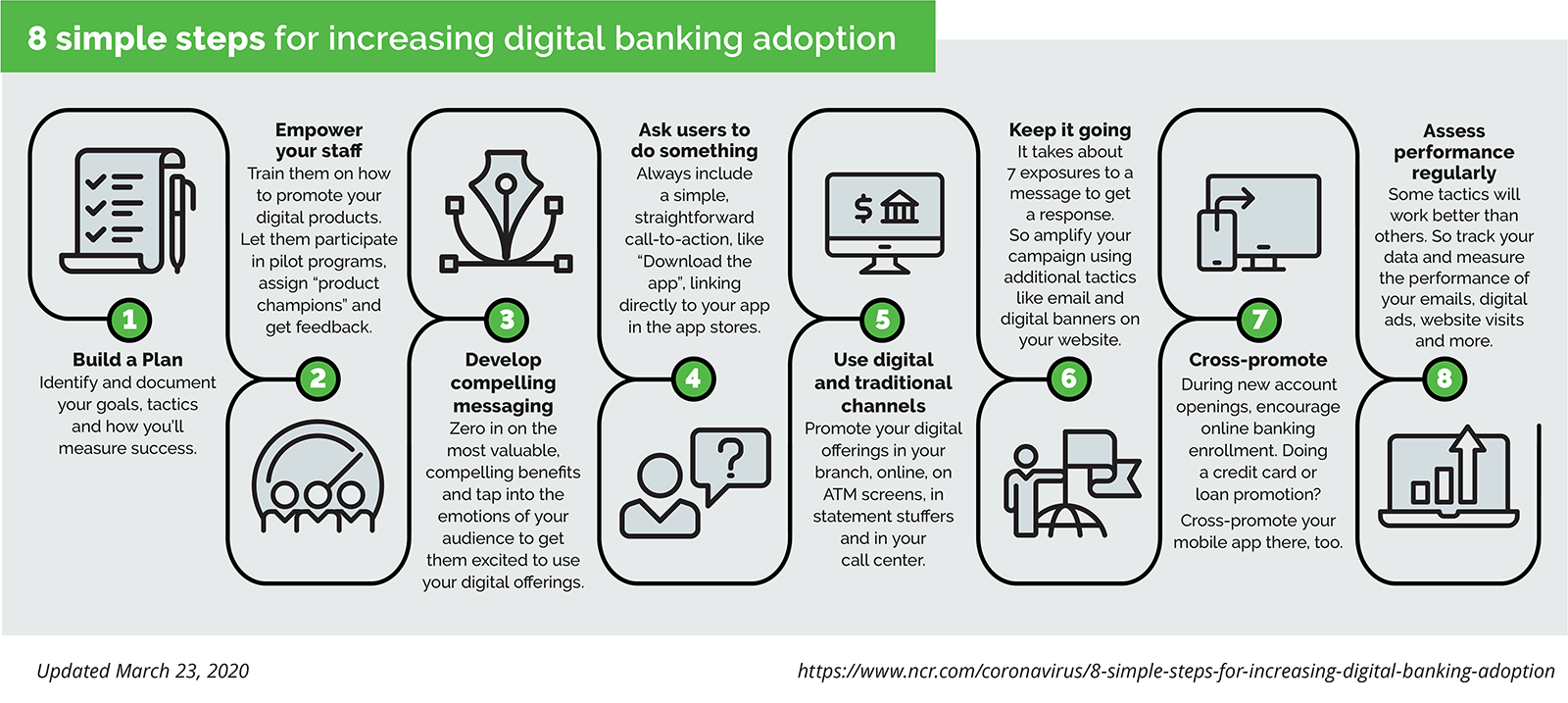
Beyond basic transactions, online banking provides a suite of tools designed to enhance your financial health. These features turn a simple repository for cash into a comprehensive financial planning workstation.
Mobile Check Deposit
The days of standing in line to deposit a physical check are largely over. Most banking apps include a mobile deposit feature that utilizes your smartphone’s camera. By capturing clear images of the front and back of a signed check, you can transmit the data to your bank for processing. This technology uses advanced encryption and image recognition to ensure the transaction is secure and accurate, providing immediate access to your funds.
Budgeting and Categorization Tools
Many modern banking platforms automatically categorize your spending. By viewing a pie chart of your monthly expenses—segmented into categories like housing, groceries, and entertainment—you gain a data-driven perspective on where your money goes. Some advanced platforms allow you to set spending limits for specific categories, sending you an alert when you are nearing your self-imposed budget. This real-time feedback loop is an invaluable tool for anyone looking to increase their monthly savings rate.
Savings Buckets and Goals
Leading digital banks often offer “buckets” or “vaults” within a single savings account. This allows you to earmark specific sums of money for different goals—such as an emergency fund, a down payment on a home, or a vacation—without needing to open separate accounts. Seeing your progress toward these goals visually represented can provide the psychological motivation needed to maintain disciplined saving habits.
Safeguarding Your Digital Assets
As your financial life moves online, the importance of digital security cannot be overstated. Managing your money digitally requires a proactive approach to risk management and an understanding of the common threats in the digital ecosystem.
Recognizing Phishing and Social Engineering
The greatest threat to your online bank account is not a technical hack, but “social engineering.” This involves fraudulent emails, texts, or phone calls designed to trick you into revealing your login credentials. A professional financial institution will never ask for your password or MFA code over the phone or via email. Always navigate directly to the bank’s official website or app rather than clicking on links provided in unsolicited messages.
Secure Connection Protocols
When accessing your online banking, the environment matters. Avoid using public Wi-Fi networks, such as those found in coffee shops or airports, as these are often unencrypted and susceptible to “man-in-the-middle” attacks where hackers intercept your data. If you must bank on the go, use a cellular data connection or a reputable Virtual Private Network (VPN) to encrypt your traffic.
Real-Time Alerts and Monitoring
One of the most effective security measures is the use of real-time notifications. You can configure your online banking app to send a push notification or text every time a transaction occurs over a certain dollar amount or when an international purchase is made. This allows you to identify and report fraudulent activity the moment it happens, rather than discovering it weeks later on a statement. Most banks offer a “freeze” feature in their app, allowing you to instantly disable your debit or credit card if you suspect it has been compromised.
The Future of Online Banking and Financial Integration
Online banking is evolving into an “open banking” model, where your financial data can be securely shared with other financial tools and services. This integration is the key to holistic wealth management.
Integrating with Wealth Management Software
By utilizing Application Programming Interfaces (APIs), you can link your online bank account to third-party wealth management platforms. These tools aggregate data from your checking accounts, investment portfolios, and loan balances to provide a comprehensive view of your net worth. This level of transparency is essential for long-term financial planning and tax optimization.
Moving Toward a Cashless Ecosystem
As online banking becomes more sophisticated, the need for physical currency continues to diminish. Contactless payments and digital wallets, synced directly to your online banking profile, offer a faster and more secure way to transact. Furthermore, the integration of digital banking with blockchain technology and instant settlement layers promises to make global finance even more efficient in the coming decade.
In conclusion, doing online banking is more than just checking a balance; it is about utilizing a powerful suite of financial tools to automate your life, protect your assets, and optimize your wealth. By mastering the interface, embracing automation, and maintaining rigorous security standards, you transform your relationship with money from a series of chores into a streamlined, strategic advantage. The digital shift provides the transparency and control necessary to navigate the complexities of the modern economy with confidence and precision.
aViewFromTheCave is a participant in the Amazon Services LLC Associates Program, an affiliate advertising program designed to provide a means for sites to earn advertising fees by advertising and linking to Amazon.com. Amazon, the Amazon logo, AmazonSupply, and the AmazonSupply logo are trademarks of Amazon.com, Inc. or its affiliates. As an Amazon Associate we earn affiliate commissions from qualifying purchases.