
In the modern landscape of personal finance, the recurring subscription model has transitioned from a niche convenience to a significant line item in the average household budget. At the center of this ecosystem sits Amazon Prime, a service that has evolved far beyond its origins as a simple expedited shipping program. Today, determining how much Amazon Prime costs yearly requires more than looking at a single number; it necessitates a deep dive into the tiered pricing structures, the hidden financial benefits, and the opportunity costs associated with the membership. For the savvy consumer, understanding this cost is the first step in auditing their digital footprint and optimizing their annual spending.
The Current Price Point: Breaking Down the Numbers
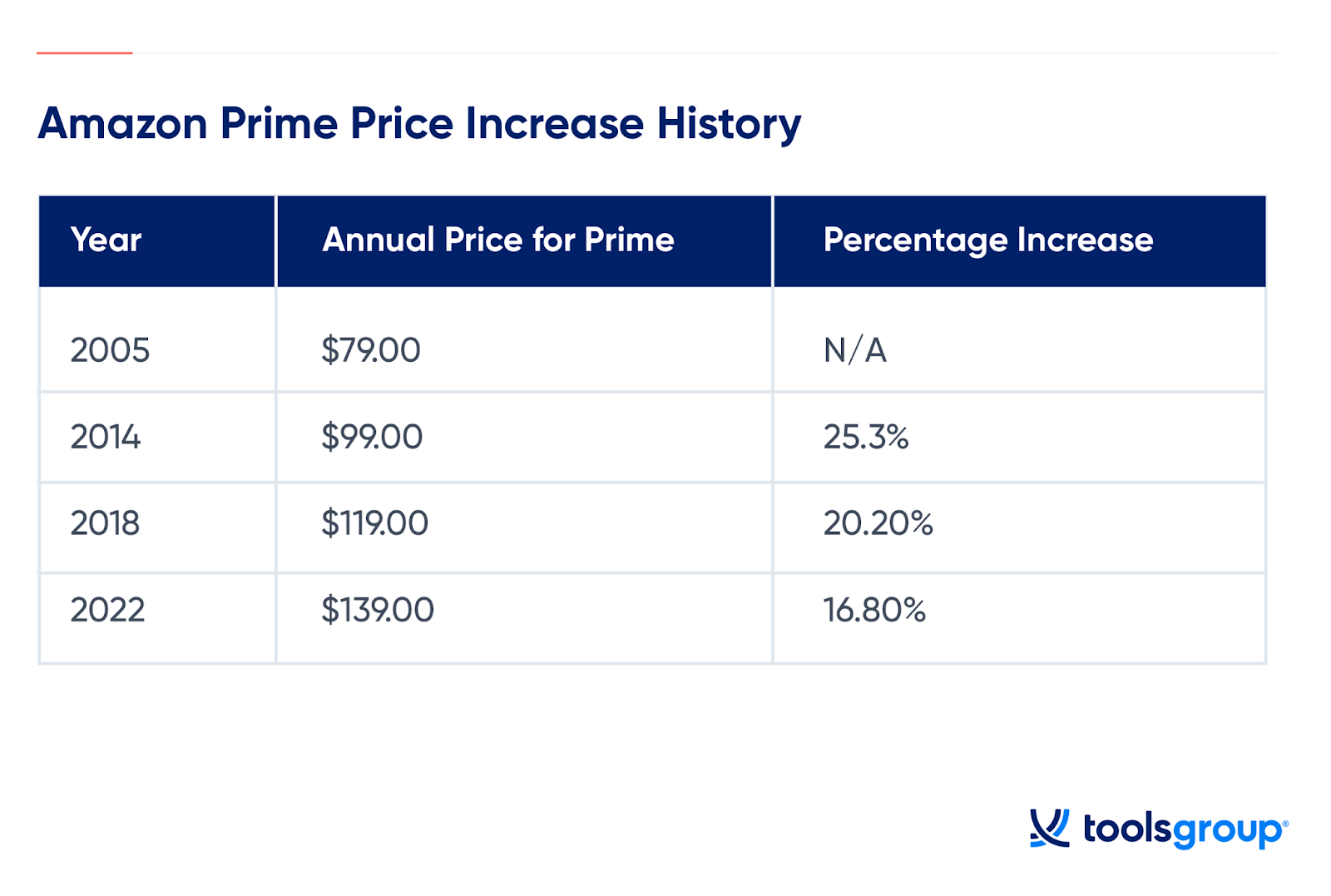
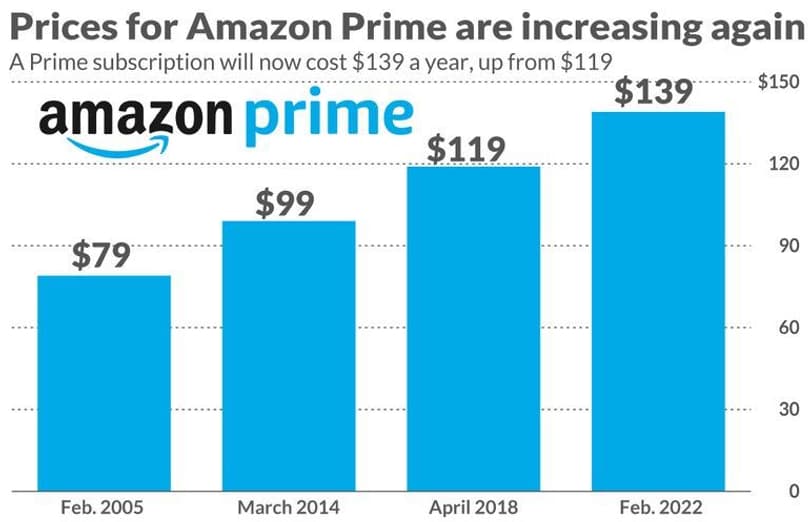
As of the current fiscal year, the standard annual membership for Amazon Prime in the United States is $139. This figure represents a significant increase from the service’s initial launch price of $79 in 2005, reflecting both inflationary pressures and the massive expansion of the Prime “moat”—the collection of services designed to keep consumers within the Amazon ecosystem.
Annual vs. Monthly: The Mathematical Reality
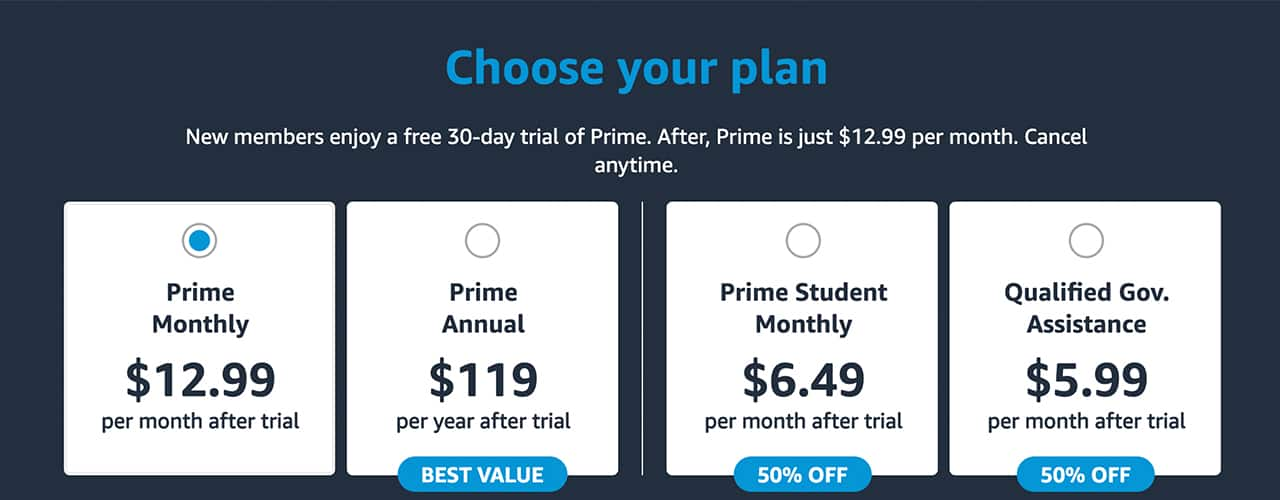
For those who prefer to manage their cash flow on a month-to-month basis, Amazon offers a monthly subscription at $14.99. While this may appear more manageable for a tight monthly budget, a basic financial audit reveals a different story. At $14.99 per month, a consumer pays approximately $179.88 over the course of a year. By opting for the $139 annual lump sum, the member saves $40.88—a discount of roughly 23%. From a personal finance perspective, paying annually is the equivalent of a guaranteed 23% return on investment compared to the monthly outlay.
Discounted Tiers: Student and Access Programs
Amazon maintains specific pricing tiers for demographics that may be more price-sensitive, which serves as a strategic move to secure long-term brand loyalty.
-
Prime Student: Designed for higher education students, this tier costs $69 per year or $7.49 per month. It includes a six-month trial period, often sponsored by third-party brands, making it one of the most cost-effective subscriptions in the tech and retail space.
-
Prime Access: Aimed at recipients of specific government assistance programs (such as SNAP or EBT), this tier is priced at $6.99 per month. While there is no annual payment option for Prime Access, the monthly rate is heavily subsidized to ensure the service remains accessible to low-income households who may rely on delivery services due to “food desert” conditions or lack of transportation.
Beyond Shipping: Quantifying the Bundled Value
To determine if the $139 annual fee is a sound financial decision, one must decouple the cost from the shipping benefits and look at the “bundled” services. If a consumer were to pay for these services individually through other providers, the total would far exceed the Prime membership fee.
The Entertainment Offset
The most significant component of the Prime bundle is Prime Video. In an era where standalone streaming services like Netflix, Disney+, and Max are consistently raising prices (often ranging from $10 to $20 per month), the inclusion of a robust streaming library adds immense value. If we value Prime Video at a conservative $10 per month, the entertainment portion of the membership alone accounts for $120 of the $139 annual fee.
Furthermore, the inclusion of Amazon Music Prime (offering a limited but ad-free catalog), Prime Gaming, and Prime Reading provides alternatives to other paid subscriptions like Spotify, Twitch Turbo, or Kindle Unlimited. For a household that successfully replaces one or two other subscriptions with Prime’s built-in offerings, the membership essentially pays for itself.
Digital Storage and Security
Amazon Photos offers unlimited full-resolution photo storage for Prime members. In a world where Google Photos and iCloud have moved toward strictly paid models for high-capacity storage, this “hidden” feature is a major financial asset. A comparable 2TB plan from a leading cloud provider typically costs $9.99 per month. For hobbyist photographers or families with thousands of digital memories, the savings here can reach $120 annually.
Strategic Budgeting: Is Prime a Financial Asset or a Liability?
While the math often leans in favor of the membership, a professional financial analysis must account for the psychological impact of the “Amazon Effect.” The ease of “One-Click” ordering and the promise of “Free Shipping” can often lead to increased impulse spending.
The Sunk Cost Fallacy and Impulse Spending
There is a psychological phenomenon where consumers feel the need to “use” their membership to justify the $139 cost. This often leads to more frequent, smaller purchases that might not have been made otherwise. To truly understand the cost of Amazon Prime, a consumer should look at their “Cost Per Order.” If you place 100 orders a year, the shipping cost per order is $1.39. If you only place 10, that cost jumps to $13.90.
Savvy budgeters should track their Amazon spending over a 90-day period. If the convenience of Prime is causing a 15% to 20% increase in non-essential purchases, the “savings” on shipping are being negated by the erosion of the household’s discretionary income.
Prime Day and Exclusive Financial Incentives
For those who utilize the Amazon Prime Visa Card, the membership unlocks a 5% back reward on all Amazon and Whole Foods Market purchases. For a household that spends $3,000 a year on groceries and household essentials via Amazon, that 5% back totals $150. In this scenario, the rewards alone completely cover the $139 annual membership fee, turning the subscription into a net-positive financial tool.
Comparative Analysis: Amazon Prime vs. The Competition
The subscription retail market has become increasingly crowded, with Walmart+ and Target Circle 360 emerging as primary competitors. Understanding the cost of Prime requires a side-by-side comparison of these financial ecosystems.
-
Walmart+: Priced at $98 per year, Walmart+ is significantly cheaper than Amazon Prime. Its primary value proposition is grocery delivery and a significant discount on fuel (up to 10 cents per gallon at participating stations). For a consumer whose primary concern is the rising cost of gasoline and groceries, Walmart+ may offer a better immediate ROI than Amazon Prime.
-
Target Circle 360: This newer entry focuses on same-day delivery via Shipt. At a promotional launch price of $49 (standard $99), it appeals to the suburban demographic that prioritizes speed for household essentials.
Amazon Prime’s higher price tag is justified by its breadth. Neither Walmart nor Target currently offers a comparable video streaming library, unlimited photo storage, or an ebook lending library within their base membership. Therefore, the $139 price point represents a “lifestyle” subscription rather than a simple “retail” subscription.
The Future of Prime: Predicting the Next Price Hike
From a business finance perspective, Amazon Prime is a massive driver of recurring revenue and data collection. However, as the cost of logistics, last-mile delivery, and content production for Prime Video continues to climb, consumers should prepare for future price adjustments.
Historically, Amazon has raised the price of Prime every four to five years. Given the current inflationary environment and the massive investment in NFL broadcasting rights (Thursday Night Football) and big-budget series like The Lord of the Rings: The Rings of Power, the internal pressure to increase the annual fee is high. To mitigate these rising costs, consumers should consider:
-
Locking in Rates: Renewing an annual membership just before a publicized price hike.
-
Household Sharing: Utilizing “Amazon Household” to share Prime benefits with another adult at no extra cost, effectively cutting the price in half per person.
-
Audit and Cancel: Periodically canceling the service during months of low usage (e.g., if you are traveling or focusing on a “no-spend” challenge) and resubscribing only when necessary.
Final Financial Verdict
How much does Amazon Prime cost yearly? In raw currency, it is $139. But in terms of personal finance, it is a variable expense that requires active management. If leveraged correctly—through the use of the 5% cash-back card, the replacement of other streaming services, and the utilization of cloud storage—it is one of the most efficient “utility” subscriptions available. However, if it serves merely as a gateway to unmonitored impulse spending, it becomes a liability to one’s long-term wealth-building goals.
As with any financial tool, the value of Amazon Prime is not found in the price tag itself, but in the consumer’s ability to extract more value from the service than the $139 they provide to the retailer. By conducting a yearly audit of your usage across shipping, video, and rewards, you can ensure that your membership remains a strategic component of a healthy financial life rather than an overlooked drain on your capital.
aViewFromTheCave is a participant in the Amazon Services LLC Associates Program, an affiliate advertising program designed to provide a means for sites to earn advertising fees by advertising and linking to Amazon.com. Amazon, the Amazon logo, AmazonSupply, and the AmazonSupply logo are trademarks of Amazon.com, Inc. or its affiliates. As an Amazon Associate we earn affiliate commissions from qualifying purchases.