
The journey to buying a used car is often fraught with decisions, anxieties, and the perennial question of where to find the best deal without compromising reliability. In today’s digital age, the “best site” isn’t merely about convenience; it’s a critical financial decision that impacts your budget, your long-term savings, and your peace of mind. For the financially savvy consumer, navigating the vast online landscape of used car marketplaces requires a strategic approach, focusing on value, transparency, and protection. This article will dissect the financial implications of choosing different online platforms, offering insights to help you make an informed and fiscally responsible purchase.
Navigating the Used Car Market: A Financially Prudent Approach
Before even contemplating specific websites, a solid financial foundation is paramount. A used car represents a significant investment, often the second-largest purchase many individuals make after a home. Approaching it with a clear financial strategy can prevent overspending, unexpected costs, and buyer’s remorse.
Understanding Your Budget and Financial Constraints
The first step in any major purchase should always be a rigorous assessment of your budget. This isn’t just about how much you can afford to pay upfront or as a down payment; it’s about understanding your total capacity for car-related expenses. Consider your monthly income versus your fixed expenses (rent/mortgage, utilities, existing debts). A common financial guideline suggests that your total car expenses (loan payment, insurance, fuel, maintenance) should not exceed 10-15% of your gross monthly income. This ensures your vehicle doesn’t become a financial burden, diverting funds from other critical savings or investment goals. Furthermore, distinguish between what you can afford and what you should afford. Opting for a car well within your budget leaves room for contingencies and allows for greater financial flexibility.
The True Cost of Car Ownership Beyond the Sticker Price
The sticker price is just the tip of the iceberg when it comes to car ownership. A truly financially prudent buyer accounts for the full spectrum of costs:
-
Insurance: Premiums vary drastically based on the car’s make, model, age, your driving history, and location. Obtain insurance quotes before you buy to avoid a costly surprise.
-
Fuel: Consider the car’s fuel efficiency (MPG) relative to your expected mileage. A seemingly cheaper car with poor MPG could cost significantly more over its lifespan.
-
Maintenance and Repairs: Used cars, by their nature, will require maintenance. Research typical maintenance costs for specific models. Luxury or performance brands often come with higher parts and labor costs. Factor in regular servicing (oil changes, tire rotations) and potential repairs. An emergency fund specifically for car repairs is a wise financial buffer.
-
Registration and Taxes: Don’t forget state-specific registration fees, title transfer fees, and sales tax, which can add hundreds or even thousands to the initial outlay.
-
Depreciation: While used cars have already absorbed the steepest depreciation curve, understanding a vehicle’s future resale value can inform your choice, particularly if you plan to upgrade in a few years.
Assessing Your Financing Options
For many, buying a used car involves financing. Understanding your options is crucial for securing the best financial deal.
-
Cash Purchase: The ideal scenario, eliminating interest payments and providing full ownership from day one. If possible, saving up for a cash purchase can yield significant long-term savings.
-
Car Loan: Shop around for pre-approval from banks, credit unions, and online lenders before visiting dealerships or online retailers. A pre-approved loan gives you leverage, clarifies your budget, and prevents you from accepting potentially higher interest rates offered by sellers. Focus on the total cost of the loan (principal + interest), not just the monthly payment. A shorter loan term typically means higher monthly payments but less interest paid overall. Your credit score will heavily influence the interest rate you qualify for.
Key Factors for Evaluating Online Used Car Marketplaces
Once your financial groundwork is laid, the next step is to evaluate the online platforms themselves. For the financially savvy consumer, certain characteristics of these sites become paramount.
Transparency in Pricing and Fees
Hidden fees can quickly erode the perceived savings of a used car purchase. Look for platforms that offer transparent, upfront pricing. This includes all dealership fees, documentation fees, and any processing charges. Sites that clearly itemize costs and provide an all-inclusive price are preferable. Be wary of platforms or dealers that only reveal these costs late in the buying process. Financial honesty from the seller is a non-negotiable trait.
Vehicle History Reports and Inspection Guarantees
A used car’s past directly impacts its future financial reliability. Reputable sites will offer comprehensive vehicle history reports (e.g., CarFax, AutoCheck) which detail accidents, service records, ownership changes, and title issues. This is an indispensable tool for assessing potential future repair costs. Furthermore, look for platforms that offer inspection guarantees or facilitate independent pre-purchase inspections (PPIs). While a PPI may cost a few hundred dollars, it’s a small investment that can save thousands in unforeseen repairs and provide peace of mind regarding your financial commitment. Some online retailers even offer their own multi-point inspections and reconditioning, providing a layer of assurance.
Consumer Protections and Return Policies
Online car buying, while convenient, introduces a unique set of challenges compared to physically inspecting a car. Robust consumer protections and clear return policies are vital financial safeguards. What happens if the car isn’t as described? Can you return it if major issues arise shortly after purchase? Look for sites that offer a grace period or a money-back guarantee (e.g., 7-day return policy). This allows you to thoroughly inspect the vehicle, have a mechanic look at it, and ensure it meets your expectations, protecting your investment. Without such policies, you could be stuck with a costly mistake.
User Reviews and Reputation (Trustworthiness)
In the digital age, a platform’s reputation and user reviews are critical indicators of its financial trustworthiness and overall customer experience. Sites with consistently high ratings and positive feedback regarding transparency, vehicle accuracy, and customer service are generally safer bets. Conversely, platforms plagued by complaints about hidden fees, misrepresented vehicles, or poor post-sale support should raise significant red flags for any financially cautious buyer. Research not just the platform, but also individual dealerships or sellers if applicable.
Top Online Platforms: A Financial Comparison
Different types of online platforms cater to distinct financial strategies and risk tolerances. Understanding their nuances is key to selecting the “best” site for your specific needs.
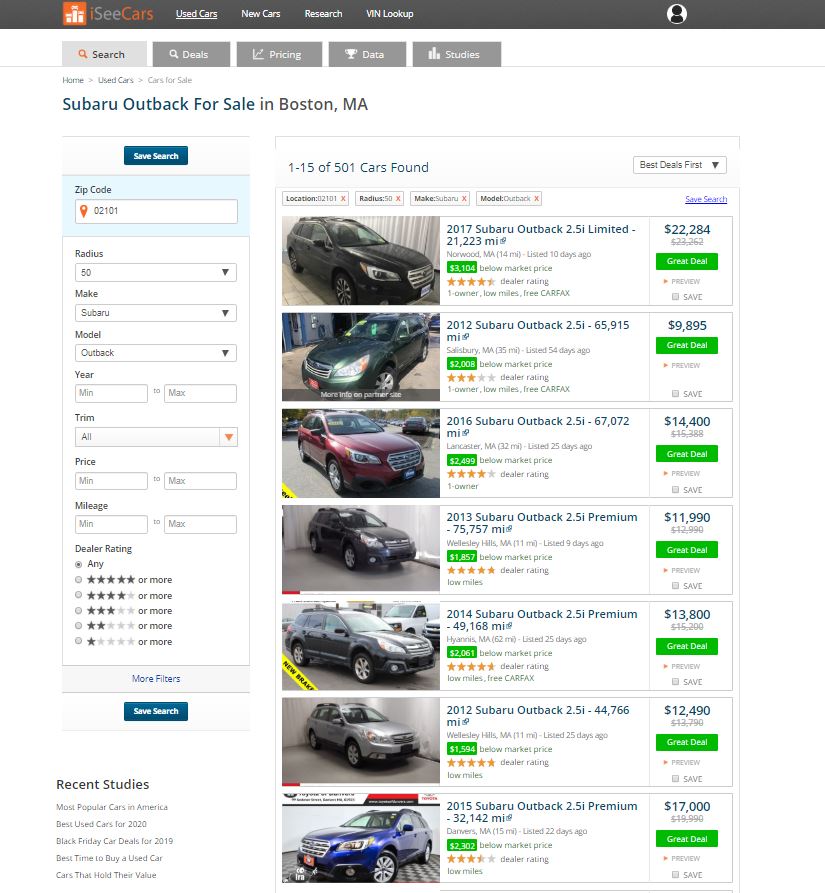
Dealership Aggregators (e.g., Autotrader, Cars.com)
These platforms consolidate listings from thousands of dealerships across the country.
-
Financial Pros: Wide selection allows for extensive price comparison, potentially leading to competitive deals. Many listings include CarFax reports. Dealerships often offer financing options and warranties.
-
Financial Cons: Prices may be subject to additional dealership fees (documentation, preparation). Negotiation skills are often required. May involve visiting multiple physical locations, consuming time and potentially leading to impulse decisions.
-
Best for: Buyers who want a broad selection, prefer dealing with established dealerships for financing and service, and are comfortable with negotiation.
Private Sale Marketplaces (e.g., Craigslist, Facebook Marketplace, eBay Motors)
These platforms connect private sellers directly with buyers.
-
Financial Pros: Often the lowest prices as there are no dealership markups or fees. Potential for significant savings if you know what you’re looking for and are adept at inspecting vehicles.
-
Financial Cons: Highest risk. No consumer protections, no return policies, and vehicle history reports may not always be provided or guaranteed. Financing must be secured independently. Higher potential for scams or undisclosed issues. Requires strong negotiation skills and due diligence (PPI is essential).
-
Best for: Experienced car buyers comfortable with risk, who can perform thorough inspections, arrange independent financing, and prioritize maximum cost savings above all else.
Online-First Retailers (e.g., Carvana, Vroom, Shift)
These companies operate almost entirely online, delivering cars directly to consumers.
-
Financial Pros: Highly transparent, no-haggle pricing, simplifying the purchase process. Often include multi-point inspections, reconditioning, and a limited return policy (e.g., 7-day money-back guarantee). Streamlined financing and trade-in options. Saves time and eliminates dealership pressure.
-
Financial Cons: Prices can sometimes be slightly higher than private sales or even some dealership offerings, reflecting the convenience and added services. Less room for negotiation. Limited physical inspection before purchase (though return policy mitigates this).
-
Best for: Buyers who value convenience, transparency, and a streamlined experience, and are willing to pay a slight premium for reduced hassle and stronger consumer protections.
Auction Sites (e.g., eBay Motors, Copart for specific types)
eBay Motors offers both “Buy It Now” options and auction formats, including private sellers and dealerships. Copart focuses on salvage/damaged vehicles, primarily for rebuilders.
-
Financial Pros: Potential for significant bargains, especially with auction formats or less common vehicles. Broad geographic reach.
-
Financial Cons: High risk, particularly with auction items. “As-is” sales are common, meaning no warranties or returns. Requires careful scrutiny of listings, seller reputation, and often a pre-bid inspection if local. Payment and shipping logistics can be complex and add costs.
-
Best for: Experienced buyers, mechanics, or those specifically looking for project cars or rare models, with a high tolerance for risk and a deep understanding of vehicle mechanics.
Maximizing Your Value: Financial Strategies for Used Car Purchases
Regardless of the platform you choose, employing smart financial strategies can ensure you get the most value for your money.
Pre-Purchase Inspections: A Non-Negotiable Investment
Never buy a used car without a professional pre-purchase inspection (PPI) by an independent mechanic. This minor investment (typically $100-$200) can uncover hidden mechanical issues, structural damage, or impending failures that could cost thousands to repair. A PPI shifts the power dynamic; armed with an objective assessment, you can negotiate a lower price, request repairs, or walk away from a bad deal, saving you significant financial heartache down the road. It’s the ultimate financial insurance for a used car.
Negotiation Tactics and Price Comparison
Even on “no-haggle” sites, there might be room for negotiation on extras or trade-in values. On traditional dealership aggregator sites or private sales, negotiation is key.
-
Research market value: Use sites like Kelley Blue Book (KBB) or Edmunds to understand the fair market value for the specific make, model, year, and mileage of the car you’re interested in.
-
Be prepared to walk away: Your strongest negotiation tool is your willingness to decline a deal that doesn’t meet your financial criteria.
-
Leverage PPI findings: If a PPI reveals issues, use them to negotiate a lower price.
-
Compare financing: Always compare the seller’s financing offer with your pre-approved loan.
Understanding Warranties and Extended Service Plans
Used cars often come with limited or no warranty. Some certified pre-owned (CPO) vehicles from dealerships offer extended warranties, which can provide financial peace of mind, though they come at a higher price. Be cautious with third-party extended service plans; scrutinize their coverage, deductibles, and reputation. While they can be beneficial, ensure the cost justifies the potential savings on repairs, and confirm what is truly covered versus what is excluded. For a truly financially sound decision, often a robust emergency fund for repairs is more flexible and cost-effective than a restrictive extended warranty.
Timing Your Purchase for Optimal Savings
Certain times of the year or month can present better financial opportunities:
-
End of the Month/Quarter/Year: Salespeople are often trying to meet quotas, making them more amenable to negotiation.
-
New Model Year Releases (Fall): As new models arrive, dealerships are more motivated to clear out older inventory, including used cars that are now a year “older.”
-
Holidays: Sales events around major holidays (e.g., Memorial Day, Labor Day, Black Friday) can feature discounts.
Beyond the Purchase: Long-Term Financial Implications
Buying a used car is not a one-time transaction; it’s a long-term financial commitment. Smart planning extends beyond the initial purchase.
Resale Value and Depreciation Considerations
While used cars have already absorbed much of their depreciation, some models hold their value better than others. Researching potential resale value can be a wise financial move, especially if you plan to upgrade in a few years. Factors like brand reputation, reliability ratings, and market demand influence future value. Choosing a car that is known for good resale value can offset some of your ownership costs when it’s time to sell.
Maintenance Savings and DIY Potential
Regular maintenance is key to extending a car’s lifespan and preventing costly repairs. Follow the manufacturer’s recommended service schedule. For those mechanically inclined, performing basic DIY maintenance (oil changes, air filter replacement, tire rotations) can save a significant amount over the car’s lifetime. However, always know your limits; attempting complex repairs without proper knowledge can lead to more expensive damage.
Smart Insurance Choices
Revisit your insurance coverage annually. As a car ages and depreciates, comprehensive and collision coverage might become less financially advantageous compared to the vehicle’s actual cash value. Adjusting your deductibles or dropping certain coverages can yield savings. Always compare quotes from multiple providers to ensure you’re getting the most competitive rate for your coverage needs.
In conclusion, “the best site to buy used cars” isn’t a singular answer; it’s the site that best aligns with your financial strategy, risk tolerance, and commitment to due diligence. For the financially astute buyer, it’s a platform that offers transparency, consumer protection, access to crucial vehicle information, and ultimately, the best overall value for their hard-earned money. By taking a comprehensive financial approach, from budgeting to post-purchase planning, you can navigate the used car market with confidence and secure an asset that truly serves your financial goals.
aViewFromTheCave is a participant in the Amazon Services LLC Associates Program, an affiliate advertising program designed to provide a means for sites to earn advertising fees by advertising and linking to Amazon.com. Amazon, the Amazon logo, AmazonSupply, and the AmazonSupply logo are trademarks of Amazon.com, Inc. or its affiliates. As an Amazon Associate we earn affiliate commissions from qualifying purchases.