
To understand the current landscape of personal finance, corporate regulation, and global economic structures, one must look back at a transformative period known as the Progressive Era. From the late 1890s through the 1920s, a group of reformers—collectively known as Progressives—fundamentally reshaped the relationship between the individual, the corporation, and the state. While often discussed in historical contexts of social justice and suffrage, the Progressives were, at their core, economic architects. They were the pioneers who recognized that a modern, industrial economy could not survive on the laissez-faire principles of the Gilded Age.

The Progressives were a diverse coalition of middle-class professionals, economists, and political leaders who believed that the unchecked growth of monopolies and the volatility of unregulated markets posed an existential threat to personal wealth and national stability. Their legacy is not just found in history books; it is found in every paycheck, every tax return, every stock trade, and every consumer protection law we navigate today.
The Economic Identity of the Progressive Era
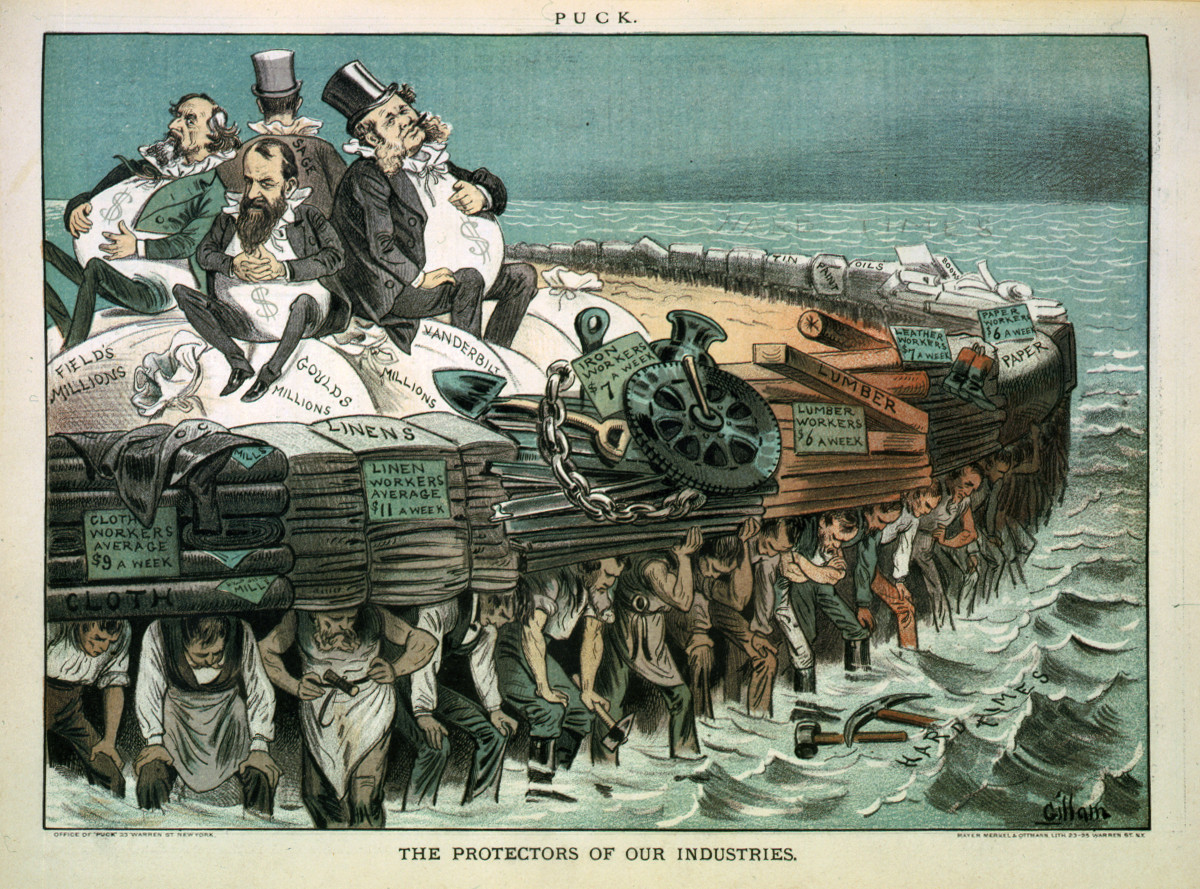
The Progressives emerged as a direct response to the “Gilded Age,” a period characterized by extreme wealth inequality, the rise of “Robber Barons,” and a total lack of transparency in business finance. Before the Progressive influence took hold, the American economy was a landscape of extremes. Massive trusts controlled the flow of capital, and the average citizen had little to no protection against market manipulation or bank failures.
Challenging the Gilded Age Status Quo
The primary economic mission of the Progressives was to introduce order and fairness into a chaotic market. They argued that the “invisible hand” of the market had become a “clenched fist” held by a few industrial titans. For the Progressives, the goal was not to destroy capitalism, but to save it from its own excesses. They believed that for personal finance to be viable for the masses, the rules of the game had to be codified and enforced.
This period saw the rise of the “muckrakers”—journalists and economists who exposed the inner workings of the Standard Oil Company, the meatpacking industry, and the corrupt alliances between high finance and government. By bringing financial transparency to the forefront of public discourse, they laid the groundwork for the modern expectation that corporations must be accountable to their shareholders and the public alike.
The Shift from Individualism to Institutional Reform
One of the most profound shifts the Progressives facilitated was the move from rugged individualism to institutional oversight. They recognized that in a complex, interconnected economy, the individual investor or worker was powerless against institutional giants. To protect personal income and savings, the government had to evolve into a regulator. This led to the creation of administrative agencies that could oversee financial health without the need for constant legislative intervention. This “administrative state” remains the backbone of modern business finance, ensuring that markets remain liquid and transparent.
Key Pillars of Progressive Financial Reform
The Progressives were responsible for three major structural changes that define modern money management and corporate strategy: the dismantling of monopolies, the creation of a central banking system, and the implementation of a graduated income tax.
The War on Monopolies: Breaking the Trusts
The Progressives, led by figures like Theodore Roosevelt and Louis Brandeis, viewed monopolies (or “trusts”) as a barrier to competitive markets and innovation. They believed that when one company controls an entire industry, it stifles the entrepreneurial spirit and artificially inflates prices, draining the personal finances of the consumer.
The Sherman Antitrust Act of 1890 was the first major step, but it was the Progressives who actually gave it teeth. By breaking up companies like Standard Oil, they ensured that capital could flow more freely into new ventures. This era established the principle that competition is the lifeblood of a healthy economy—a principle that continues to guide how we view market dominance in the era of Big Tech and global conglomerates. For the modern investor, the legacy of trust-busting means a more diverse and resilient portfolio, less vulnerable to the total failure of a single, massive entity.
The Birth of the Federal Reserve and Monetary Stability
Perhaps the most significant Progressive contribution to modern finance was the Federal Reserve Act of 1913. Before this, the United States suffered from frequent “panics”—cycles of boom and bust that could wipe out personal savings overnight. Banks operated with little oversight, and there was no “lender of last resort” to provide liquidity during a crisis.
The Progressives argued for a centralized authority that could manage the nation’s money supply and stabilize interest rates. By creating the Federal Reserve, they moved the United States toward a more predictable financial environment. This stability is what allows modern personal finance strategies, such as long-term retirement planning and mortgage lending, to exist. Without the monetary guardrails established by the Progressives, the risk profile of everyday investing would be orders of magnitude higher than it is today.
Taxation and the 16th Amendment
In 1913, the ratification of the 16th Amendment allowed the federal government to collect an income tax. While often a point of contention in modern political discourse, for the Progressives, this was a vital tool for economic fairness and infrastructure funding. Before the income tax, the government relied heavily on tariffs and excise taxes, which disproportionately burdened the poor and middle class.
The Progressives pushed for a graduated (progressive) tax system, where those who benefited most from the nation’s economic infrastructure contributed a larger share to its upkeep. This shifted the burden of financing the state away from the consumer and onto the surplus wealth of the high-earning class. This revenue allowed for the massive investments in education, technology, and infrastructure that fueled the economic growth of the 20th century.
The Social Cost of Capital: Labor and Wealth Redistribution
The Progressives understood that a healthy financial system requires a healthy workforce. They were the first to argue that labor was not just an expense on a balance sheet but a primary driver of economic value.
Protecting the Human Resource
The Progressive push for labor laws—including the eight-hour workday, workers’ compensation, and the abolition of child labor—had a direct impact on the economy of the household. By ensuring that workers were paid a living wage and protected from injury, the Progressives helped create the American middle class. From a financial perspective, this transformed millions of people from subsistence laborers into consumers and investors. The rise of the modern retail investor is a direct result of these labor reforms, which provided individuals with the discretionary income necessary to build personal wealth.
Consumer Protection as a Market Stabilizer
Progressives also pioneered the concept of consumer protection. The Pure Food and Drug Act and the Meat Inspection Act were not just health measures; they were market regulations. They established the idea that for a market to function, the consumer must have confidence in the product they are buying. In the world of finance, this logic eventually extended to the “Blue Sky Laws” at the state level and later the creation of the SEC. The Progressive belief was simple: asymmetrical information (where the seller knows a product is bad but the buyer does not) is a form of market failure that destroys wealth.
Lessons from the Progressives for Modern Personal Finance
The “Progressive” mindset remains highly relevant for anyone looking to master their money in the 21st century. The core tenets of their philosophy—transparency, diversification, and institutional oversight—are the same principles that guide successful investing today.
The Importance of Regulation for Retail Investors
In the era of cryptocurrency, decentralized finance (DeFi), and “meme stocks,” the Progressive cautionary tales about unregulated markets are more relevant than ever. Progressives would argue that while innovation is essential, it must be paired with safeguards that prevent fraud and systemic collapse. Modern investors who understand the history of the Progressive Era are often more cautious regarding “get rich quick” schemes that lack transparent oversight, recognizing that true wealth is built on a foundation of stable, regulated markets.
Sustainability and Long-Term Wealth Building
The Progressives were also early advocates for conservation, led by figures like Gifford Pinchot. They believed that resources should be managed for the “greatest good for the greatest number in the long run.” This is the historical precursor to modern ESG (Environmental, Social, and Governance) investing. By considering the long-term impact of corporate behavior on the environment and society, investors are essentially following the Progressive blueprint: ensuring that the pursuit of profit today does not bankrupt the opportunities of tomorrow.

The Legacy of Progressive Economic Thought
The Progressives were the individuals who realized that the transition from a rural, agrarian society to an urban, industrial powerhouse required a new set of financial rules. They were the first to see the economy as an ecosystem that required balance between corporate power, government oversight, and individual rights.
Their work turned the United States from a volatile market prone to frequent depressions into a global financial leader. Every time we check our bank balance and see that it is FDIC-insured, or look at a transparent quarterly report from a public company, we are experiencing the legacy of the Progressives. They were the original financial strategists who understood that for a nation to be wealthy, its financial systems must be built on a foundation of equity, stability, and public trust.
Today, as we navigate a new era of technological disruption and shifting economic paradigms, the question of “Who were Progressives?” serves as a reminder that the rules of money are not static. They are shaped by those who have the vision to see that a more regulated, transparent, and fair market is ultimately a more prosperous one for everyone involved. By studying their reforms, modern professionals and investors can better understand the forces that govern their own financial lives and the ongoing evolution of the global economy.
aViewFromTheCave is a participant in the Amazon Services LLC Associates Program, an affiliate advertising program designed to provide a means for sites to earn advertising fees by advertising and linking to Amazon.com. Amazon, the Amazon logo, AmazonSupply, and the AmazonSupply logo are trademarks of Amazon.com, Inc. or its affiliates. As an Amazon Associate we earn affiliate commissions from qualifying purchases.