
In the rapidly evolving landscape of over-the-top (OTT) media services, Paramount+ has emerged as a cornerstone of the digital entertainment era. While many viewers approach the service through the lens of its content library, the platform represents a sophisticated feat of software engineering, cloud infrastructure, and user experience design. Understanding what is on Paramount+ requires looking beyond the titles and examining the technological framework that powers one of the most versatile streaming apps on the market today.
As the successor to CBS All Access, Paramount+ was reimagined not just as a content repository, but as a global, scalable platform capable of delivering high-definition video, live sports, and real-time news to millions of concurrent users. This transition marked a significant shift toward a tech-first approach, prioritizing cross-platform compatibility and high-fidelity streaming standards.
The Evolution of the Paramount+ Platform
The journey of Paramount+ is a case study in digital transformation. When ViacomCBS (now Paramount Global) rebranded the service, the technical objective was to create a unified backend capable of supporting a massive influx of data and a global user base. This required a complete overhaul of the existing software architecture to ensure the app could function seamlessly across a fragmented ecosystem of devices.
Transitioning from CBS All Access to a Global Powerhouse
The move from CBS All Access to Paramount+ wasn’t merely a cosmetic rebranding. It involved migrating massive databases of user information and viewing histories into a more robust, cloud-native environment. By leveraging Amazon Web Services (AWS) and other cloud infrastructure providers, the platform gained the ability to scale dynamically. This scalability is critical for handling “thundering herd” scenarios—moments when millions of users log in simultaneously to watch high-profile events like the Super Bowl or a major series premiere.
The backend infrastructure utilizes microservices architecture, allowing developers to update specific components of the app—such as the payment gateway or the recommendation engine—without taking the entire service offline. This modular approach ensures high availability and resilience, which are the hallmarks of modern enterprise-level software.
Software Architecture and Multi-Device Compatibility
One of the most significant technical challenges for any streaming service is device fragmentation. Paramount+ is designed to run on everything from low-power streaming sticks and legacy smart TVs to high-end gaming consoles and the latest smartphones. To achieve this, the platform employs a versatile application framework that can interpret different operating systems—be it tvOS, Android TV, Fire OS, or Roku OS.
The app’s codebase is optimized for low-latency interactions. Whether a user is navigating the “Brand Hubs” or searching for a specific title, the interface relies on efficient API calls to fetch metadata and images. This ensures that the user interface (UI) remains responsive, even on hardware with limited processing power.
Navigating the User Interface and Experience (UI/UX)
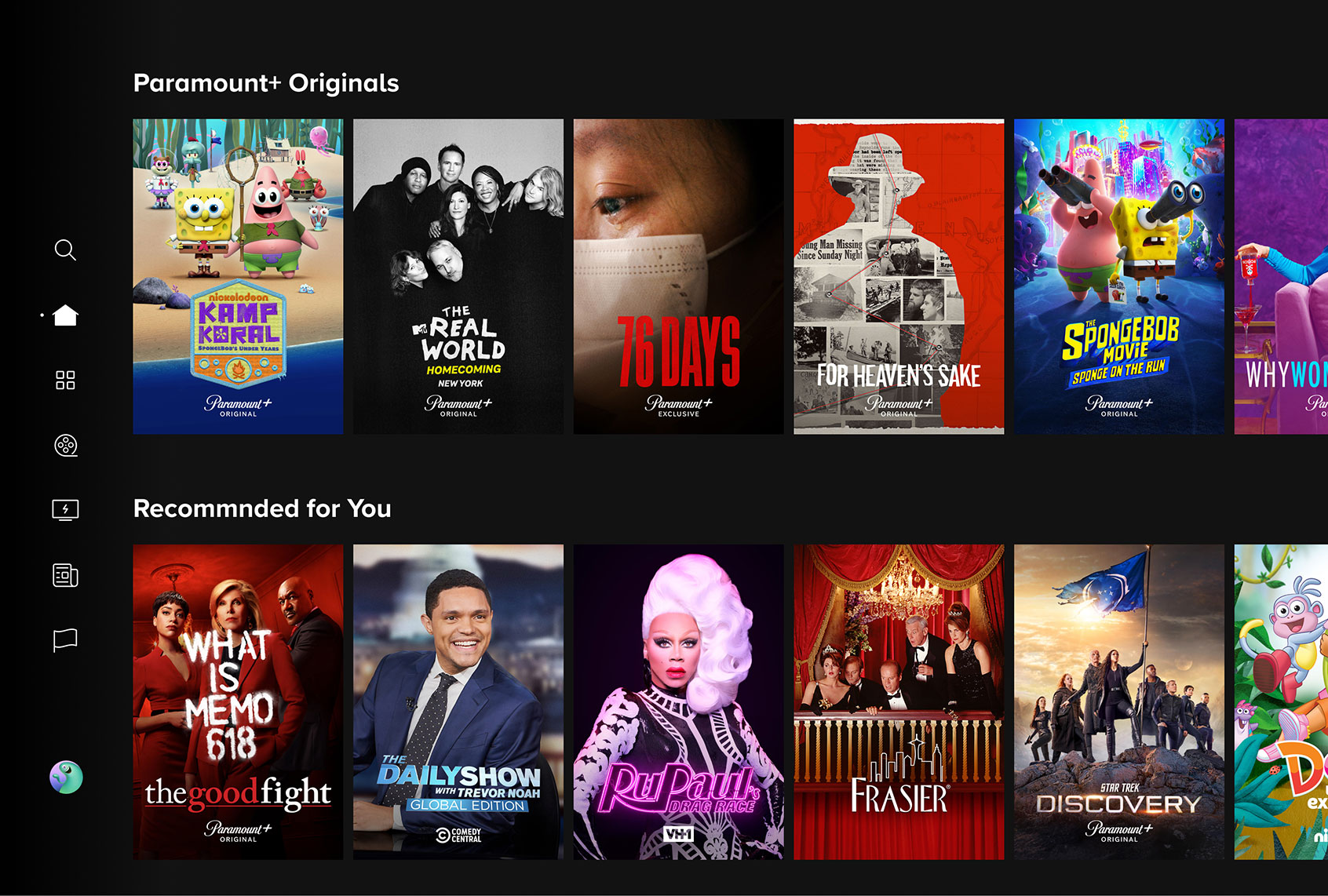
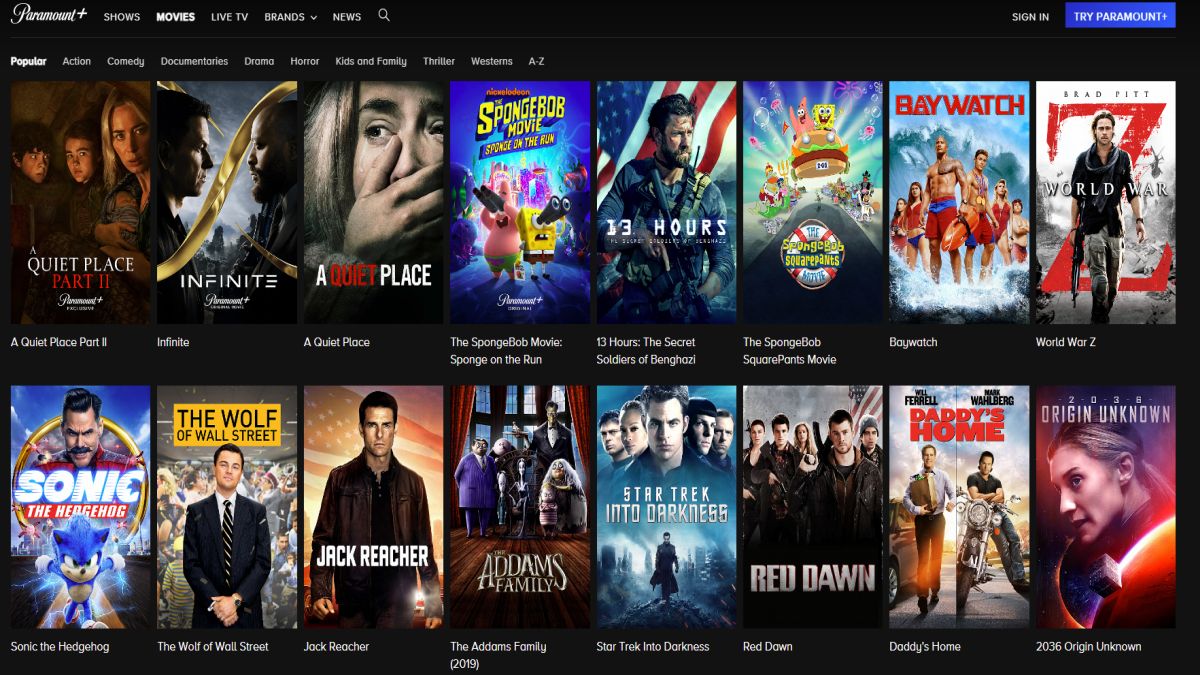
A streaming platform’s success is often determined by its discoverability—the ease with which a user can find something to watch. Paramount+ utilizes a sophisticated UI/UX strategy that balances a traditional “grid” layout with dynamic, personalized elements.
Personalization and Algorithmic Recommendations
At the heart of the Paramount+ experience is its recommendation engine. By analyzing viewing habits, search history, and watch time, the platform’s algorithms build a profile for each user profile. This data is processed through machine learning models to curate the “For You” sections and hero carousels.
Unlike simpler recommendation systems, the technology behind Paramount+ must account for a diverse range of genres, from live sports to children’s programming and cinematic features. The algorithm weighs recent activity more heavily while also factoring in global trends and editorial picks. This hybrid approach—combining data-driven insights with human curation—helps solve the “paradox of choice” that often plagues digital catalogs.
Cross-Platform Synchronization and Cloud Saves
The modern viewer often starts a movie on a commute using a mobile device and finishes it on a living room TV. Paramount+ manages this through robust cloud-save functionality. Every time a user pauses a video, the exact timestamp is recorded and synced to the cloud.
This synchronization extends to user settings, watchlists, and parental controls. From a tech perspective, this requires a highly synchronized database that can handle millions of read/write operations per second with minimal latency. The result is a frictionless “continue watching” feature that is essential for maintaining user engagement in a multi-device world.
Technical Specifications and Performance Metrics
For tech enthusiasts and audiophiles, what is on Paramount+ is defined by the quality of the stream. The platform has made significant strides in supporting high-end audiovisual standards, positioning itself as a premium choice for home theater setups.
Resolution Standards: 4K UHD, HDR10, and Dolby Vision

Paramount+ offers a significant portion of its library, particularly its original series and blockbuster films, in 4K Ultra High Definition (UHD). However, resolution is only part of the equation. The platform also supports High Dynamic Range (HDR) formats, specifically HDR10 and Dolby Vision.
HDR technology allows for a wider color gamut and higher contrast ratios, meaning the blacks are deeper and the highlights are brighter. Implementing Dolby Vision requires specific licensing and a more complex encoding process, as it includes dynamic metadata that instructs the TV on how to adjust the picture frame-by-frame. For the end-user, this results in a more cinematic experience that rivals physical media.
Audio Fidelity: The Role of Dolby Atmos
On the audio side, Paramount+ supports Dolby Atmos on compatible titles. Unlike traditional surround sound, which is channel-based, Dolby Atmos is object-based. This allows sound engineers to place audio “objects” in a three-dimensional space, providing an immersive experience where sound can seem to come from above or behind the viewer.
To deliver Atmos over the internet, Paramount+ uses the Dolby Digital Plus codec. This provides a balance between high-fidelity sound and data efficiency, ensuring that users with slower internet connections can still enjoy enhanced audio without constant buffering.
Bandwidth Optimization and Adaptive Bitrate Streaming
Delivering 4K video with Dolby Atmos requires a massive amount of data. To prevent buffering, Paramount+ utilizes Adaptive Bitrate Streaming (ABS). This technology monitors the user’s internet connection in real-time and adjusts the video quality accordingly.
If the connection dips, the player switches to a lower bitrate stream to keep the playback smooth. As the connection stabilizes, the quality ramps back up. This is achieved through the use of Content Delivery Networks (CDNs), which cache video data on servers located geographically close to the user, reducing the distance data must travel and minimizing latency.
Subscription Tiers and Integration Strategies
The business technology of Paramount+ is as complex as its playback engine. The service operates on a multi-tiered model that integrates various types of content, from on-demand video to live linear television.
The Essential vs. Paramount+ with SHOWTIME Tiers
The platform offers two primary tiers: the ad-supported “Essential” plan and the ad-free “Paramount+ with SHOWTIME” plan. From a technical standpoint, the Essential plan requires a sophisticated Server-Side Ad Insertion (SSAI) system.
Instead of the app simply stopping the video to play a separate ad file—which can lead to crashes or lag—SSAI “stitches” the advertisement directly into the video stream on the server side. This creates a seamless transition between the content and the commercial, mimicking the experience of traditional broadcast television while allowing for targeted digital advertising.
Live TV Integration and Latency Management
One of the standout features of Paramount+ is the integration of live local CBS stations and live sports (such as the UEFA Champions League and NFL). Streaming live content introduces the challenge of “glass-to-glass” latency—the delay between when an event happens and when it appears on the screen.
Paramount+ uses low-latency streaming protocols to minimize this gap. While streaming will always be a few seconds behind a traditional cable signal, the platform has optimized its encoding pipeline to ensure sports fans are not alerted to scores by social media notifications before they see the play happen on their screens.
Future Trends in Streaming Technology
As we look toward the future of what is on Paramount+, several emerging technologies are poised to reshape the platform. The integration of generative AI and the expansion into more interactive forms of media are already on the horizon.
AI-Driven Content Curation
Beyond simple recommendations, AI is being explored for more advanced tasks like automated subtitling and dubbing. Using natural language processing (NLP), Paramount+ can potentially offer more accurate and faster translations for its global audience. Furthermore, AI-driven video encoding is becoming a reality, where algorithms analyze every frame to determine the most efficient way to compress the video without losing visual quality.
Interactive Media and The Road Ahead
With the rise of “smart” interfaces, there is potential for more interactive elements within the streaming app. This could include real-time sports statistics overlays, “X-ray” features that provide actor bios and trivia during a scene, or even gamified content.
Paramount+ continues to invest in its technical infrastructure to support these innovations. By maintaining a focus on high-performance software, robust cloud backend, and cutting-edge audiovisual standards, the platform ensures that it remains a top-tier contender in the digital age. For the modern user, Paramount+ is more than a collection of shows; it is a sophisticated digital gateway that represents the current state-of-the-art in streaming technology.
aViewFromTheCave is a participant in the Amazon Services LLC Associates Program, an affiliate advertising program designed to provide a means for sites to earn advertising fees by advertising and linking to Amazon.com. Amazon, the Amazon logo, AmazonSupply, and the AmazonSupply logo are trademarks of Amazon.com, Inc. or its affiliates. As an Amazon Associate we earn affiliate commissions from qualifying purchases.