
Creating a budget is often perceived as an act of restriction—a financial straightjacket designed to curb enjoyment and enforce a life of frugality. However, in the realm of personal finance, a budget is actually a blueprint for freedom. It is the tactical map that allows individuals to move from a state of reactive spending to a position of proactive wealth building. But before one can dive into complex spreadsheets or automated apps, a fundamental question must be answered: What is the first step in creating a budget?
While many might assume the process begins with cutting expenses or choosing a software tool, the actual first step is far more analytical. The first step in creating a meaningful, sustainable budget is a comprehensive audit of your current financial reality through meticulous expense tracking. You cannot plan a journey to a new destination without first identifying exactly where you are standing on the map.
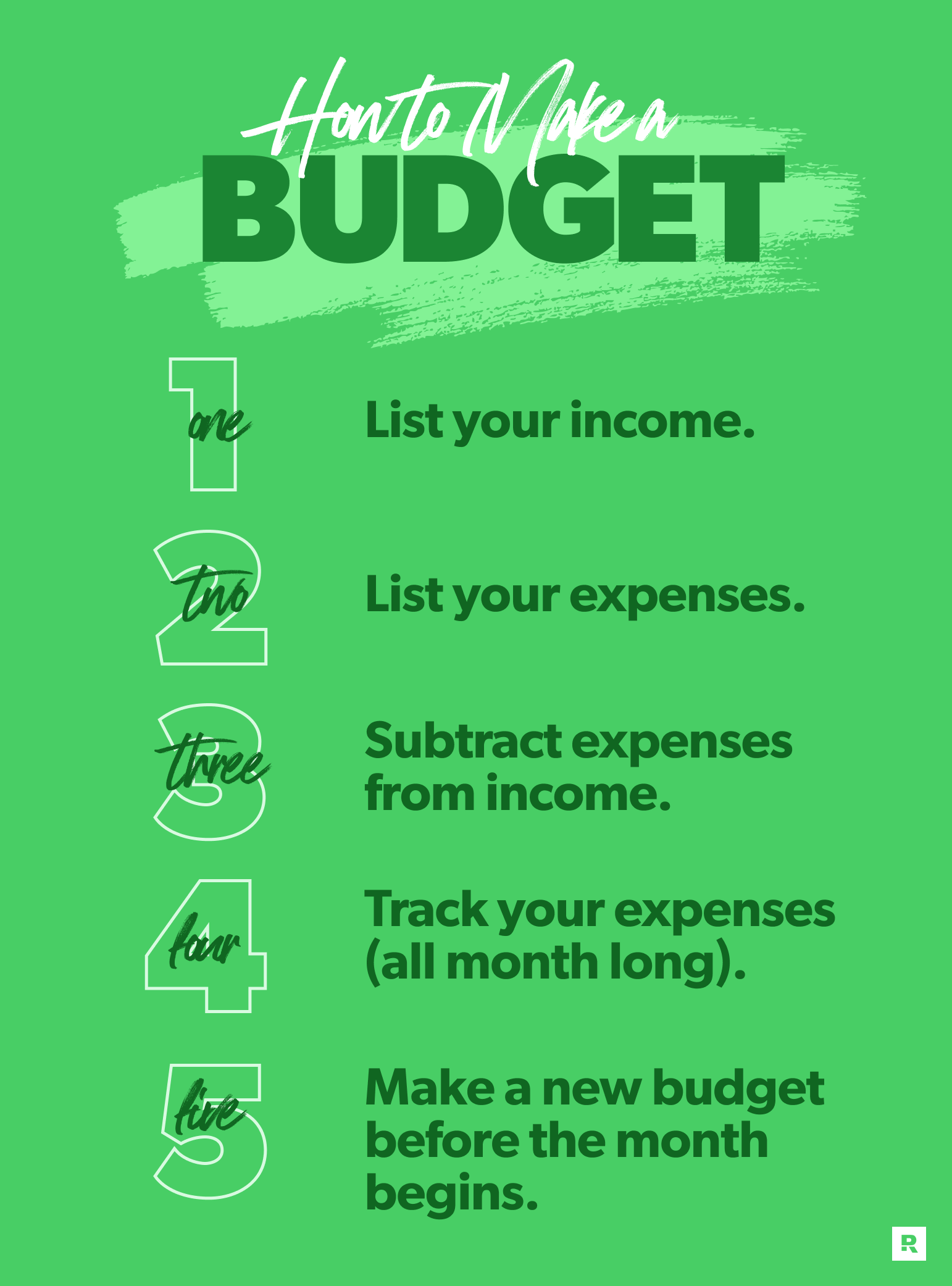
The Foundation: Tracking Your Current Reality
The primary reason most budgets fail within the first three months is that they are built on aspirations rather than evidence. Individuals often set “ideal” spending limits based on what they think they should spend, rather than what they actually do spend. This creates an immediate friction between the budget and the person’s established lifestyle habits.
Identifying the Discrepancy Between Perception and Reality
The first step—tracking every single cent for at least thirty days—serves as a “financial mirror.” Most people suffer from “lifestyle creep” or “invisible spending,” where small, recurring purchases (subscriptions, daily coffees, convenience fees) aggregate into significant monthly outflows. By recording every transaction, you eliminate the guesswork. This audit reveals the gap between your perceived financial behavior and your actual behavior.
Without this data, a budget is merely a wish list. With this data, a budget becomes a strategic tool. This period of observation allows you to see the “leaks” in your bucket before you attempt to pour more water into it. It is not about judging the purchases during this phase; it is about documenting them with clinical objectivity.
Categorizing the Outflow
Once the data is collected, the next phase of this first step involves categorization. You must distinguish between fixed expenses—those that remain constant such as rent, mortgage, or insurance premiums—and variable expenses, such as groceries, entertainment, and dining out.
The value in this exercise lies in identifying “discretionary” spending. When you realize that 25% of your income is going toward non-essential variable costs, you gain the leverage needed to make informed decisions. This categorization provides the raw materials required to construct a budget that is both realistic and effective.
Aligning Capital with Values: The Goal-Setting Phase
Once the audit is complete, the focus shifts from where the money went to where you want it to go. A budget without a purpose is difficult to maintain. Therefore, the immediate follow-up to tracking expenses is the definition of clear financial objectives. Your budget is essentially a physical manifestation of your priorities.
The Power of “The Why”
Psychologically, it is difficult to say “no” to a current impulse unless you are saying a bigger “yes” to a future goal. Whether the goal is becoming debt-free, saving for a down payment on a home, or building a portfolio for early retirement, these objectives provide the motivation necessary to stick to the constraints of a budget.
In this phase, you must rank your financial priorities. If your primary value is security, your budget should prioritize an emergency fund. If your value is growth, it should prioritize investment contributions. A common mistake is trying to fund too many goals at once, which dilutes the impact of your capital. By choosing one or two primary focuses, you ensure that your budget is an engine for progress rather than just a record of survival.
Distinguishing Between Needs and Wants
The “Goal-Setting Phase” forces a hard look at the “50/30/20” rule or similar frameworks. This is where you decide what percentage of your income constitutes a “need” (survival) versus a “want” (lifestyle). By defining these terms clearly at the outset, you prevent the common trap of justifying luxury items as necessities during moments of high stress or emotional spending.

Selecting a Budgeting Methodology
With your data in hand and your goals defined, the next step is choosing the structural framework that will house your budget. Not all budgeting styles work for every personality or income type. Selecting the wrong method can lead to burnout or neglect.
Zero-Based Budgeting
Popularized by various financial experts, zero-based budgeting is the practice of “giving every dollar a job.” At the beginning of the month, your income minus your expenses (including savings and debt payments) should equal zero. This method is highly effective for those who want total control and are willing to be granular with their tracking. It leaves no room for “mystery spending,” as every cent is assigned to a category before the month begins.
The 50/30/20 Rule
For those who prefer a more high-level approach, the 50/30/20 rule is a standard benchmark. It suggests allocating 50% of your take-home pay to needs, 30% to wants, and 20% to savings and debt repayment. This is an excellent “entry-level” framework because it simplifies decision-making. If your “needs” exceed 50%, you know immediately that you either have an income problem or a lifestyle problem that must be addressed by downsizing or increasing your earnings.
The “Pay Yourself First” Model
Also known as the “Anti-Budget,” this method focuses exclusively on the savings rate. You decide on a set amount to save or invest as soon as your paycheck arrives. Once that obligation is met and your fixed bills are paid, you are free to spend the remainder of your money however you choose. This works best for individuals who have high self-discipline and want to avoid the tediousness of tracking every individual transaction, provided their primary financial goals are consistently being met.
Implementation and the Role of Financial Tools
The final component of the initial budgeting process is the transition from theory to practice. This involves selecting the tools that will facilitate your new financial habit and setting up systems to ensure consistency.
Software vs. Manual Tracking
In the modern era, technology offers a significant advantage. Tools like YNAB (You Need A Budget), Mint, or specialized bank features can automate the aggregation of transactions. However, there is a distinct psychological advantage to manual tracking, especially for beginners. The act of physically writing down a purchase or entering it into a spreadsheet creates a “friction” that makes you more mindful of your spending habits.
If you choose a digital tool, ensure it aligns with your selected methodology. Some apps are better for zero-based budgeting, while others excel at simple expense tracking or investment monitoring. The best tool is not the one with the most features, but the one you will actually use every day.
Accounting for Irregular Expenses
A common pitfall in the first month of budgeting is forgetting “sinking funds”—those expenses that don’t happen monthly but are inevitable. This includes car registrations, annual insurance premiums, holiday gifts, and home maintenance.
The final part of the first step is looking ahead at the next twelve months and identifying these irregular costs. By dividing the total annual cost of these items by twelve and including that amount in your monthly budget, you prevent “emergencies” from derailing your financial plan. You are essentially smoothing out your cash flow so that no single month feels like a financial crisis.
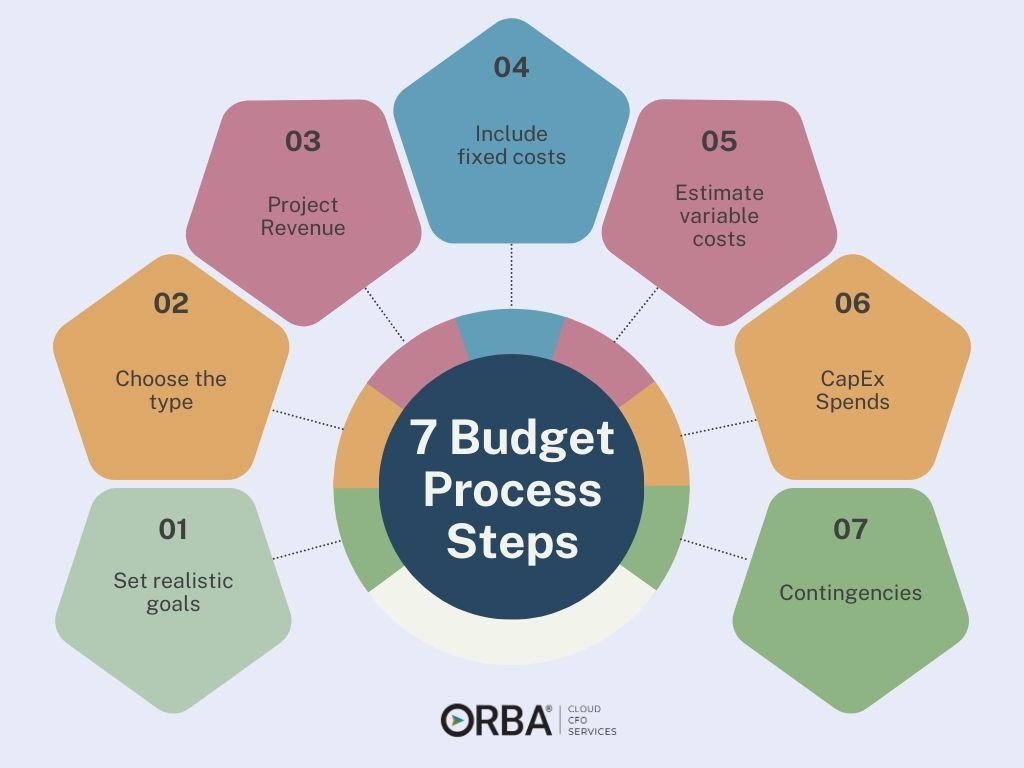
Conclusion: The Lifecycle of a Budget
Ultimately, the first step in creating a budget—the audit of your reality—is not a one-time event but the beginning of a recursive process. A budget is a living document. It should be reviewed at the end of every month to see where the projections met reality and where they diverged.
By starting with a clear-eyed assessment of your current spending, setting goals that reflect your personal values, and choosing a framework that fits your lifestyle, you transform the budget from a tool of restriction into a tool of empowerment. It provides the clarity needed to make the difficult trade-offs required for long-term wealth. In the world of finance, knowledge is power, but the application of that knowledge through a structured budget is the only path to true financial independence.
aViewFromTheCave is a participant in the Amazon Services LLC Associates Program, an affiliate advertising program designed to provide a means for sites to earn advertising fees by advertising and linking to Amazon.com. Amazon, the Amazon logo, AmazonSupply, and the AmazonSupply logo are trademarks of Amazon.com, Inc. or its affiliates. As an Amazon Associate we earn affiliate commissions from qualifying purchases.