
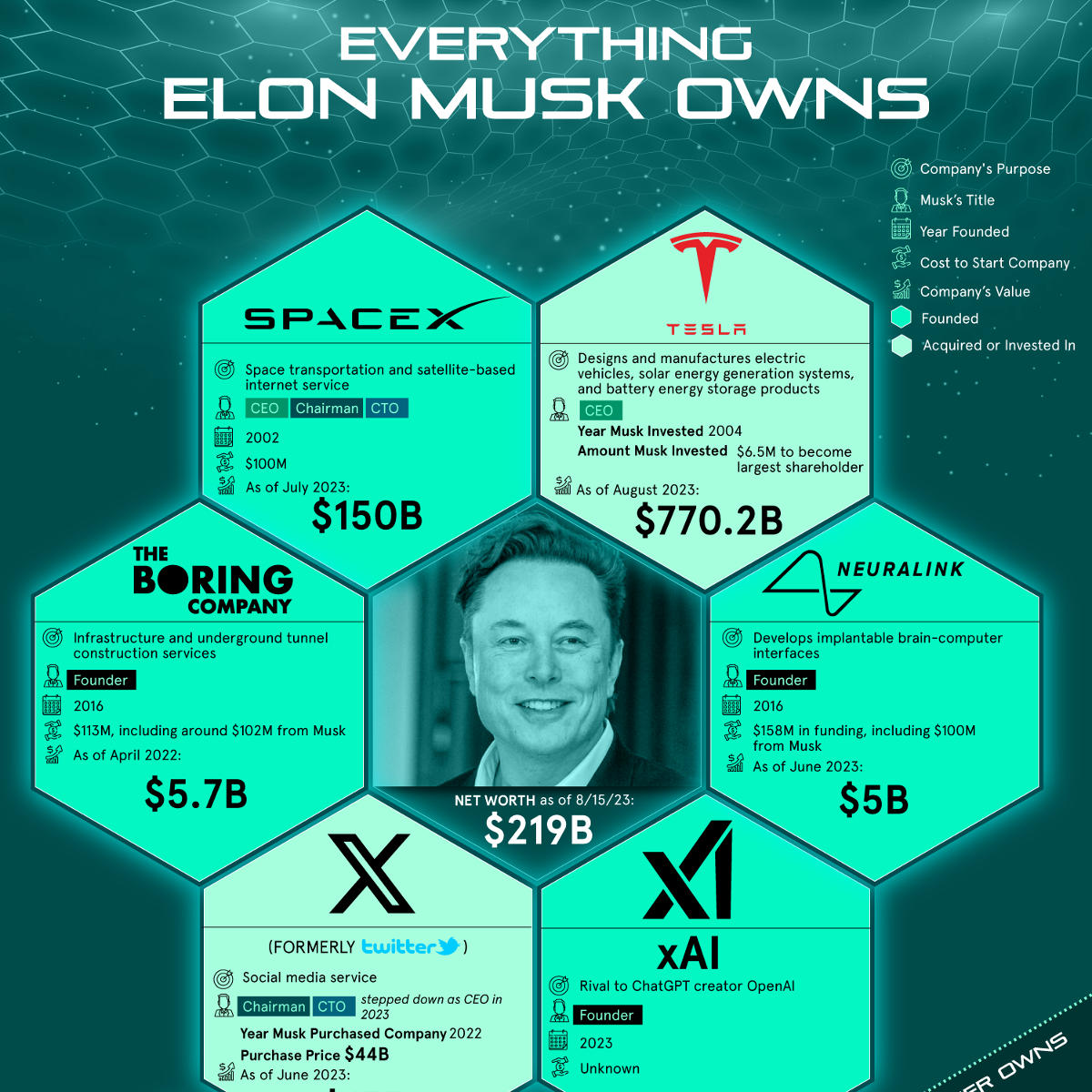
The relationship between Elon Musk and Tesla has always been more than just a CEO-company dynamic; it is a complex web of financial interdependence, visionary leadership, and massive equity stakes. As we navigate through 2025, the question of exactly how much of the electric vehicle (EV) giant Musk owns remains a focal point for institutional investors, retail traders, and financial analysts worldwide. This ownership percentage is not merely a number on a balance sheet—it represents the level of control Musk exerts over the future of artificial intelligence, robotics, and the global energy transition.

Following years of legal battles, shareholder votes, and strategic stock liquidations to fund other ventures, Musk’s ownership stake in 2025 is the result of a high-stakes tug-of-war between corporate governance and individual influence.
The Current Equity Landscape: Breaking Down the Percentages
As of early 2025, Elon Musk’s ownership in Tesla fluctuates between 13% and 21%, depending on how one accounts for unexercised stock options and the legal status of his historical compensation packages. To understand the “Money” aspect of this ownership, we must look at the distinction between direct share ownership and the monumental 2018 CEO Performance Award.
Direct Ownership and Institutional Comparisons
Musk currently holds approximately 411 million shares of Tesla common stock directly. This represents roughly 13% of the company’s total outstanding shares. For context, this makes him the largest individual shareholder by a significant margin. To put this in perspective within the realm of business finance, major institutional investors like Vanguard and BlackRock typically hold between 6% and 9% of the company.
Musk’s direct ownership decreased significantly between 2022 and 2024, primarily due to his acquisition of the social media platform X (formerly Twitter). To finance that $44 billion deal, Musk liquidated tens of billions of dollars worth of Tesla stock, a move that initially rattled investors but has since stabilized as the market adjusted to the new “float” of shares.
The Role of Stock Options and the 2018 Pay Package
The difference between the 13% direct stake and the often-cited 20.5% figure lies in the stock options granted under the 2018 compensation plan. After a tumultuous legal period where a Delaware judge initially voided the $56 billion package, the 2024 shareholder re-ratification and the subsequent move of Tesla’s legal home to Texas have solidified Musk’s claim to these options.
In 2025, these options allow Musk to purchase approximately 304 million shares at a fraction of their current market price. When these options are factored into the “fully diluted” share count, Musk’s influence nears the 21% mark. This distinction is vital for investors because it dictates his voting power on critical board decisions and mergers.
The 25% Ambition: Why Control Matters in 2025
One of the most significant financial narratives of 2025 is Musk’s public demand for 25% voting control over Tesla. This isn’t just about personal wealth; it is a strategic maneuver centered on the company’s shift from an automotive manufacturer to an AI and robotics powerhouse.
Voting Power vs. Economic Interest
In the world of corporate finance, voting power and economic interest are often linked but can be structured differently. Musk has argued that without roughly 25% of the voting power, he is vulnerable to being outvoted by “activist” investors or proxy advisors who might prioritize short-term profits over long-term technological leaps like Full Self-Driving (FSD) or the Optimus humanoid robot.
From a personal finance and investing standpoint, this creates a “Key Person Risk.” Investors are betting not just on the cars, but on Musk’s specific vision. If he feels his control is insufficient to steer the company toward AI, he has hinted at developing those technologies outside of the Tesla ecosystem. This potential “brain drain” has forced the board and major shareholders to reconsider how they balance his equity stake.
The Mechanism of Reaching 25%
How does a CEO move from 20% to 25% without the company spending billions on buybacks? In 2025, the financial world is watching for new performance-based awards. These wouldn’t be “free” shares; they would be tied to massive market cap milestones—potentially aiming for a $2 trillion or $3 trillion valuation. For shareholders, this is a “pay for performance” model. If Musk doubles the company’s value, his increased ownership is seen as a fair trade-off for the massive returns provided to other investors.
Impact of the Move to Texas on Musk’s Holdings
A pivotal moment in the timeline of Musk’s 2025 ownership was the relocation of Tesla’s state of incorporation from Delaware to Texas. This move was not just symbolic; it had profound implications for his financial security and the stability of his equity.
Governance and Legal Protection
Texas corporate law is generally perceived as more management-friendly compared to the rigorous oversight of the Delaware Court of Chancery. For Musk, this shift protected his 2018 pay package from the “breach of fiduciary duty” claims that threatened his ownership percentage in 2024. By securing his stake in a more favorable legal jurisdiction, Musk has minimized the risk of a court-ordered forfeiture of his shares, which has brought a level of certainty to Tesla’s stock (TSLA) that was missing in previous years.
Tax Implications and Personal Wealth Management
While the corporate move affects the company, Musk’s personal move to a state with no income tax has allowed him to exercise options and sell shares with a significantly lower tax burden compared to California. In 2025, this liquidity allows him to reinvest in his other ventures—SpaceX, xAI, and Neuralink—without severely diluting his Tesla stake. This inter-connected ecosystem of companies creates a unique financial “moat” around Musk, where his Tesla ownership serves as the primary engine of his global net worth.
Financial Risks and the “Musk Premium”
For those engaged in personal finance and stock market investing, Musk’s ownership percentage is a double-edged sword. It provides the “Musk Premium”—the inflated valuation Tesla enjoys compared to traditional automakers—but it also introduces unique risks.
Margin Loans and Liquidity
A significant portion of Musk’s wealth is “paper wealth.” To fund his lifestyle and other business ventures without selling shares and triggering capital gains taxes, Musk has historically used his Tesla shares as collateral for margin loans. In 2025, banks and lenders monitor his ownership levels closely. If the stock price were to experience a severe downturn, the risk of a “margin call” (where Musk would be forced to sell shares to cover loans) could create a downward spiral for the stock. This is why his maintaining a stake above 15% is often viewed as a psychological floor for the market.
Institutional Sentiment and ESG
Large pension funds and ESG (Environmental, Social, and Governance) focused investors often express concern over concentrated ownership. In 2025, as Tesla matures into a “Magnificent Seven” staple, the pressure for a more independent board and a less dominant CEO stake remains. However, the financial reality is that Tesla’s most profitable segments—software licensing and energy storage—are so closely tied to Musk’s personal brand that many investors view his high ownership as a necessary insurance policy for innovation.
The Future of the Stake: Dilution and Growth
Looking toward the latter half of 2025 and beyond, two factors will influence whether Musk’s ownership rises or falls: capital raises and the execution of the robotaxi network.
Potential Share Dilution
If Tesla decides to raise capital for massive manufacturing expansions in new territories (such as India or Southeast Asia), the issuance of new shares would dilute all existing shareholders, including Musk. However, Tesla currently maintains one of the strongest balance sheets in the industry, with significant cash reserves, making a dilutive equity raise unlikely unless a major acquisition is on the horizon.
The Trillion-Dollar Incentive
The consensus among financial analysts is that Musk’s ownership will likely stay within the 20% range through 2025, unless a new incentive plan is triggered by the commercial success of Optimus or the wide-scale rollout of the Robotaxi fleet. If Tesla achieves the lofty financial targets set by the board, Musk could eventually climb back toward the 25% mark he desires.
In summary, Elon Musk enters 2025 with an iron grip on Tesla’s equity, hovering around 20% when accounting for his hard-earned options. For the investor, this means the “Elon Musk show” is far from over. His ownership stake remains the most significant barometer of his commitment to the company. In the high-stakes world of business finance, Musk’s Tesla holdings are not just a collection of shares; they are the fuel for a broader technological empire, ensuring that his personal financial destiny remains inextricably linked to the success of the world’s most valuable car company.
aViewFromTheCave is a participant in the Amazon Services LLC Associates Program, an affiliate advertising program designed to provide a means for sites to earn advertising fees by advertising and linking to Amazon.com. Amazon, the Amazon logo, AmazonSupply, and the AmazonSupply logo are trademarks of Amazon.com, Inc. or its affiliates. As an Amazon Associate we earn affiliate commissions from qualifying purchases.