
For many, the convenience of an Automated Teller Machine (ATM) has become an indispensable part of their financial routine. Whether it’s to grab some quick cash, check a balance, or, increasingly, to deposit funds, ATMs offer unparalleled accessibility outside of traditional banking hours. Chase, as one of the largest retail banks in the United States, provides an extensive network of ATMs, making the question of deposit limits a common query for account holders.
While the primary function of an ATM might seem straightforward, the intricacies of depositing funds – especially larger sums – involve a blend of bank policies, regulatory considerations, and the physical limitations of the machines themselves. This article will delve into the nuances of depositing at a Chase ATM, offering insights for personal finance management, understanding bank operations, and ensuring your transactions are smooth and secure.

Understanding Chase ATM Deposit Limits: The Nuances
One of the most frequently asked questions regarding ATM deposits is about hard numerical limits. The answer, surprisingly for many, is less about a fixed maximum dollar amount and more about a range of interconnected factors.
No Stated Daily Cash Deposit Limit (for Most Customers)
Contrary to popular belief, Chase, like many major financial institutions, generally does not impose a hard, stated daily dollar limit on cash deposits made by an account holder into their own account via an ATM. This means you theoretically could deposit a significant amount of cash in a single transaction, assuming the machine can physically accommodate it.
However, this lack of a hard limit doesn’t mean there are no considerations. The bank’s systems are designed to monitor transactions for unusual activity. While your deposit might be accepted, very large cash deposits can sometimes trigger internal flags for review, not necessarily because they exceed a “limit,” but because they deviate from your typical banking patterns or fall into categories that require closer scrutiny for compliance purposes. The key takeaway here is that while there might not be a published ceiling, the bank reserves the right to review and verify the source of unusually large funds.
The Role of Account Type and Relationship
The nature of your relationship with Chase can subtly influence how deposits are viewed. A long-standing customer with a consistent history of varied transactions (deposits, withdrawals, bill payments) might experience less scrutiny for a slightly larger-than-usual deposit than a brand-new account holder. Similarly, business accounts, which often have higher transaction volumes, might have an implicit tolerance for larger deposits compared to a personal checking account primarily used for everyday expenses.
It’s not about differential “limits” per se, but rather about the context and perceived risk associated with the transaction given the account’s history and purpose. A business frequently depositing cash from sales is expected to do so, whereas a personal account holder suddenly depositing tens of thousands in cash might raise an eyebrow.
Distinguishing Cash vs. Check Deposits
It’s crucial to differentiate between cash and check deposits at an ATM, as they are handled quite differently in terms of availability and potential constraints.
-
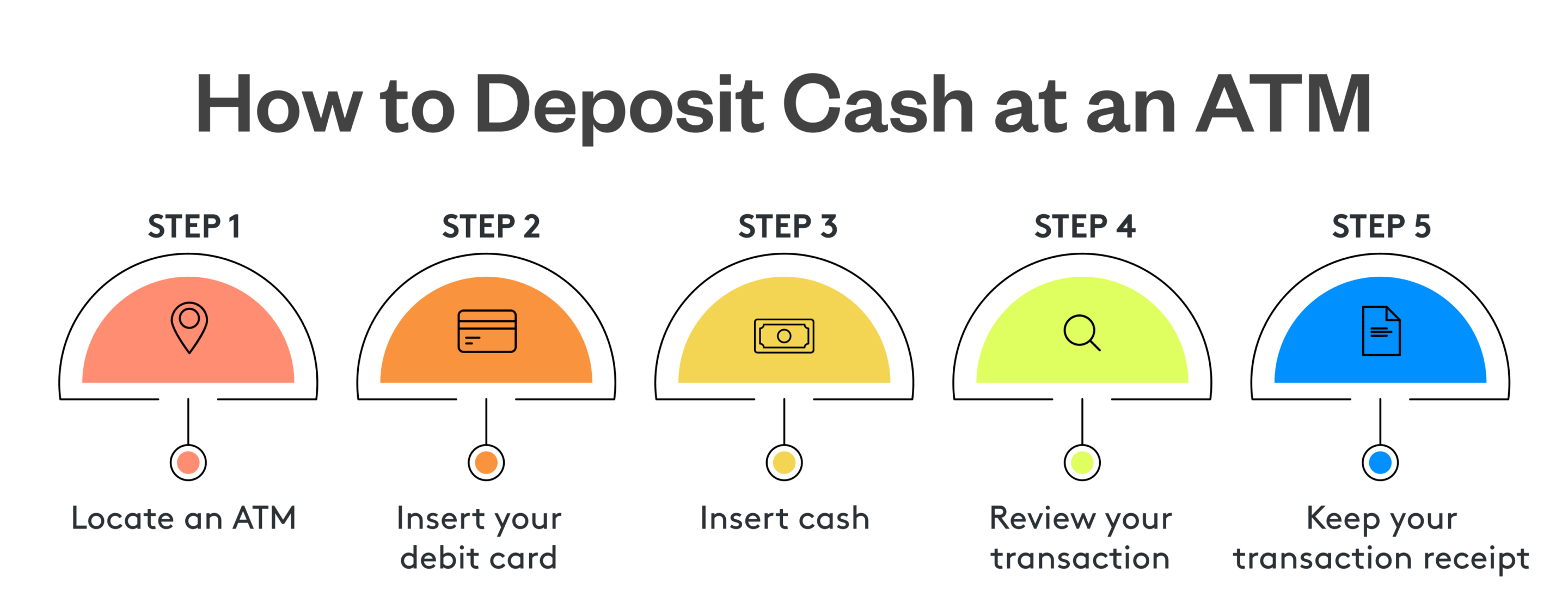
Cash Deposits: When you deposit cash, the ATM counts the bills and typically provides an on-screen confirmation and a detailed receipt. The funds are generally considered “available” much faster, often immediately or within a few hours, though the bank may still hold them for a short period for verification purposes, especially if it’s a very large sum.
-
Check Deposits: Checks, on the other hand, are subject to “funds availability” policies, which dictate how long it takes for the funds to become truly accessible. While the ATM might provide an immediate “deposit received” confirmation, the funds often aren’t fully available until the check clears, which can take 1-5 business days or even longer for larger checks or checks from out-of-state banks. Some ATMs might also have a limit on the number of checks you can deposit in a single transaction, though usually not a dollar limit for individual checks.
The IRS and Large Cash Transactions (Form 8300)
While not a direct ATM deposit limit set by Chase, it’s vital for anyone dealing with significant cash sums to understand federal regulations, particularly the Bank Secrecy Act. Financial institutions are required to report cash transactions (or series of related transactions) exceeding $10,000 to the IRS by filing a Currency Transaction Report (CTR). This is not about suspicion of wrongdoing but is a standard compliance measure to combat money laundering and other illicit activities.
It’s important to note that this threshold applies to all cash transactions, whether deposited at an ATM, over the counter, or other forms. Even if you deposit $5,000 today and another $6,000 tomorrow, these two “related” transactions totaling $11,000 would likely trigger a CTR. Understanding this regulation is a critical aspect of responsible financial management, ensuring transparency and avoiding potential misunderstandings.
Factors Influencing Your Effective Deposit Capacity
Even without a stated dollar limit, several operational and regulatory factors can influence how much you can effectively deposit at a Chase ATM. These aren’t always about outright rejection but can impact convenience, timing, and scrutiny.
ATM Machine Capacity and Operational Limits
The most tangible limitation for a large cash deposit might simply be the physical capacity of the ATM itself. Modern ATMs can accept a significant stack of bills, but they are not limitless. Each machine has a tray that can hold a certain number of bills, often several hundred. If you attempt to deposit a stack of several hundred individual dollar bills, the machine might reach its physical capacity before you reach a monetary limit. In such cases, the ATM will instruct you to deposit fewer bills or complete multiple transactions. This is a practical, rather than a policy, limitation.
Fraud Prevention and Anti-Money Laundering (AML) Measures
Banks are under strict regulatory obligations to prevent fraud and money laundering. As such, their systems are constantly monitoring transactions. An unusually large cash deposit, especially if it’s inconsistent with your account’s typical activity or quickly followed by large withdrawals, can trigger an automated flag. This doesn’t mean your deposit will be rejected, but it might lead to:
-
Delayed Availability: The bank might hold the funds for a longer period while they review the transaction.
-
Inquiry from the Bank: You might receive a call or letter from Chase asking for more information about the source of the funds.
-
Increased Scrutiny: Repeated instances of unusual activity could lead to closer monitoring of your account.
These measures are in place to protect both the bank and its customers from illicit financial activities, reinforcing the importance of transparency in your banking habits.
Availability of Funds vs. Deposit Completion
It’s a common misconception that once a deposit is made at an ATM, the funds are immediately and fully available for use. As discussed, this is rarely the case, particularly for checks. Even for cash, while often quicker, banks might implement holds, especially for large sums, to allow for internal verification and fraud checks. Understanding Chase’s specific funds availability policy, usually outlined in your account agreement, is crucial for financial planning, especially if you need immediate access to a significant portion of your deposited funds.
Geographic Location and Branch Policies (Less Common but Possible)
While Chase operates under a unified corporate policy, slight variations in local or regional trends, particularly concerning fraud, might subtly influence how certain types of transactions are handled. However, for a major national bank like Chase, such variations are generally minimal for standard ATM deposits. The overall corporate guidelines for AML and fraud prevention are paramount across all locations.

Best Practices for Large ATM Deposits
Navigating large deposits efficiently and without hassle involves a few strategic best practices that prioritize communication and record-keeping.
Communicate with Chase Proactively
If you anticipate making an unusually large cash or check deposit via an ATM, especially if it exceeds your typical transaction patterns, it’s highly advisable to contact Chase beforehand. A brief call to customer service or a visit to a branch to inform them of the upcoming deposit can pre-emptively address any red flags. Explaining the source of funds (e.g., sale of a car, inheritance, business revenue) can smooth the process and expedite funds availability.
Consider In-Person Deposits for Significant Sums
For very large sums of cash or important checks, depositing funds inside a Chase branch with a teller offers several advantages:
-
Immediate Verification: A teller can immediately count the cash or verify the check, often providing a more comprehensive receipt.
-
Personal Interaction: You have the opportunity to ask questions, confirm funds availability, and discuss any concerns directly.
-
Reduced Risk of Machine Error: While rare, mechanical errors can occur at ATMs. Depositing with a human provides an extra layer of assurance.
-
Less Scrutiny: Large deposits made over the counter with direct interaction and explanation are generally less likely to trigger automated flags compared to anonymous ATM transactions.
Keep Detailed Records
Regardless of the deposit method, always retain your ATM receipt. These receipts serve as proof of deposit and can be vital if there are any discrepancies or issues later. For very large or unusual deposits, consider also noting the date, time, amount, and the purpose of the deposit in your personal financial records. This meticulous record-keeping is a cornerstone of sound financial management.
Understand Funds Availability Policies
Prior to making a significant deposit, especially if you need the funds quickly, familiarize yourself with Chase’s specific funds availability policy. This will help you plan your expenditures and avoid potential liquidity issues, ensuring you know exactly when your funds will be fully accessible.
Alternatives to ATM Deposits for Managing Large Sums
While ATMs offer convenience, they aren’t always the most efficient or secure method for handling very large sums of money. Several alternatives offer better solutions depending on the nature and source of the funds.
Wire Transfers
For transferring large sums between different banks or individuals, wire transfers are a highly secure and typically fast method. They involve direct bank-to-bank transfers, with funds often available the same day. While they incur fees, the security and speed can be invaluable for significant transactions like real estate closings or business payments.
ACH Transfers
Automated Clearing House (ACH) transfers are electronic funds transfers between banks. They are generally free or have very low fees and are commonly used for direct deposits (paychecks), bill payments, and person-to-person transfers. While slower than wire transfers (typically 1-3 business days), they are a cost-effective solution for recurring or non-urgent large transfers.
Cashier’s Checks and Money Orders
If you receive a large sum in the form of a cashier’s check or money order, depositing it directly at an ATM is certainly an option. However, for authenticity verification and immediate clarity, depositing these at a branch is often preferable. These instruments are generally more secure than personal checks but are still subject to funds availability holds.
Direct Deposit (for Income)
For income streams like salaries, pensions, or government benefits, direct deposit is the most seamless and secure method. Funds are electronically transferred directly into your account, eliminating the need for physical checks or cash deposits and ensuring consistent, timely access to your money.
Financial Implications and Planning for Large Deposits
The act of depositing money is just one step in a broader financial journey. When dealing with significant sums, it’s crucial to consider the broader financial implications and integrate them into your overall planning.
Budgeting and Cash Flow Management
A large deposit can significantly impact your cash flow. It’s an opportune moment to review your budget, allocate funds strategically, and ensure that this influx aligns with your financial goals. Whether it’s to cover upcoming large expenses, pay down debt, or build an emergency fund, thoughtful allocation is key.
Savings Goals and Investment Opportunities
For many, a large deposit represents an opportunity to accelerate savings or explore investment avenues. Instead of letting a significant sum sit idle in a low-interest checking account, consider moving it to a high-yield savings account, a Certificate of Deposit (CD), or exploring investment vehicles that align with your risk tolerance and financial objectives. This proactive approach can significantly enhance your long-term wealth building.
Tax Considerations (Income vs. Gifts)
The source of a large deposit can have tax implications. If the funds represent income (e.g., from a business, sale of an asset with capital gains, or freelancing), they are likely taxable. If it’s a gift, there are specific IRS rules regarding gift tax exclusions and reporting, usually falling on the donor, not the recipient. Understanding the origin and potential tax consequences of a large deposit is vital for compliance and avoiding future issues. Consulting with a tax professional is highly recommended for significant or complex transactions.
In conclusion, while Chase ATMs generally don’t impose explicit dollar limits on deposits, the effective capacity for large sums is influenced by machine limitations, fraud prevention measures, and regulatory requirements. Proactive communication with the bank, understanding funds availability, and considering in-person deposits for substantial amounts are prudent steps. Furthermore, integrating large deposits into your broader financial plan, considering budgeting, investment, and tax implications, ensures these transactions contribute positively to your financial well-being.
aViewFromTheCave is a participant in the Amazon Services LLC Associates Program, an affiliate advertising program designed to provide a means for sites to earn advertising fees by advertising and linking to Amazon.com. Amazon, the Amazon logo, AmazonSupply, and the AmazonSupply logo are trademarks of Amazon.com, Inc. or its affiliates. As an Amazon Associate we earn affiliate commissions from qualifying purchases.