
The evolution of the digital economy has transformed the way consumers interact with their capital. No longer tethered to physical currency or even the plastic in their wallets, modern spenders are increasingly turning to digital payment ecosystems to manage their daily transactions. At the forefront of this shift is PayPal, a platform that has evolved from a simple peer-to-peer transfer service into a cornerstone of global personal finance. For the savvy consumer, understanding where and how to use PayPal is not just a matter of convenience; it is a strategic decision involving financial security, liquidity management, and consumer protection.

As digital wallets become the standard, the question of “where can I pay by PayPal” expands into a broader conversation about the accessibility of one’s funds and the integration of financial tools into the modern lifestyle. From global retail giants to niche service providers, the PayPal logo has become a badge of transactional trust.
The Global Retail Landscape: Major Players and Marketplaces
The primary arena for PayPal usage remains the vast world of e-commerce. Because PayPal acts as a bridge between a user’s bank account and a merchant’s checkout, it has become the preferred method for millions who wish to keep their sensitive financial data centralized in one secure location.
Major E-commerce Giants and Department Stores
While the list of merchants accepting PayPal is near-infinite, several major pillars of the retail world anchor the ecosystem. Historically, eBay was the most prominent partner, but the platform’s reach now extends to major players like Walmart (online), Target, and Best Buy. These retailers recognize that offering a digital wallet option reduces checkout friction, which is a critical component of consumer behavior. When you shop at these high-volume retailers, PayPal allows for a “one-click” experience that bypasses the need to manually enter sixteen-digit card numbers and billing addresses, effectively streamlining the personal budgeting process.
Travel and Hospitality
In the realm of personal finance, travel represents one of the largest discretionary expenses. Fortunately, the travel industry has leaned heavily into PayPal integration. Major airlines such as Delta, United, and Southwest, along with booking platforms like Expedia and Airbnb, allow users to fund their adventures through their PayPal balances or linked accounts. This is particularly advantageous for travelers who maintain a “travel fund” within their PayPal account, allowing them to segregate their vacation spending from their primary checking account for better financial oversight.
Digital Goods and Subscription Services
The subscription economy—encompassing everything from streaming services like Netflix and Hulu to software suites like Adobe and Microsoft—has also embraced PayPal. For the consumer, using PayPal for recurring billing offers a centralized dashboard to monitor and cancel subscriptions. This visibility is a vital tool for preventing “subscription creep,” where small monthly fees go unnoticed and erode one’s monthly savings.
Integrating PayPal into Your Personal Finance Strategy
Beyond the simple act of purchasing, using PayPal serves as a strategic move in personal financial management. The platform offers several tools that allow users to leverage their credit, manage cash flow, and protect their assets in ways that traditional banking often fails to match.
Leveraging “Pay in 4” and Monthly Installments
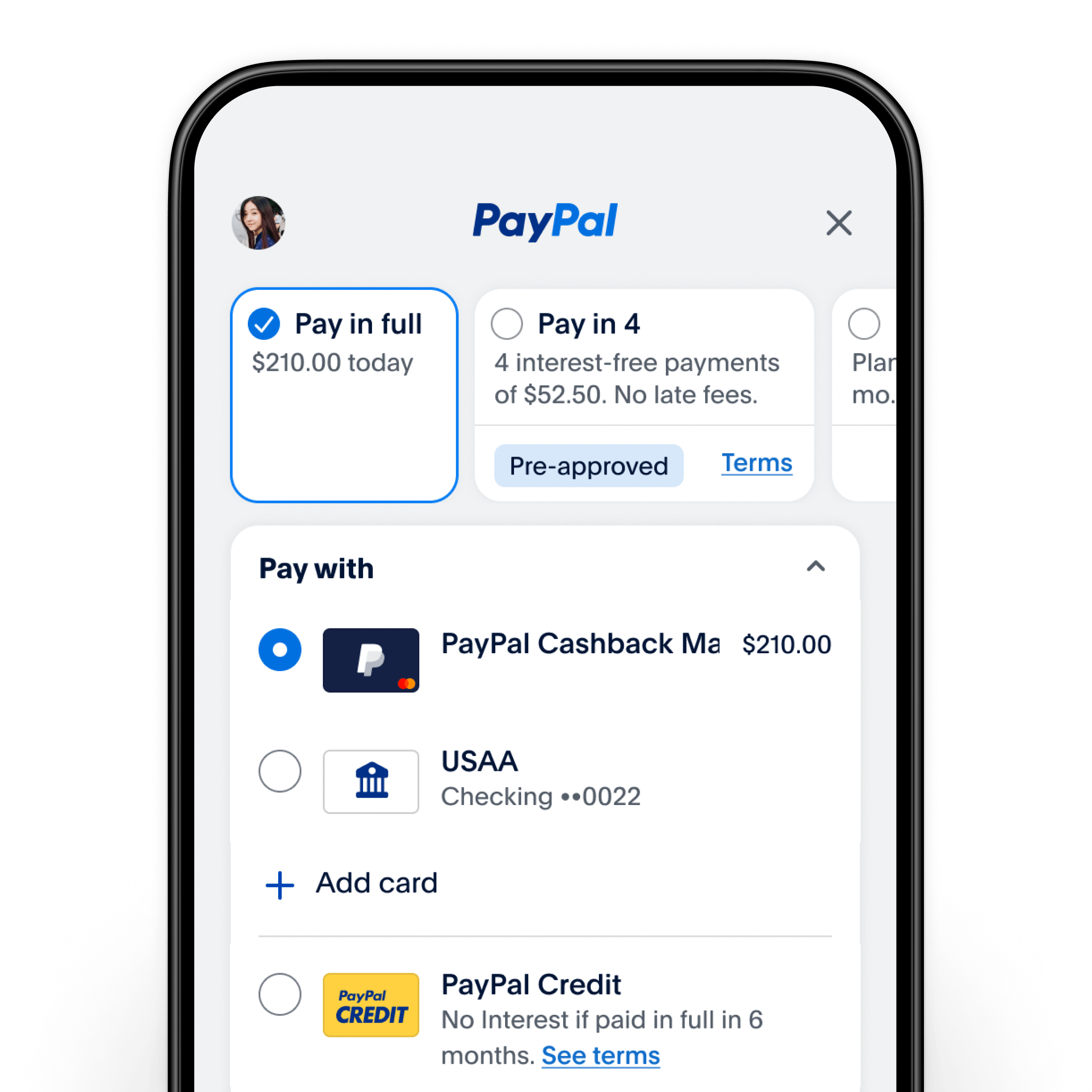
One of the most significant shifts in the digital payment landscape is the rise of “Buy Now, Pay Later” (BNPL) services. PayPal’s “Pay in 4” feature allows consumers to split a purchase into four interest-free payments. From a financial perspective, this can be a powerful tool for maintaining liquidity. Instead of a single $400 outflow, a user can manage four $100 payments over six weeks, keeping more cash on hand for emergencies or high-yield savings. However, professional financial management requires that these tools be used responsibly to avoid over-leveraging one’s future income.
Double-Dipping on Rewards and Cash Back
A common strategy among credit card enthusiasts is “double-dipping.” By linking a rewards-heavy credit card to a PayPal account, a user can often earn their standard card points while also taking advantage of PayPal-specific merchant discounts or the PayPal Cashback Mastercard. During certain quarters, many major credit card issuers offer 5% cash back specifically for purchases made through PayPal. Understanding these cycles allows a consumer to maximize the velocity of their money, turning standard expenses into a source of passive income.

The Role of Purchase Protection
The financial value of PayPal is not just in the ease of spending, but in the insurance it provides. PayPal’s Purchase Protection is a cornerstone of digital consumer finance. If a merchant fails to deliver a product or if the item is significantly different from its description, PayPal acts as a mediator to recoup the funds. For high-ticket items or purchases from international vendors, this layer of protection acts as a free insurance policy, safeguarding the user’s capital from fraud and merchant negligence.
The Service Economy and Peer-to-Peer Transactions
The utility of PayPal extends far beyond the “Add to Cart” button. It has become an essential tool in the service-based economy, providing a professional framework for freelancers, consultants, and service providers to receive and distribute funds.
Freelance and Professional Services
In the modern “gig economy,” PayPal serves as a primary financial hub for millions of independent contractors. Platforms like Upwork and Fiverr utilize PayPal to facilitate global payments. For a freelancer, receiving payment via PayPal offers immediate access to funds that can then be used to pay for business expenses, such as web hosting or professional software, without ever needing to transfer money to a traditional bank. This creates a closed-loop financial system that can simplify tax tracking and business accounting.
Charitable Giving and Non-Profits
Personal finance also involves the allocation of funds toward social causes. The PayPal Giving Fund has revolutionized how individuals donate to non-profits. Because PayPal covers the transaction fees for many certified charities, 100% of the user’s donation often reaches the intended cause. This transparency and efficiency make it a preferred tool for those who include philanthropy in their monthly financial planning.
Peer-to-Peer (P2P) Transfers
While Venmo (owned by PayPal) is the dominant force in casual P2P transfers in the United States, PayPal remains the gold standard for international transfers and formal “Friends and Family” payments. For individuals supporting family members abroad or splitting large household bills, the ability to send money across borders instantly is a vital component of global wealth management.
Maximizing Security and Privacy in Digital Transactions
A critical aspect of money management is the preservation of financial privacy and the mitigation of risk. Every time a consumer enters their credit card information into a new website, they are expanding their “attack surface”—the number of places where their data could be compromised in a breach.
Data Masking and Financial Privacy
When you pay by PayPal, the merchant never sees your bank account or credit card numbers. Instead, PayPal processes the transaction and sends the funds on your behalf. This “masking” of financial data is one of the most effective ways to prevent identity theft and unauthorized charges. In an era where data breaches are common, using a digital intermediary is a prudent defensive strategy for protecting one’s core financial accounts.
Two-Factor Authentication and Asset Protection
Professional financial security requires more than just a strong password. PayPal’s integration of two-factor authentication (2FA) adds a necessary layer of protection for one’s digital assets. By requiring a secondary code via an app or SMS, users can ensure that their balance and linked accounts remain secure even if their primary credentials are compromised. For those who keep significant balances in their digital wallets, these security protocols are as essential as the vault at a physical bank.
The Future of Digital Wallets in Personal Finance
As we look toward the future of money, the integration of PayPal into physical retail via QR codes and NFC technology suggests a world where the physical wallet may become obsolete. We are seeing a convergence of traditional banking, cryptocurrency, and digital payments into a single, unified interface.
The strategic consumer will continue to ask not just “where” they can pay by PayPal, but “how” using such a platform fits into their broader financial health. By utilizing the protection, credit options, and security features inherent in the PayPal ecosystem, individuals can navigate the complexities of the modern economy with greater confidence and control over their financial destiny. Whether it is through optimizing rewards, managing cash flow with installment plans, or simply protecting one’s data from the vulnerabilities of the internet, the use of PayPal represents a sophisticated approach to 21st-century money management.
aViewFromTheCave is a participant in the Amazon Services LLC Associates Program, an affiliate advertising program designed to provide a means for sites to earn advertising fees by advertising and linking to Amazon.com. Amazon, the Amazon logo, AmazonSupply, and the AmazonSupply logo are trademarks of Amazon.com, Inc. or its affiliates. As an Amazon Associate we earn affiliate commissions from qualifying purchases.