
The landscape of personal finance has undergone a seismic shift over the last decade. Bitcoin, once an obscure digital experiment, has matured into a recognized institutional asset class often referred to as “digital gold.” For the modern investor, the question is no longer whether Bitcoin has value, but rather how to integrate it into a diversified financial portfolio. Buying Bitcoin is a straightforward process, yet it requires a nuanced understanding of financial platforms, security protocols, and strategic planning. This guide provides a professional roadmap for acquiring Bitcoin while maintaining the highest standards of financial prudence.
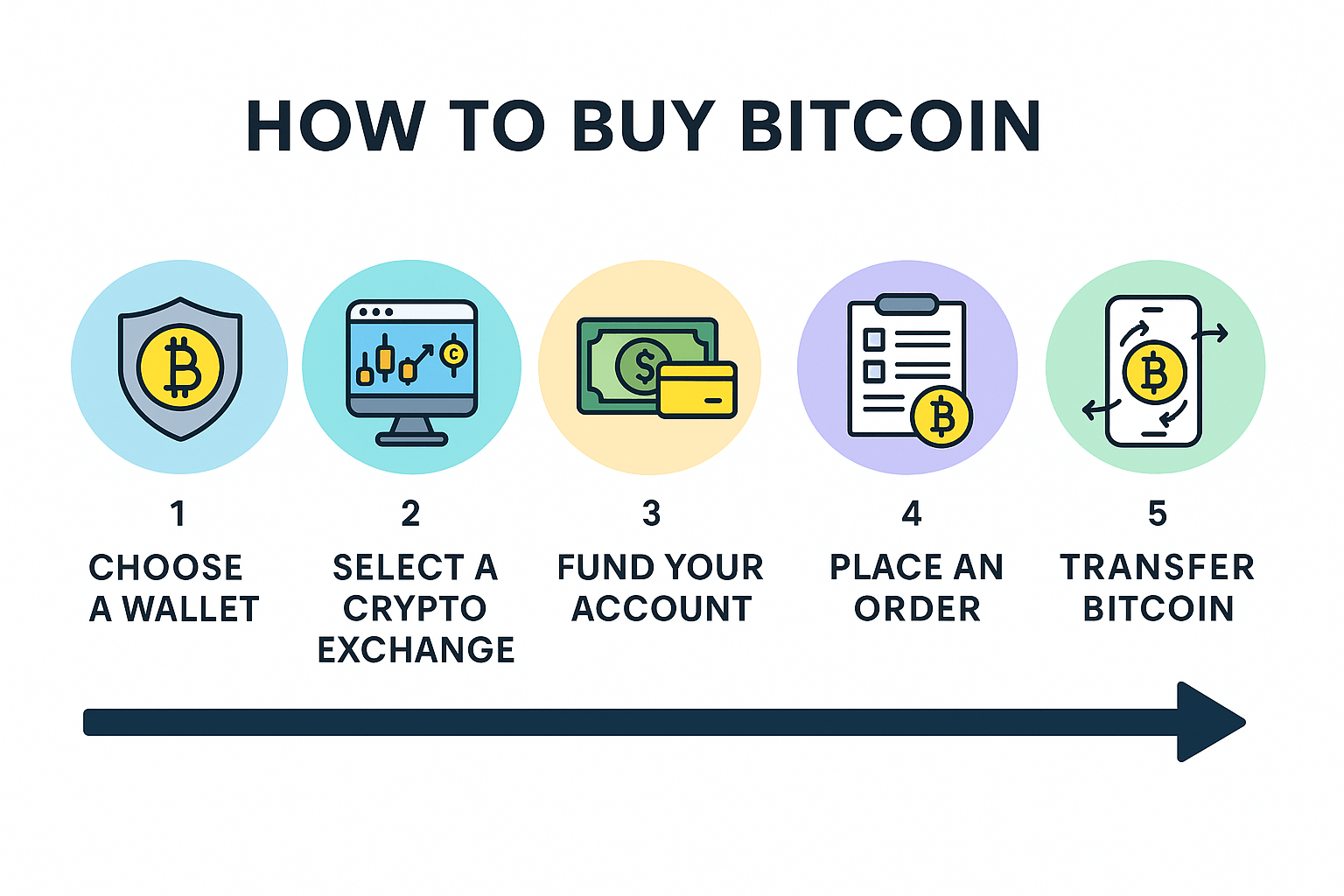
Selecting the Right Entry Point: Understanding Cryptocurrency Exchanges
The first step in purchasing Bitcoin is selecting a platform that aligns with your financial goals and risk tolerance. In the digital asset space, these platforms generally fall into three categories: centralized exchanges, decentralized exchanges, and traditional brokerage applications.
Centralized Exchanges (CEX)
Centralized exchanges are the most common entry point for newcomers. These platforms act as intermediaries, similar to a traditional stock exchange. They offer high liquidity, user-friendly interfaces, and robust customer support. Leading platforms like Coinbase, Kraken, and Gemini are regulated entities that provide a sense of security for those moving large sums of fiat currency (USD, EUR, etc.) into the crypto ecosystem. When choosing a CEX, investors should prioritize those with high “Proof of Reserves” and a clean regulatory track record.
Traditional Brokerages and Fintech Apps
For individuals who prefer to keep their investments under one roof, traditional fintech apps like Robinhood, Revolut, or PayPal have integrated Bitcoin buying features. While these platforms offer unparalleled convenience, they often come with limitations regarding “self-custody.” In many cases, you are buying a claim to the Bitcoin rather than the Bitcoin itself, which may prevent you from moving the assets to a private wallet. However, for a casual investor looking for exposure to price action without the technical overhead, these are viable options.
Peer-to-Peer (P2P) Platforms
Peer-to-peer platforms allow for the direct exchange of Bitcoin between individuals. These services act as an escrow, ensuring that the buyer receives the Bitcoin once the seller confirms receipt of payment. P2P remains popular in regions with limited banking infrastructure or for investors who prioritize certain types of privacy. However, they require a higher degree of vigilance to avoid bad actors and are generally not recommended for a first-time institutional-style purchase.
Navigating Regulatory Compliance and Financial Setup
Because Bitcoin is now deeply integrated with the global financial system, buying it requires compliance with various legal frameworks designed to prevent money laundering and fraud. This stage is where the transition from traditional money to digital capital begins.
The KYC and AML Process
Know Your Customer (KYC) and Anti-Money Laundering (AML) protocols are mandatory for any reputable exchange. To buy Bitcoin, you will typically need to provide a government-issued ID, proof of residence, and sometimes a facial recognition scan. While this may seem intrusive to those seeking the “anonymity” often associated with crypto, it is a critical safeguard. These regulations ensure that the platform remains compliant with federal laws, protecting your account from being frozen or flagged by banking institutions.
Linking Your Funding Source
Once your identity is verified, you must connect a funding source. Most investors choose between Bank Transfers (ACH or SEPA), Wire Transfers, or Debit/Credit Cards.
-
Bank Transfers: These are generally the most cost-effective method, featuring the lowest fees, though they may take 3-5 business days to clear.
-
Wire Transfers: Ideal for high-net-worth individuals moving significant capital, as they are often processed within the same day.
-
Debit/Credit Cards: While these offer instant gratification, the fees can be prohibitively high (sometimes 3-5% or more), which immediately eats into your investment’s potential ROI.
Security Infrastructure: 2FA and Beyond
Before committing capital, you must secure your account. Professional investors never rely solely on a password. Implementing Two-Factor Authentication (2FA) is non-negotiable. It is highly recommended to use an app-based authenticator (like Google Authenticator or Authy) or a physical security key (like a YubiKey) rather than SMS-based 2FA, which is vulnerable to SIM-swapping attacks.
Strategic Acquisition: Methods for Buying Bitcoin
How you buy Bitcoin is just as important as where you buy it. The market is known for its volatility, and a sophisticated investor uses specific strategies to mitigate risk and optimize their entry price.
Market Orders vs. Limit Orders
When you are ready to click “buy,” you will face a choice between a Market Order and a Limit Order.
-
Market Order: This executes your trade immediately at the current best available price. It is the simplest method but can be risky during periods of high volatility, as the “slippage” might result in a higher price than expected.
-
Limit Order: This allows you to set a specific price at which you are willing to buy. The trade only executes if the market hits that price. This is the preferred method for disciplined investors who want to avoid overpaying during market frenzies.
The Power of Dollar-Cost Averaging (DCA)
Attempting to “time the market” is a losing game for most. Instead, many successful investors employ Dollar-Cost Averaging (DCA). This involves investing a fixed amount of money at regular intervals (e.g., $200 every month) regardless of the price. Over time, this strategy smooths out volatility, as you naturally buy more Bitcoin when the price is low and less when it is high. Most major exchanges now offer automated “recurring buy” features to facilitate this passive wealth-building strategy.
Understanding Fees and Spreads
In the world of finance, nothing is free. Exchanges make money through trading fees and “spreads” (the difference between the buy and sell price). Always review the fee schedule of your chosen platform. High-volume “Pro” interfaces of standard exchanges often offer significantly lower fees than the “Simple Buy” buttons found on mobile apps. Being mindful of these costs is essential for maintaining long-term profitability.
Asset Custody: Securing Your Digital Capital
Once the purchase is complete, the Bitcoin will appear in your exchange account. However, in the cryptocurrency world, there is a common adage: “Not your keys, not your coins.” To truly own your investment, you must understand custody.
Custodial vs. Non-Custodial Storage
When you leave Bitcoin on an exchange, the exchange holds the private keys—the digital codes that authorize transactions. This is “custodial” storage. While convenient, it carries “exchange risk” (the risk of the exchange being hacked or going bankrupt). Non-custodial storage involves moving your Bitcoin to a private wallet where you, and only you, control the keys.
Cold Storage: The Gold Standard
For long-term holders and those with significant balances, hardware wallets (often called “cold storage”) are the gold standard for security. These are physical devices, such as those made by Ledger or Trezor, that keep your private keys offline and away from internet-connected hackers. Even if your computer is compromised, your Bitcoin remains safe because the transaction must be physically signed on the device.
Software Wallets (Hot Wallets)
Software wallets are applications on your phone or desktop. They offer a balance between security and accessibility, making them ideal for smaller amounts of Bitcoin that you might want to use or trade more frequently. While more secure than an exchange, they are still “hot” (connected to the internet) and require rigorous device hygiene.
Long-Term Financial Planning and Management
Purchasing Bitcoin is only the beginning of the journey. To treat it as a true financial asset, you must integrate it into your broader fiscal strategy, including tax planning and portfolio rebalancing.
Tax Obligations and Record Keeping
In most jurisdictions, Bitcoin is treated as property for tax purposes. This means every time you sell Bitcoin, or even trade it for another cryptocurrency, you trigger a capital gains event. It is imperative to keep meticulous records of your “cost basis” (the price at which you bought) and the date of every transaction. Utilizing crypto-specific tax software can automate this process, ensuring you remain compliant with the IRS or your local tax authority.
Portfolio Diversification and Risk Management
Bitcoin is a high-reward, high-risk asset. Financial advisors typically suggest that Bitcoin should represent a specific percentage of a portfolio based on an individual’s age and risk profile—often ranging from 1% to 10%. Because Bitcoin’s value can grow rapidly, it may eventually take up a larger portion of your portfolio than intended. Periodically “rebalancing”—selling some Bitcoin to buy traditional assets, or vice versa—is a hallmark of professional wealth management.

Staying Informed in a Rapidly Evolving Market
The digital asset market operates 24/7 and moves faster than traditional equity markets. Staying informed about macroeconomic trends, regulatory changes, and technological upgrades (like the Lightning Network for faster payments) is crucial. However, it is equally important to filter out the “noise” of short-term price fluctuations. By focusing on the underlying fundamentals of Bitcoin—its scarcity, decentralization, and global accessibility—investors can maintain the perspective needed to navigate this exciting financial frontier with confidence.
aViewFromTheCave is a participant in the Amazon Services LLC Associates Program, an affiliate advertising program designed to provide a means for sites to earn advertising fees by advertising and linking to Amazon.com. Amazon, the Amazon logo, AmazonSupply, and the AmazonSupply logo are trademarks of Amazon.com, Inc. or its affiliates. As an Amazon Associate we earn affiliate commissions from qualifying purchases.