
In the complex landscape of personal and business finance, few entities carry as much weight as the Internal Revenue Service (IRS). Whether you are an individual taxpayer tracking a long-awaited refund, a small business owner navigating payroll tax obligations, or a high-net-worth investor managing capital gains, at some point, you will likely ask: “What’s the IRS number?” While the question seems simple, the answer is multi-faceted. The IRS operates a massive communication infrastructure designed to handle millions of inquiries annually, and knowing which specific number to call—and how to prepare for that call—is a critical skill in modern financial management.

Direct communication with the IRS is often necessary to resolve discrepancies, clarify complex tax laws, or manage payment plans. However, calling the government’s tax collection agency is an experience often defined by long wait times and rigorous security protocols. Understanding the hierarchy of IRS contact points can save hours of frustration and ensure that your financial affairs remain in good standing.
Understanding the Primary IRS Contact Lines
The IRS does not use a single “one size fits all” phone number for every inquiry. Instead, the agency has partitioned its communication channels based on the nature of the taxpayer and the specific financial issue at hand. Navigating this directory is the first step toward efficient resolution.
Individual Taxpayer Assistance
For the vast majority of Americans, the primary point of contact is the individual tax help line. This is the general-purpose number for personal income tax questions, ranging from filing status and deductions to refund inquiries.
The primary number for individuals is 1-800-829-1040. This line operates Monday through Friday, typically from 7 a.m. to 7 p.m. local time. It is important to note that “local time” follows the time zone of the caller for residents in the contiguous United States, while those in Hawaii and Alaska follow Pacific Time. This line is designed to handle issues related to Form 1040, including credits like the Earned Income Tax Credit (EITC) or questions regarding tax-advantaged accounts like IRAs.
Business and Specialty Tax Lines
Business owners, including those operating as sole proprietorships, partnerships, or corporations, require a different level of technical assistance. Business taxes involve complex regulations regarding employment taxes, excise taxes, and various information returns.
The dedicated number for business-related inquiries is 1-800-829-4933. This line is tailored to help entrepreneurs and corporate tax officers resolve issues related to Employer Identification Numbers (EINs), corporate income tax filings, and specialized business credits. If you are a freelancer or a gig worker who has questions about estimated tax payments or Schedule C filings, this is often the most efficient channel for high-level technical guidance.
International and Specialized Support
In an increasingly globalized economy, international tax issues have become a significant focus for many investors and expatriates. The IRS maintains specific lines for those dealing with foreign income, offshore accounts, and international tax treaties.
Taxpayers living outside the United States must often use the International Taxpayer Assistance line at 1-267-941-1000 (not toll-free). Additionally, there are dedicated lines for the hearing impaired (TDD: 1-800-829-4059) and for individuals seeking information on identity theft (1-800-908-4490). By targeting the specific department relevant to your financial situation, you bypass the general queues and reach specialists with the authority to assist you.
Navigating the IRS Phone System: Professional Tips for Success
Reaching a live agent at the IRS is a feat that requires patience and strategy. During peak tax season—from late January through mid-April—the call volume can reach staggering levels, leading to “automated disconnects” when the system is overwhelmed. To manage your financial time effectively, you must approach these calls with a tactical mindset.
The Best Times to Call
The timing of your call can be the difference between a ten-minute wait and a two-hour ordeal. Data from tax professionals and the IRS itself suggest that the best times to call are early in the morning, as soon as the lines open at 7 a.m.
Generally, Tuesday, Wednesday, and Thursday are the most optimal days. Mondays are notoriously busy as callers attempt to resolve issues that accumulated over the weekend. Similarly, the weeks leading up to the April 15th filing deadline and the October extension deadline see a massive surge in volume. If your financial issue is not time-sensitive, waiting until after the April peak can lead to a much smoother experience.
Essential Documentation to Have Ready
When you finally reach an IRS representative, they will put you through a rigorous identity verification process. This is a security measure designed to protect your sensitive financial data. If you are unprepared, the agent may be forced to end the call, requiring you to start the process all over again.
Before dialing, ensure you have the following on your desk:
-
Social Security Numbers (SSN) or Individual Taxpayer Identification Numbers (ITIN) for yourself and any dependents.
-
Your birth date.
-
The prior year’s tax return and the return for the year you are calling about.
-
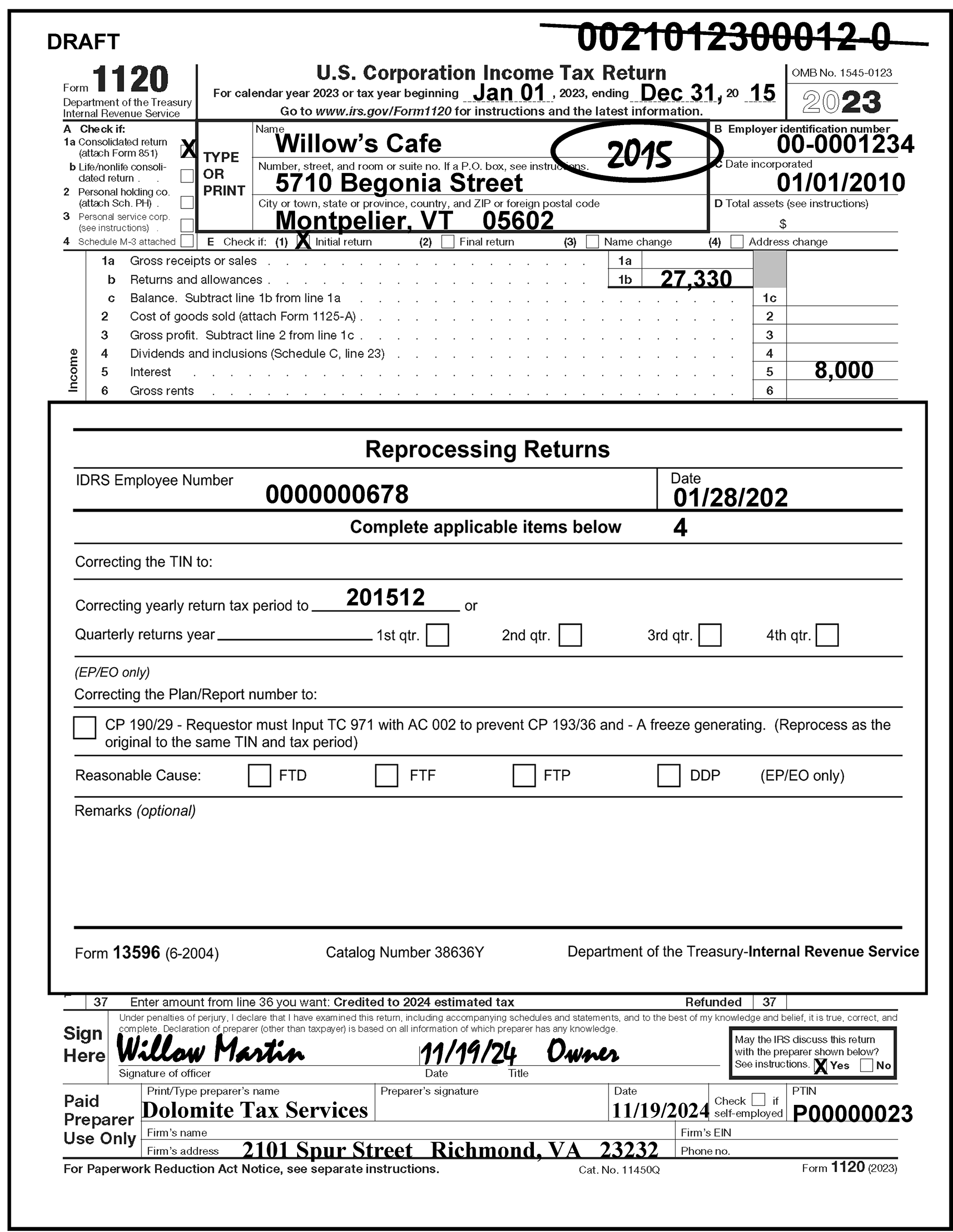
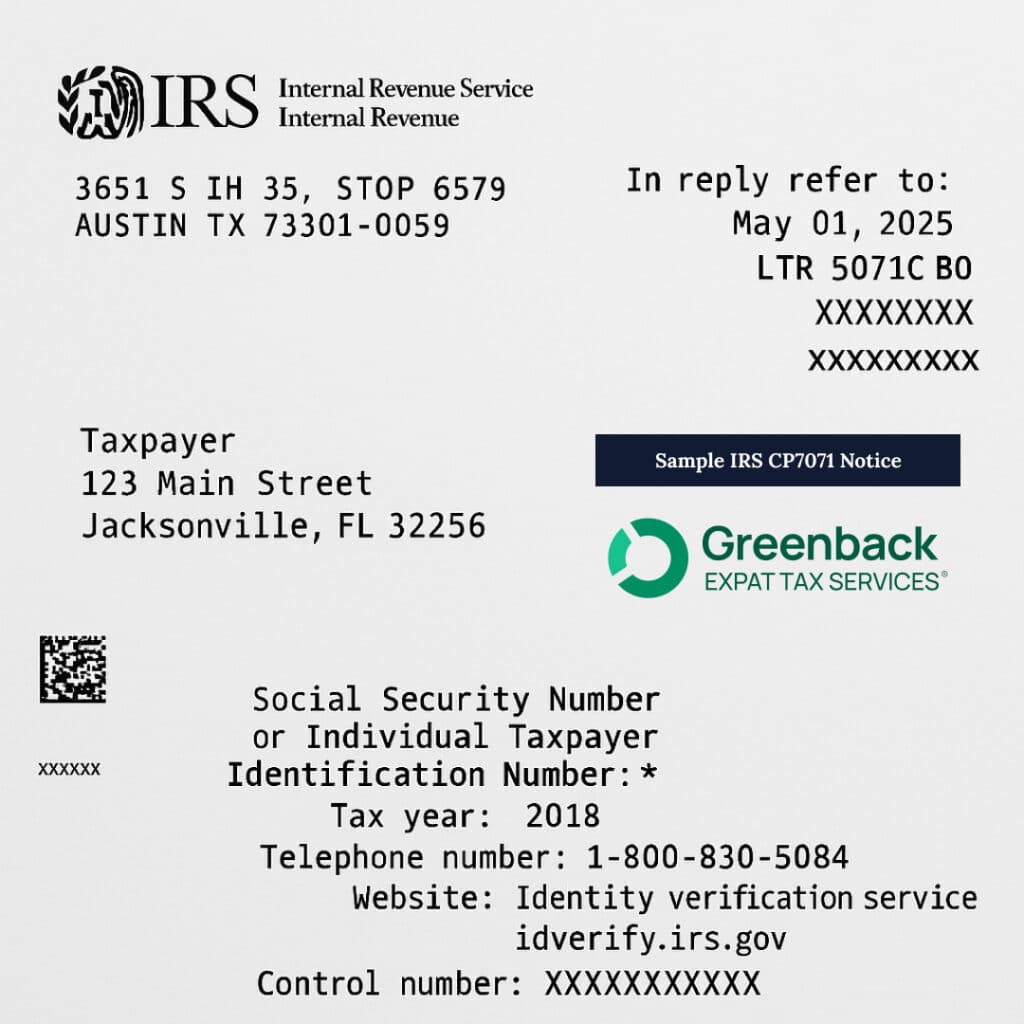
Any notices, letters, or correspondence you received from the IRS (specifically the notice number in the top right corner).
-
Form W-2s, 1099s, and any other supporting financial documents.
Professionalism is key. IRS agents are government employees handling high-stress workloads. Maintaining a calm, organized demeanor and having your paperwork ready not only speeds up the call but also ensures that the information provided is accurate and officially logged.
Digital Alternatives to the IRS Phone Number
While many people search for “the IRS number” because they want to talk to a human, the reality of modern financial management is that many issues can be resolved faster through digital tools. The IRS has invested heavily in “IRS.gov” to provide self-service options that are available 24/7.
The Power of Your Online Account
One of the most significant advancements in personal finance management is the IRS Online Account. By creating a secure profile through the IRS website, you can view the total amount you owe, your payment history, and key data from your most recent tax return.
This portal also allows you to see digital copies of certain notices and, perhaps most importantly, to set up payment plans without ever picking up the phone. For an individual trying to manage their debt-to-income ratio or clean up their financial record, the Online Account provides a level of transparency that was previously only available through a lengthy phone call.
IRS Free File and Taxpayer Portals
For those looking to file or check the status of a refund, the “Where’s My Refund?” tool and the “IRS2Go” mobile app are the gold standard. These tools pull data directly from the IRS master file, providing real-time updates on the progress of your return. In the world of personal finance, liquidity is king; knowing exactly when your refund will hit your bank account allows for better budgeting and investment planning.
Taxpayer Protection: Avoiding IRS Communication Scams
A discussion about the IRS number is incomplete without addressing the epidemic of tax-related scams. Every year, thousands of people lose millions of dollars to criminals posing as IRS agents. Understanding how the IRS communicates is a vital part of protecting your wealth.
How the IRS Really Contacts You
The IRS initiates most contact through regular mail delivered by the U.S. Postal Service. They rarely, if ever, initiate contact by phone, email, text message, or social media to request personal or financial information.
If you receive a phone call from someone claiming to be from the IRS demanding immediate payment via wire transfer, prepaid debit card, or gift card, it is a scam. The IRS does not threaten taxpayers with immediate arrest, deportation, or the revocation of a driver’s license over the phone. Official IRS agents will always provide a badge number and will allow you to verify their identity through official channels.
Identifying Red Flags in “Official” Calls
Even if a caller ID says “IRS,” it can be easily “spoofed” by scammers. If you are unsure if a call is legitimate, the safest course of action is to hang up and call the official IRS number (1-800-829-1040) directly. If you actually owe money, you can view your balance online or ask the representative on the official line to verify the notice you received. Protecting your digital security and financial assets requires a healthy dose of skepticism toward unsolicited communication.
Leveraging Professional Assistance Beyond the IRS Helpline
Sometimes, the standard IRS number isn’t enough to solve a systemic or high-stakes financial problem. In these instances, taxpayers must look toward specialized advocacy and professional representation.
Taxpayer Advocate Service (TAS)
The Taxpayer Advocate Service is an independent organization within the IRS that acts as a “voice for the taxpayer.” If you are experiencing a significant financial hardship due to a tax issue, or if you have tried to resolve a problem through normal channels without success, the TAS can intervene. You can reach the National Taxpayer Advocate at 1-877-777-4778. This service is free and is specifically designed to ensure that every taxpayer is treated fairly and understands their rights under the Taxpayer Bill of Rights.
Enrolled Agents and CPAs
For complex business finance or high-level investing strategies, relying on the IRS helpline may not provide the strategic depth required. In these cases, hiring a Certified Public Accountant (CPA) or an Enrolled Agent (EA) is a wise financial investment. These professionals have the authority to represent you before the IRS. They can call dedicated “Practitioner Priority Lines,” which are often faster and staffed by senior technicians.
By delegating IRS communication to a professional, you ensure that your financial interests are defended using a deep understanding of tax code nuances that a general IRS phone representative might not emphasize. This is a strategic move for anyone looking to optimize their tax liability and ensure long-term financial health.
Ultimately, “the IRS number” is more than just a sequence of digits; it is a gateway to the regulatory framework that governs your financial life. By knowing which number to call, preparing effectively, and utilizing digital tools, you can navigate the complexities of the tax system with confidence and precision. In the realm of money and finance, information is your most valuable asset, and knowing how to access it directly from the source is the hallmark of a savvy taxpayer.
aViewFromTheCave is a participant in the Amazon Services LLC Associates Program, an affiliate advertising program designed to provide a means for sites to earn advertising fees by advertising and linking to Amazon.com. Amazon, the Amazon logo, AmazonSupply, and the AmazonSupply logo are trademarks of Amazon.com, Inc. or its affiliates. As an Amazon Associate we earn affiliate commissions from qualifying purchases.