
Navigating the landscape of business taxation is one of the most critical responsibilities of any entrepreneur or business owner. Unlike personal income taxes, where an employer typically withholds the necessary funds, business taxes require proactive management, meticulous record-keeping, and a strategic approach to cash flow. Understanding how to pay taxes on a business involves more than just filling out forms at the end of the year; it requires a deep dive into entity structures, quarterly obligations, and the optimization of deductions to ensure the long-term financial health of the enterprise.
Understanding Your Business Entity and Tax Obligations
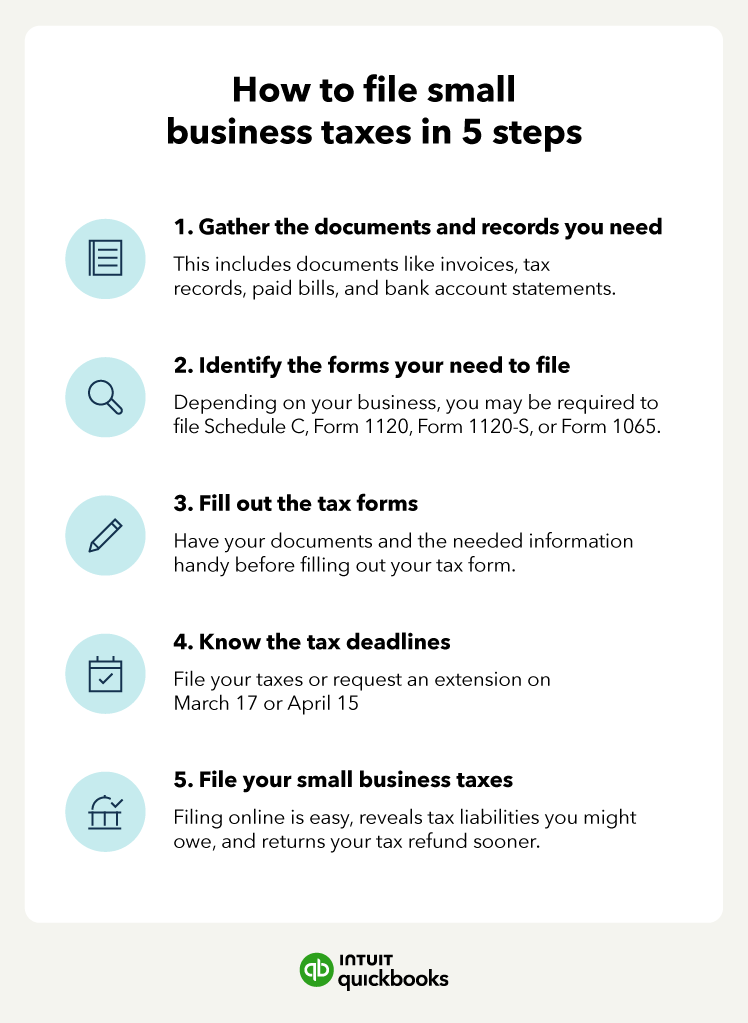
The first step in determining how you will pay your business taxes is identifying your business structure. The Internal Revenue Service (IRS) treats different entities with varying levels of complexity, and your choice of structure dictates which forms you file and how the money flows from the business to the government.
Sole Proprietorships and Single-Member LLCs
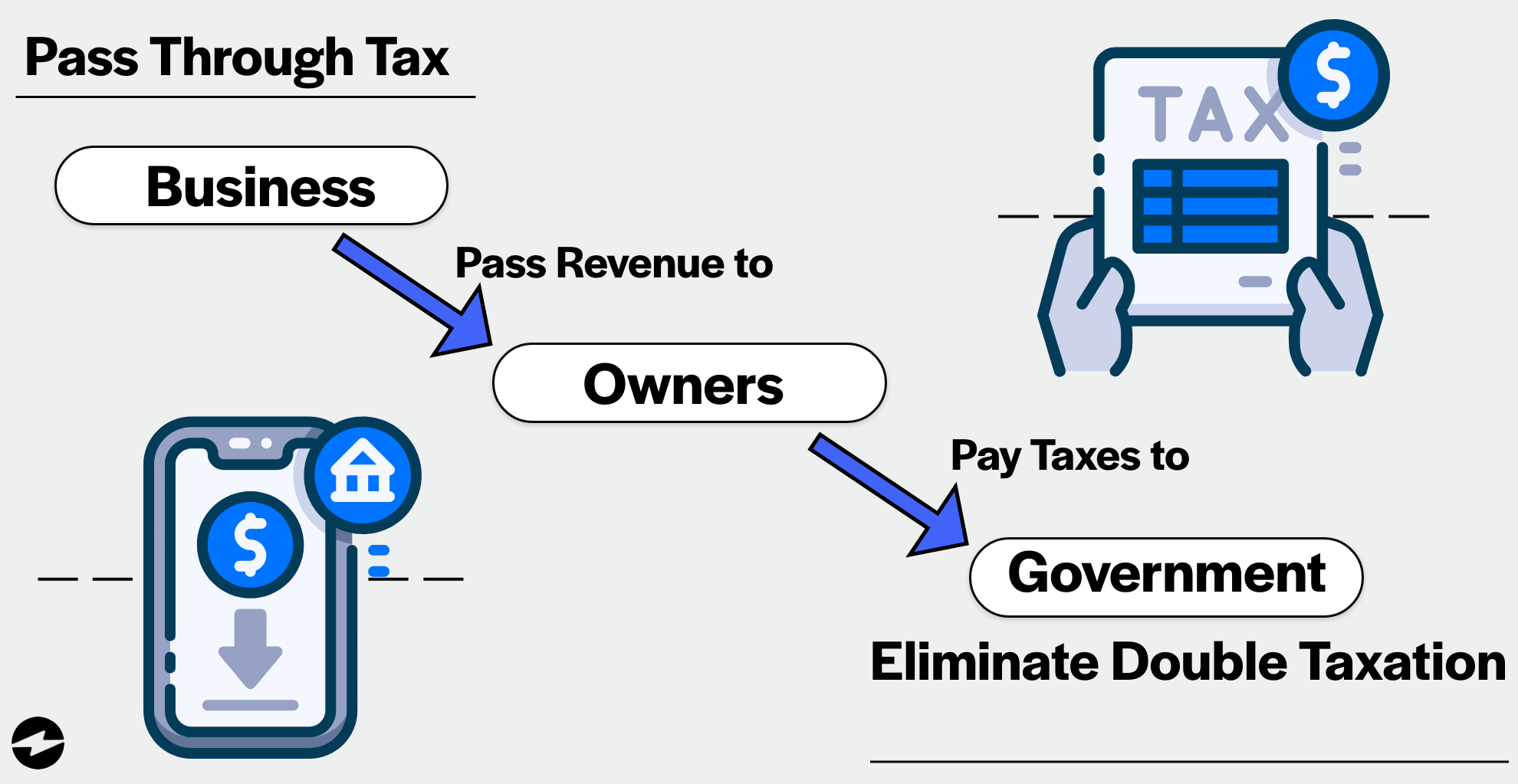
For many freelancers and small business owners, the business is an extension of the individual. In a sole proprietorship or a single-member Limited Liability Company (LLC) that has not elected to be treated as a corporation, the business is considered a “disregarded entity.” This means the business itself does not pay income tax. Instead, the profits and losses “pass through” to the owner’s personal tax return. Owners report this income on Schedule C of Form 1040. While this is the simplest method, it also means the owner is responsible for paying self-employment taxes on the full amount of the business’s net earnings.
Partnerships and Multi-Member LLCs
When a business has multiple owners, it is generally treated as a partnership for tax purposes. Like a sole proprietorship, a partnership is a pass-through entity. However, the administrative requirements are more rigorous. The partnership must file an information return (Form 1065) to report income, deductions, gains, and losses. Each partner then receives a Schedule K-1, which outlines their specific share of the profits or losses. The individual partners then include that information on their personal tax returns.
S-Corporations: Pass-Through with a Twist
The S-Corporation (S-Corp) is a popular choice for established small businesses looking to optimize their tax liability. Like a partnership, an S-Corp is a pass-through entity, meaning the business does not pay a corporate-level tax. However, the S-Corp structure allows owners to be treated as employees. By paying themselves a “reasonable salary” and taking the remaining profits as distributions, owners can potentially save thousands of dollars in self-employment taxes, as distributions are not subject to Social Security and Medicare taxes. This requires filing Form 1120-S and providing K-1s to all shareholders.
C-Corporations: Double Taxation and Corporate Rates
A C-Corporation is a legal entity entirely separate from its owners. It pays taxes at the corporate level using Form 1120. If the corporation distributes dividends to shareholders, those shareholders must also pay personal income tax on those dividends—a phenomenon known as “double taxation.” While this sounds disadvantageous, C-Corps offer unique benefits, such as the ability to retain earnings within the company at a potentially lower corporate tax rate and more flexibility in offering fringe benefits.
The Mechanics of Paying: Estimated Quarterly Taxes
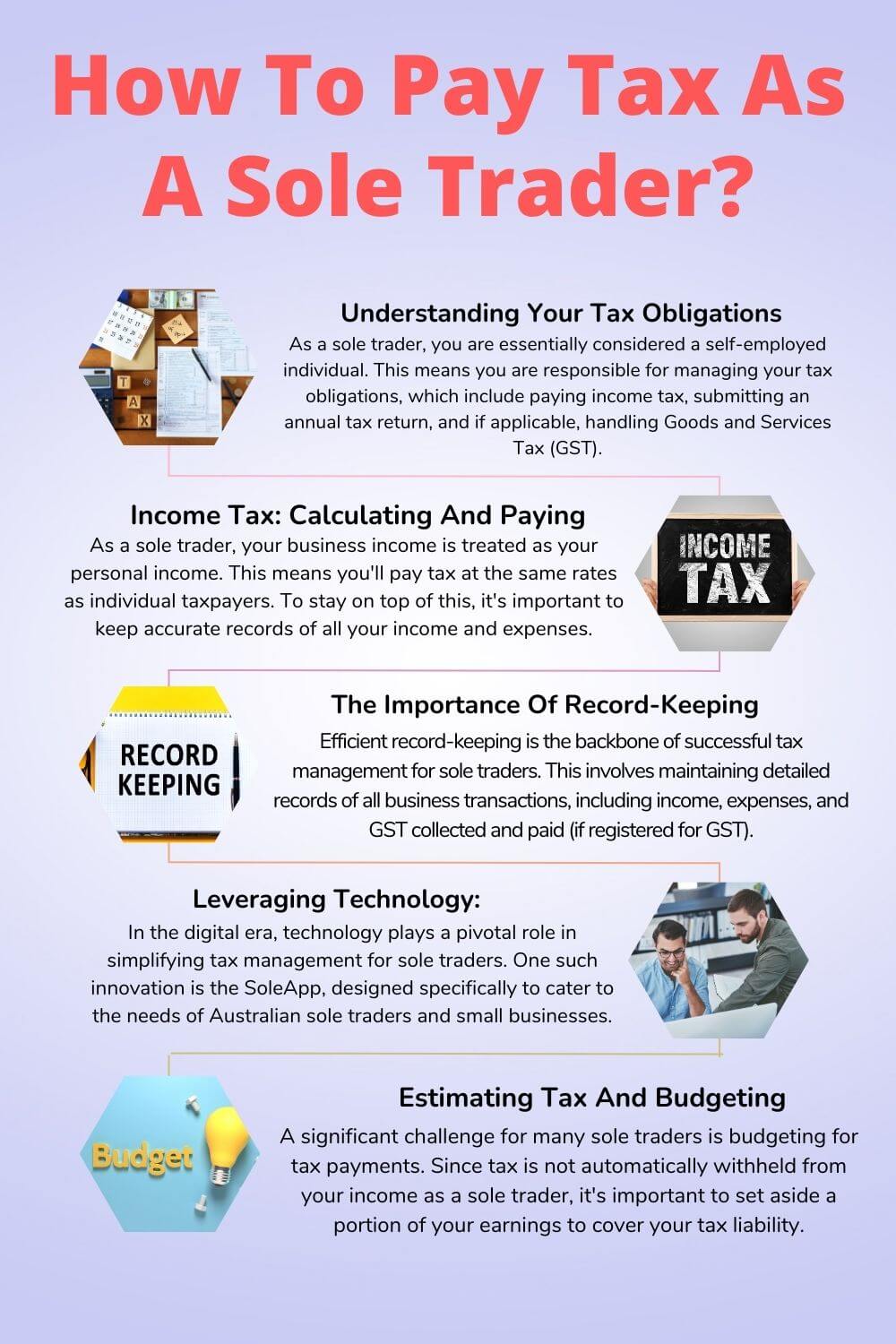
One of the most significant adjustments for new business owners is moving from an annual payment mindset to a quarterly one. The U.S. tax system is a “pay-as-you-go” system. If you expect to owe $1,000 or more in taxes for the year, the IRS requires you to make estimated tax payments throughout the year.
Who Needs to Pay Quarterly?
Individuals, including sole proprietors, partners, and S-corp shareholders, generally have to make estimated tax payments if they expect to owe at least $1,000. Corporations generally have to make estimated tax payments if they expect to owe $500 or more. Failing to make these payments, or underpaying them, can result in penalties and interest charges that eat into your profit margins.
Calculating Your Estimated Payments
To calculate your quarterly payments, you must estimate your expected adjusted gross income, taxable income, taxes, deductions, and credits for the year. Most business owners use their prior year’s tax return as a starting point. The IRS provides Form 1040-ES to help individuals calculate these figures.
A common strategy to avoid underpayment penalties is the “Safe Harbor” rule. Generally, you will not face a penalty if you pay at least 90% of the tax for the current year or 100% of the tax shown on your return for the prior year (110% if your income exceeds a certain threshold). This provides a level of predictability in your financial planning.
Important Deadlines to Remember
Estimated tax payments are divided into four payment periods. For a standard calendar year, the deadlines are:
-
April 15: For the period Jan 1 – March 31
-
June 15: For the period April 1 – May 31
-
September 15: For the period June 1 – Aug 31
-
January 15: For the period Sept 1 – Dec 31 of the previous year
Payments are typically made electronically via the Electronic Federal Tax Payment System (EFTPS) or the IRS Direct Pay portal.
Maximizing Deductions and Credits to Protect Your Bottom Line
The goal of business tax planning isn’t just to pay on time; it’s to pay only what is legally required. By identifying every eligible deduction and credit, you can significantly reduce your taxable income.
Common Business Deductions
A business deduction must be both “ordinary” (common and accepted in your industry) and “necessary” (helpful and appropriate for your trade). Key areas for deductions include:
-
Home Office: If you use a portion of your home exclusively and regularly for business, you can deduct a percentage of your rent, mortgage interest, utilities, and insurance.
-
Marketing and Advertising: Costs associated with bringing in new customers, from digital ads to business cards, are fully deductible.
-
Travel and Meals: While specific rules apply (such as the 50% limit on most business meals), travel for business purposes remains a significant area for tax savings.
-
Professional Services: Fees paid to accountants, lawyers, and consultants are deductible business expenses.
The Section 179 Deduction
For businesses that need to invest in equipment, the Section 179 deduction is a powerful financial tool. It allows a business to deduct the full purchase price of qualifying equipment—such as machinery, computers, and furniture—purchased or financed during the tax year. Instead of depreciating the asset over several years, you can take the entire deduction upfront, which provides an immediate boost to your cash flow.
Tax Credits vs. Tax Deductions
It is vital to distinguish between deductions and credits. A deduction reduces the amount of income you are taxed on. A tax credit, however, is a dollar-for-dollar reduction of the actual tax you owe. Common business credits include the Small Employer Health Insurance Tax Credit and credits for research and development (R&D). Credits are far more valuable than deductions, so identifying eligibility for them should be a priority in your financial strategy.
Self-Employment Tax and Payroll Responsibilities
When you work for someone else, your employer pays half of your Social Security and Medicare taxes. When you are the employer, you are responsible for both halves.
Understanding Social Security and Medicare
The self-employment tax rate is 15.3%. This consists of 12.4% for Social Security and 2.9% for Medicare. This tax applies to the net earnings of your business. While this can feel like a heavy burden, the IRS allows you to deduct the “employer-equivalent” portion of your self-employment tax in calculating your adjusted gross income. This deduction only affects your income tax, not your net earnings from self-employment or your self-employment tax itself.
Managing Payroll Taxes for Employees
If your business has employees, your tax responsibilities expand significantly. You must withhold federal income tax, Social Security, and Medicare from your employees’ wages. Additionally, you must pay the employer’s share of Social Security and Medicare taxes, as well as Federal Unemployment Tax (FUTA). Managing payroll requires strict adherence to filing Form 941 (Employer’s Quarterly Federal Tax Return) and ensuring that all withheld funds are deposited according to IRS schedules.
Leveraging Financial Tools for Seamless Tax Filing
The complexity of business taxation makes manual tracking nearly impossible for a growing company. Leveraging technology and professional expertise is not just a luxury; it is a necessity for financial compliance.
Accounting Software and Automation
Modern accounting platforms like QuickBooks, Xero, or FreshBooks are designed to categorize expenses in real-time. By linking your business bank accounts and credit cards to these tools, you can generate profit and loss statements at a moment’s notice. Many of these platforms also feature “tax modules” that estimate your quarterly obligations based on your current year-to-date performance, taking the guesswork out of your estimated payments.
The Role of a Certified Public Accountant (CPA)
While software is excellent for day-to-day tracking, a CPA or tax strategist provides the high-level insight needed to navigate complex tax laws. A professional can help with tax “loss harvesting,” advise on the timing of large purchases, and ensure you are taking advantage of the Qualified Business Income (QBI) deduction, which allows eligible self-employed individuals and small business owners to deduct up to 20% of their qualified business income.
In conclusion, paying taxes on a business is a multi-faceted process that demands year-round attention. By selecting the right entity structure, staying disciplined with quarterly payments, maximizing legitimate deductions, and utilizing modern financial tools, you can transform tax management from a source of stress into a strategic component of your business’s financial success. Proper tax planning ensures that you remain compliant with the law while retaining as much capital as possible to reinvest in the growth and sustainability of your venture.
aViewFromTheCave is a participant in the Amazon Services LLC Associates Program, an affiliate advertising program designed to provide a means for sites to earn advertising fees by advertising and linking to Amazon.com. Amazon, the Amazon logo, AmazonSupply, and the AmazonSupply logo are trademarks of Amazon.com, Inc. or its affiliates. As an Amazon Associate we earn affiliate commissions from qualifying purchases.