
Applying for a credit card, particularly from a prominent issuer like Chase, is a significant financial decision that can offer a wealth of benefits, from earning rewards on everyday spending to building a strong credit history. Chase, one of the largest and most recognized banks globally, offers an extensive portfolio of credit cards catering to diverse financial needs and spending habits. Whether you’re seeking travel rewards, cash back, or a card to help manage your business expenses, understanding the application process is crucial for a smooth and successful experience. This comprehensive guide will walk you through everything you need to know, from preparation to submission and what to expect afterward, ensuring you’re well-equipped to navigate your application for a Chase credit card.
Understanding the Allure of Chase Credit Cards
Before diving into the mechanics of application, it’s insightful to understand why Chase credit cards are often a top choice for consumers. Their robust offerings and widespread acceptance make them a cornerstone in many individuals’ financial strategies.
Diverse Product Portfolio
Chase boasts an impressive array of credit cards designed to meet nearly every consumer profile. From beginner credit cards to premium travel cards and specialized business cards, the options are extensive. For instance, the Chase Freedom Unlimited® offers compelling cash back on all purchases, while the Chase Sapphire Preferred® and Reserve® are highly coveted for their travel rewards, flexible redemption options, and premium benefits like lounge access or travel credits. Business owners can find tailored solutions such as the Ink Business Preferred® Credit Card, providing elevated rewards on common business expenses. This diversity ensures that whether your priority is maximizing everyday savings, embarking on global adventures, or streamlining business operations, there’s likely a Chase card perfectly suited for you.
Rewards and Benefits That Matter
A significant draw of Chase credit cards lies in their rewards programs. The Ultimate Rewards® program, in particular, is consistently ranked among the best in the industry for its flexibility and value. Points earned can be redeemed for cash back, gift cards, travel through the Chase travel portal, or transferred to a variety of airline and hotel loyalty programs at a 1:1 ratio, often unlocking higher redemption values. Beyond points, many Chase cards come with an array of benefits such as purchase protection, extended warranty, rental car insurance, lost luggage reimbursement, and even primary car rental insurance on select travel cards. These perks not only add value but can also provide peace of mind in various situations.
The Reputational Advantage
As a well-established and trusted financial institution, Chase brings a level of reliability and customer service that is appealing to many. Their commitment to digital innovation, robust mobile banking app, and accessible customer support channels contribute to a positive user experience. The brand recognition and global acceptance of Chase cards (primarily Visa and Mastercard networks) mean you can confidently use your card almost anywhere in the world, making them an indispensable tool for both domestic and international financial transactions. This blend of product diversity, valuable rewards, and strong brand reputation solidifies Chase’s position as a leader in the credit card market.
Preparing for Your Application: Essential Steps
A successful credit card application hinges significantly on preparation. Rushing into an application without understanding your financial standing or the card’s requirements can lead to disappointment.
Checking Your Credit Score
Your credit score is arguably the most critical factor in a credit card application. Lenders, including Chase, use this three-digit number to assess your creditworthiness and the risk associated with lending to you. Generally, a higher credit score (e.g., FICO scores above 670, or “Good” to “Excellent” range) significantly increases your chances of approval for premium cards with better rewards and lower interest rates. Cards designed for individuals with limited or fair credit might have lower score requirements. Before applying, obtain a free copy of your credit report from AnnualCreditReport.com and check your credit score through various services (many banks and credit card companies offer this for free). Reviewing your report allows you to identify and dispute any inaccuracies that could negatively impact your score.
Assessing Your Financial Readiness
Beyond your credit score, lenders evaluate your broader financial picture. This includes your income, existing debt, and employment status. Chase will want to see that you have a stable income sufficient to make timely payments on your new credit card. Consider your debt-to-income (DTI) ratio – the percentage of your gross monthly income that goes towards paying your monthly debt payments. A lower DTI ratio indicates you have more disposable income and are less likely to default on new debt. Honestly assess your capacity to manage new credit responsibly; a new credit card should complement your financial health, not strain it.
Gathering Necessary Information
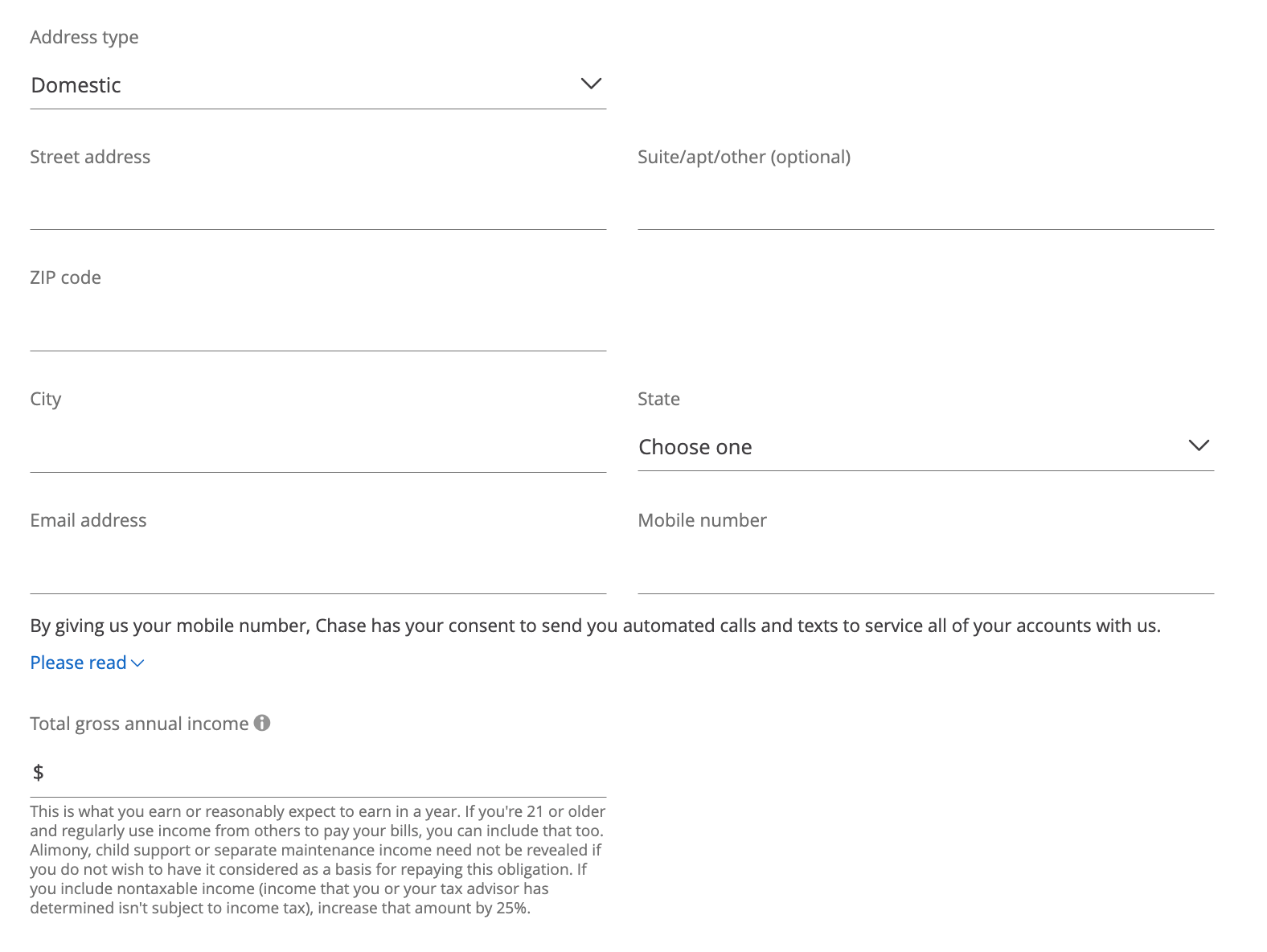
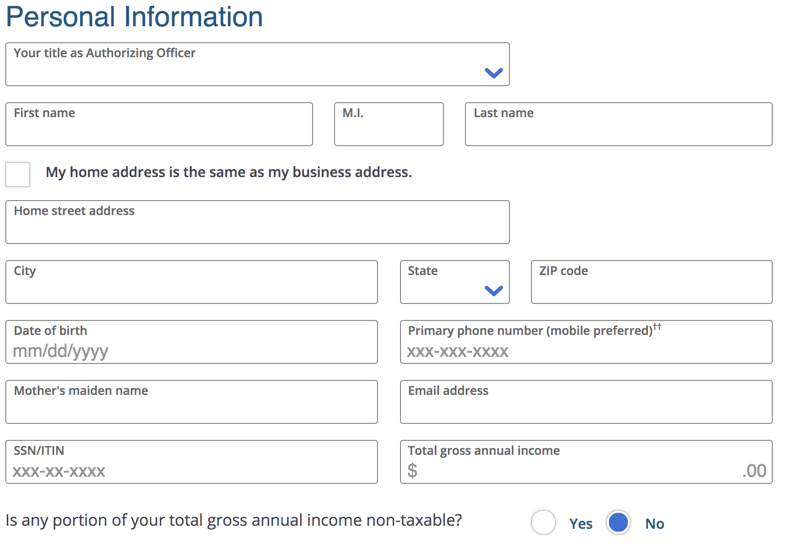
The application form will require several pieces of personal and financial information. Having these readily available will streamline the process. You’ll typically need:
-
Full Legal Name and Address: As it appears on government-issued IDs.
-
Date of Birth: To verify you are of legal age (usually 18 or 21, depending on state law).
-
Social Security Number (SSN) or Individual Taxpayer Identification Number (ITIN): Essential for credit checks and identification.
-
Gross Annual Income: From all sources, including salary, investments, and government benefits.
-
Employment Information: Employer’s name, phone number, and occupation.
-
Housing Status and Monthly Payment: Whether you rent or own, and your monthly housing cost.
-
Email Address and Phone Number: For communication regarding your application.
For business credit cards, you’ll also need your business name, structure, industry, Tax ID (EIN), and annual business revenue.
Navigating the Chase Credit Card Application Process
Once you’re prepared, the actual application process is relatively straightforward, with most applicants opting for the convenience of online submission.
Online Application: The Most Common Route

The most efficient and widely used method to apply for a Chase credit card is online through their official website (Chase.com).
-
Select Your Card: Browse Chase’s credit card offerings and choose the card that best aligns with your financial goals and credit profile. Carefully review the terms, fees, rewards structure, and welcome bonuses.
-
Access the Application Form: Click the “Apply Now” or “Apply for this Card” button.
-
Fill Out the Form: Carefully and accurately input all the required personal, financial, and employment information. Double-check for typos or errors, as these can cause delays or even rejection.
-
Review and Submit: Before submitting, review all the information one last time. Read and understand the terms and conditions, privacy policy, and any specific disclosures related to the card.
-
Confirmation: Upon submission, you’ll usually receive an immediate confirmation that your application has been received.
Branch Application: A Personal Touch
While less common for credit cards, you can also apply for a Chase credit card in person at any Chase bank branch. This option can be beneficial if you prefer face-to-face assistance, have questions that you’d like to ask a representative directly, or need help navigating the application form. A bank representative can guide you through the process, answer your queries, and ensure all details are correctly filled out. Remember to bring all the necessary documents mentioned in the preparation section.
Understanding the Application Form Fields
The application form is designed to gather comprehensive data for credit assessment. Here’s a deeper look at what each section typically entails:
-
Personal Information: This section is for your identity verification and contact details. It’s crucial that this matches your government-issued ID.
-
Financial Information: This is where you declare your income (including any co-applicant income if applicable) and housing costs. Be honest and accurate, as lenders may verify this information. Inflating your income can be considered fraud.
-
Employment Details: Your employment status (employed, self-employed, retired, student) and employer information help Chase understand your income stability.
-
Security Questions: You might be asked to set up security questions for account access or verification purposes.
-
Consent and Authorization: By submitting the application, you authorize Chase to pull your credit report and make inquiries into your financial history.
What Happens After You Apply?
The waiting game begins once your application is submitted. The outcome can vary, from instant approval to a pending decision.
Instant Decisions vs. Further Review
Many applicants receive an instant decision, especially if their credit profile perfectly matches the card’s requirements. An instant approval means you’re good to go, and your card will be mailed to you shortly. However, it’s also common for applications to go into a “pending” or “under review” status. This often means Chase needs more time to verify information, manually review your credit file, or may require additional documentation from you. Don’t interpret a pending status as a denial; it simply means more scrutiny is needed.
Understanding Application Status
If your application isn’t instantly approved, you can typically check its status online through Chase’s application status tool, which usually requires your Social Security Number and ZIP code. Alternatively, you might receive an email or a letter in the mail detailing the status or requesting additional information. For complex cases or if you’re eager for an update, you can call Chase’s reconsideration line. This can be particularly useful if your application was denied, as it provides an opportunity to explain any mitigating circumstances or provide additional relevant information.
What to Do If Your Application is Denied
A denial is not the end of the road. If your application for a Chase credit card is denied, Chase is legally obligated to provide you with an adverse action notice, which will explain the primary reasons for the denial. Common reasons include:
-
Low Credit Score: Your score might not meet the card’s minimum requirements.
-
High Debt-to-Income Ratio: Too much existing debt relative to your income.
-
Short Credit History: Not enough established credit to demonstrate responsibility.
-
Too Many Recent Applications: Applying for too much credit in a short period can appear risky.
-
Errors on Your Credit Report: Inaccuracies that you weren’t aware of.
Upon receiving a denial, review the reasons provided. If you believe there’s a mistake or can offer additional context, consider calling Chase’s reconsideration line. This is your chance to advocate for yourself and potentially overturn the decision. If reconsideration isn’t successful, focus on addressing the reasons for denial. Work on improving your credit score, reducing debt, or building a longer credit history before reapplying.
Maximizing Your Chances of Approval
While there’s no guaranteed path to approval, several strategies can significantly enhance your chances.
Building a Strong Credit Profile
A robust credit profile is your best asset. This involves:
-
Paying Bills on Time: Payment history is the most critical factor in your credit score.
-
Keeping Credit Utilization Low: Aim to use no more than 30% (ideally 10% or less) of your available credit across all cards.
-
Having a Mix of Credit: A healthy mix of revolving credit (credit cards) and installment loans (mortgages, auto loans) can be beneficial.
-
A Long Credit History: The longer your positive credit history, the better.
-
Limiting New Credit Applications: Space out applications to avoid the appearance of being a high-risk borrower.
Responsible Financial Habits
Demonstrating overall financial responsibility goes beyond just credit scores. Maintain a stable income, manage your existing debts wisely, and live within your means. Lenders look for consistency and reliability in your financial behavior. If you currently have significant debt, consider reducing it before applying for new credit. This not only makes you a more attractive applicant but also ensures you’re not overextending yourself.
Choosing the Right Card for Your Profile
Perhaps the most crucial advice is to apply for a card that matches your current credit standing. If you have excellent credit, by all means, pursue premium rewards cards. However, if your credit is fair or good, starting with a cash-back card or a card with no annual fee that has more lenient approval requirements might be a more strategic move. Chase offers cards like the Chase Freedom Rise℠ for those building credit. Once approved, manage that card responsibly, and in time, you can qualify for more aspirational products. Applying for cards that are a realistic fit for your credit profile minimizes denials and allows you to gradually build the credit history necessary for future financial goals.
Applying for a Chase credit card can be a rewarding endeavor, opening doors to valuable benefits and enhanced financial flexibility. By thoroughly preparing, understanding the process, and maintaining sound financial habits, you can confidently navigate your application and increase your likelihood of approval. Remember, credit cards are powerful financial tools, and responsible usage is key to unlocking their full potential.
aViewFromTheCave is a participant in the Amazon Services LLC Associates Program, an affiliate advertising program designed to provide a means for sites to earn advertising fees by advertising and linking to Amazon.com. Amazon, the Amazon logo, AmazonSupply, and the AmazonSupply logo are trademarks of Amazon.com, Inc. or its affiliates. As an Amazon Associate we earn affiliate commissions from qualifying purchases.