
In the contemporary landscape of personal finance, the ability to move capital quickly, securely, and internationally is no longer a luxury—it is a fundamental requirement. Since its inception, PayPal has evolved from a simple payment button on auction sites to a robust financial ecosystem that serves as a cornerstone for freelancers, e-commerce entrepreneurs, and everyday consumers. Signing up for a PayPal account is more than just a technical exercise; it is the first step in streamlining your digital financial life, enabling you to participate in the global economy with a few clicks.
Understanding how to navigate the registration process, verify your identity, and optimize your settings is crucial for anyone looking to manage their money in the 24/7 digital marketplace. Whether you are aiming to launch a side hustle, manage household expenses, or invest in overseas markets, your PayPal account serves as the bridge between traditional banking and modern digital commerce.
Choosing the Right Financial Foundation: Personal vs. Business
Before you begin the signup process, you must make a strategic decision regarding the type of account that best suits your financial goals. PayPal offers two primary tiers: Personal and Business. Each carries distinct features, fee structures, and legal implications.
The Personal Account: Ideal for Consumers and Casual Sellers
A Personal account is designed for individuals who primarily use the platform for shopping and sending money to friends or family. In the context of personal finance, this account acts as a digital wallet that masks your sensitive banking information from merchants. When you pay via PayPal, the merchant never sees your credit card number or bank details, adding a vital layer of security to your online transactions.
For many, the Personal account is a tool for budgeting and expense tracking. It allows you to consolidate various funding sources—debit cards, credit cards, and bank balances—into a single interface. While you can receive money for goods and services on a Personal account, it lacks the professional branding and multi-user access features required for a growing enterprise.
The Business Account: A Tool for Professional Growth
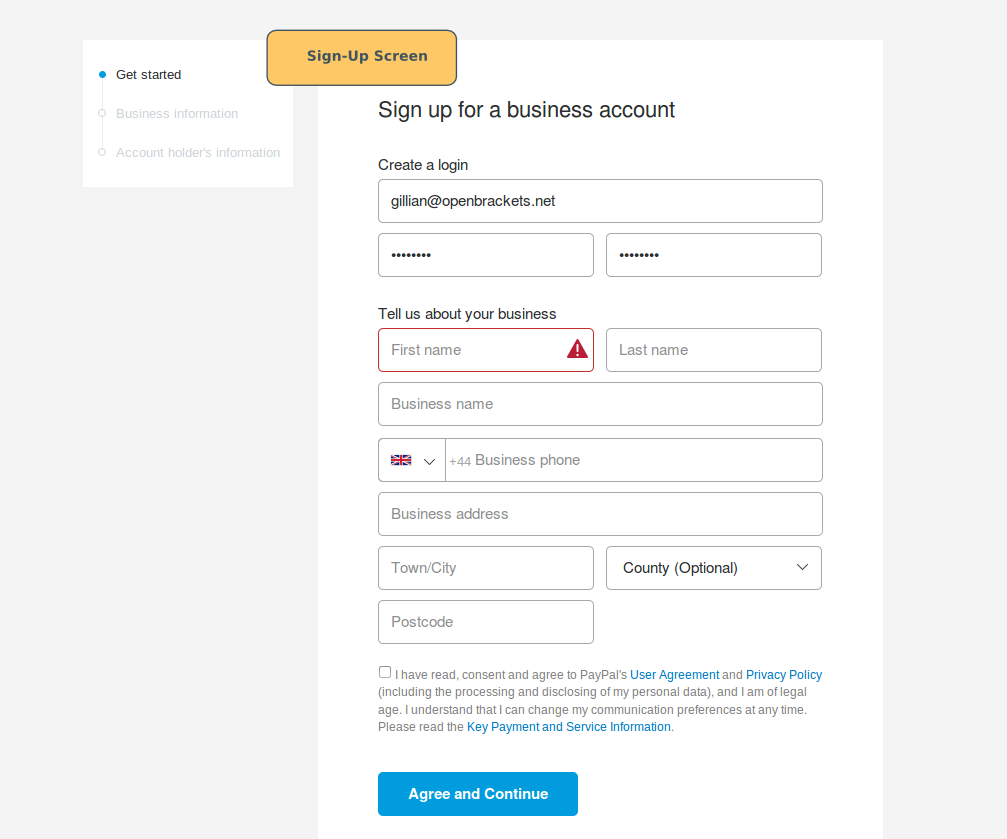
If your goal is to generate online income, manage a side hustle, or operate a full-scale corporate entity, a Business account is the logical choice. This tier allows you to operate under a company name, providing a professional appearance that builds trust with clients. From a financial management perspective, Business accounts offer advanced reporting tools, the ability to send professional invoices, and the option to grant limited account access to employees or accountants.
Furthermore, a Business account allows you to accept a wider range of payment methods, including credit cards from customers who do not have their own PayPal accounts. While there are transaction fees associated with receiving payments for goods and services, the professional features often outweigh these costs for those serious about their financial scaling.
The Registration Process: A Step-by-Step Financial Onboarding
Once you have determined the appropriate account type, the actual signup process is a straightforward but high-stakes procedure. Because PayPal is a regulated financial service provider, the information you provide must be accurate and verifiable to ensure compliance with anti-money laundering (AML) and “know your customer” (KYC) regulations.
Initial Setup and Data Entry
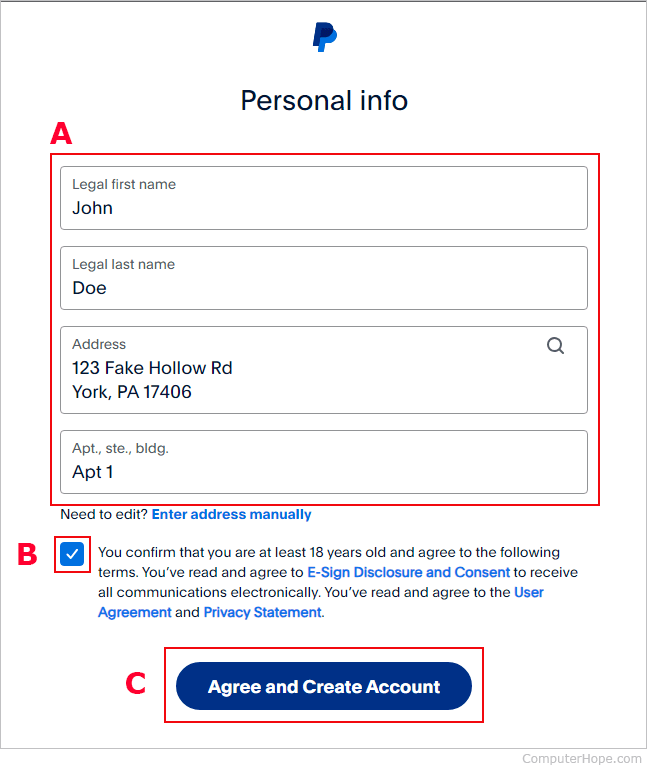
To begin, navigate to the official PayPal website or download the mobile application. Click the “Sign Up” button and select your preferred account type. You will be prompted to enter a valid email address—this will serve as your primary account identifier and the “address” others use to send you money.
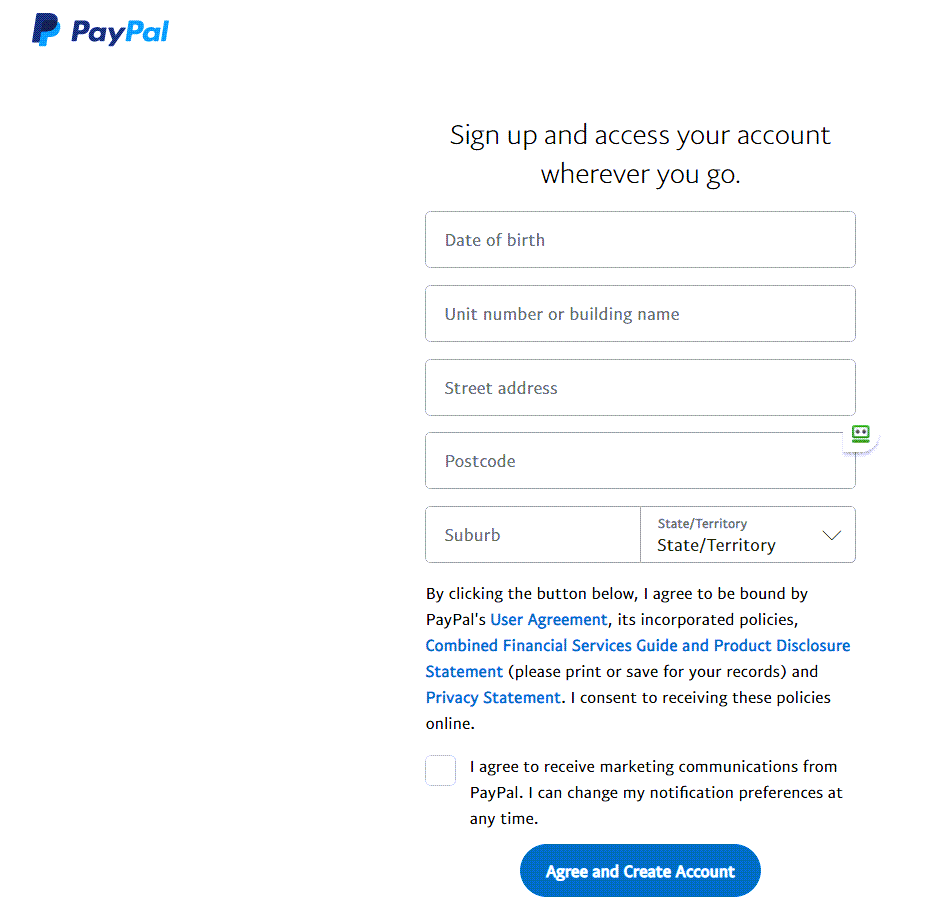
Next, you will create a strong password. In the realm of digital finance, your password is the primary defense for your assets. It should be unique, complex, and ideally managed through a dedicated password manager. You will then be asked for basic personal information: your legal name, physical address, and phone number. It is imperative that this information matches your government-issued identification and bank records to avoid future account freezes.
Linking Funding Sources
A PayPal account is most effective when it is connected to your broader financial network. During or immediately after signup, you will be invited to link a bank account, a debit card, or a credit card.
Linking a bank account is typically the most cost-effective method for transferring funds, as it often bypasses the fees associated with credit card cash advances. PayPal uses a small-deposit verification system—sending two tiny amounts (pennies) to your bank—which you must then confirm within the PayPal interface. This ensures that you are the rightful owner of the account and establishes a secure pipeline for moving money between your traditional and digital accounts.
Strengthening Your Digital Vault: Security and Verification
In the world of online income and digital banking, security is not a one-time setup but an ongoing practice. Once your account is active, your priority shifts to protecting your capital and ensuring your account remains in good standing.
Implementing Two-Factor Authentication (2FA)
The single most effective way to secure your PayPal account is by enabling Two-Factor Authentication. This adds a second layer of verification beyond your password, usually in the form of a code sent to your mobile device or generated by an authenticator app. From a risk management perspective, 2FA makes it significantly harder for unauthorized parties to access your funds, even if they manage to acquire your login credentials through a data breach elsewhere.
The Importance of Account Verification
A “verified” account is one where PayPal has confirmed the user’s identity and ownership of linked financial instruments. For a new user, verification is essential for removing initial withdrawal limits and increasing the trust level associated with your profile. To complete verification, you may be asked to upload a photo of your driver’s license or passport, as well as a utility bill to confirm your residency. While this may seem invasive, it is a standard financial industry practice designed to protect both the user and the platform from fraudulent activity.
Maximizing Your Account for Online Income and Side Hustles
For many, the motivation behind signing up for PayPal is the pursuit of online income. Whether you are freelancing, selling products on a marketplace, or participating in the gig economy, PayPal offers several tools to help you manage these revenue streams efficiently.
Managing Invoices and Professional Payments
If you are providing services—such as consulting, writing, or graphic design—PayPal’s invoicing tool is a powerful asset. Instead of waiting for a physical check or navigating complex bank wires, you can generate a professional invoice directly from your dashboard. This invoice provides the client with a “Pay Now” button, significantly reducing the friction of the payment process and improving your cash flow.
From a bookkeeping perspective, these invoices automatically track which payments are pending, paid, or overdue, acting as a rudimentary accounting system for your burgeoning business.
Understanding the Fee Structure
To manage your finances effectively, you must account for the cost of doing business. PayPal generally does not charge for making purchases or for sending money to friends and family (when funded by a bank account or balance). However, when you receive money for goods and services, a transaction fee is applied.
As of current standards, these fees typically consist of a percentage of the total transaction plus a fixed fee. If you are dealing with international clients, you must also account for currency conversion fees. Savvy financial planners incorporate these costs into their pricing models to ensure their net profit margins remain healthy.
Integrating PayPal into Your Broader Financial Strategy
Signing up for a PayPal account is merely the beginning of your journey into integrated digital finance. Once established, your account can serve as a hub for various financial activities.
Automated Savings and Transfers
Many users utilize PayPal as a secondary layer for their savings. By setting up recurring transfers from your main bank account to your PayPal balance, you can create a “digital envelope” for specific goals, such as holiday shopping or business reinvestment. Conversely, you can set up “Instant Transfers” to move your earnings into your bank account within minutes, though this often incurs a small fee compared to the standard 1-3 day transfer.
The Role of the PayPal Debit Card
For those who want immediate access to their digital funds in the physical world, the PayPal Business Debit Mastercard (or the personal version in certain regions) is an excellent tool. It allows you to spend your PayPal balance at any merchant that accepts Mastercard and provides cash access via ATMs. This effectively turns your PayPal account into a functional checking account, providing a level of liquidity that is essential for both personal emergencies and business agility.
In conclusion, the process of signing up for a PayPal account is a gateway to a more flexible and secure financial future. By choosing the right account type, meticulously following the setup process, and prioritizing security, you position yourself to take full advantage of the digital economy. Whether you are a consumer looking for protection or an entrepreneur looking for growth, mastering this financial tool is an indispensable skill in the modern age.
aViewFromTheCave is a participant in the Amazon Services LLC Associates Program, an affiliate advertising program designed to provide a means for sites to earn advertising fees by advertising and linking to Amazon.com. Amazon, the Amazon logo, AmazonSupply, and the AmazonSupply logo are trademarks of Amazon.com, Inc. or its affiliates. As an Amazon Associate we earn affiliate commissions from qualifying purchases.