
The transition from traditional paper-based systems to digital financial management has revolutionized how individuals and businesses interact with tax authorities. Paying taxes online is no longer just a convenience; it is a critical component of modern personal finance management and business operations. By leveraging digital tools, taxpayers can ensure accuracy, improve security, and maintain a clear audit trail of their financial obligations. This guide explores the various methods, platforms, and strategic considerations for managing tax payments in an increasingly digital economy.
Navigating Federal Payment Portals
The cornerstone of digital tax compliance is the suite of tools provided by federal agencies. These platforms are designed to handle high volumes of transactions while maintaining the highest levels of security and data integrity. Understanding which tool is appropriate for your specific financial situation is the first step in mastering online payments.
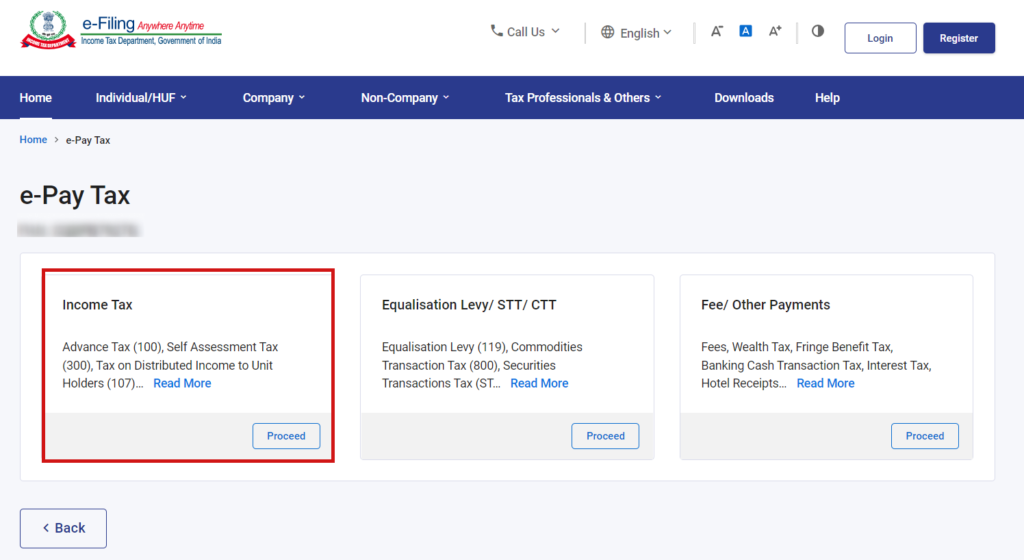
IRS Direct Pay
For individual taxpayers, IRS Direct Pay is the most straightforward method for handling federal income tax obligations. This service allows users to pay directly from a checking or savings account without any processing fees. It is particularly useful for paying balance-due amounts from an annual return, making estimated tax payments, or addressing extension payments. The primary advantage of Direct Pay is the immediate confirmation provided upon completion, which serves as a definitive digital receipt for financial record-keeping.
The Electronic Federal Tax Payment System (EFTPS)
While Direct Pay serves individuals well, the Electronic Federal Tax Payment System (EFTPS) is the gold standard for business owners and high-net-worth individuals with complex requirements. EFTPS is a free service provided by the U.S. Department of the Treasury that allows for the payment of all federal taxes, including corporate, employment, and excise taxes.
Unlike Direct Pay, EFTPS requires an enrollment process that includes the physical mailing of a PIN for security purposes. Once registered, users gain access to a robust dashboard where they can schedule payments up to 365 days in advance. This feature is invaluable for financial planning, as it allows business owners to align their tax outflows with projected cash flow cycles.
Credit and Debit Card Processors
For those looking to leverage financial tools for secondary gains, paying taxes via credit or debit card through authorized third-party processors (such as PayUSAtax or ACI Payments, Inc.) is an option. While these processors charge a convenience fee—typically a percentage of the total tax amount—it can be a strategic move for individuals looking to meet spending requirements for credit card sign-up bonuses or to accumulate travel rewards. However, from a pure personal finance perspective, one must ensure that the value of the rewards earned outweighs the processing fees incurred.
Streamlining Business and Self-Employed Tax Obligations
The rise of the gig economy and remote entrepreneurship has made the management of self-employment taxes a priority for millions. Online payment systems have evolved to meet the needs of those who do not have taxes withheld by an employer.
Managing Estimated Quarterly Payments
Self-employed individuals and small business owners are generally required to make estimated tax payments four times a year. Managing these through online portals is significantly more efficient than the manual voucher system. Digital platforms allow you to view your payment history in real-time, ensuring that you do not overpay or underpay, which could result in penalties. By integrating these payments into your monthly financial review, you can treat tax obligations as a standard line item in your budget rather than a year-end surprise.
Integration with Accounting Software
Modern financial tools like QuickBooks, FreshBooks, and Xero have bridged the gap between bookkeeping and tax payment. Many of these platforms now offer direct integrations or streamlined exports that facilitate online payments. By keeping your income and expenses categorized digitally throughout the year, the transition to the payment portal becomes a matter of data verification rather than data entry. This “tech-first” approach to accounting reduces the risk of human error and ensures that the amounts paid online precisely match the financial records of the business.
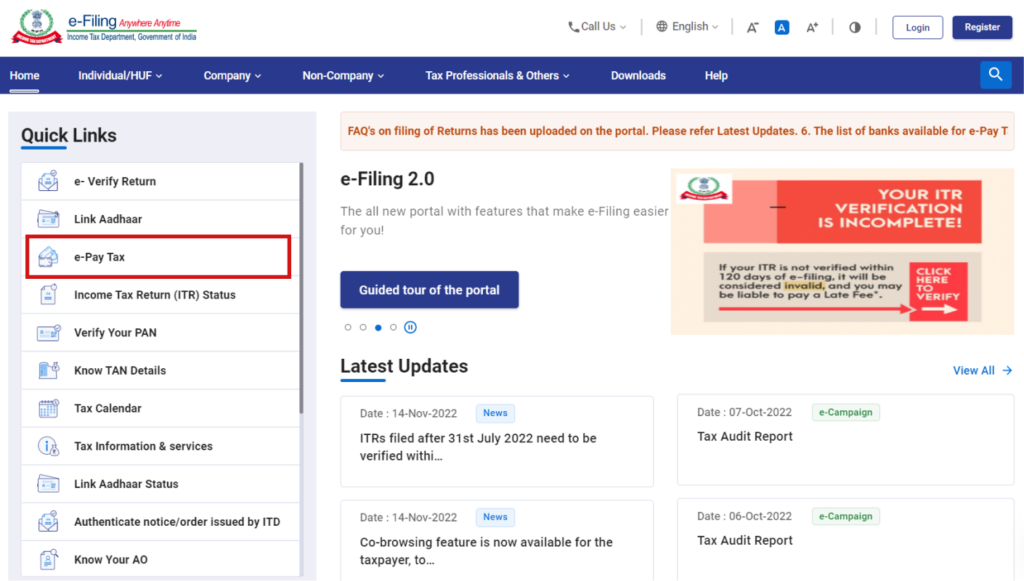
Digital Wallets and Modern Fintech
The landscape of financial technology is expanding to include digital wallet options for tax payments. In some jurisdictions and for specific types of federal payments, options like PayPal and Click to Pay are becoming available. These methods offer an additional layer of security by acting as a buffer between your primary bank account and the payment processor, while also providing the speed and user experience familiar to modern online consumers.
Ensuring Security and Financial Data Protection
When dealing with sensitive financial information and large sums of money, digital security is paramount. The shift to online tax payments requires a proactive approach to cybersecurity to protect personal assets and identity.
Verification and Identity Protection
Most government payment portals now utilize multi-factor authentication (MFA) and rigorous identity verification services, such as ID.me. These systems require users to provide biometric data or government-issued identification to prove their identity before accessing sensitive tax records. While these steps may seem cumbersome, they are essential in preventing unauthorized access to your financial profile. From a personal finance standpoint, maintaining updated and secure credentials for these portals is as important as guarding your physical wallet.
Avoiding Phishing and Online Scams
The digital nature of tax payments has unfortunately given rise to sophisticated phishing schemes. Taxpayers must remember that official agencies typically initiate contact through physical mail and do not request immediate payments via email, text message, or social media. When paying taxes online, always ensure you are on a ” .gov ” website or an officially sanctioned third-party processor. Verifying the SSL certificate of the website and avoiding public Wi-Fi networks when making financial transactions are fundamental practices for any digitally savvy taxpayer.
Maintaining Digital Records for Audits
One of the greatest benefits of paying taxes online is the ease of record-keeping. Every transaction generates a digital confirmation number and a downloadable receipt. Financial experts recommend creating a dedicated, encrypted digital folder for each tax year, containing PDFs of all payment confirmations. This practice is vital for defending your position during a potential audit or when applying for significant financial products like mortgages, where proof of tax compliance is often required.
Strategies for Maximizing Cash Flow and Efficiency
Effective tax management is not just about meeting deadlines; it is about optimizing the timing and method of payments to support your broader financial goals.
Scheduling Payments to Optimize Liquidity
The ability to schedule payments online is a powerful tool for cash flow management. For businesses with seasonal income, scheduling a large tax payment to coincide with a period of high liquidity can prevent the need for short-term borrowing. Similarly, individuals can schedule their April 15th payment months in advance, ensuring the funds are accounted for in their budget while keeping the money in a high-yield savings account until the last possible moment to earn interest.
Leveraging the “Pay as You Go” Model
For those with fluctuating income, such as freelancers or investors, the online system allows for a “pay as you go” approach. Rather than waiting for quarterly deadlines, one can make smaller, more frequent payments throughout the year as income is realized. This reduces the psychological and financial burden of a large lump-sum payment and ensures that the taxpayer is always in good standing with the authorities.
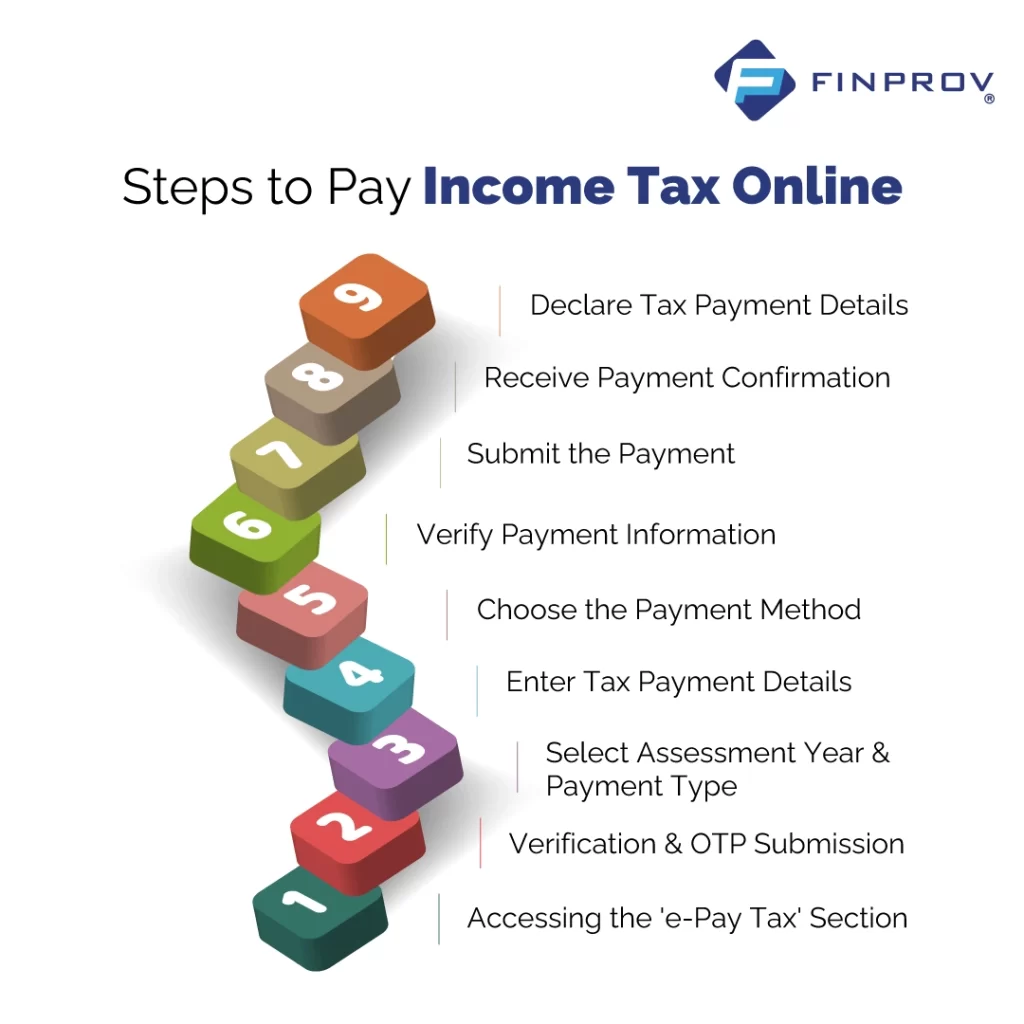
Reconciling Online Payments with Tax Returns
At the end of the fiscal year, the total amount paid online must be reconciled with the final tax return. Modern tax preparation software can often pull this data automatically, but manual verification remains a best practice. By comparing your online payment history—available through your IRS Online Account—with your tax software’s calculations, you can identify discrepancies early. This ensures that you claim full credit for every dollar paid and receive any entitled refunds as quickly as possible.
In conclusion, paying taxes online is a sophisticated intersection of technology and personal finance. By utilizing the correct portals, integrating digital accounting tools, and maintaining rigorous security standards, taxpayers can transform a traditionally stressful task into a streamlined, efficient process. Embracing these digital methods not only ensures compliance but also provides the data and control necessary to make informed financial decisions throughout the year.
aViewFromTheCave is a participant in the Amazon Services LLC Associates Program, an affiliate advertising program designed to provide a means for sites to earn advertising fees by advertising and linking to Amazon.com. Amazon, the Amazon logo, AmazonSupply, and the AmazonSupply logo are trademarks of Amazon.com, Inc. or its affiliates. As an Amazon Associate we earn affiliate commissions from qualifying purchases.