
The landscape of the American housing market has undergone a seismic shift over the last few years, moving from the historic lows of the early 2020s to a more volatile, high-interest environment. For prospective homeowners and real estate investors, the question of “what is the current interest rate mortgage” is not merely a request for a single number, but a gateway into a complex ecosystem of economic indicators, Federal Reserve policies, and personal financial metrics. Understanding the current rate requires looking beyond the daily headlines to see how these percentages are calculated and how they impact the long-term cost of borrowing.
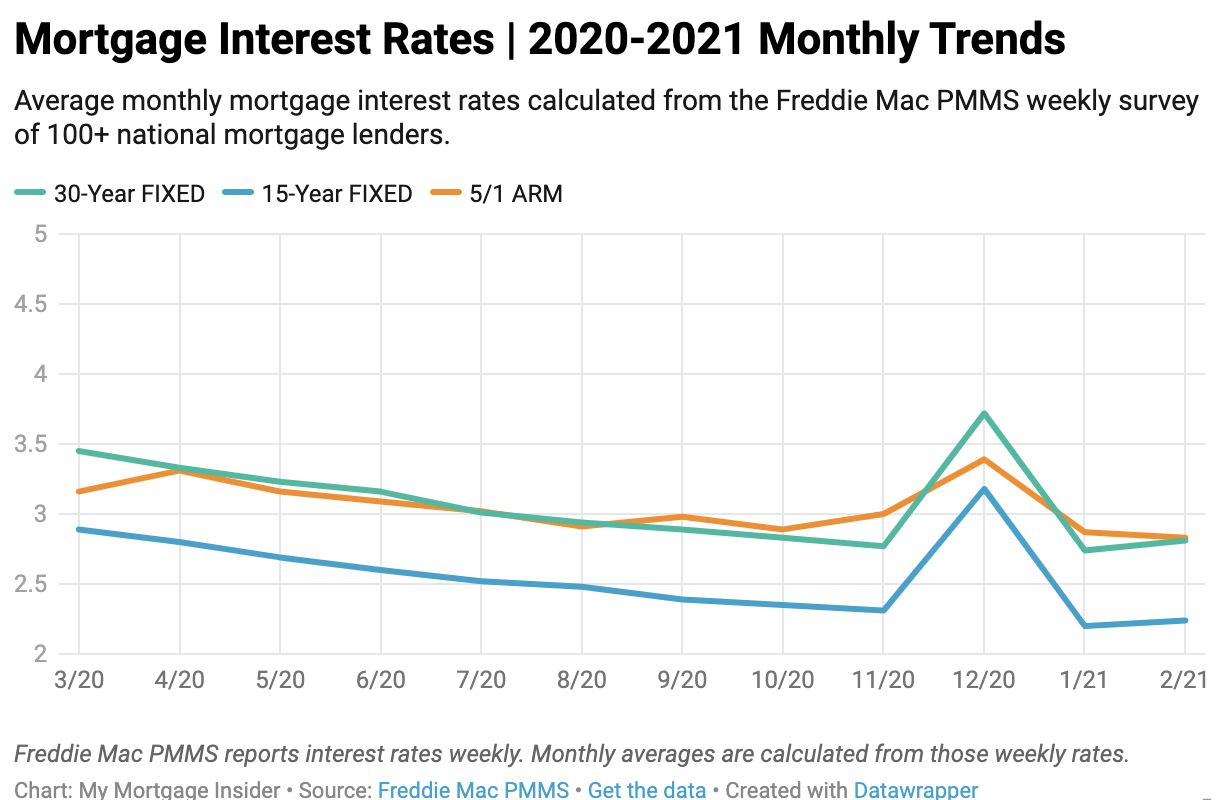
As of the current market cycle, mortgage rates have settled into a range that many modern buyers find challenging, yet which remains moderate when viewed through a multi-decadal lens. While the sub-3% rates of 2021 are a distant memory, the current environment reflects a broader effort by financial institutions to balance inflation concerns with the demand for housing liquidity. To navigate this market, one must understand the drivers behind these rates and the strategies available to secure the most favorable terms possible.
The Mechanics Behind Mortgage Rate Fluctuations
Mortgage rates do not exist in a vacuum. They are the result of a delicate interplay between government policy and market forces. To understand where rates stand today, one must first look at the Federal Reserve. While the Fed does not directly set mortgage rates, its control over the federal funds rate—the interest rate at which commercial banks borrow and lend to each other overnight—serves as the primary catalyst for all other consumer interest rates.
When the Federal Reserve raises the federal funds rate to combat inflation, the cost of borrowing increases for banks. These institutions then pass those costs on to consumers in the form of higher interest rates for credit cards, auto loans, and mortgages. However, the more direct benchmark for the 30-year fixed-rate mortgage is actually the 10-year Treasury yield. There is a historical “spread” or gap between the 10-year Treasury yield and the average mortgage rate, typically ranging from 1.5 to 3 percentage points. In periods of economic uncertainty or high inflation, this spread often widens, leading to the higher rates seen in the current market.
Inflation is perhaps the most significant enemy of low mortgage rates. Because mortgages are long-term fixed-income assets for investors, inflation erodes the value of the future payments they receive. If inflation is high, investors demand higher yields to compensate for the diminishing purchasing power of the dollar. Consequently, when the Consumer Price Index (CPI) shows signs of cooling, mortgage rates often follow suit, as the market anticipates a less aggressive stance from the Fed and a more stable environment for long-term debt.
Analyzing Different Loan Products and Their Interest Structures
The “current rate” is a variable figure that depends heavily on the type of loan product a borrower selects. The market is generally divided into several categories, each with its own risk profile and subsequent interest rate.
Fixed-Rate Mortgages: The 15-Year vs. 30-Year
The 30-year fixed-rate mortgage remains the gold standard for American homebuyers due to its stability and lower monthly payments. However, because the lender is taking on interest rate risk for three decades, these loans carry higher rates than shorter-term options. Conversely, the 15-year fixed-rate mortgage typically offers a significantly lower interest rate—often 0.5% to 1% lower than the 30-year counterpart. The trade-off is a much higher monthly payment, but the total interest paid over the life of the loan is drastically reduced, making it a powerful tool for wealth building for those who can afford the higher monthly commitment.
Adjustable-Rate Mortgages (ARMs)
In a high-rate environment, Adjustable-Rate Mortgages often see a resurgence in popularity. An ARM typically offers a lower “teaser” rate for an initial period—commonly five, seven, or ten years. After this period, the rate adjusts annually based on a pre-determined index, such as the Secured Overnight Financing Rate (SOFR). For buyers who plan to sell or refinance within a few years, an ARM can provide substantial monthly savings. However, the inherent risk is that if rates remain high or increase when the adjustment period begins, the monthly payment could skyrocket.
Government-Backed Loans: FHA, VA, and USDA
For many borrowers, government-backed loans offer a pathway to homeownership with lower interest rates than conventional loans. FHA (Federal Housing Administration) loans are designed for those with lower credit scores or smaller down payments. Because the government insures these loans, lenders can often offer competitive rates even to “riskier” borrowers. Similarly, VA loans for veterans and USDA loans for rural buyers often carry the lowest interest rates in the market, as they are backed by the full faith and credit of the U.S. government.
Personal Financial Factors That Influence Your Custom Quote

When a borrower asks what the current mortgage rate is, they are often quoted a “national average.” However, the rate an individual actually receives is highly personalized, based on a “loan-level price adjustment” (LLPA) model.
The Critical Role of Credit Scores
The single most influential factor in determining an individual’s mortgage rate is their FICO credit score. Lenders view the credit score as a barometer of default risk. A borrower with a score of 760 or higher will almost always qualify for the lowest advertised rates. Those with scores in the 620 to 680 range may find themselves paying 1% to 1.5% more in interest than their high-scoring counterparts. Over the life of a $400,000 loan, this difference can amount to hundreds of thousands of dollars in extra interest.
Down Payment and Loan-to-Value (LTV) Ratio
The amount of equity a buyer puts into the home also dictates the rate. A 20% down payment is the traditional threshold that allows a borrower to avoid Private Mortgage Insurance (PMI) and often unlocks better interest rates. When a borrower puts down less than 20%, the Loan-to-Value ratio is higher, which increases the lender’s risk. While many programs allow for as little as 3% or 3.5% down, these loans usually come with slightly higher interest rates or additional fees to offset the risk of low equity.
Debt-to-Income (DTI) and Employment Stability
Lenders also scrutinize a borrower’s Debt-to-Income ratio, which compares monthly debt obligations to gross monthly income. A lower DTI suggests that the borrower has more “breathing room” to handle mortgage payments, which can lead to more favorable loan terms. Employment history also plays a role; lenders prefer to see at least two years of consistent income in the same field, as this provides confidence that the borrower will be able to sustain payments through various economic cycles.
Strategic Approaches to Home Buying in a High-Rate Market
Navigating the current mortgage landscape requires a proactive strategy. Prospective buyers are no longer in a position to simply accept the first rate they are quoted. Instead, they must use several financial tools to mitigate the impact of higher interest costs.
Buying Down the Rate with Points
One common strategy in today’s market is the use of discount points. A “point” is equal to 1% of the loan amount, paid upfront at closing in exchange for a permanently lower interest rate. For example, on a $300,000 loan, one point would cost $3,000 and might lower the interest rate by 0.25%. Borrowers must calculate the “break-even point”—the amount of time they need to stay in the home for the monthly savings to outweigh the upfront cost of the points. In an environment where rates are expected to stay elevated for several years, buying down the rate can be a savvy long-term investment.
The “Marry the House, Date the Rate” Philosophy
A popular sentiment in the current real estate market is “Marry the house, date the rate.” This strategy encourages buyers to purchase a home they love now, despite higher interest rates, with the intention of refinancing later when rates eventually drop. While this approach carries the risk that rates may not fall as quickly as anticipated, it allows buyers to secure a property before prices rise further. If and when the market shifts and the Federal Reserve begins to ease, these homeowners can replace their high-interest debt with a more affordable loan.
Rate Locks and Timing
Because mortgage rates can fluctuate daily based on bond market activity, “locking in” a rate is crucial. Once a borrower finds a rate they are comfortable with, they can request a rate lock from their lender, which guarantees that rate for a set period (usually 30 to 60 days) while the loan is being processed. Some lenders even offer “float-down” options, which allow the borrower to lock in a rate but still take advantage of a lower rate if the market improves before the closing date.

Economic Forecasting and the Future of Housing Finance
The question of what the current mortgage rate is today is inevitably followed by “what will it be tomorrow?” Financial analysts and economists monitor several key factors to project future movements. The primary indicator remains the labor market. A strong labor market suggests that the economy is still running hot, which may lead the Federal Reserve to keep interest rates higher for longer to ensure inflation is fully contained. Conversely, any signs of significant economic cooling or a rise in unemployment could prompt the Fed to pivot and begin cutting rates, which would lead to a downward trend in mortgage costs.
Inventory also plays a role in the broader financial context of mortgages. Currently, the “lock-in effect” is a significant phenomenon where homeowners who secured 3% rates years ago are reluctant to sell and move into a new home with a 7% rate. This has led to a shortage of existing homes for sale, keeping property prices high despite the increased cost of borrowing. As long as inventory remains tight, the housing market remains a “seller’s market” in many regions, forcing buyers to be even more diligent about their financing options.
In conclusion, the current interest rate for a mortgage is a dynamic figure shaped by global economic trends, national monetary policy, and individual financial health. While rates are higher than they were in the recent past, the market continues to offer opportunities for those who understand the mechanics of lending. By improving credit scores, considering various loan products, and employing strategies like rate buy-downs, consumers can navigate the current environment with confidence. The key to success in today’s money-focused real estate landscape is education and the ability to act decisively when the right financial opportunity presents itself.
aViewFromTheCave is a participant in the Amazon Services LLC Associates Program, an affiliate advertising program designed to provide a means for sites to earn advertising fees by advertising and linking to Amazon.com. Amazon, the Amazon logo, AmazonSupply, and the AmazonSupply logo are trademarks of Amazon.com, Inc. or its affiliates. As an Amazon Associate we earn affiliate commissions from qualifying purchases.