
The transition from a cash-based society to a digital-first economy has fundamentally altered how we perceive and manage personal finance. Paying online is no longer a niche convenience; it is a core financial competency required to navigate the modern world. Whether you are settling utility bills, purchasing groceries, or investing in global markets, the digital payment landscape offers a diverse array of tools designed for speed, security, and financial tracking. Understanding these tools is the first step toward achieving greater financial literacy and security in an era where the “wallet” has moved from the back pocket to the cloud.

Understanding the Landscape of Digital Payment Methods
To pay online effectively, one must first understand the various channels available. Each method carries its own set of advantages, fees, and security profiles. Choosing the right one depends largely on the nature of the transaction and your personal financial strategy.
Credit and Debit Cards: The Standard Bearer
The most common way to pay online remains the use of credit and debit cards. While they share the same physical form factor, their financial implications are vastly different. A debit card draws directly from your liquid assets—your checking account. This is ideal for those who wish to avoid debt and spend only what they currently possess.
Credit cards, conversely, use a line of credit extended to you by a financial institution. For the savvy consumer, credit cards are often the superior online payment tool due to the robust consumer protections they offer. Under various federal regulations, such as the Fair Credit Billing Act, consumers are often protected against fraudulent charges and have the right to dispute transactions for goods not received. Furthermore, many credit cards offer reward structures, such as cashback or travel points, which can effectively reduce the cost of every online purchase when the balance is paid in full each month.
Digital Wallets and Payment Gateways
Digital wallets, such as Apple Pay, Google Pay, and PayPal, have revolutionized the checkout process by acting as a secure intermediary. Instead of sharing your sensitive 16-digit card number with every merchant you encounter, digital wallets use a process called tokenization. This replaces your actual card details with a unique digital identifier, or “token,” for each transaction.
PayPal, one of the pioneers in this space, offers an additional layer of buyer protection, making it a preferred choice for peer-to-peer (P2P) transactions or purchases from lesser-known international vendors. By using a digital wallet, you centralize your financial activity, making it easier to track spending across multiple accounts while significantly lowering the risk of data breaches.
Direct Bank Transfers and ACH Payments
For larger or more formal financial obligations—such as rent, mortgage payments, or tax liabilities—direct bank transfers via the Automated Clearing House (ACH) network are common. These transactions involve moving money directly from one bank account to another using routing and account numbers. While slower than card payments, often taking one to three business days to clear, they are frequently the most cost-effective method for high-value transfers because they circumvent the processing fees associated with credit card networks.
Security Protocols: Protecting Your Wealth in a Virtual World
As the volume of online payments increases, so does the sophistication of cyber threats. Protecting your financial identity is an integral part of paying online. A secure payment strategy involves more than just a strong password; it requires an understanding of the infrastructure that keeps your money safe.
Two-Factor Authentication (2FA) and Biometrics
The first line of defense in modern online payments is multi-factor authentication. By requiring a second form of verification—such as a code sent via SMS, an authentication app, or a biometric scan (fingerprint or facial recognition)—you ensure that even if a malicious actor obtains your login credentials, they cannot access your funds. Biometric authentication is particularly effective because it is uniquely tied to the individual, making it one of the most secure ways to authorize a payment on mobile devices.
Virtual Cards and Temporary Account Numbers
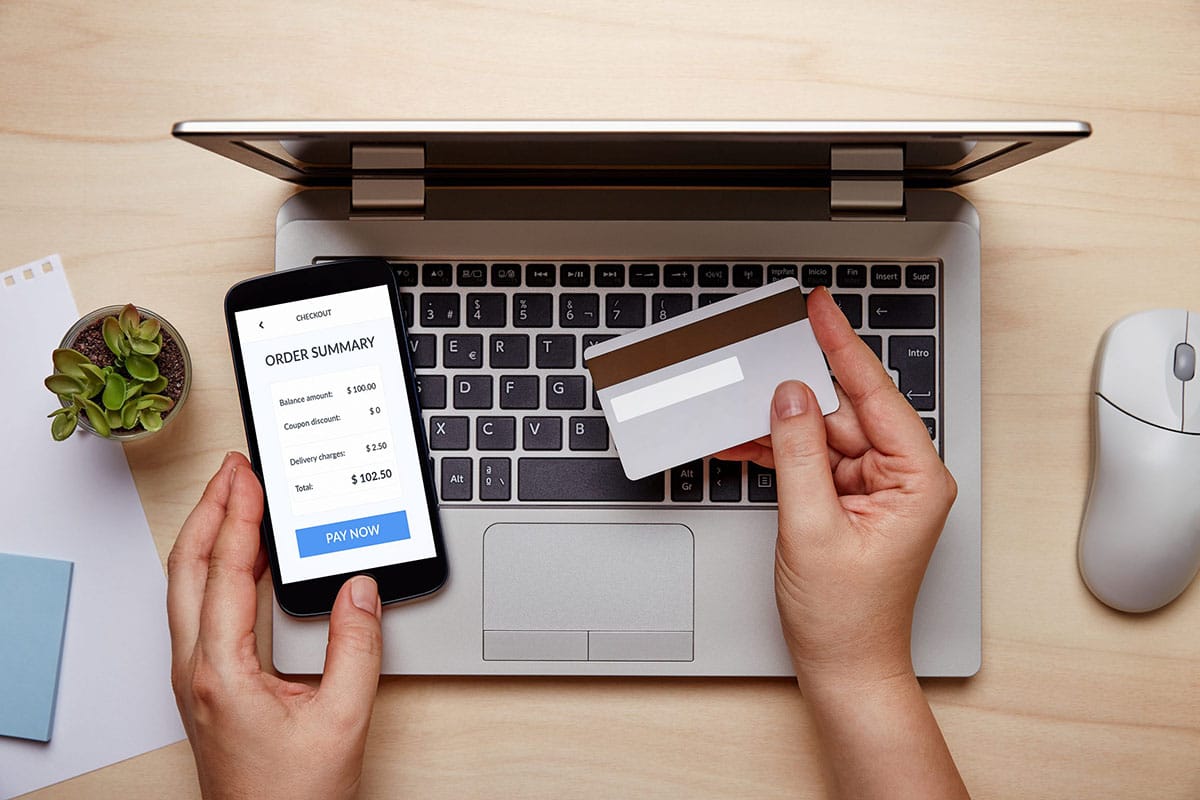
A burgeoning trend in personal finance is the use of virtual credit cards. Services like Privacy.com, or features offered by major issuers like Capital One and Citi, allow users to generate a “virtual” card number for specific merchants. You can set spending limits on these numbers or make them “single-use,” meaning the card expires immediately after the transaction is processed. This prevents “subscription creep” and ensures that if a merchant’s database is hacked, your primary credit card information remains untouched.
The Role of Encryption and SSL
When paying online, always look for the “HTTPS” in the URL and the padlock icon in the browser bar. This indicates that the website uses Secure Sockets Layer (SSL) encryption. Encryption scrambles your financial data as it travels from your computer to the merchant’s server, ensuring that it cannot be intercepted and read by third parties. Professional financial management requires a habit of only conducting transactions on secure, encrypted networks, avoiding public Wi-Fi for sensitive banking activities.
Emerging Financial Tools and the Future of Payments
The fintech (financial technology) sector is rapidly evolving, introducing new ways to pay that challenge traditional banking models. These tools offer more flexibility but require a disciplined approach to avoid financial pitfalls.
Buy Now, Pay Later (BNPL) Services
Services like Klarna, Affirm, and Afterpay have exploded in popularity, particularly among younger consumers. BNPL allows you to split a purchase into equal installments, often interest-free, over a few weeks or months. From a cash-flow perspective, this can be an excellent way to manage large expenses without depleting your emergency fund. However, the risk lies in the psychological “frictionless” nature of these payments, which can lead to overspending. It is essential to treat BNPL obligations as any other debt—failure to pay can result in late fees and, in some cases, damage to your credit score.
Cryptocurrency and Decentralized Finance (DeFi)
While still volatile, cryptocurrency is increasingly being accepted as a legitimate form of payment for online goods and services. Bitcoin, Ethereum, and stablecoins (cryptocurrencies pegged to the US Dollar) offer a decentralized alternative to traditional fiat currency. Paying with crypto can offer lower cross-border fees and near-instant settlement. However, consumers should be aware that crypto transactions are generally irreversible. Unlike credit card payments, there is no “chargeback” mechanism in the world of blockchain, making it vital to only use this method with trusted entities.
Peer-to-Peer (P2P) Platforms
Apps like Venmo, Zelle, and Cash App have bridged the gap between personal finance and social interaction. These platforms are designed for quick transfers between individuals—splitting a dinner bill or paying a freelancer. While incredibly convenient, these platforms often lack the comprehensive fraud protections found in traditional credit cards. The golden rule for P2P payments is to only send money to people you know and trust personally.
Optimizing Your Online Spending for Better Financial Health
Paying online is not just about the mechanics of the transaction; it is about using digital tools to enhance your overall financial well-being. By automating and tracking your payments, you can gain a clearer picture of your net worth and spending habits.
Leveraging Rewards and Cashback Systems
To maximize the value of every dollar spent online, consumers should look toward cashback portals and reward-optimized credit cards. Websites like Rakuten or Honey provide a percentage of your purchase back to you simply for clicking through their links. When paired with a high-yield rewards credit card, you can effectively “stack” discounts, sometimes saving 5-10% on standard online purchases. This disciplined approach to online shopping turns necessary spending into a form of passive earning.
Managing Subscriptions and Recurring Bills
One of the greatest challenges of the digital economy is the “subscription trap.” Many services operate on a recurring billing model that can quietly drain your bank account if left unmonitored. Utilizing financial management apps can help you identify and cancel underutilized subscriptions. Many modern banking apps now include a “Subscription Manager” feature that highlights recurring charges, allowing you to audit your monthly outflows with a single glance.
Integrating Payments with Budgeting Software
The final step in mastering online payments is integration. By connecting your payment methods to budgeting software like YNAB (You Need A Budget) or Monarch Money, every online transaction is automatically categorized. This real-time data allows you to adjust your spending habits on the fly. Instead of wondering where your money went at the end of the month, you are actively directing your capital toward your financial goals—whether that is saving for a home, investing in the stock market, or building a retirement nest egg.
In conclusion, the question of “how do I pay online” is answered through a combination of selecting the right financial instruments, maintaining rigorous security standards, and leveraging technology to optimize your cash flow. As the digital economy continues to expand, those who master these tools will find themselves with greater financial flexibility and a more secure path toward long-term wealth.
aViewFromTheCave is a participant in the Amazon Services LLC Associates Program, an affiliate advertising program designed to provide a means for sites to earn advertising fees by advertising and linking to Amazon.com. Amazon, the Amazon logo, AmazonSupply, and the AmazonSupply logo are trademarks of Amazon.com, Inc. or its affiliates. As an Amazon Associate we earn affiliate commissions from qualifying purchases.